




Hand Carved Stone Statue
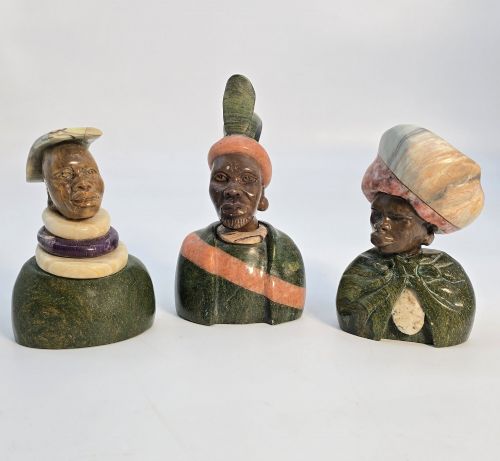
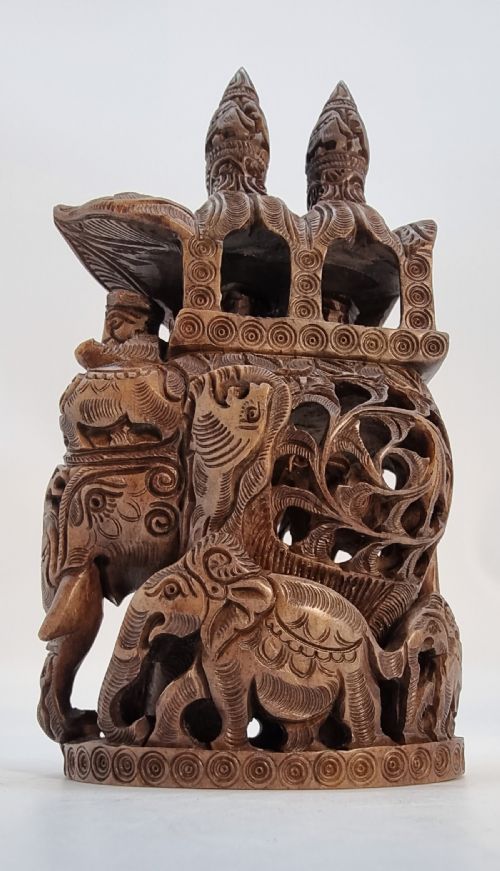
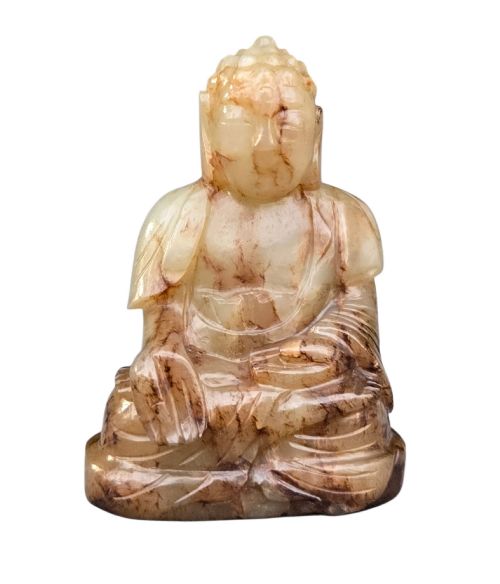
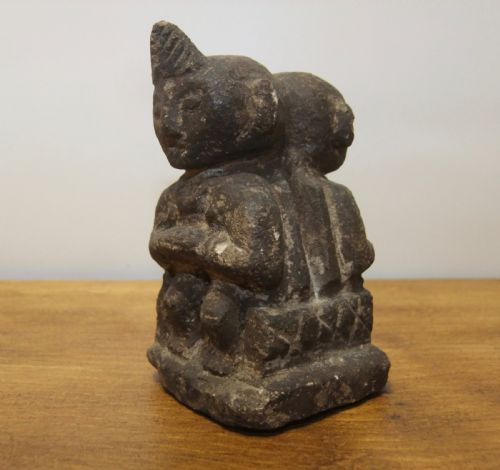
These hand carved stone statue examples bring together centuries of global sculptural tradition, offering tactile forms hewn from soapstone, jade, alabaster, and granite.
Hand Carved Stone Statue
A hand carved stone statue represents a diverse spectrum of cultural objects, spanning temple deities, animal studies, portrait busts, and architectural garden ornaments. You will encounter figural sculptures depicting Buddhas, sages, dogs of Fo, and human figures alongside utilitarian forms such as staddle stones and bookends.
The material origins vary widely across the selection, featuring soapstone, steatite, jade, hardstone, alabaster, serpentine, and verdite. Pieces draw from distinct regional styles including Qing Dynasty, African folk art, Anglo-Indian, and the Burmese Mandalay period.
Dating ranges from pre-sixteenth century ancient carvings through eighteenth-century rustic granite and nineteenth-century works into early twentieth-century French alabaster. The most commonly met pieces on this page lean towards Asian decorative art, particularly Chinese soapstone groups and jade figures.
Distinguishing quality in stone sculpture
Quality rests in the precision of the hand carving and the vitality of the subject matter, where master carvers coax lifelike posture and expression from recalcitrant material. Finer examples display anatomical accuracy in human portraits and animal groups, alongside a harmonious integration of the stone's natural inclusions and veining.
Monkeys and dogs feature prominently in the animal carvings, immortalised by carvers in soapstone and Derbyshire alabaster.
Bright And Sons
The Hand Carved Stone Statue Glossary
- Alabaster
- A fine-grained stone, often white or lightly tinted, utilised for European figures and nineteenth-century animal studies. Its translucency allows light to penetrate slightly beneath the surface.
- Staddle stone
- A mushroom-shaped stone support historically used to elevate granaries and barns off the damp ground. Cornish granite examples survive as rustic garden ornaments.
- Dog of Fo
- A traditional Chinese mythical lion guarding sacred spaces, frequently carved in pairs from soapstone or hardstone. These temple guard figures combine ferocious posture with decorative styling.
- Mandalay Period
- An artistic epoch associated with Burmese Buddhist sculpture, known for serene white marble reclining Buddha statues and temple pieces. These works exhibit characteristic monastic robes and calm facial expressions.
Hand Carved Stone Statue: Frequently Asked Questions
How do I clean a stone statue?
Dust the surface gently with a soft, dry brush to remove accumulated particulate matter without abrading the material.
Avoid using chemical cleaning agents, water, or oils, as porous stones like soapstone and alabaster absorb moisture and risk staining.
Where should I place my statue?
Keep indoor sculptures away from direct sunlight and sudden temperature fluctuations to prevent surface drying and hairline fracturing in softer minerals.
Granite staddle stones and heavier garden ornaments tolerate outdoor placement, provided they rest on stable foundations clear of standing water.
How do I date a stone carving?
Examine tool marks, weathering patterns, and the stylistic conventions of the clothing, hair, and posture relative to known historical periods.
Compare the patina and mineral degradation against authenticated examples from dynasties or centuries referenced in the piece history.
Why are some statues unpolished?
Certain regional styles and earlier carving traditions favoured matte or rough-hewn finishes to emphasise the natural grain of the raw stone.
Lack of gloss does not indicate unfinished work, but rather reflects the aesthetic choices of periods such as African folk art or rustic eighteenth-century masonry.