

Vintage Alabaster Stone Carving
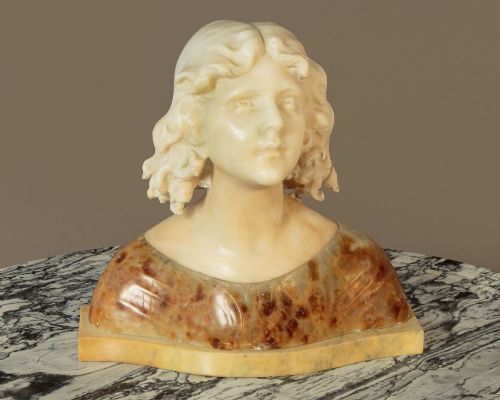
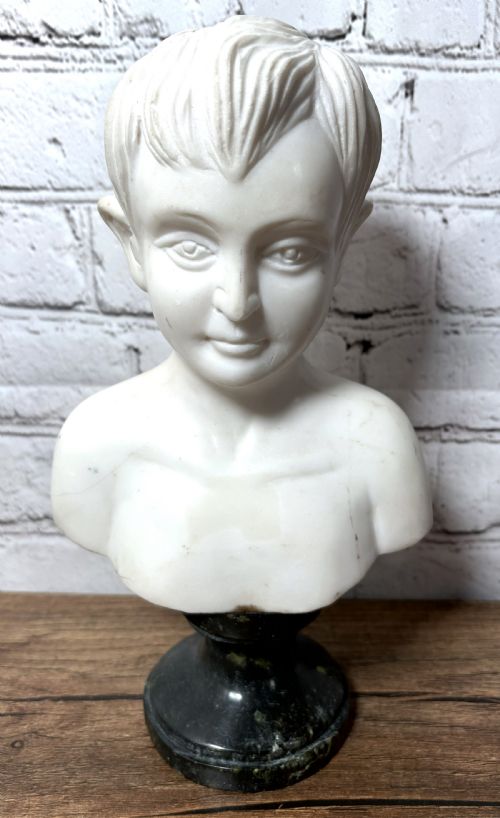
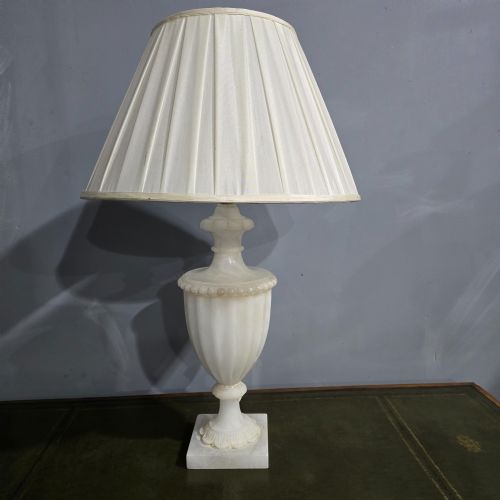
These carved vintage alabaster stone carving pieces bring classical form and warm translucency to an interior, ranging from lighting to figurative sculpture.
Vintage Alabaster Stone Carving
A vintage alabaster stone carving encompasses decorative objects, lighting fixtures, and figurative sculptures produced primarily across the nineteenth and early twentieth centuries. Pieces span Neoclassical, Art Nouveau, and Art Deco styles, originating largely from Italian, French, and British workshops.
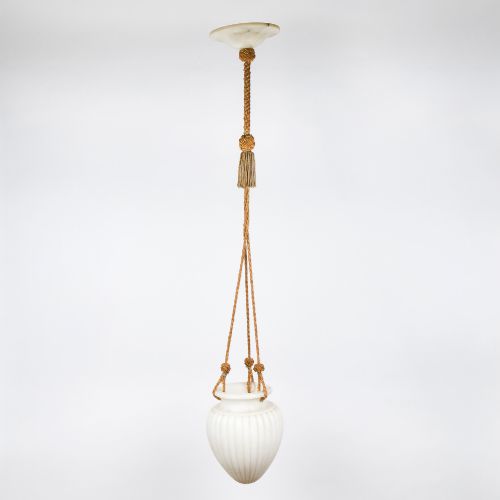
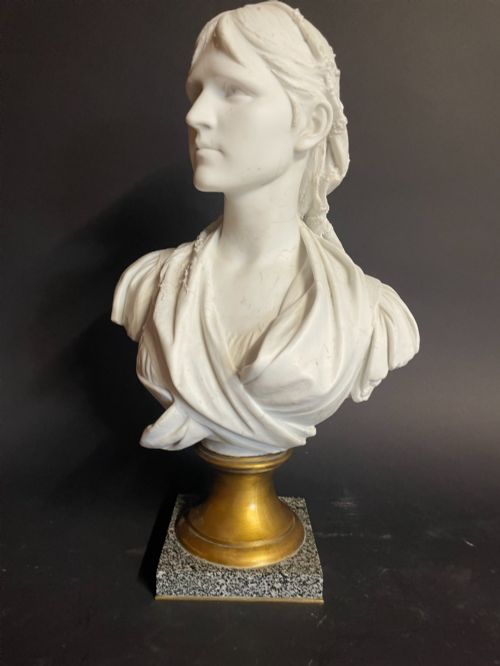
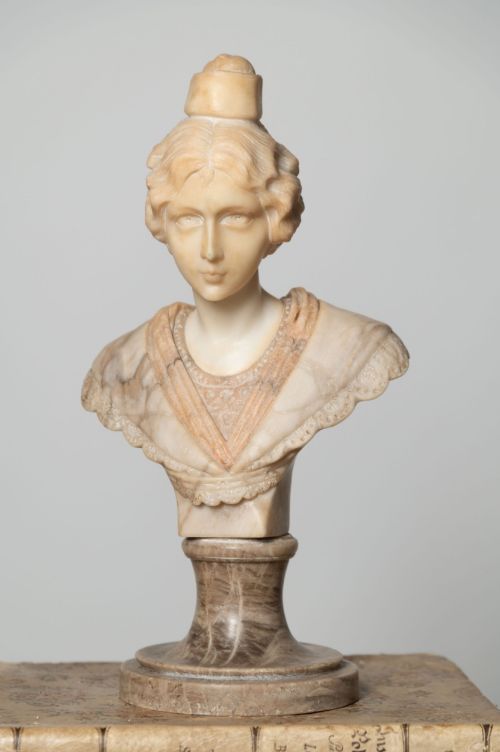
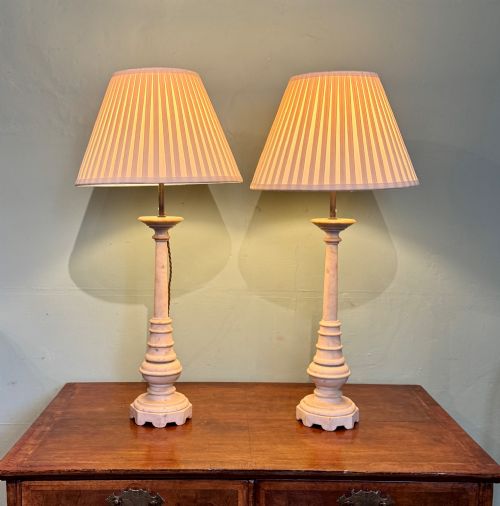
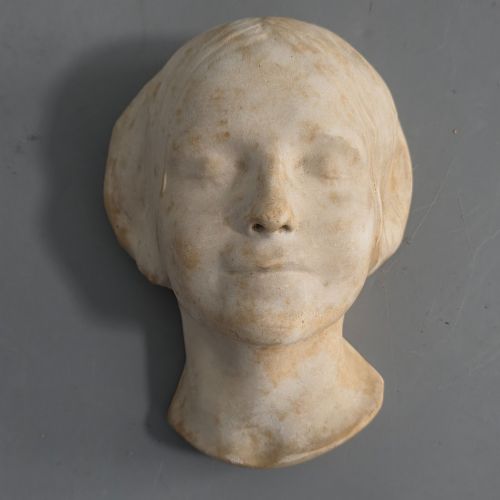
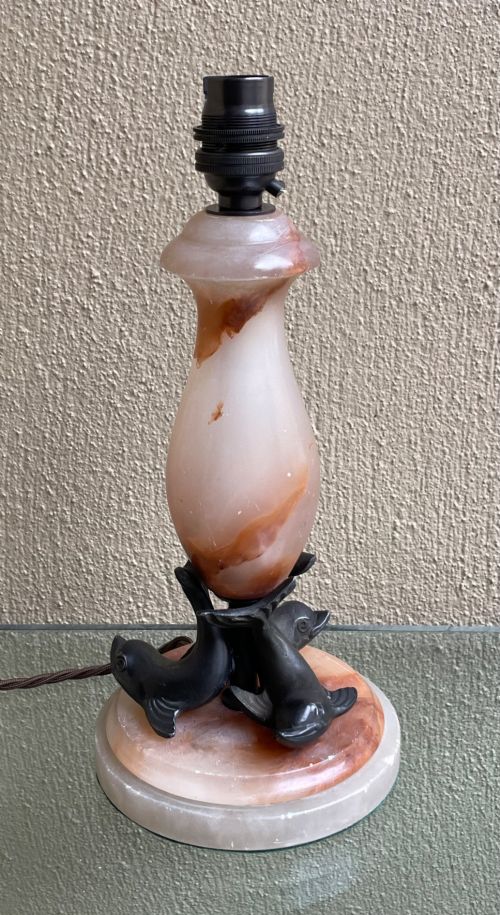
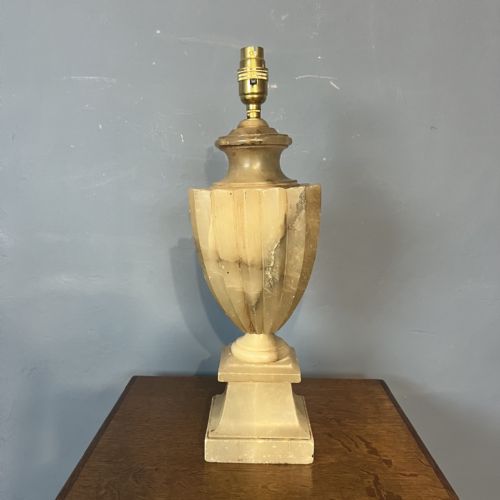
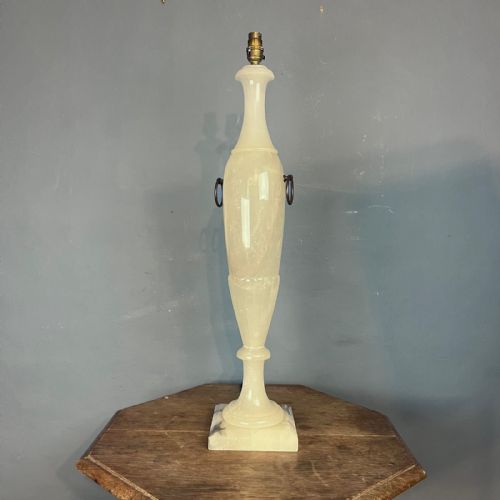
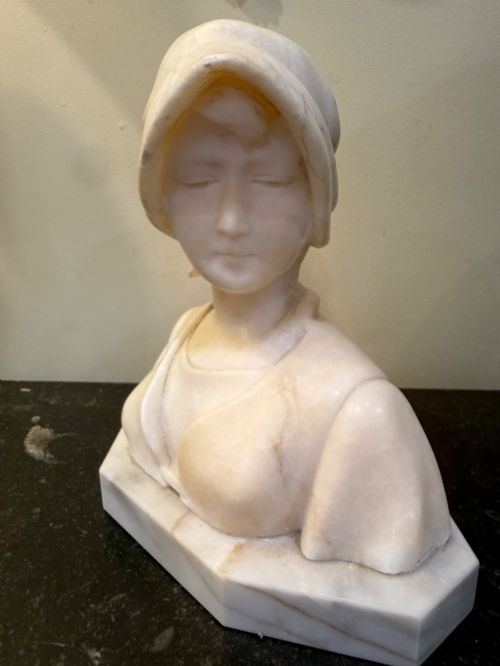
Lighting forms include hanging dishes, ceiling lights, chambersticks, and table lamps that utilise the stone's natural translucency to diffuse light softly. Figurative works range from library busts and death masks to studies of animals and mythological subjects.
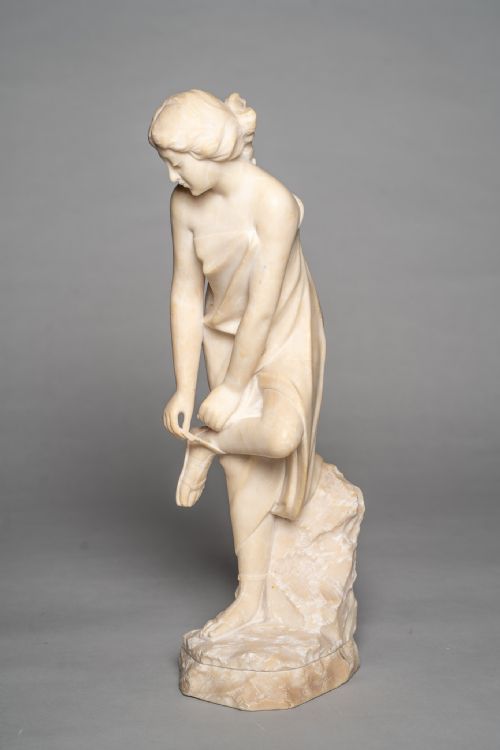
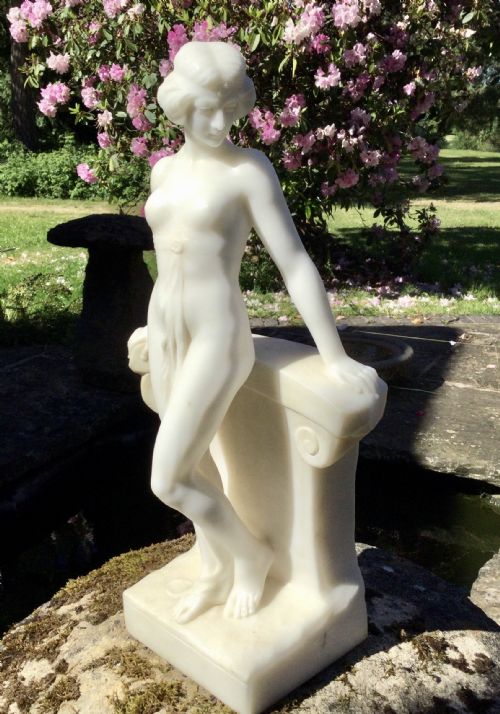
The most frequent encounters on this page are Italian and French figural sculptures alongside Art Deco lighting fixtures dated to the early decades of the twentieth century. These items demonstrate diverse applications of soft stone within period interiors.
Assessing quality
Quality rests upon the sensitivity of the carving and the depth of relief, particularly in figurative subjects where facial expression and anatomical proportion dictate success. Finer pieces demonstrate precise hand-finished detailing rather than mechanical or mass-produced uniformity.
The clarity and visual consistency of the stone itself distinguish superior examples, as heavily flawed or clumsily repaired blocks disrupt the translucent glow expected from high-grade material. Harmony between the carved alabaster body and integrated metal mountings also marks better manufacture.
Sculptors occasionally immortalised household pets alongside family members, leaving posterity with affectionate marble studies of galloping stallions and playful puppies.
A. Gamay·Pugi·Mieczyslaw Leon Zawiejski·Cipriani·Joseph Gott
The Vintage Alabaster Stone Carving Glossary
- Alabaster
- A fine-grained, translucent stone commonly utilised for carving decorative objects and lighting fixtures. Its softness allows for delicate sculptural detail.
- Grand Tour
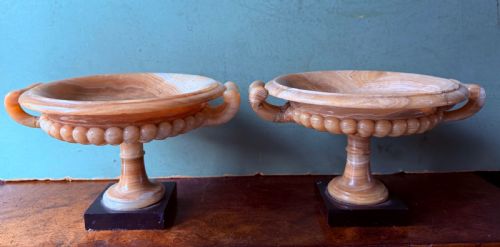
- A term applied to souvenir items, including small-scale tazze and architectural models, acquired by travellers in Italy during the nineteenth century. These pieces often draw inspiration from classical antiquities.
- Death mask
- A cast or carved facial impression taken from a deceased person, frequently rendered in stone or plaster during the nineteenth century. They served as mementos or artistic studies.
- Tazza
- A shallow cup or bowl set upon a stem and foot, often carved from figured stone as a decorative display piece. Originating in classical antiquity, they were frequently reproduced during the nineteenth century.
- Chamberstick
- A short candlestick fitted with a pan to catch dripping wax, often accompanied by a handle for carrying from room to room.
Vintage Alabaster Stone Carving: Frequently Asked Questions
How do I clean alabaster lighting?
Dust surfaces gently with a dry, soft cloth to prevent particulate accumulation within the carved crevices. Avoid water and chemical solvents entirely, as moisture damages the porous stone structure.
For wired lighting fixtures, ensure the appliance remains unplugged during maintenance. Professional restoration is recommended for persistent grime or greasy deposits.
Are these lamps safe to use?
Most vintage lighting requires rewiring to meet modern safety standards before regular daily use. A qualified electrician can replace old fabric cords and bulb holders while preserving original components.
Low-heat LED bulbs are advisable inside alabaster bowls and shades to prevent thermal stress on the antique stone. This protects the material from discolouration or cracking over time.
How do I date a piece?
Stylistic indicators provide the clearest chronological framework, moving from nineteenth-century Neoclassical and Grand Tour subjects to streamlined Art Deco forms of the 1920s and 1930s. Signature marks, patination, and associated metalwork fittings offer additional clues.
Comparative analysis with documented workshop output helps narrow down the decade of production. Documentation or historical exhibition labels can also secure a precise timeframe.
Where were these pieces made?
Italy and France served as the primary production centres for carved alabaster throughout the nineteenth and early twentieth centuries. Italian workshops specialised in both Grand Tour souvenirs and large-scale figurative sculptures.
French makers frequently integrated carved bowls and shades into sophisticated domestic lighting fixtures. British country houses often acquired these continental imports for interior decoration.