



Signed French Bronze Sculpture
A signed french bronze sculpture captures the height of European foundry work, offering collectors both classical elegance and expressive animalier detail.
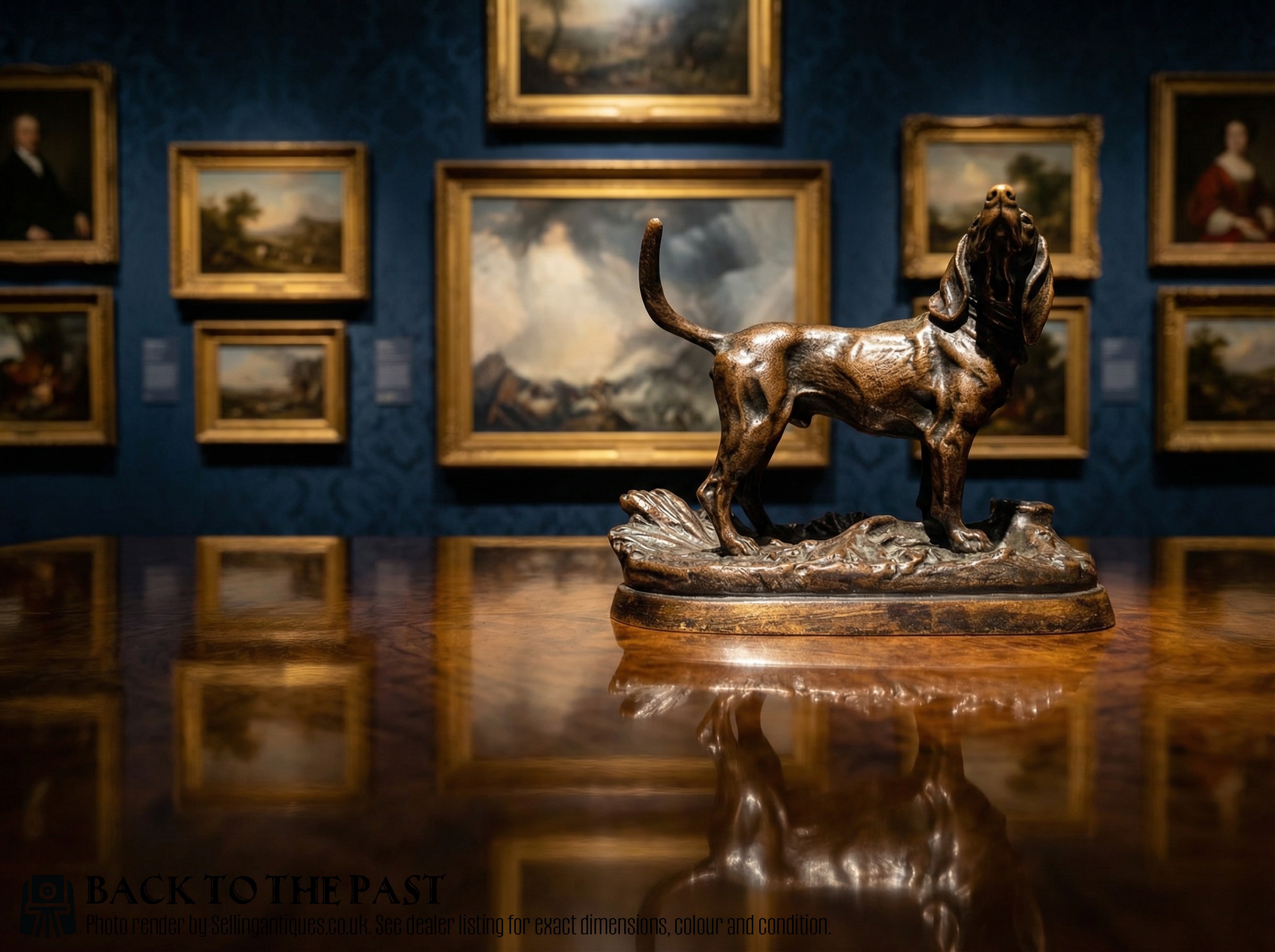
Signed French Bronze Sculpture
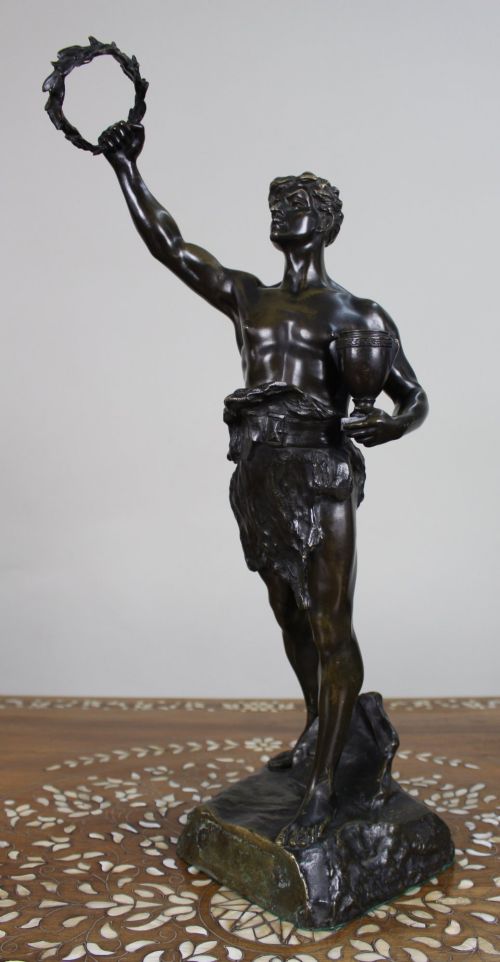
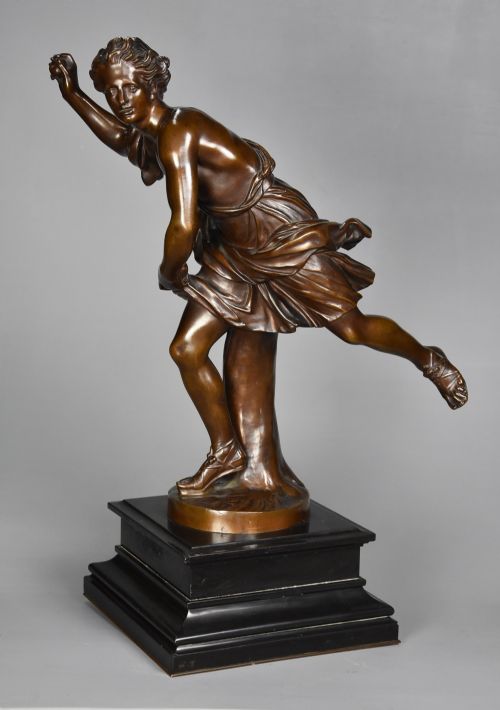
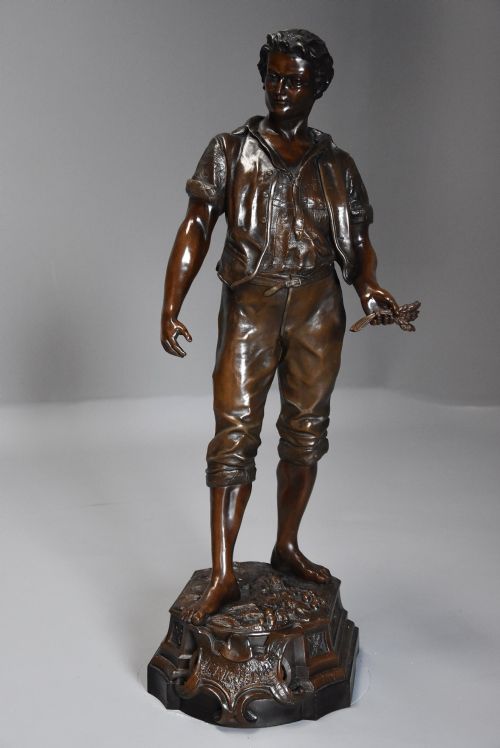
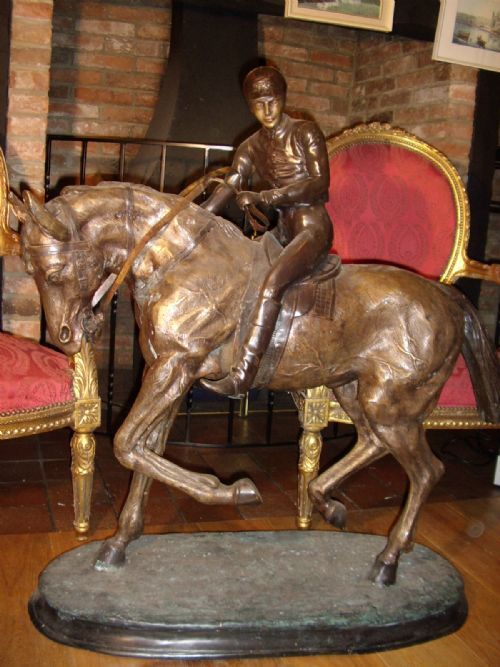
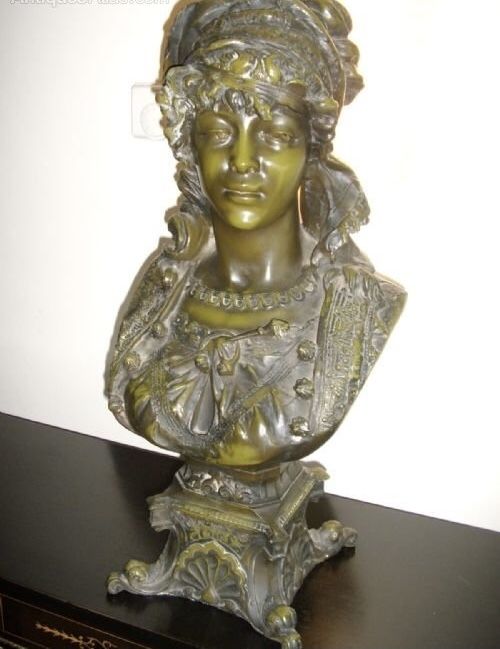
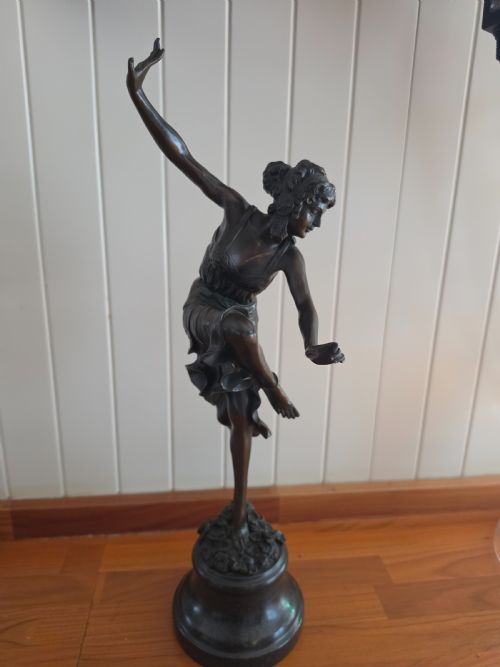
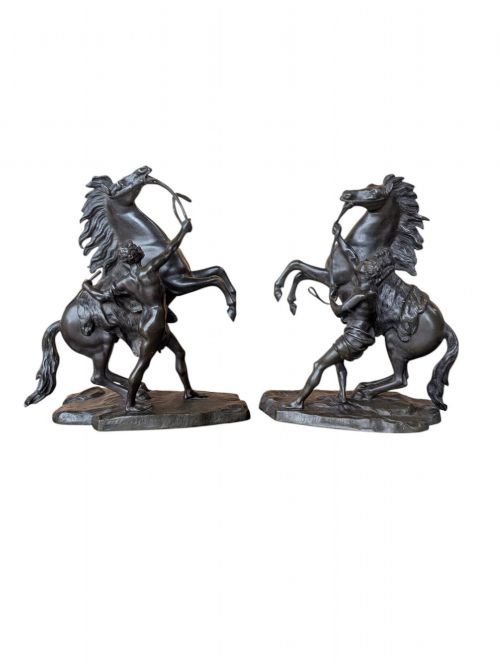
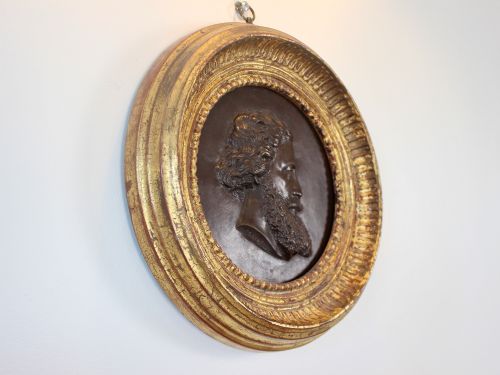
A signed french bronze sculpture encompasses figural groups, animal studies, portrait busts, and decorative lamps produced across the nineteenth and twentieth centuries. These works range from neoclassical figures and romantic knights to sleek Art Deco dancers and prowling panthers.
Buyers frequently encounter pieces originating from the nineteenth century alongside later Art Deco iterations from the twentieth century. These objects often incorporate carved marble bases, ebonised wood mounts, or serve functional roles as torcheres and figural lamps.
The sculptural forms span mythological subjects, historical heroes, commedia dell'arte characters, and realistic wildlife. Foundry marks and artist signatures provide a direct link to the makers and artisans working in French workshops.
Materials and Casting Methods
Foundries utilised the lost-wax casting method or sand casting to achieve intricate detail in molten metal. Artisans then applied chemical patination, silvering, or gilding to the raw metal surface.
Base materials extend beyond standard bronze to include patinated spelter and gilded bronze. Sculptures are frequently mounted onto carved marble or ebonised wood plinths to provide stability and visual contrast.
Listings feature works spanning from 1860 through the Art Deco period of 1930, utilising bronze, spelter, and carved marble bases.
Distinctions in Execution
The refinement of the chasing work separates superior castings from simpler commercial editions. Master founders spent hours hand-tooling the cooled metal to sharpen feathers, musculature, and facial expressions.
The depth and richness of the original patination dictate visual success. Subtle tonal gradations and well-preserved chemical finishes distinguish top-tier examples from later or more utilitarian metalwork.
Barbedienne·D.H. Chiparus·E.Villanis·Auguste Moreau·I. Rochard
The Signed French Bronze Sculpture Glossary
- Animalier
- A nineteenth-century artistic focus on the realistic depiction of animals, particularly wild beasts and hunting dogs in motion. Sculptors in this genre studied anatomy closely at menageries.
- Lost-wax casting
- A historic method where a wax model is melted out of a ceramic mould to leave a cavity for molten bronze. This technique allows for exceptional fineness and undercut details.
- Spelter
- A zinc-based alloy utilised as an economical alternative to bronze. It accepts bronze finishes and silvering well, though it is softer and lighter than true copper alloys.
- Patination
- The surface colouration applied to bronze through chemical treatment and heat. It protects the metal and defines the highlights and shadows of the sculpture.
- Chasing
- The process of hand-finishing a raw metal casting with chisels and hammers. Skilled chasers removed casting seams and added texture to hair, drapery, and backgrounds.
Signed French Bronze Sculpture: Frequently Asked Questions
How do I spot a foundry mark?
Foundry stamps and cast signatures typically appear near the lower edge of the bronze figure or directly upon the base plinth. Artisans and commercial houses pressed these marks into the hot metal or carved them into the wax model before casting.
Examining these stamps under magnification helps confirm the producing workshop and links the piece to known French casting houses of the period.
Are spelter figures considered bronze?
Spelter is a zinc alloy rather than copper and tin, meaning it is significantly lighter and softer than true bronze. Many period pieces utilise bronzed or silvered finishes over spelter to mimic the appearance of heavier metal.
Checking the underside or unpainted areas reveals the lighter, greyish metal underneath if the patination has worn away.
Why are marble bases used?
Marble bases provide structural stability for heavy metal sculptures and add a contrasting visual weight to the composition. Different stones such as Portoro or rouge marble indicate specific stylistic periods, particularly within Art Deco design.
These plinths were fitted to the bronze during assembly, often secured with threaded bolts through the bottom of the stone.
How should I clean my sculpture?
Maintenance requires only a soft, dry cloth to remove dust from crevices and patinated surfaces. Avoid chemical cleaners, polishes, or water, as abrasive substances strip away the historic chemical patination.
Applying a very light coat of microcrystalline wax periodically helps protect the metal surface from atmospheric moisture.