

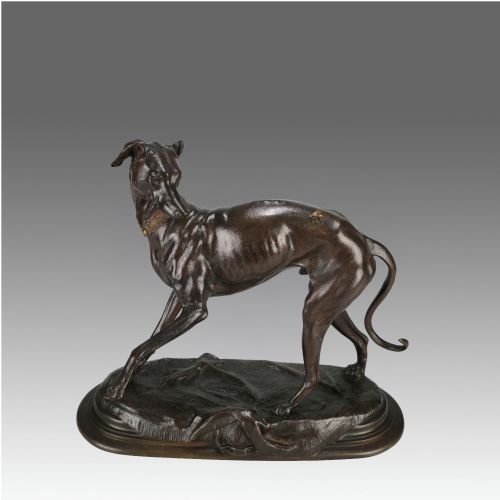
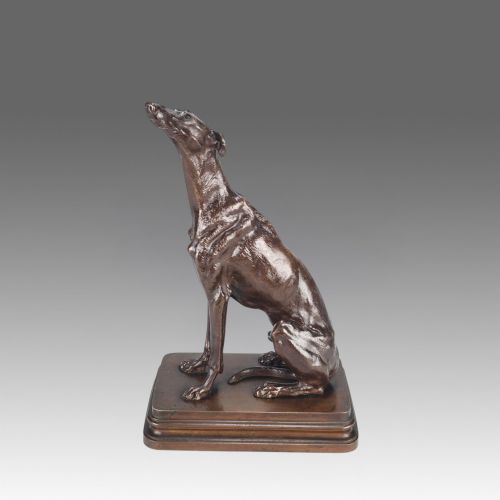


Cast Bronze Hound Sculpture
A cast bronze hound sculpture captures the muscular tension of a sporting dog in heavy metal.
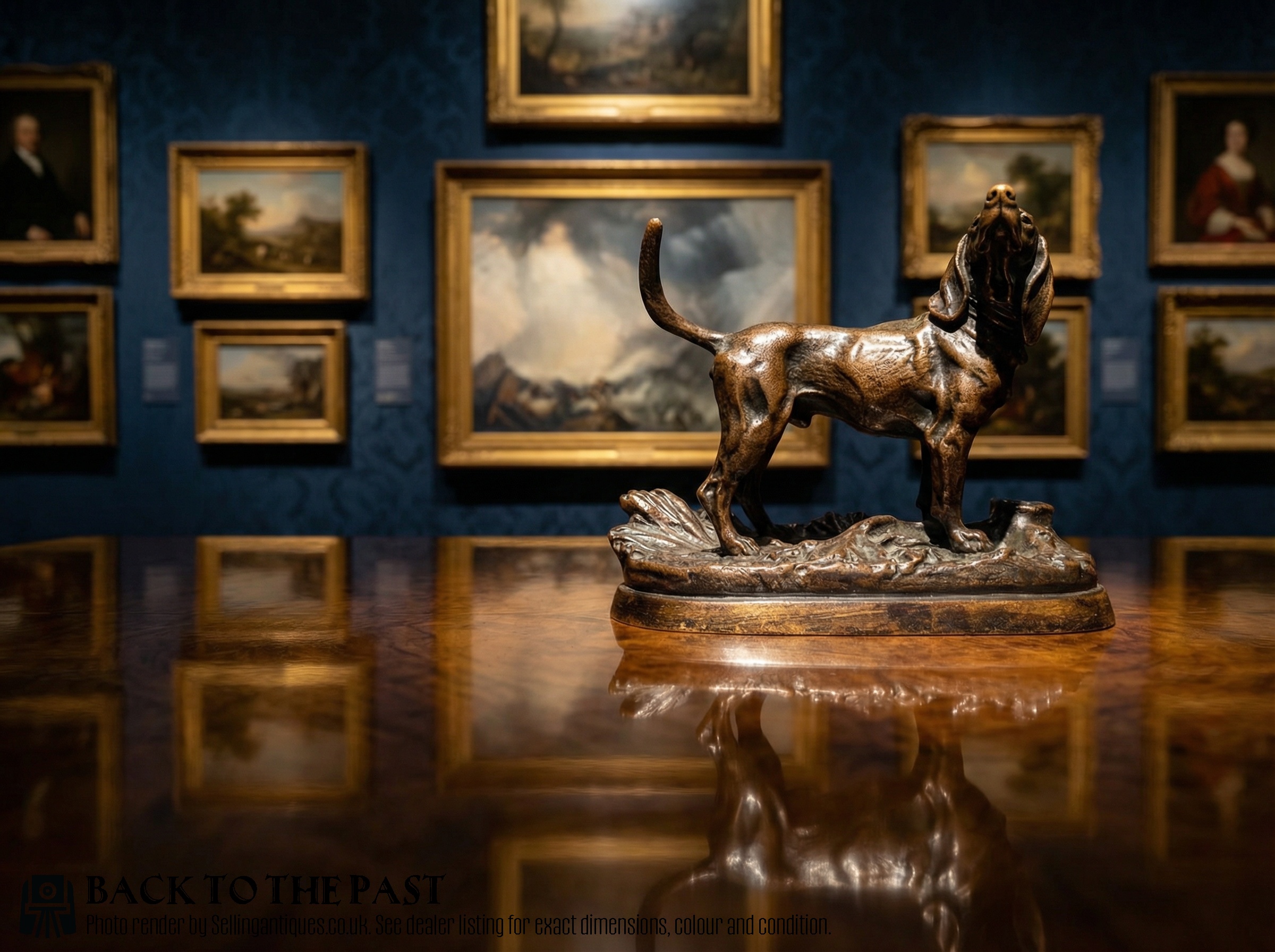
Cast Bronze Hound Sculpture
Every cast bronze hound sculpture on this page originates from the nineteenth century, capturing dogs in domestic, hunting, or playful poses. The subjects range from greyhounds and bassets to setters, often paired with elements like balls, birds, or flies.
French animalier schools dominate these listings, reflecting a continental fascination with realistic animal anatomy. Pieces frequently take the form of mantel statues, fireside figures, or cabinet sculptures rather than monumental works.
Sculptures combine the central metal medium with supportive bases, occasionally incorporating marble plinths beneath the paws or bodies of the animals. Forms shift between alert sentinels and recumbent figures resting after the hunt.
Materials and casting methods
Foundries utilised traditional metal casting to translate modelled clay into durable bronze alloys, capturing fine fur texture and muscle definition. Patination treatments applied to the surface create varied dark brown or golden tones across the metal.
Certain works incorporate heavy stone elements, mounting the metallic hound upon a solid marble base for stability and contrast. Foundries like Barbedienne oversaw specialised casting processes that maintained sharp detail from the original model.
Cast Bronze Hound Sculpture Retail Price Guide 2026
Typical asking prices for cast bronze hound sculpture among the pieces listed under this phrase on Sellingantiques today, from the lower quarter to the upper quarter. They describe what is for sale here now, not the wider market.
Listings feature nineteenth-century materials including patinated bronze, cast iron, and marble.
Factors that distinguish the work
Superior examples demonstrate anatomical precision in the musculature and skeletal structure of the dog, avoiding stiff or generic forms. The subtlety of the surface patination dictates how light plays across the fur and contours of the animal.
The clarity of the signature or foundry mark affects the standing of a piece, alongside the crispness of the chasing work done after casting. Works cast after known sculptors show varying degrees of fidelity to the original proportions.
Alfred Dubucand·Alfred Barye·Arthur Waagen·Joseph Francois Victor Chemin·Christophe Fratin·P J Mene·Barbedienne·L Bureau
The Cast Bronze Hound Sculpture Glossary
- Animalier
- A nineteenth-century artistic movement focused on the realistic depiction of animals, particularly predators and sporting dogs. Practitioners studied live specimens in menageries to achieve anatomical accuracy.
- Patina
- The chemical or natural surface coloration applied to bronze sculpture. This layer protects the metal and defines the visual warmth of the object.
- Chasing
- The process of hand-finishing a raw metal casting using chisels and punches. This step refines the surface texture and removes any flaws from the mould.
- Foundry
- A workshop where metal is melted and poured into moulds to create sculptures. Prominent foundries employed skilled artisans to oversee the casting and reduction of models.
Cast Bronze Hound Sculpture: Frequently Asked Questions
What is a cast bronze hound sculpture?
These pieces are nineteenth-century metal figures depicting dogs such as greyhounds, setters, and bassets in realistic poses. They record sporting and domestic animals through the lens of European animalier art.
Collectors prize them for their accurate anatomy and the rich patination developed on the metal over generations.
Where were these sculptures placed originally?
Period interiors featured these figures on mantelpieces, library desks, and firesides. Heavy bases allowed them to sit securely on wooden furniture or stone hearths.
Today, they function as decorative objects that anchor a room with nineteenth-century character.
How do I identify a nineteenth-century piece?
Examine the base for artist signatures, foundry stamps, and the weight of the metal. Nineteenth-century works typically display deep patination and hand-chased surface details rather than smooth, modern casting.
References to French animalier schools and specific casting houses point directly to this era of production.
How do I care for bronze sculpture?
Dust the surface gently with a soft dry cloth to prevent particulate buildup on the metal. Avoid liquid cleaners or polishes that strip the historic patina from the bronze.
Keep the piece away from direct heat sources and damp environments to preserve the stability of both metal and marble elements.