

Art Deco Figure Sculpture
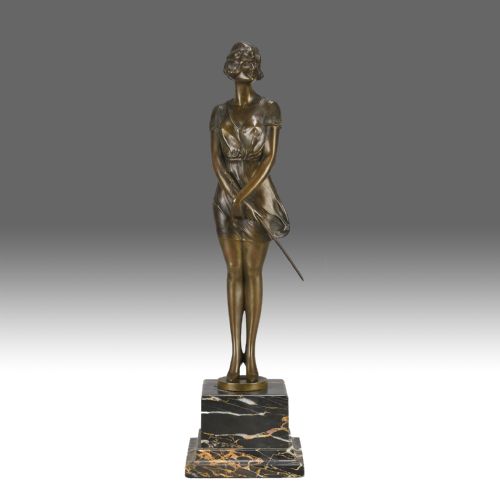
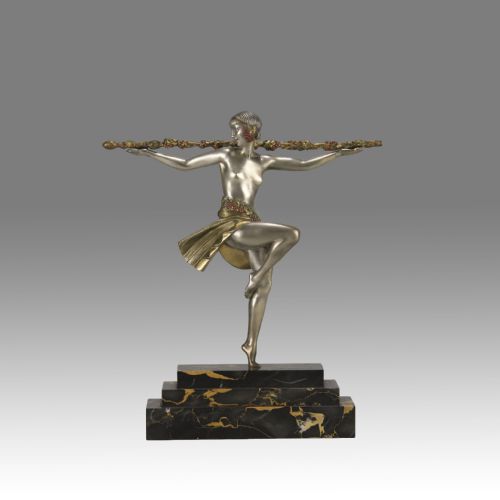
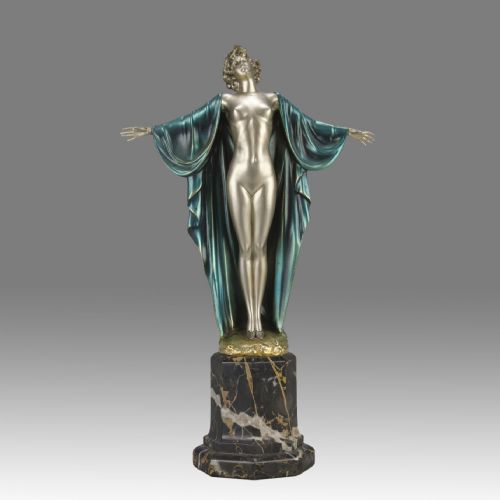
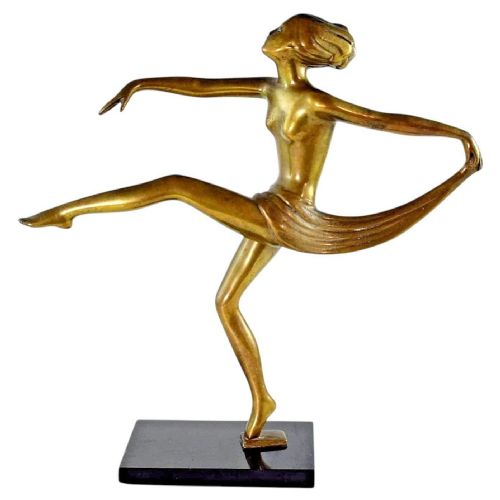
Art deco figure sculpture captures the movement of dancers, animals and human forms through bronze, spelter and carved materials.
Art Deco Figure Sculpture
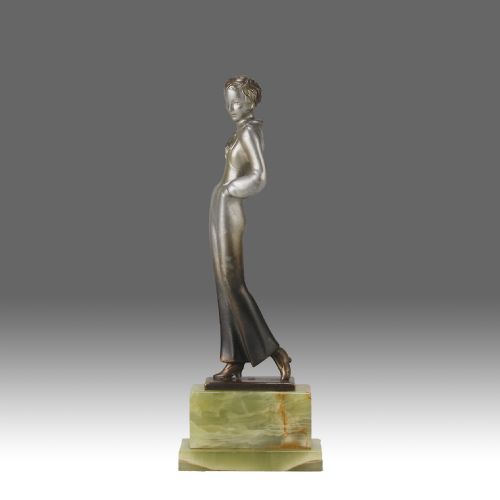
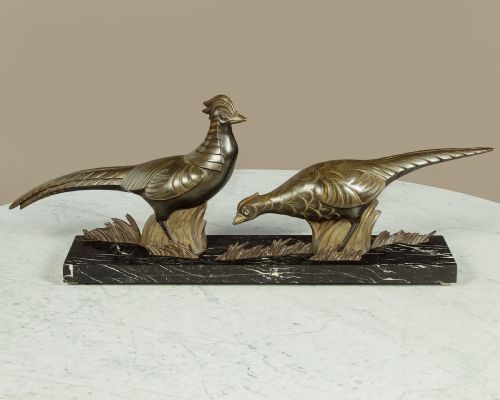
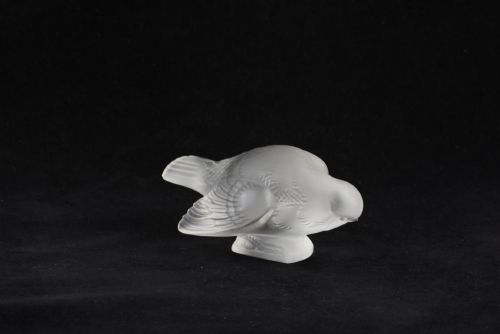
Art deco figure sculpture encompasses standalone figures, dancers, and animals produced primarily during the 1920s and 1930s. Buyers searching this phrase meet dynamic representations of the human form alongside stylised depictions of birds and beasts.
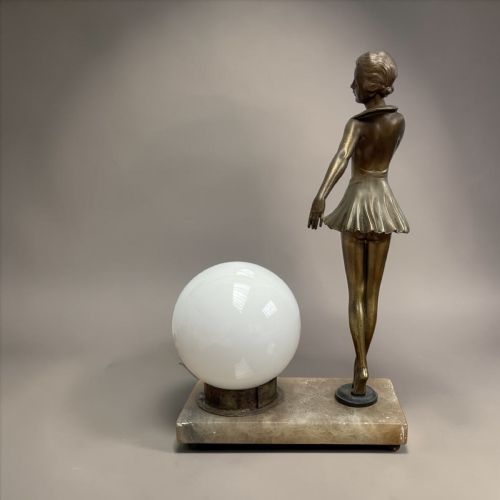
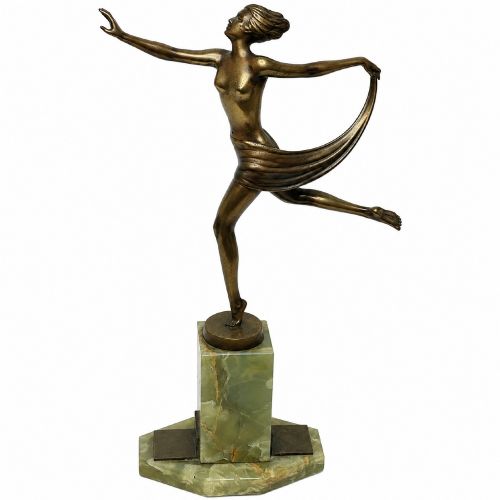
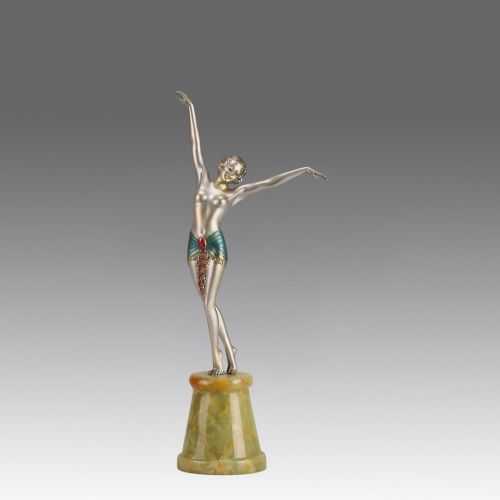
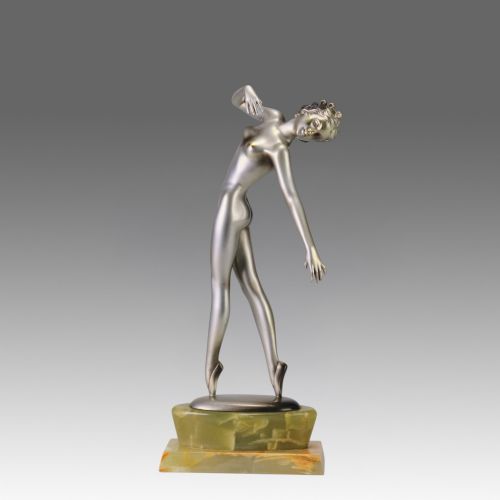
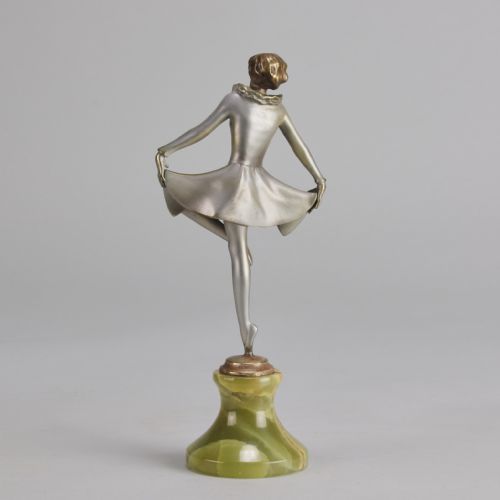
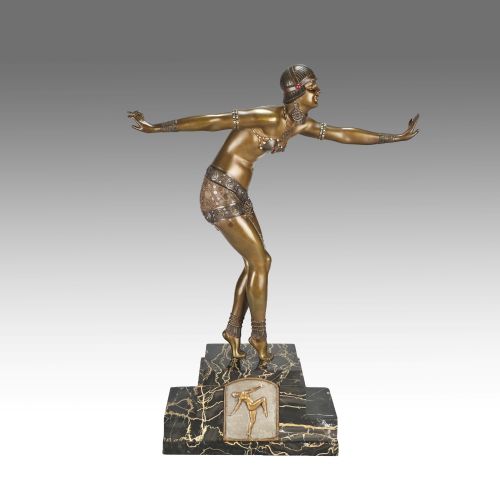
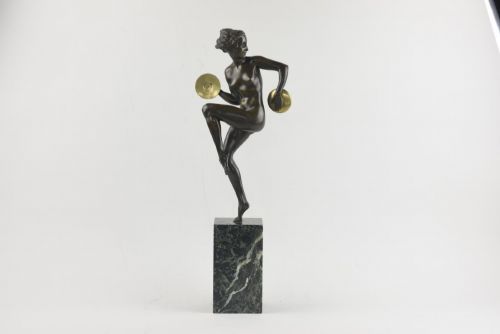
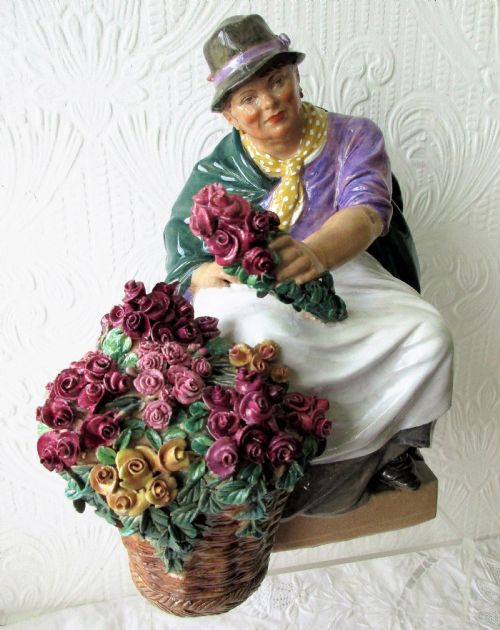
The most common examples on this page are bronze and spelter dancers, often mounted on marble or onyx plinths. These pieces reflect the aesthetic of the period, ranging from French modernist subjects to English studio pottery figurines.
Materials and methods
Ceramic and glass works relied on specialised kiln glazing, earthenware, and stoneware techniques. Wood, brass, and chrome plate also appear in construction, giving form to stylised figures and functional objects such as table lamps.
Materials recorded across the inventory include bronze, marble, onyx, glaze, spelter, glass, wood, and cold paint.
Assessing the range
Quality rests in the crispness of the casting and the finesse of the surface finish. Fine chisel work on bronze and detailed application of cold paint separate master foundry output from standard commercial production.
The integration between figure and plinth, along with the expressive strength of the pose, determines the standing of a piece. Signed works and attributed sculptures carry distinct sculptural presence compared to unsigned variants.
Bruno Zach·Pierre le Faguays·Ferdinand Preiss·Josef Lorenzl·Demetre Chiparus·Charles Vyse·Berthe Savigny·Paul Scheurich
The Art Deco Figure Sculpture Glossary
- Spelter
- A zinc alloy used as a cheaper alternative to bronze in figure production. It takes plating and cold-painted finishes well.
- Cold-painted bronze
- Bronze sculpture decorated with unfired paint applied after casting. This technique requires careful handling to preserve the surface pigments.
- Animalier
- Art focusing on the realistic or stylised representation of animals. It appears frequently in twentieth-century bronze and ceramic works.
- Blanc de Chine
- A white porcelain glaze originating from China, used on European ceramic figures of the early twentieth century. It shows smooth, glossy contours without coloured pigments.
Art Deco Figure Sculpture: Frequently Asked Questions
What materials make up these sculptures?
These sculptures utilise bronze, spelter, marble, onyx, glass, wood, and ceramic glazes. Metal figures often feature cold-painted or gilt surfaces.
Bases are frequently constructed from heavy blocks of marble or onyx to support the weight of the metal figures.
How do I identify a dancer figure?
Dancer figures typically display outstretched arms, flowing garments, and dynamic poses inspired by ballet and cabaret of the 1920s and 1930s.
Many of these pieces are cast in bronze or spelter and mounted onto stepped or rounded marble plinths.
Where were these pieces produced?
Production centres were primarily located in France, Austria, and England during the interwar period. Foundries and studios in Paris and Vienna created the majority of the metal figures.
English studio potteries also contributed distinctive earthenware and stoneware figures during the same decades.
How should I display a marble-mounted bronze?
Place the sculpture on a stable, flat surface away from direct heat and moisture to protect the metal patina and stone plinth.
Avoid using liquid cleaners on cold-painted surfaces, opting instead for a gentle dust with a soft brush.