



Vintage Bronze Sports Sculpture
These vintage bronze sports sculpture pieces capture intense physical movement in metal, giving any room a sharp, athletic focus.
Vintage Bronze Sports Sculpture
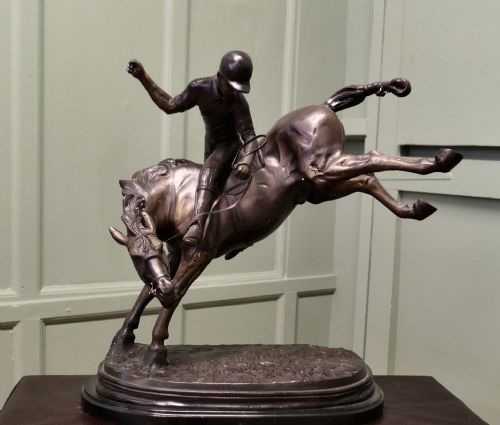
When you search for vintage bronze sports sculpture, you encounter dynamic figures representing human athletes and working animals caught mid-action. The selections here span the nineteenth century, the Edwardian era, and the nineteen-twenties and thirties.
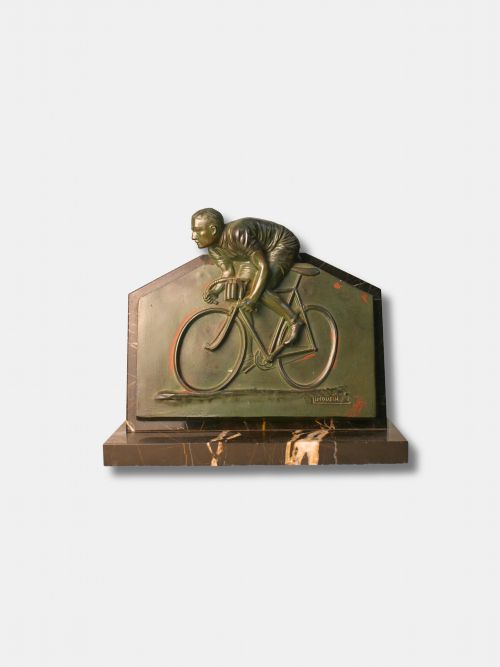
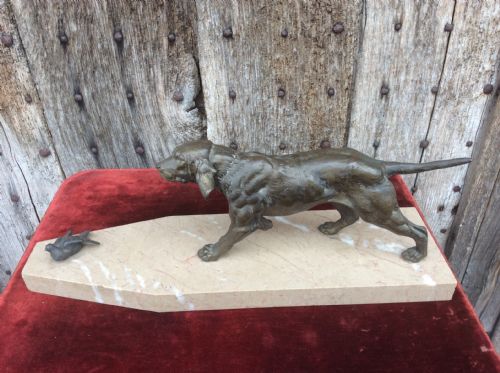
The forms encompass polo players, cyclists, rugby players, fencers, skiers, and ice skaters alongside hunting dogs and hounds. These pieces originate predominantly from French studios and workshops, capturing athletic energy across multiple decades.
You are most likely to meet figures mounted on heavy stone plinths such as marble or onyx to stabilise the metal composition. These varied subjects demonstrate how artists of different periods translated physical exertion into solid form.
How they were made
The makers of these athletic figures utilised metal casting techniques to shape bronze, gilt bronze, and spelter into detailed anatomy. Molten metal poured into moulds captured the tension of muscles and the folds of sporting garments.
Many of these sculptures incorporate mixed media by mounting the cast metal directly onto bases of marble, onyx, wood, or cast iron. Gilding was also applied to surfaces to highlight specific details of the clothing and equipment.
Vintage Bronze Sports Sculpture Retail Price Guide 2026
Typical asking prices for vintage bronze sports sculpture among the pieces listed under this phrase on Sellingantiques today, from the lower quarter to the upper quarter. They describe what is for sale here now, not the wider market.
Materials recorded on this site include bronze, gilt bronze, spelter, marble, onyx, cast iron, and wood.
What varies in quality
The definition in the musculature and the crispness of the chasing separate the finer examples from simpler production. Superior pieces render the strain of a cyclist or the grace of an ice skater with anatomical precision.
The quality of the foundational plinth also dictates the overall standard of the object, with dense polished marble and onyx elevating the presence of the metalwork above standard wooden or iron mounts.
L. Gerfaux·H Risch·Jules Moigniez·Rudolf Küchler·Charlotte Monginot
The Vintage Bronze Sports Sculpture Glossary
- Spelter
- A zinc alloy frequently utilised as a substitute for bronze in decorative figures. It takes patination well but possesses a lighter weight than true bronze.
- Animalier
- A nineteenth-century artistic genre dedicated to the realistic portrayal of animals. Figures of hounds, foxes, and working dogs form a major part of this tradition.
- Gilt bronze
- Metal coated with a thin layer of gold to give a lustrous yellow sheen. It highlights specific areas of a figure such as garments or equipment.
- Onyx
- A banded variety of chalcedony used frequently as a heavy decorative base for sculptures. Its natural strata provide a contrasting colour beneath the metal figure.
Vintage Bronze Sports Sculpture: Frequently Asked Questions
What periods do these sculptures cover?
The available pieces span from the nineteenth century through the Edwardian period into the nineteen-twenties and thirties. This timeline includes works created during the height of French animalier sculpture and later Art Deco movements.
Makers utilised traditional casting methods across these decades, resulting in varied stylistic approaches to human and animal subjects.
Are all these pieces solid bronze?
Not every piece is cast from solid bronze, as the materials vary across the selection. Some examples utilise spelter, gilt bronze, or cast iron alongside the standard bronze.
Base materials also differ, with heavy stones like marble and onyx frequently supporting the metal figures.
How do I identify a sporting subject?
Sporting figures depict recognizable human athletic pursuits such as cycling, rugby, fencing, skiing, and polo. These active poses distinguish them from static portrait busts or purely decorative ornaments.
Animal subjects often involve hunting dogs, hounds, and working dogs depicted in dynamic outdoor postures.
Where were these sculptures made?
A significant portion of these sculptures originates from French studios and the French school of metalwork. Makers across Europe contributed to this tradition, utilising local foundries to cast their athletic subjects.
The influence of French animalier and continental styling remains prominent throughout the selection.