





Signed British Oil Painting
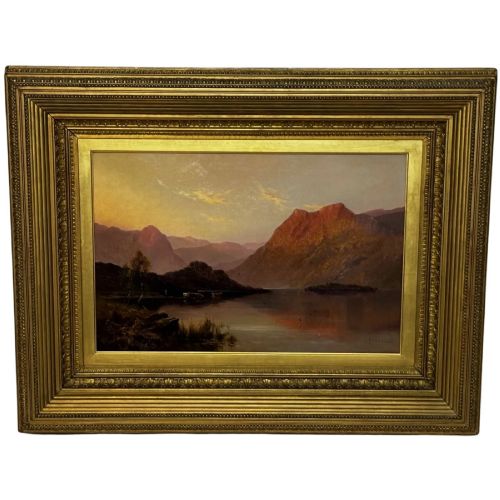
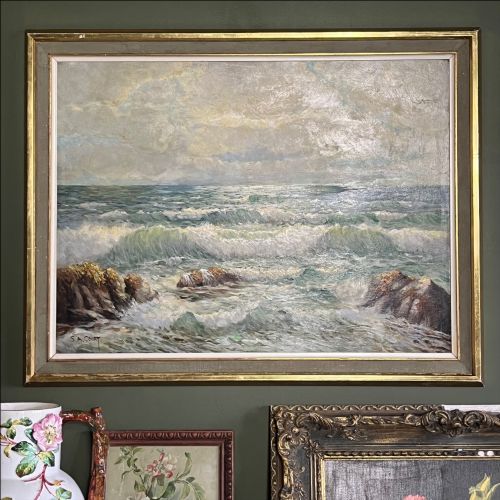
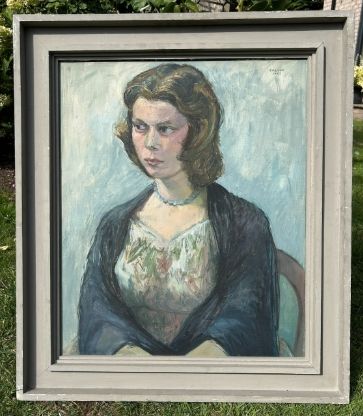
A signed british oil painting carries the unmistakable touch of the artist's hand, offering a direct connection to historic landscapes, portraits, and coastal scenes.
Signed British Oil Painting
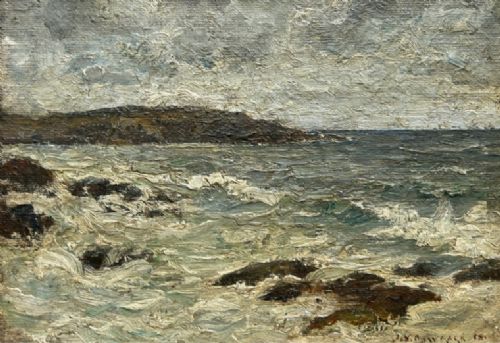
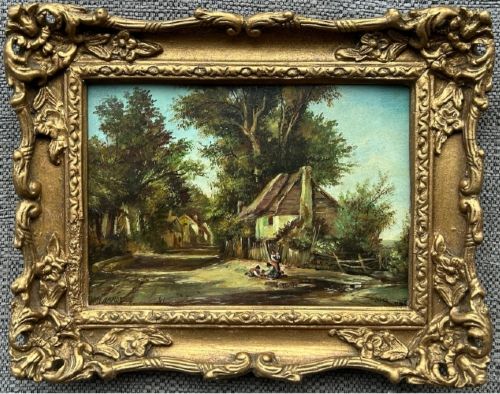
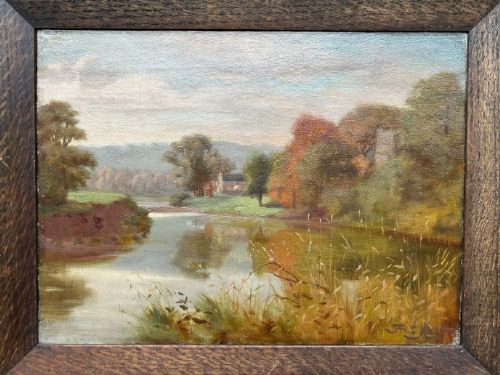
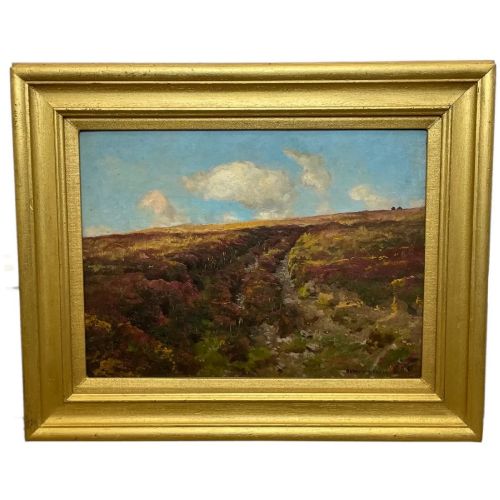
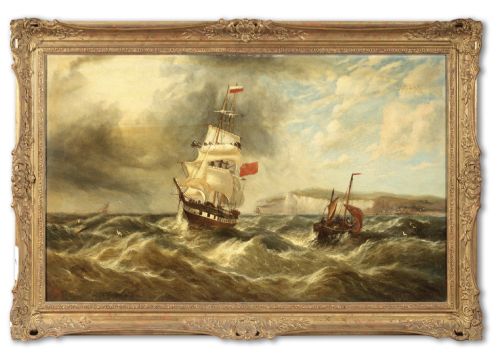
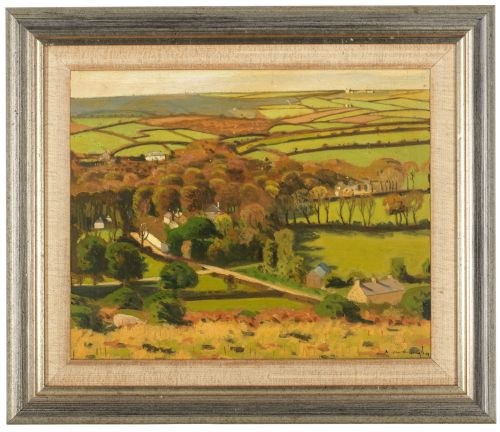
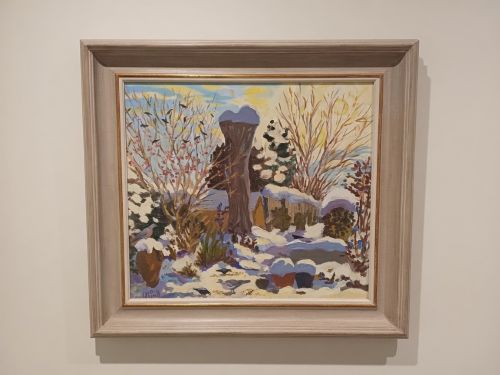
When searching for a signed british oil painting, collectors encounter a diverse range of works spanning from the nineteenth century through the mid-twentieth century. The subjects commonly feature rolling countryside, dramatic coastal views, rural farming scenes, maritime vessels, and intimate portraits created by regional artists and academy members alike. Works appear on various supports, including traditional stretched canvas, wooden panels, and sturdy boards.
The selection ranges from detailed Victorian and Edwardian landscapes to expressive mid-century depictions of industrial scenes and coastal harbours. Many pieces retain their original character through period frames and legible signatures, monogrammes, or historic inscriptions left by the painter. Buyers frequently find works tied to specific regions such as Yorkshire, Cornwall, Scotland, and Wales.
Whether exploring early nineteenth-century portrayals of moonlight over rivers or post-war industrial streetscapes, these artworks document changing artistic movements across Britain. The presence of a signature often anchors the piece to a documented career, linking the canvas to the exhibition rooms and studios of its period.
Materials and Techniques
Painters utilised high-grade oil paints composed of pigments suspended in drying oils, layered onto prepared grounds of canvas, wood panel, or board. This medium allowed artists to build rich textures, from smooth, blended glazes in late-nineteenth-century pastoral scenes to thick, expressive impasto strokes seen in later coastal and rural works.
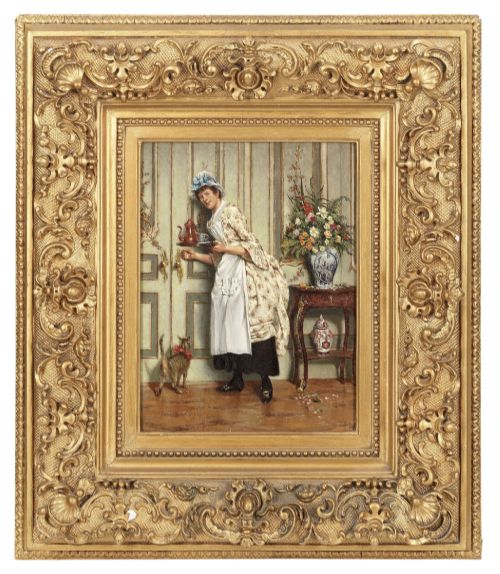
Supports were carefully prepared before painting began, with wooden panels providing a rigid foundation and woven canvases offering flexibility and texture under brush and palette knife work. Many of these historical works are housed in period giltwood or wooden frames that complement the depth and tone of the oil pigments.
Several canvases capture cows, sheep, and even a smart green 1919 motorcar pausing patiently within traditional British landscapes.
Evaluating Quality and Execution
Quality in these works rests upon the confidence of the brushwork, the handling of natural light, and the compositional balance achieved across the surface. Superior examples demonstrate a secure grasp of perspective and atmospheric depth, whether capturing the rough seas of a maritime view or the quiet stillness of a woodland interior.
The distinction between standard works and exceptional pieces often lies in the sensitivity of the colour palette and the artist's ability to render light and texture convincingly. Finer paintings exhibit deliberate, purposeful application of pigment rather than mechanical repetition, showing distinct personality within the conventions of their school.
Tom Campbell·Arthur Wardle·Edgar Hunt·John Emms·Owen Bowen
The Signed British Oil Painting Glossary
- Impasto
- Paint applied thickly to a canvas or board, standing out in relief from the surface so that the marks of the brush or palette knife remain visible. This technique adds tactile dimension and captures light dynamically.
- En plein air
- The practice of painting outdoors to capture direct observations of natural light, weather, and landscape. Artists working this way often completed pieces in a single session.
- Provenance
- The documented history of ownership surrounding an artwork, which can include exhibition labels, gallery stamps, or signatures. Clear lineage helps confirm an artist's attribution.
- British School
- A term used to classify works created by artists active in Britain whose specific individual identities remain unrecorded or indistinctly signed. These pieces reflect prevailing regional styles of their era.
Signed British Oil Painting: Frequently Asked Questions
How can I identify an indistinct signature?
Examining the surrounding brushwork, stylistic markers, and the period characteristics of the canvas or board often provides helpful context for comparison against known regional painters.
Consulting artist registries and gallery records from the relevant decade can also assist in matching handwriting or monograms to recorded British artists.
What framing is appropriate for these paintings?
Period giltwood or simple wooden frames matching the era of the artwork tend to complement the aesthetic without overwhelming the composition.
Original frames that have aged alongside the canvas frequently enhance the historical integrity of the piece.
How should I care for an oil painting on board?
Displaying the work away from direct sunlight and maintaining stable indoor humidity protects both the wooden support and the oil pigments from cracking.
Avoiding harsh chemical cleaners and dusting gently with a soft, dry brush preserves the integrity of the paint surface over time.
What distinguishes canvas from panel supports?
Canvas provides a woven texture that absorbs light differently and allows for subtle blending, whereas wood panels offer a completely rigid surface favored for detailed work.
Both supports were widely used across different centuries, depending on the artist's preference and the intended scale of the scene.