




Signed Artwork
Signed antique artwork brings together authentic works carrying the personal mark of nineteenth and early twentieth century painters and illustrators.
Signed Artwork
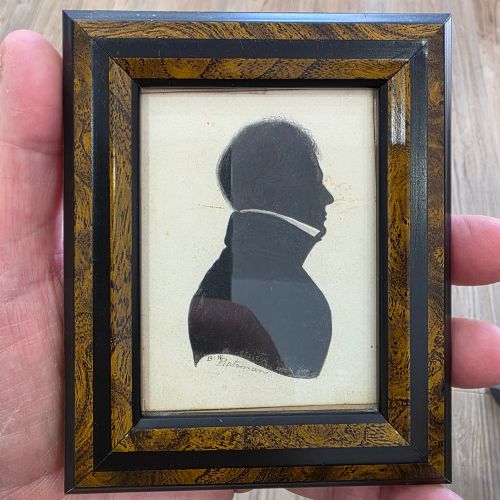
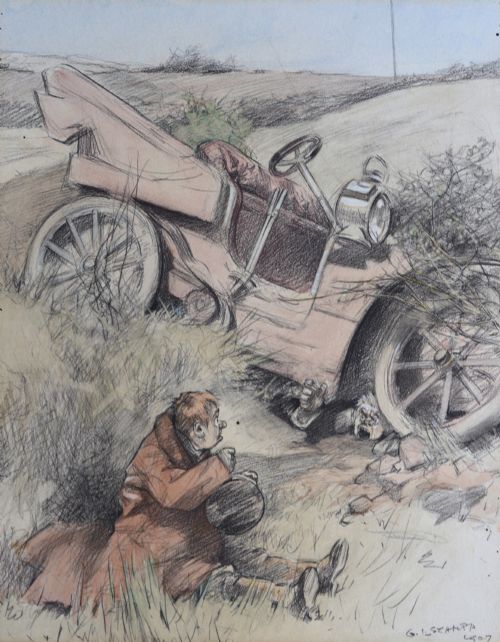
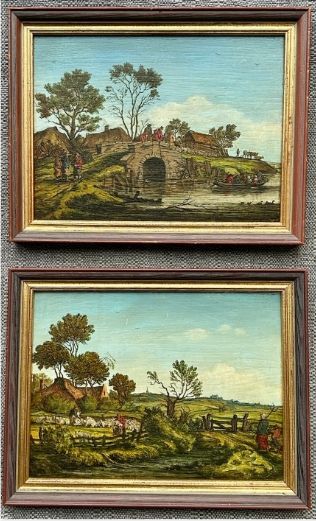
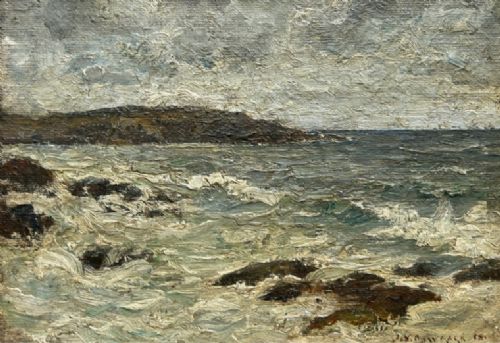
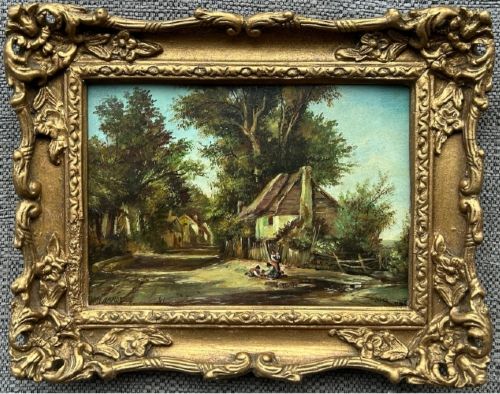
Signed antique artwork comprises original paintings, watercolours, drawings, and etchings created across the Victorian and Edwardian eras up to the mid twentieth century. Buyers seeking signed antique artwork will encounter framed landscapes, maritime scenes, portraits, and still lifes bearing artist signatures, monograms, or inscriptions.
The pieces on this page span British, European, and international schools, featuring works executed on canvas, paper, wood panels, and silk. Many examples retain their original Victorian or Edwardian frames, offering a complete historical package for the collector.
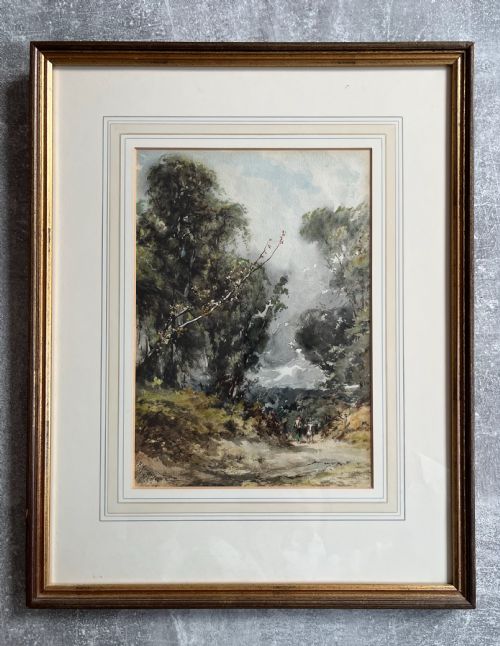
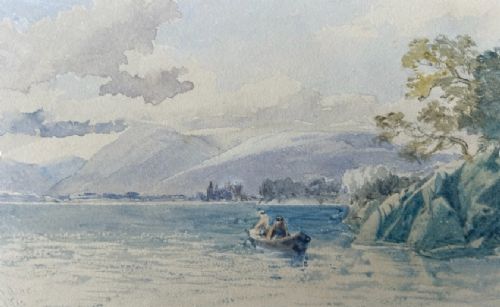
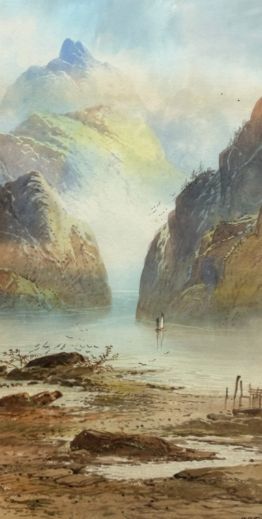
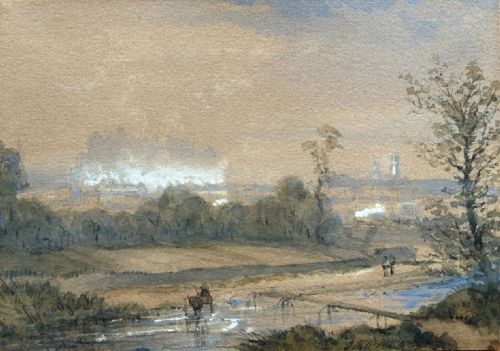
Watercolours and oil paintings dominate the selection, ranging from detailed topographical views of Scottish lochs and Welsh rivers to impressionist coastal scenes and intimate domestic interiors. Each piece provides a direct link to the hand of the maker through verifiable signatures and period framing.
How they were made
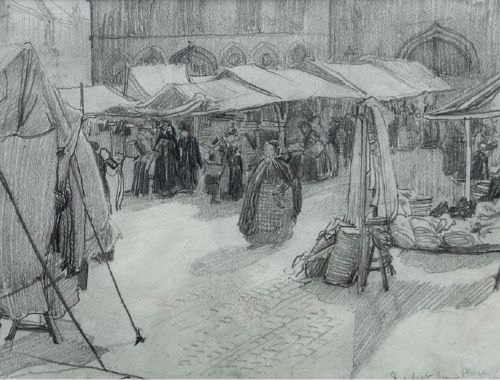
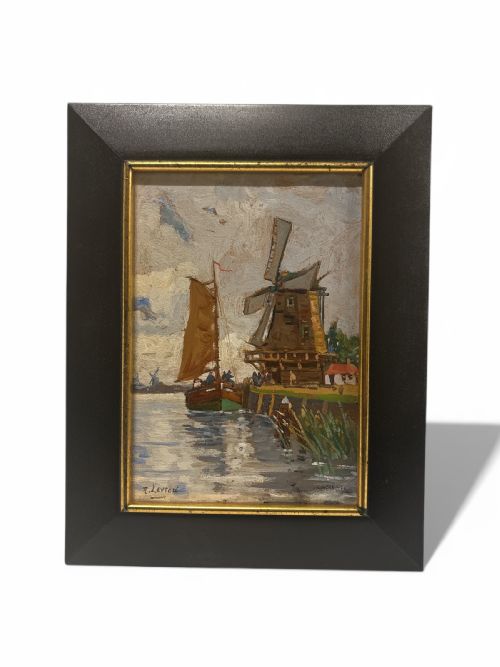
Artists of these periods worked primarily with oil paint on canvas or wood panels, and watercolour or ink on paper, applying pigments by hand with brushes and pens. Oil paintings often utilised impasto techniques to build texture, while watercolours relied on transparent washes layered over textured paper stock.
Frames formed an integral part of the finished piece, constructed from wood and finished with moulded gesso, often gilded to complement the imagery within. Works on paper were typically mounted behind glass within card surrounds and wood frames to protect the delicate media from environmental damage.
Listings feature works across paper, canvas, wood panels, and silk, originating from British, French, Flemish, and Chinese schools.
What varies in quality
Quality in signed antique artwork rests upon the skill of the draughtsmanship, the handled execution of the medium, and the preservation of the surface. Masterly handling of light in oil or fluid transparency in watercolour distinguishes superior compositions from routine topographical records.
The integrity of the physical support and the originality of the frame also influence worth. Works retaining their period gilt gesso frames and clean, stable paint surfaces without excessive restoration sit at the higher end of the range.
Thomas Miles Richardson Jnr·James Orrock·William Henry Earp·Frederick Marriott·Sir William Nicholson
The Signed Artwork Glossary
- Monogram
- A motif made by overlapping or combining two or more letters to form a single symbol used by an artist instead of a full signature. These appear frequently on nineteenth-century watercolours and oils.
- Impasto
- The process of applying paint thickly on a canvas so that it stands out from the surface. This technique leaves visible brush or palette knife strokes that catch the light.
- Gesso
- A paint mixture consisting of a binder mixed with chalk, gypsum, or pigment used to prepare wood or canvas surfaces. It is also moulded to create decorative relief patterns on antique frames.
- Etching
- A printmaking method where lines are incised into a metal plate covered with a protective ground using acid. The resulting plate is inked and pressed onto paper to produce fine-lined artworks.
- Provenance
- The chronological history of the ownership of a piece, establishing its authenticity and origin. Documentation often accompanies higher-value works to trace their exhibition history.
Signed Artwork: Frequently Asked Questions
How do I verify a signature?
Comparing the visible signature against known examples by the same artist found in auction records or artist directories offers the most reliable method of verification. Examining the ink or paint medium under magnification helps confirm that the signature is contemporary with the rest of the work.
Signatures should match the period materials used in the creation of the piece. Faded inscriptions or monograms integrated naturally into the composition generally indicate genuine period application.
Are original frames important?
Original frames contribute significantly to the historical integrity and visual harmony of antique artwork. A period gilt gesso frame shows that the piece has remained undisturbed and cared for over generations.
Replacement frames are common due to nineteenth-century damage or changing interior tastes. While period-appropriate frames are acceptable, matching the exact decade of the artwork adds to its completeness.
How should I hang watercolour paintings?
Watercolours require careful placement away from direct sunlight to prevent the fugitive pigments from fading. Natural light damages paper fibres and washes out delicate tones over time.
Maintaining stable indoor humidity levels protects the paper support and prevents the wooden frame from warping. Acid-free backing boards inside the frame also stop chemical discolouration of the paper.
What is the difference between oil and watercolour?
Oil paintings utilise pigment suspended in drying oils applied to canvas or wood panels, allowing for rich textures and deep colour saturation. They proved durable and suited larger landscapes and portraits.
Watercolours use water-soluble pigments on paper, creating luminous, transparent effects favoured for topographical studies and atmospheric weather scenes. They require glass protection against dust and moisture.