


Seventeenth Century Oil Portrait
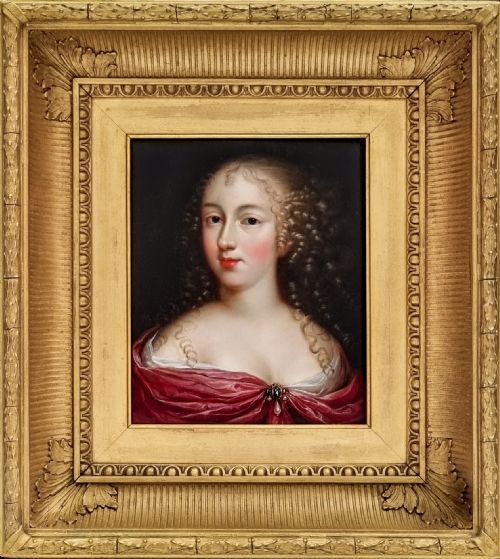
A seventeenth century oil portrait captures aristocratic sitters, military officers, and clergymen in rich Dutch, British, and Flemish styles.
Seventeenth Century Oil Portrait
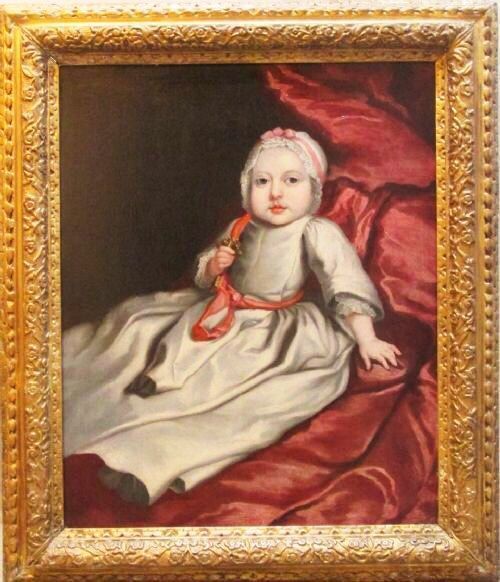
A seventeenth century oil portrait depicts historical figures, nobility, and ordinary citizens rendered through the lens of Baroque and Dutch Golden Age aesthetics.
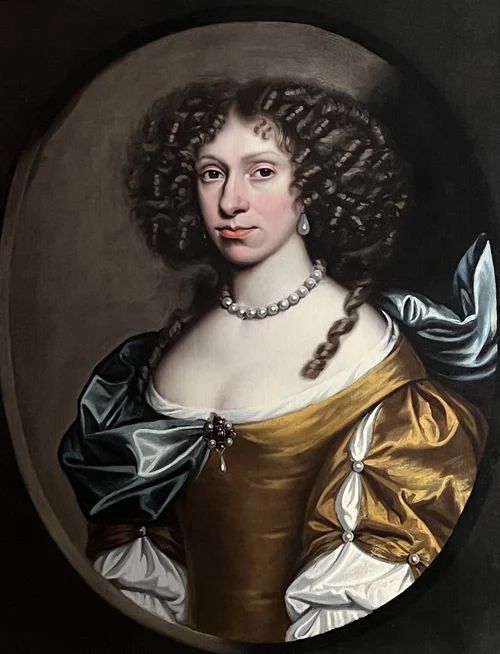
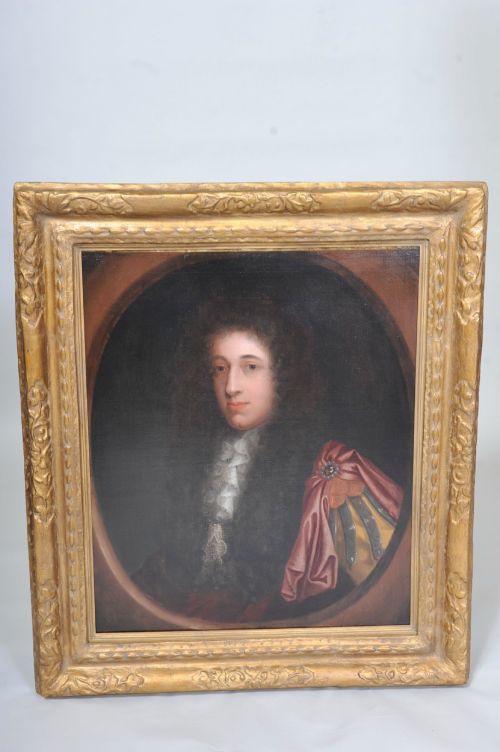
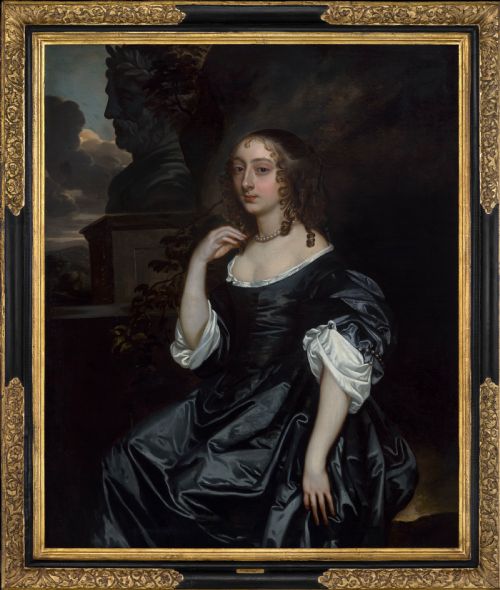
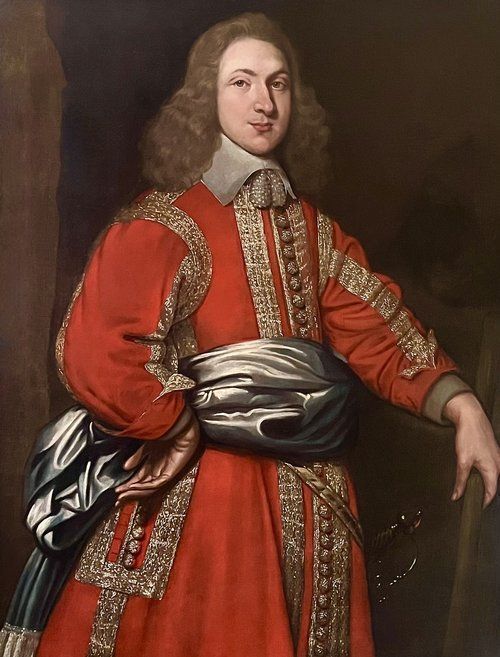
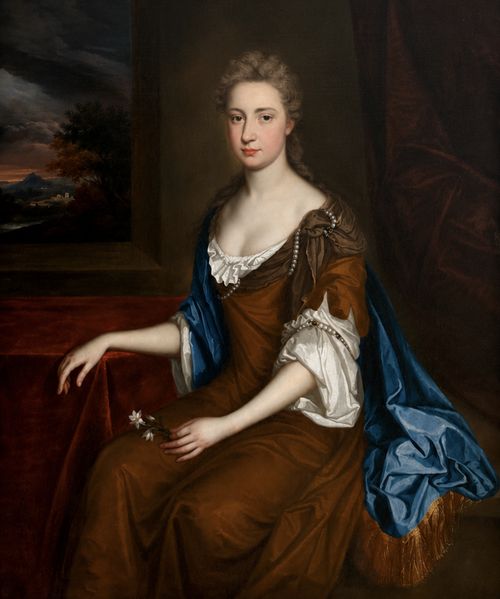
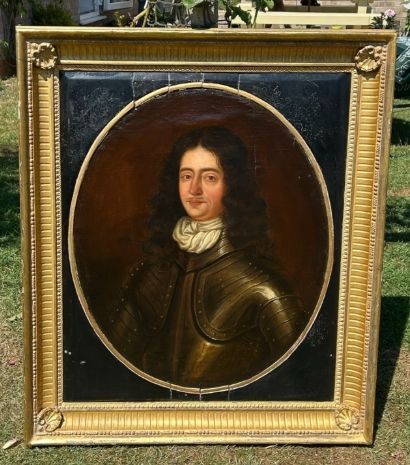
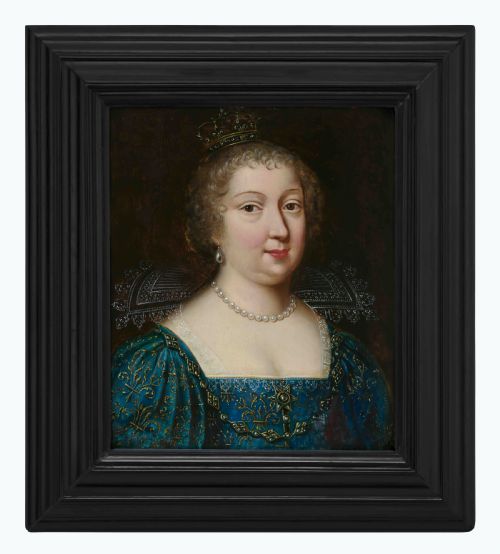
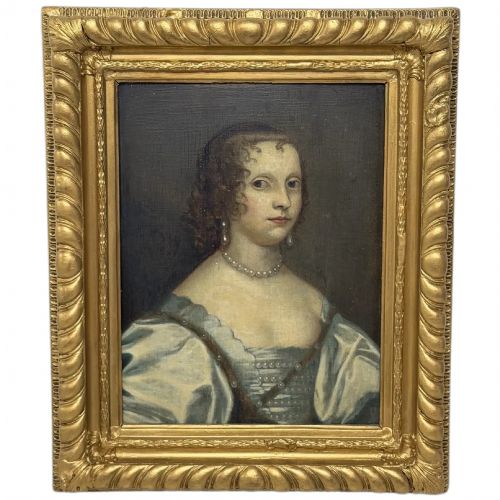
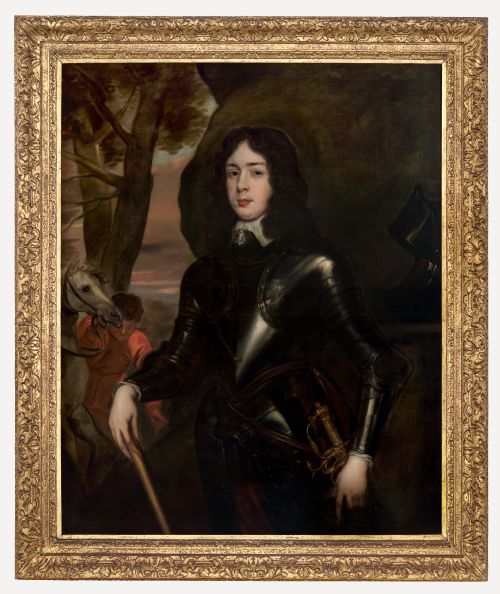
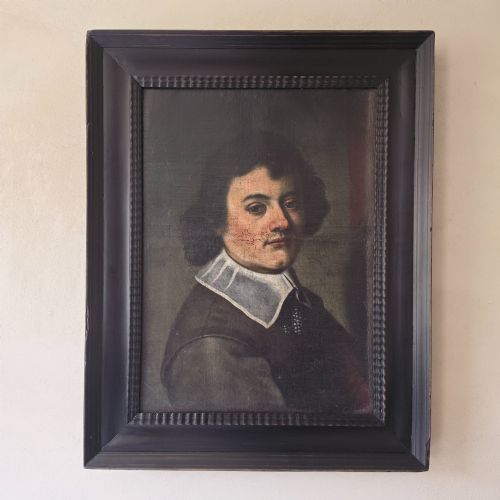
The most frequent examples encountered on this page include depictions of gentlemen, military officers in red coats or armour, and titled ladies adorned with pearls.
Works originate from various European schools, ranging from Anglo-Dutch workshops to French Baroque circles.
Materials and Techniques
Artists painted primarily with oil on canvas or oak panel, utilising rich pigments applied with traditional brushwork techniques.
Frames frequently consist of carved timber adorned with gold leaf and giltwood, complementing the dark, moody palettes typical of the period.
Several portraits preserve the haughty gaze of individuals who likely complained bitterly about sitting still for hours.
Assessing Artistic Merit
Quality rests upon the subtlety of facial modelling, the expressive handling of fabric textures like silk and lace, and the integrity of the original paint layer.
Pieces executed by master studio hands or named circle members generally display superior anatomical accuracy and psychological depth compared to later copies.
David Scougall·Sir Peter Lely·Michael Dahl·Nicolaes Maes·Pieter Nason·Sir Anthony van Dyck·Adriaen Hanneman
The Seventeenth Century Oil Portrait Glossary
- Baroque
- An artistic style originating around sixteen hundred, characterised by dramatic lighting, deep shadows, and dynamic movement. It dominated European painting for over a century.
- Oil on Canvas
- A traditional medium where ground pigments are bound in drying oils and applied to a stretched woven fabric support. This method allowed for rich blending and textured brushwork.
- Giltwood
- Timber that has been coated with a thin layer of gold leaf or powder. It provides ornate framing for historic canvases.
- Old Master
- A term for a European artist of high skill working before eighteen hundred. These painters set the standards for portraiture and narrative art.
- Panel Painting
- A flat wooden support, often oak, used as a painting surface prior to the widespread adoption of canvas. It provides a rigid base for detailed portraiture.
Seventeenth Century Oil Portrait: Frequently Asked Questions
How do I identify a seventeenth century oil portrait?
Examine the costume, wig style, and lace collars worn by the sitter, which follow strict historical periods between sixteen hundred and seventeen hundred.
Material analysis of the canvas and underlying timber stretcher also helps confirm age alongside stylistic traits.
What subjects appear in these portraits?
Sitters include monarchs, military officers, clergymen, and aristocratic ladies, often painted to record status and lineage.
Some works depict historical or literary figures after famous compositions by masters like Rembrandt or Van Dyck.
How should I care for an old master painting?
Keep the canvas away from direct sunlight, high humidity, and extreme temperature fluctuations to prevent cracking in the oil paint.
Dust the surface gently with a soft, dry brush and avoid using liquid cleaners on the fragile pigment.
What is the difference between an original and a studio copy?
An original painting comes directly from the master's hand, while studio pieces were produced by assistants under the artist's supervision.
Both hold historical significance, though primary works by known painters command greater art historical interest.