
Antique Religious Portrait
An antique religious portrait brings centuries of devotion, masterly oil technique, and sacred iconography into a domestic interior.
Antique Religious Portrait
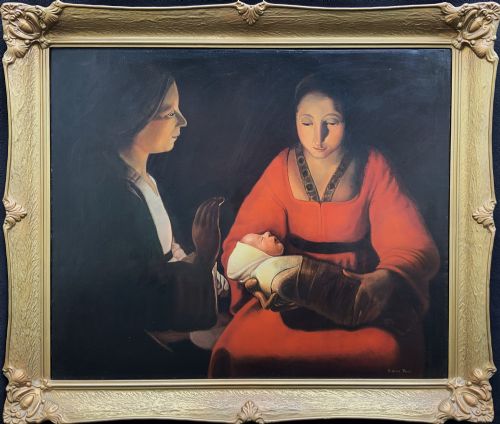
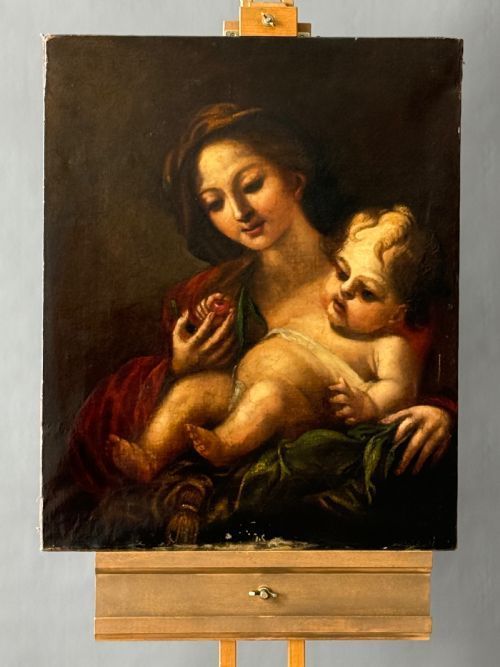
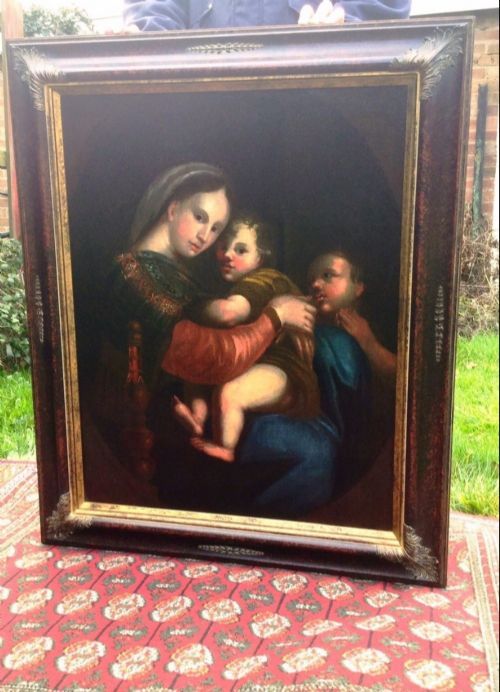
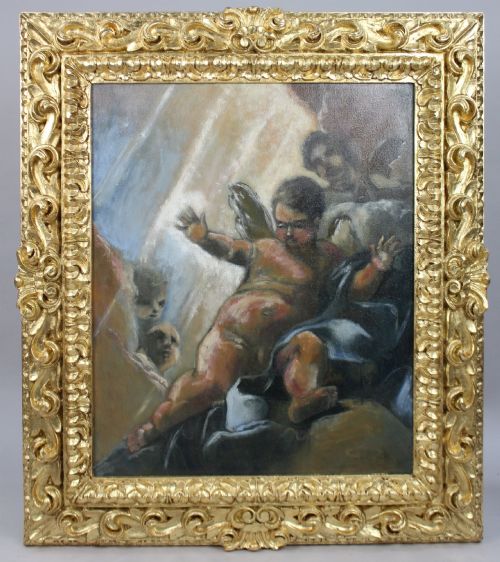
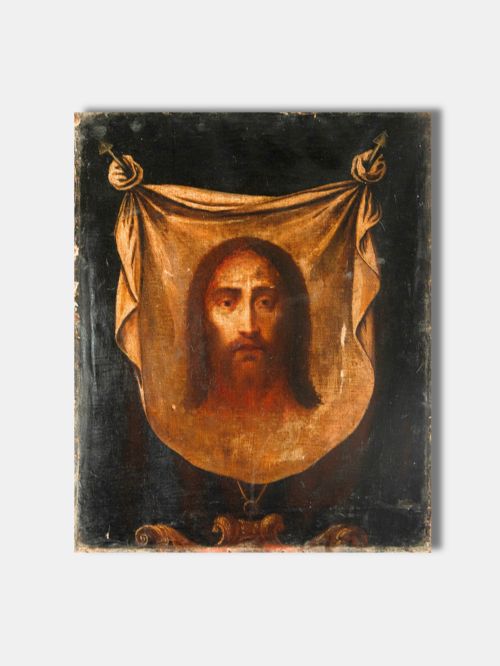
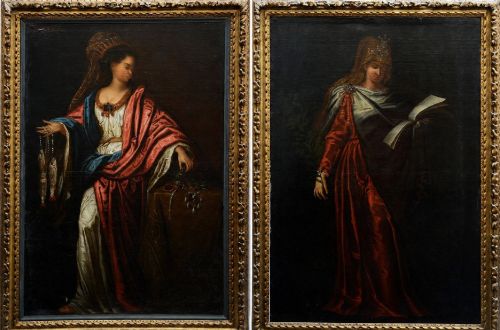
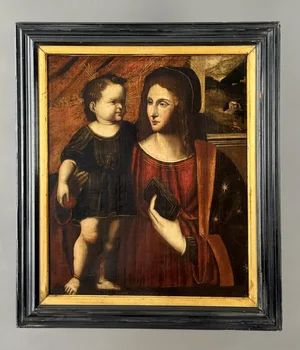
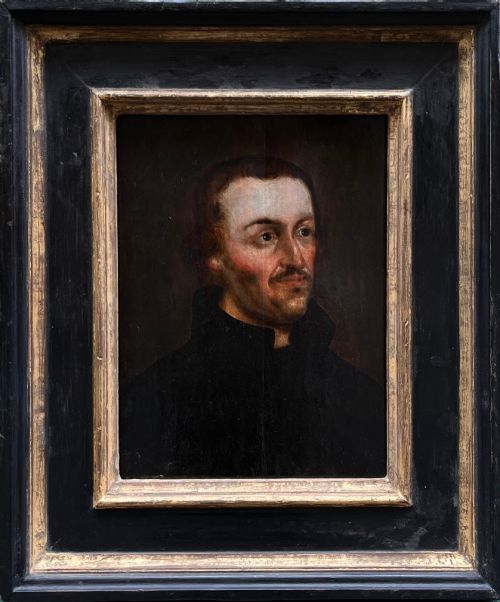
An antique religious portrait represents holy figures, saints, and biblical narratives rendered primarily through European painting traditions. These works span from the intense chiaroscuro of the seventeenth century to restrained nineteenth-century interpretations of Renaissance compositions.
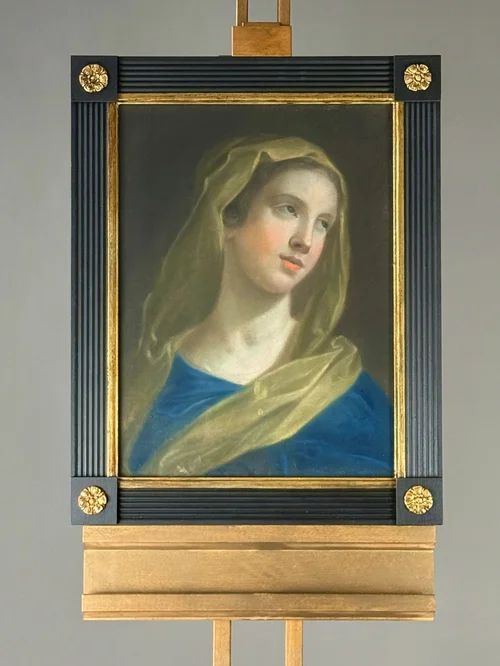
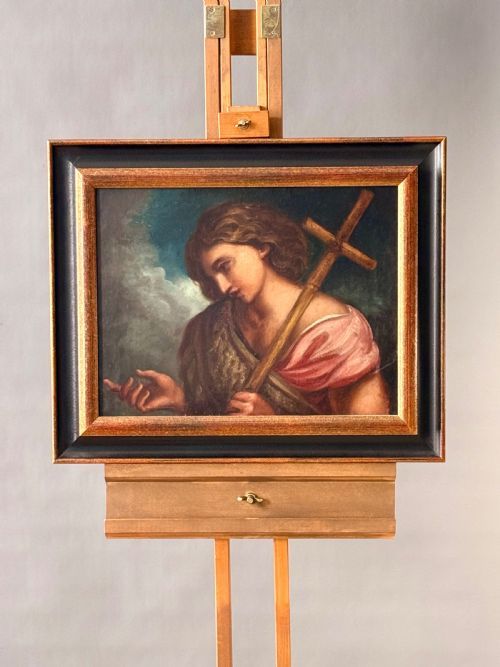
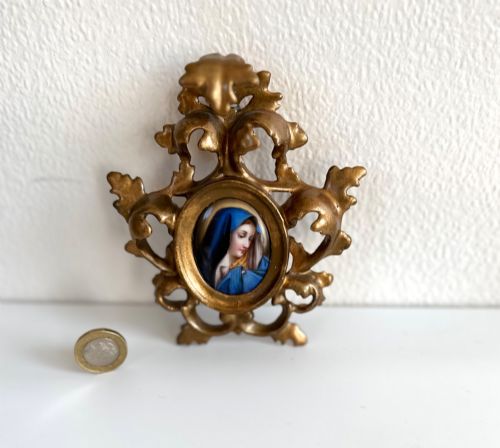
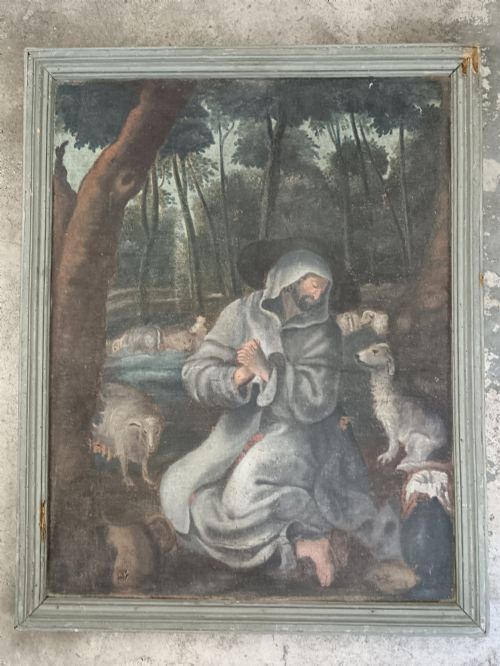
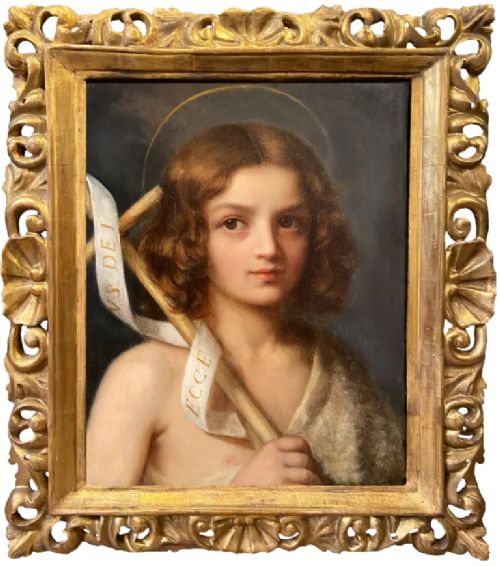
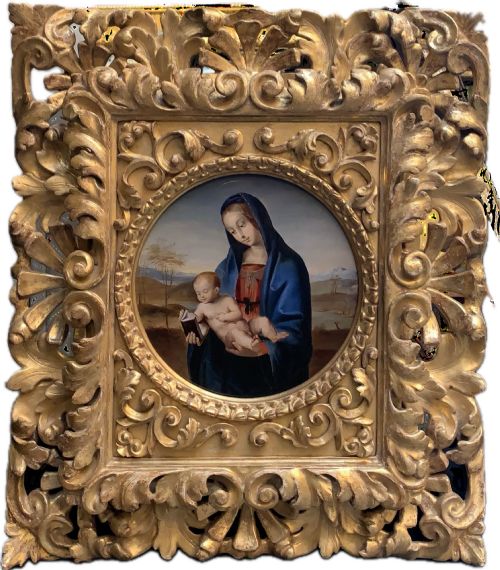
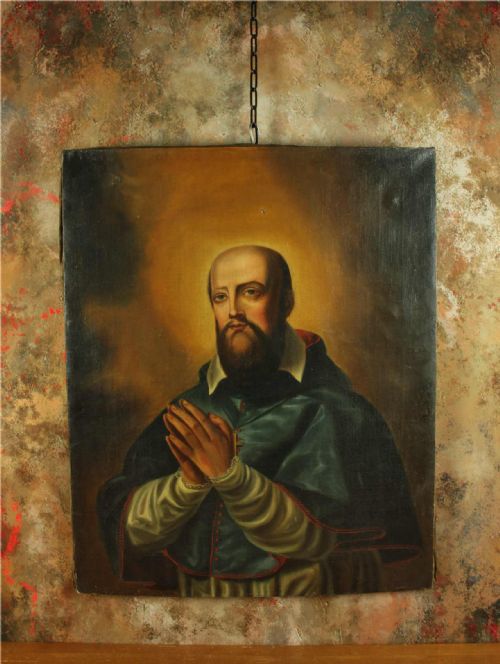
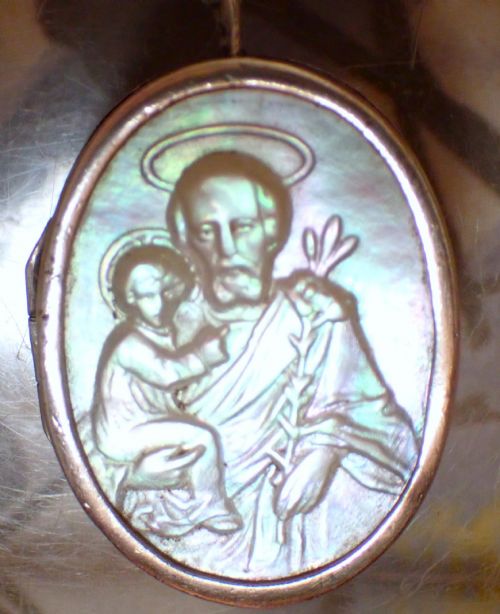
Buyers will encounter oil on canvas paintings most frequently on this page, accompanied by occasional pastels, miniatures, and carved wooden or ceramic figures. Subjects range from the Madonna and Child to individual depictions of saints such as John the Baptist and Francis of Assisi.
What Varies in Quality
Quality rests in the expressive power of the brushwork and the anatomical confidence of the execution, distinguishing studio output from hurried provincial copies. Masterful handling of light and shadow, particularly in seventeenth-century Spanish and Italian canvases, creates depth and emotional resonance.
The integrity of the original support and the survival of period frames also determine the distinction of a piece, as alterations and overpainting diminish the historical value of devotional artworks.
St Francis appears alongside a penitent Mary Magdalene and a small dog in the company of saints.
Benedetto Luti·Miguel Barroso·Francesco Solimena·George Minne
The Antique Religious Portrait Glossary
- Pentimento
- A visible trace of earlier painting beneath the surface layer, showing where the artist changed their mind during composition. These alterations offer genuine proof of the hand of a period painter at work.
- Chiaro-scuro
- An Italian artistic term describing the strong contrast between light and dark to give subjects volume and dramatic tension. This technique defines seventeenth-century religious canvases.
- Oleograph
- A mechanical colour lithograph textured to imitate an oil painting on canvas. These reproductions appeared widely in the nineteenth century for domestic devotional display.
- Limoges enamel
- Glass fused to a metal plate through firing, creating durable devotional plaques with rich colour. Master craftsmen in France perfected this miniature technique for sacred imagery.
- Giltwood
- Wood carved and coated with a thin layer of gold leaf or gold paint. Frames utilising this finish elevated sacred portraits within churches and private chapels.
Antique Religious Portrait: Frequently Asked Questions
How do I date an antique religious portrait?
Dating relies on stylistic clues, the preparation of the canvas, and the construction of the wooden stretcher or frame. Seventeenth and eighteenth-century works typically display hand-planed timbers and organic crackleur in the oil paint.
Nineteenth-century examples often incorporate machine-woven canvas supports and standardised framing techniques. Examining historical pigment use and stretcher construction provides further confirmation of the period.
Were these portraits made for churches?
Many large oil paintings originated in ecclesiastical settings, serving as altarpieces or focal points for communal worship. Smaller works were commissioned for private devotion in domestic spaces.
Miniatures and framed panels allowed individuals to carry or display personal piety within the home. This dual origin explains the wide variation in scale found across surviving religious artworks.
What is an Old Master painting?
An Old Master is a highly skilled European artist who worked before the nineteenth century, or a painting created by such a hand. These works often reflect regional school traditions, such as the Italian or Spanish Baroque.
Attributions in listings frequently reference a circle or follower when the exact authorship remains unrecorded. This terminology acknowledges the influence of major masters upon contemporary workshop painters.
How should I care for an oil on canvas?
Oil paintings require stable environmental conditions away from direct sunlight and excessive humidity. Preventing drastic temperature shifts protects the canvas and paint layers from cracking.
Dust should be removed gently with a soft, dry brush without applying moisture or cleaning solutions. Professional conservation is recommended for any structural repairs to the canvas or giltwood frame.