




Catholic Devotional Art
Catholic devotional art encompasses centuries of sacred objects, from oil paintings to carved figures, created to aid private and public prayer.
Catholic Devotional Art
Catholic devotional art spans oil paintings, carved wood sculptures, and gold pendants created across the sixteenth to twentieth centuries. These pieces encompass regional traditions from Italy, France, and Spain, reflecting distinct stylistic movements like Spanish Baroque, Gothic Revival, and Art Nouveau.
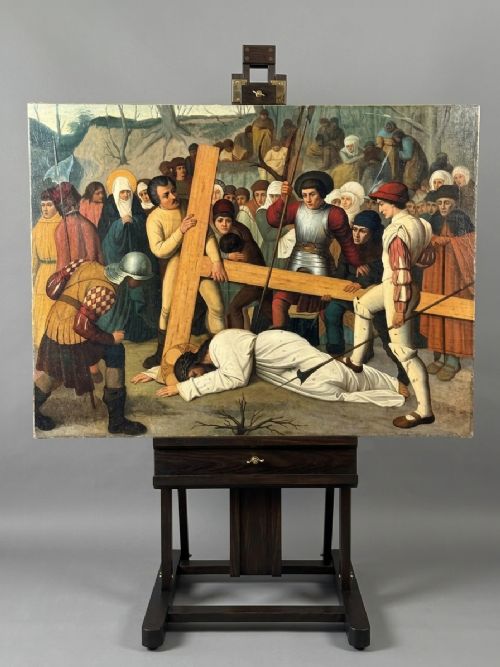
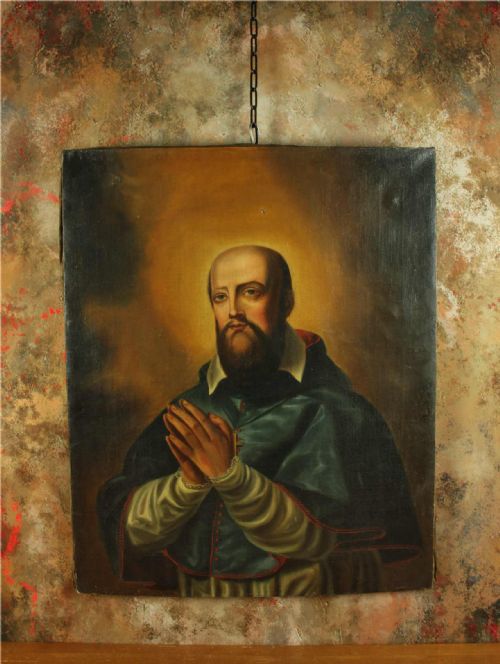
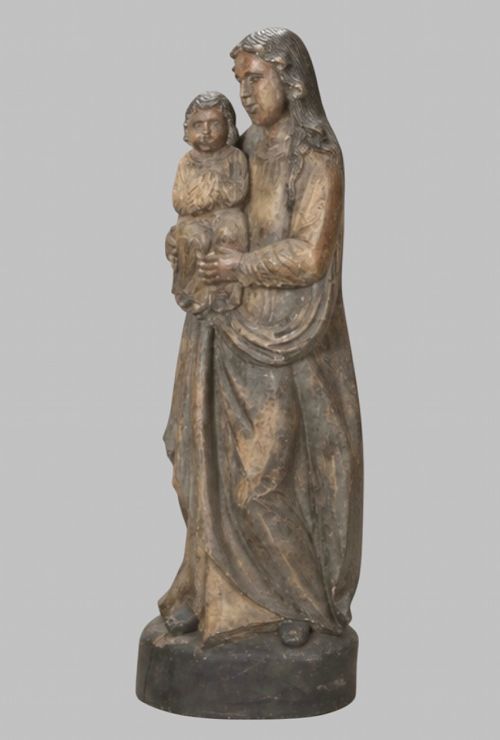
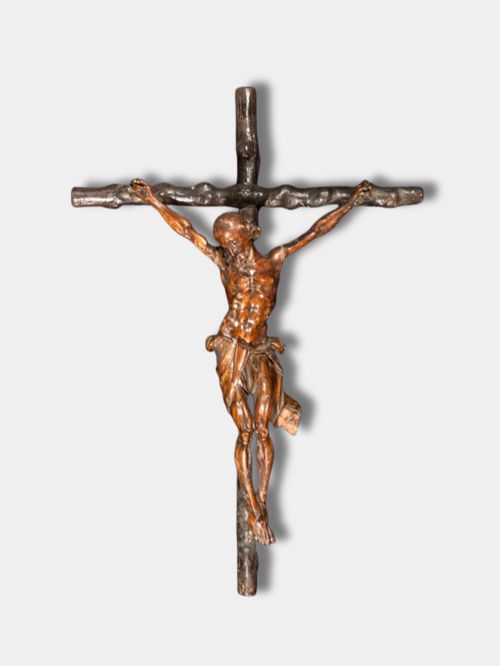
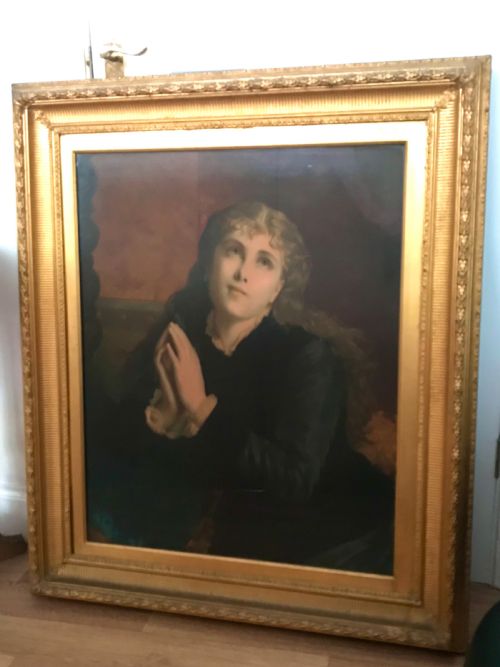
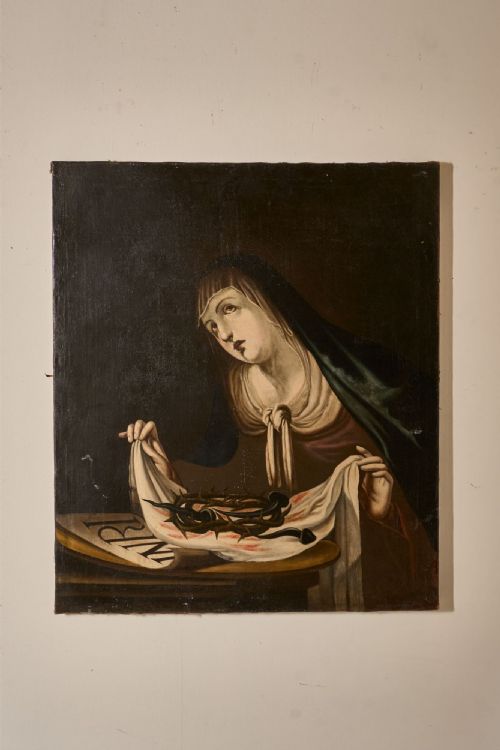
Oil paintings on canvas dominate the selection, portraying subjects such as the Virgin and Child, Saint Francis, and the Passion of Christ. Sculptural works range from carved wooden statues of saints to miniature gold medals and charms depicting sacred figures.
How They Were Made
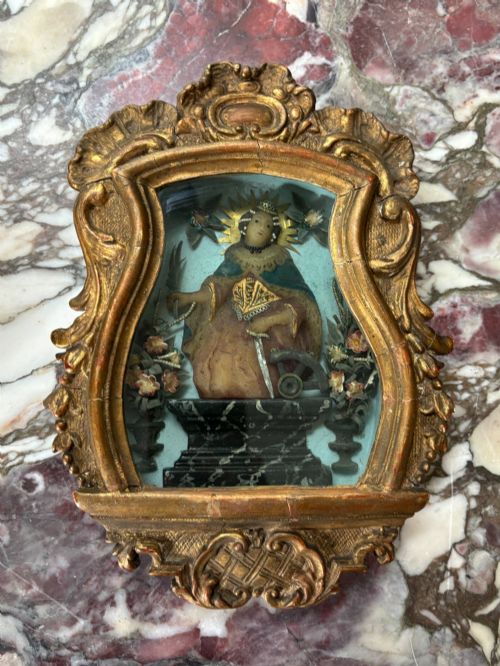
Painters utilised oil on canvas, sometimes applying gold leaf or framing pieces under glass for protection. Sculptures and devotional figures rely on carved wood, occasionally featuring polychrome finishes to add colour and realism to vestments and flesh tones.
Jewellery and pendants incorporate eighteen-carat yellow gold, enamel work such as plique-à-jour, and delicate embellishments like pearls and diamonds. Miniatures and medals demonstrate precision metalwork and relief casting from workshops across Europe.
Listings span eight distinct periods, reaching from the sixteenth century through the early twentieth century, with nineteenth-century pieces appearing most frequently.
What Varies in Quality
The distinction between standard devotional items and exceptional pieces rests in the execution of the hand, particularly in facial expressions and anatomical proportion. Works attributed to named artists, studio followers, or specific regional schools display superior draughtsmanship and paint handling.
Material richness also dictates standard versus finer tiers, separating simple folk art wooden statues from intricate gold pendants set with precious stones or complex enamel work. Preservation of original surfaces, frames, and polychrome pigments significantly influences the integrity of each piece.
Jozef Jansessens·Bernardino Luini·Emile Monier·Emile Dropsy·Costantino Frixione·Raffaello Sanzio Da Urbino·Gaspar de Figueroa·Arnault
The Catholic Devotional Art Glossary
- Corpus Christi
- The body of Christ depicted on a crucifix. This term specifically refers to the sculptural figure of Jesus separate from or mounted upon a cross.
- Ex-voto
- A votive offering given to a saint or divinity in fulfilment of a vow. These objects often take the form of painted panels or metal plaques expressing gratitude for healing or divine intervention.
- Plique-a-jour
- A vitreous enamelling technique where the enamel is applied in cells without a backing, allowing light to shine through the transparent or translucent material similar to stained glass.
- Polychromed
- Painted in several colours. This term describes wooden sculptures and home altars decorated with layered pigments and metallic leaf.
- Santos
- A carved wooden figure representing a saint or holy person. These statues frequently appear in Spanish and colonial traditions.
Catholic Devotional Art: Frequently Asked Questions
What is catholic devotional art?
Catholic devotional art includes paintings, sculptures, and small personal items created to facilitate prayer and religious contemplation. These works range from large canvas portraits of saints to miniature gold pendants.
Objects often depict biblical narratives or figures like the Virgin Mary and Christ, serving spiritual functions within homes and private chapels.
How do I date an antique painting?
Dating relies on examining the canvas preparation, pigment composition, stretching methods, and framing styles typical of specific centuries. Stylistic indicators, such as Renaissance or Baroque characteristics, also provide clues.
Signatures, inscriptions, and historical attribution records help narrow the decade or workshop origin of the piece.
How were devotional pendants worn?
Devotional pendants and medals were typically worn around the neck on chains as personal expressions of faith and protection. Smaller gold charms were also attached to bracelets or kept in pocket shrines.
These personal items often commemorated specific sacraments, feast days, or pilgrimage sites visited by the owner.
What is a santos figure?
A santos figure is a carved wooden representation of a divinity or saint used in domestic and church settings. Artisans frequently painted and dressed these statues in fabric garments for religious processions and home altars.
They represent central traditions in Spanish and colonial craftsmanship, varying from simple folk art to detailed sculptural works.