




Rococo Giltwood Frame
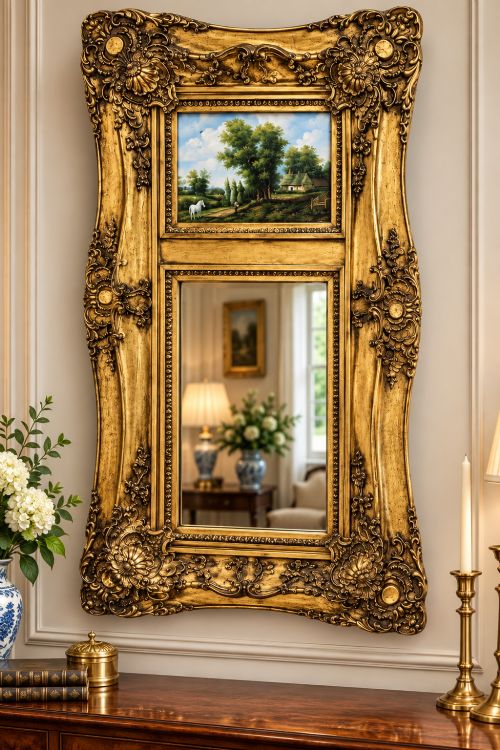
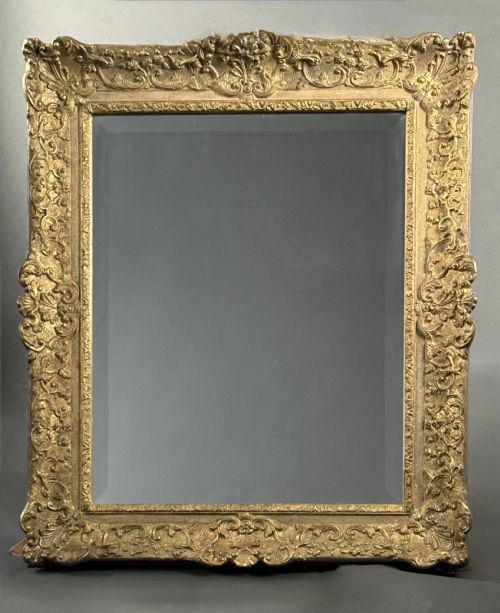
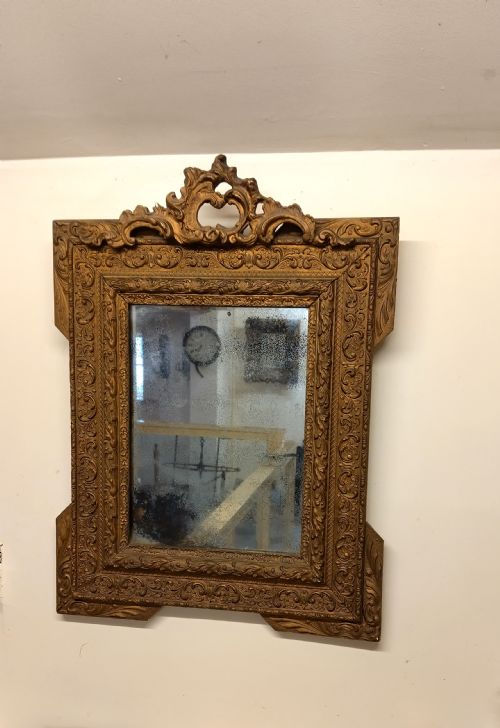
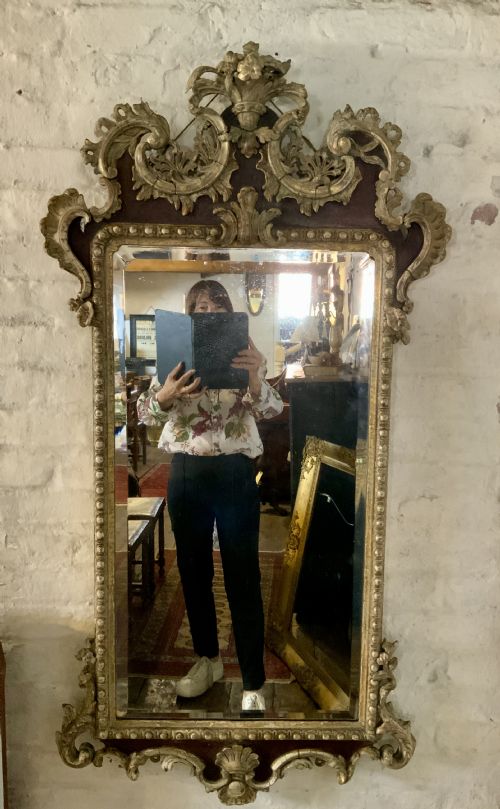
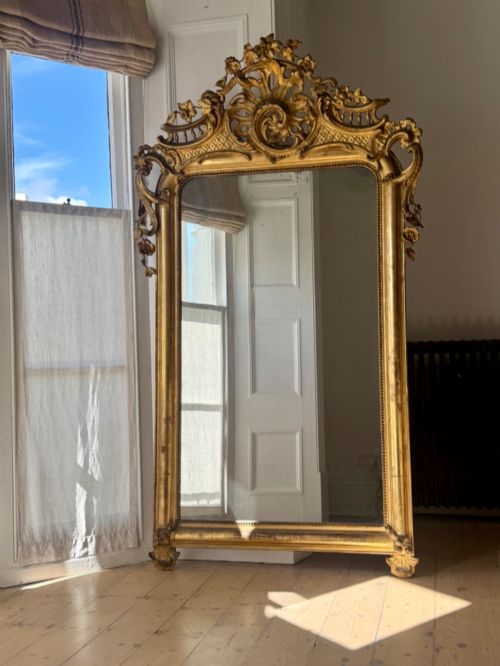
A rococo giltwood frame brings asymmetrical scrolls, naturalistic foliage and brilliant gold leaf surfaces to interiors.
Rococo Giltwood Frame
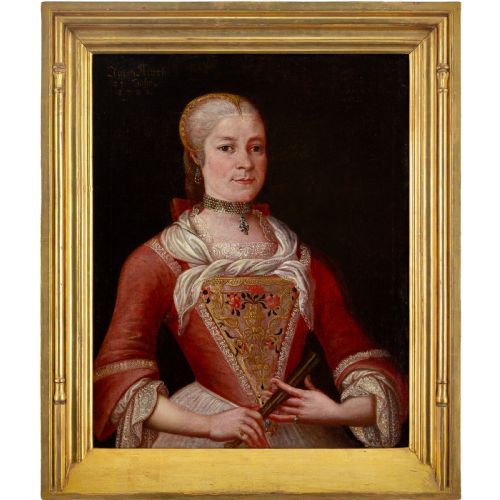
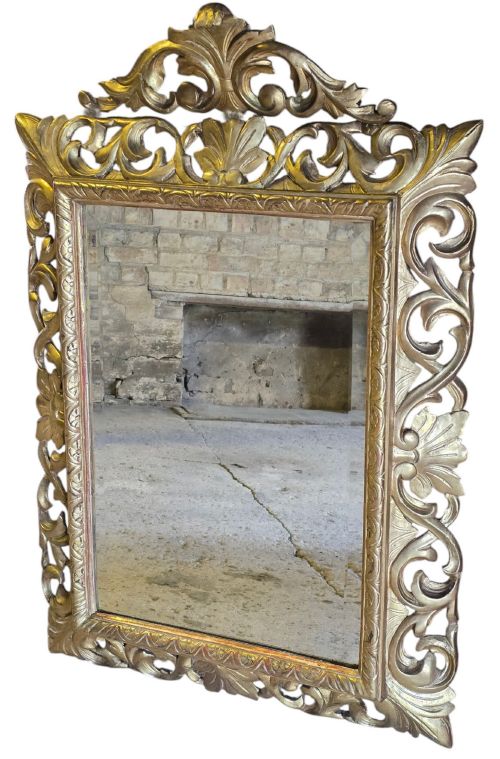
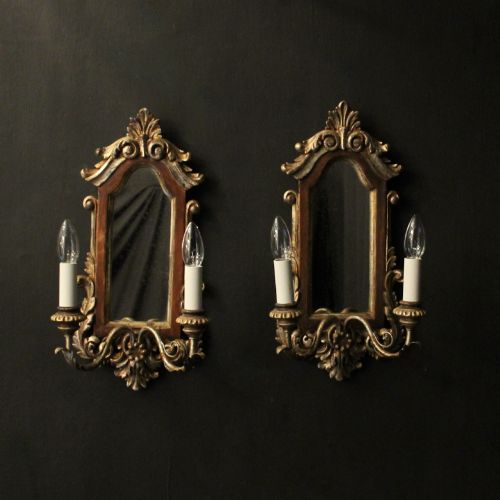
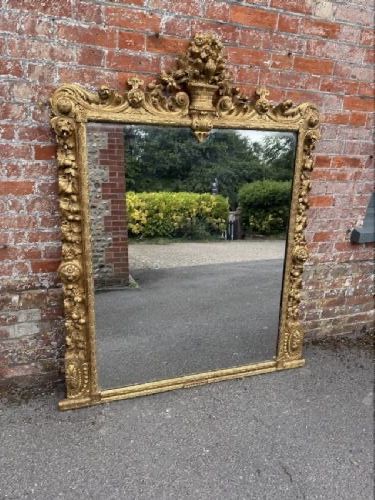
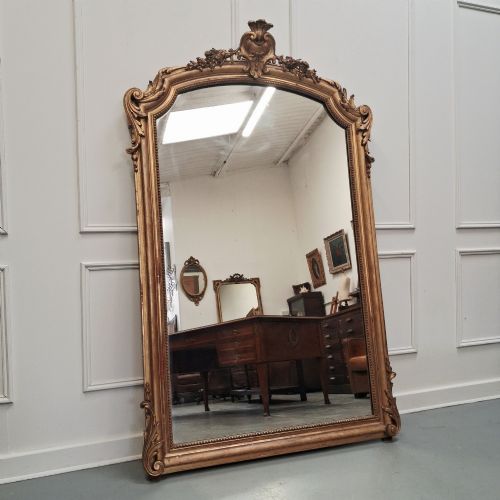
A rococo giltwood frame serves primarily as housing for mirrors, portraits, and overmantel pieces originating from the eighteenth and nineteenth centuries. The listings frequently feature grand overmantel mirrors and wall mirrors shaped by the Rococo Revival, French Chateau, and Florentine Baroque styles.
Makers and artisans constructed these objects using timber substrates, walnut, or carved wood, subsequently applying gesso and gold leaf. Surviving examples span domestic wall furniture, girandoles, and trumeau mirrors integrated with oil paintings.
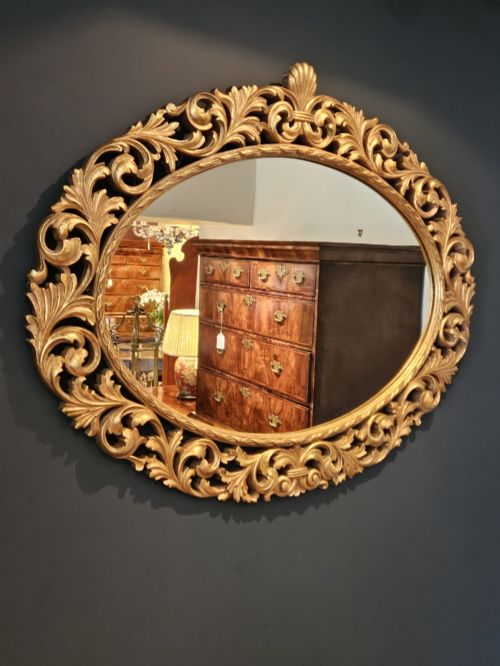
Buyers encounter French, Italian, and English interpretations that rely heavily on sweeping C-scrolls, floral motifs, and carved decorative masks. These pieces function as architectural focal points within reception rooms and above fireplaces.
How They Were Made
Carpenters carved the primary structure from timber or walnut, establishing deep mouldings and structural joints before applying surface layers. Gesso was layered over the carved wood to provide a smooth, absorbent ground for subsequent gilding.
Artisans applied thin sheets of gold leaf to the prepared gesso ground, burnishing the metal to achieve a bright metallic finish. Mercury glass or bevelled mirror plates were then fitted into the finished rebates behind protective backing papers.
Listings feature eighteenth and nineteenth century periods alongside Victorian and Edwardian revivals, utilising giltwood, gesso, walnut, and mercury glass.
What Varies in Quality
The depth and crispness of the carved ornament distinguish finer examples from standard production, as skilled carvers achieved deep undercut foliage and fluid asymmetry. Relief work cast in composition material lacks the hand-carved definition found in superior carved timber frames.
The condition and application of the original gold leaf and gesso layers dictate visual depth, with burnished highlights contrasting against matte areas. Gradations in surface wear, the presence of original mercury glass plates, and the integrity of the underlying wood joints separate workshop tiers.
Jean-Baptiste Van Loo·Maurice Quentin De La Tour·Henry Pickering·Emily Eyres
The Rococo Giltwood Frame Glossary
- Giltwood
- Wood that has been coated with gold leaf or gold powder. This surface treatment provides a brilliant reflective quality distinct from liquid metallic paint.
- Gesso
- A plaster mixture applied to wooden frames as a preparatory base for gilding. It fills grain and allows artisans to carve fine details before leaf application.
- Overmantel mirror
- A large horizontal looking glass designed to hang above a fireplace mantelpiece. These pieces often feature proportions matching the width of the hearth below.
- Mercury glass
- Double-walled glass blown with a silvering mixture containing mercury between the layers. It produces a mottled, dark reflection characteristic of older mirrors.
- Girandole
- A branched wall-mounted candleholder featuring an integrated mirror backplate. The reflective surface amplified the light cast by the candles.
Rococo Giltwood Frame: Frequently Asked Questions
How do I hang a heavy overmantel mirror?
Heavy carved timber and gilt pieces require secure fixing directly into wall studs or masonry using appropriate brackets. Professional installation ensures the substantial weight is distributed safely across the wall structure.
Because these antique frames often weigh significantly more than modern equivalents, standard picture hooks are unsuitable. Consulting a professional art installer prevents damage to both the wall and the frame.
What is mercury glass in old mirrors?
Mercury glass refers to double-walled blown glass silvered with a liquid metal mixture during the nineteenth century. This technique produces characteristic dark spots and uneven foxing behind the glass.
Such optical irregularities confirm the age of the glass plate. Collectors value these authentic imperfections for the atmospheric depth they add to the reflection.
How should I clean a giltwood surface?
Giltwood surfaces require gentle dusting with a soft, dry brush to remove particles without disturbing the delicate gold leaf. Moisture and chemical cleaning agents must be avoided entirely.
Water or commercial sprays dissolve the underlying gesso and lift the gold leaf from the wood. Regular dry maintenance preserves the original metallic finish.
How do I identify Rococo Revival style?
Rococo Revival pieces display asymmetrical C-scrolls, shell motifs, and naturalistic foliage carved in high relief. This nineteenth-century aesthetic reinterprets eighteenth-century French decorative arts with dramatic scale.
Mouldings curve organically without strict symmetry, creating a sense of movement across the frame. Deep undercutting in the wood carving distinguishes this revival style from flatter Victorian designs.