
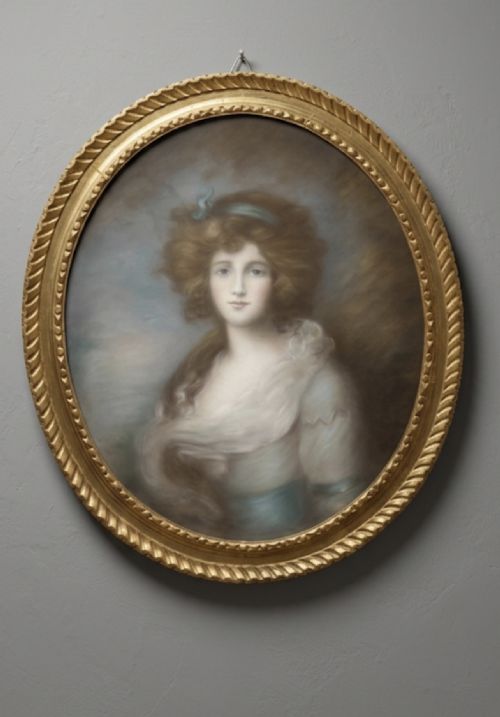
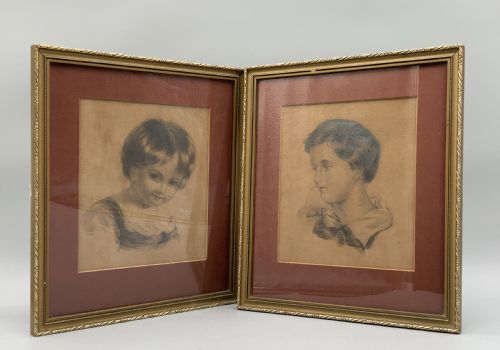


Regency Framed Paper Drawing
These regency framed paper drawing pieces capture intimate likenesses and careful draughtsmanship, offering an authentic window into period portraiture.
Regency Framed Paper Drawing
A regency framed paper drawing brings together delicate works on paper executed in media such as graphite, ink, watercolour, and pastel. These works frequently depict portraits of individuals, ranging from children to elegant ladies, often housed within their original enclosures like maple or giltwood frames.
The selections available here span periods including the Regency era, the wider nineteenth century, and the eighteenth century. Buyers will encounter both refined academic works and naive expressions, reflecting the varied domestic artistic output of the time.
Materials and methods
Artists of the period utilised paper as the primary support, applying media such as graphite pencil, pen and ink, watercolour washes, and pastel to build up the image. These works rely on the direct touch of the draughtsman, capturing fine details in portraiture and occasional cartography.
Presentation is integral to these pieces, with drawings housed in protective glass and secured within wooden frames such as giltwood, gilded silhouettes, or original maple surrounds. The combination of fragile paper and substantial framing has ensured their survival across the centuries.
One remarkably detailed drawing records the likeness of a three-month-old infant, noting their age as three years with impressive ambition.
Distinguishing quality
Quality in a regency framed paper drawing rests upon the execution of the draughtsmanship and the expressive capability of the artist, whether working in a polished academic manner or a naive style. Finer examples display confident pencil work, delicate watercolour blending, or precise ink execution that captures character.
The preservation of the medium alongside the originality of the frame heavily influences the standing of a piece. The presence of period enclosures, such as gilt rectangular scroll mounted frames or original maple surrounds, preserves the integrity of the object.
Thomas Gainsborough·Sir Thomas Lawrence·George Atkinson·Richard Cosway·Henry Edridge
The Regency Framed Paper Drawing Glossary
- Regency
- A period in British history spanning from 1811 to 1820, characterised by distinct architectural, decorative, and artistic developments. Pieces from this era often showcase classical restraint and refined portraiture.
- Pastel
- A medium consisting of powdered pigment and a binder, used to create velvety, richly coloured works on paper. It requires careful framing under glass to prevent smudging.
- Giltwood
- Wood that has been coated with a thin layer of gold leaf or gilt paint. This material was frequently utilised for decorative period frames.
- Miniature Portrait
- A small-scale painting or drawing, highly detailed and often intimate in subject matter. These works were designed for close inspection in domestic settings.
Regency Framed Paper Drawing: Frequently Asked Questions
How do I date a paper drawing?
Dating relies on stylistic clues within the clothing, hair styling, and the medium itself, alongside any accompanying documentation or framing conventions characteristic of the period.
Examining the type of paper and the specific framing materials can also provide reliable indicators of the era in which the work was produced.
Are these drawings original period works?
The pieces listed originate from the eighteenth, nineteenth, and Regency periods, reflecting historical practices of portraiture and draughtsmanship.
Many retain their original period framing, such as maple or giltwood surrounds, confirming their historical context.
What media were used in these portraits?
Artists employed a variety of mediums on paper, predominantly graphite pencil, pen and ink, watercolour, and pastel. These were frequently combined to achieve depth and tonal variation.
Silhouettes and gilded paper cutouts also appear within the selection, demonstrating the diverse techniques practiced at the time.
How should I care for antique paper art?
Works on paper require protection from direct sunlight to prevent fading of watercolours, inks, and pastels. Maintaining stable humidity levels in the room helps preserve both the paper support and the wooden frame.
Keeping the original glass intact safeguards the delicate surface from dust and physical contact.