






Historic Portraiture Artwork
Historic portraiture artwork brings face to face figures from past centuries, offering collectors a direct link to the subjects of earlier eras.
Historic Portraiture Artwork
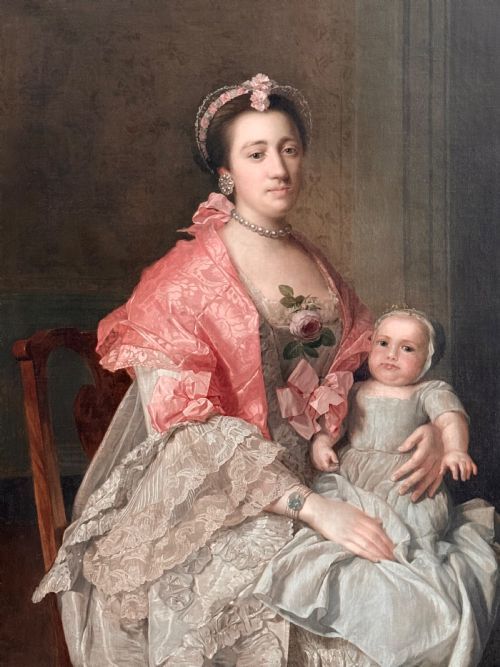
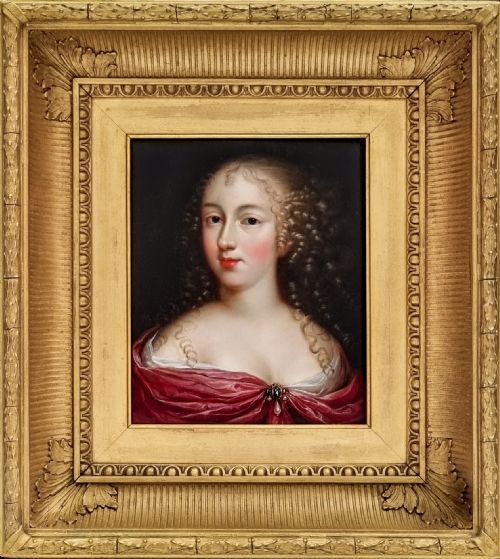
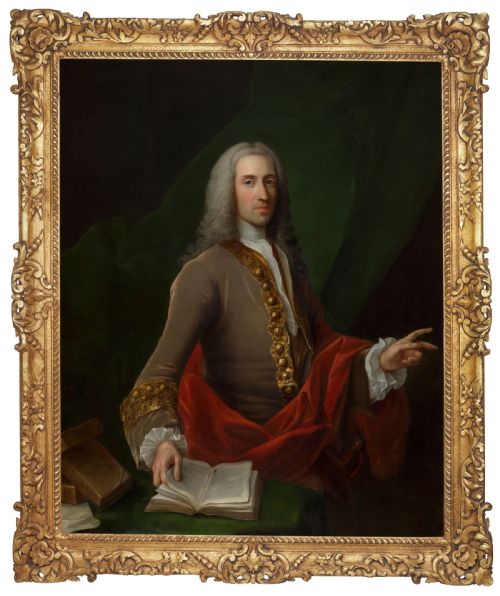
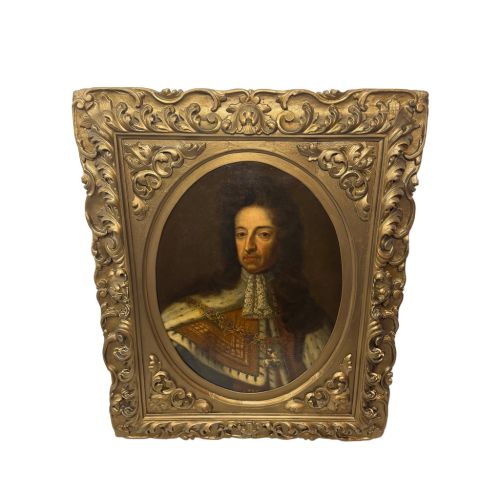
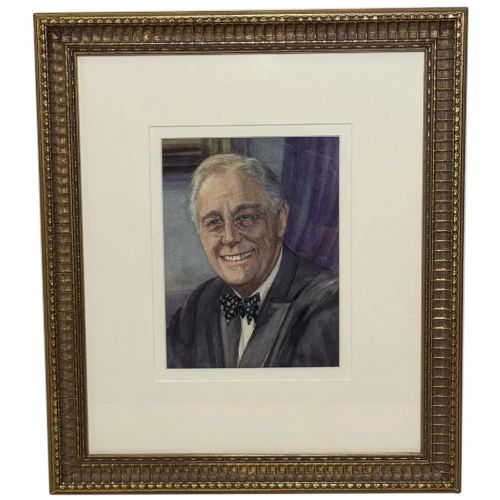
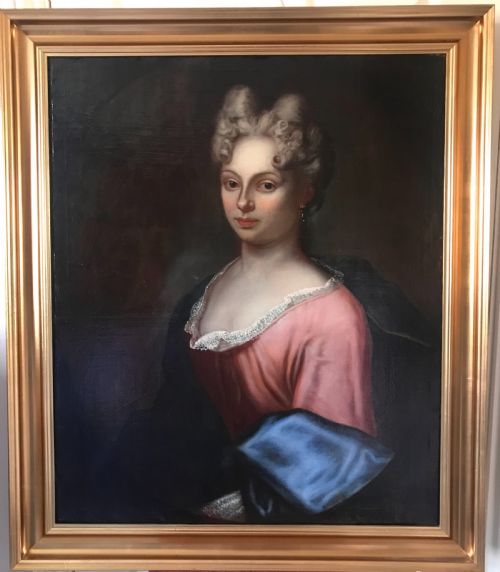
Historic portraiture artwork encompasses oil paintings and watercolour paintings depicting recognizable individuals, noblewomen, gentlemen, and historical figures. When searching for historic portraiture artwork, buyers encounter works spanning the seventeenth century, eighteenth century, nineteenth century, and mid-twentieth century.
The selections range from seventeenth-century English school pieces and Dutch Golden Age interpretations to Georgian, Victorian, and Regency examples. These pieces typically present subjects with personal attributes, books, or period costume, recorded by named artists or regional schools.
Materials and construction
These works rely primarily upon oil paint applied to canvas and wood panels, alongside watercolour on paper. Canvases are frequently housed within gilt wood and gold leaf frames that reflect the decorative standards of their respective periods.
Techniques range from detailed seventeenth-century academic portraiture to nineteenth-century watercolours and mid-century realist approaches. Pigments and supports correspond strictly to the production methods of the seventeenth, eighteenth, and nineteenth centuries.
Markers of distinction
Quality separates works by documented painters or established schools from anonymous studio productions. The handling of facial expression, hands, and costume detail distinguishes the finest representations from simpler likenesses.
The preservation of the original canvas, the integrity of the oil paint layer, and the matching period frame influence the standing of any individual piece within the range.
Jeremiah Davison·John Greenhill·Rudolph Lehmann·John Raphael Smith·Lemuel Francis Abbott·John E Fernley
The Historic Portraiture Artwork Glossary
- Oil on Canvas
- A painting medium where pigments suspended in drying oils are applied to stretched fabric. This combination provides durability and allows for subtle blending of tones.
- Giltwood
- Wood carved and covered with a thin layer of gold leaf or gold paint. It frequently frames oil paintings from the seventeenth and eighteenth centuries.
- Watercolour Painting
- Artworks created using water-soluble pigments on paper supports. This medium gained particular favour for portraiture during the nineteenth century.
- Dutch Golden Age
- A period in Dutch history spanning the seventeenth century noted for exceptional achievements in painting. Works in this style influence later portraiture traditions.
- English School
- A designation for artists working within England during a particular era. It helps identify regional techniques and stylistic conventions.
Historic Portraiture Artwork: Frequently Asked Questions
How do I identify a seventeenth century portrait?
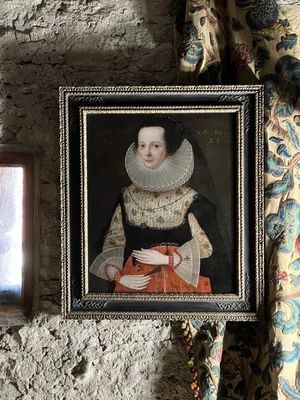
Seventeenth-century portraits typically feature rigid postures, dark backgrounds, and elaborate lace collars or structured period costumes. Artists of this era focused heavily on status markers such as books or heraldic symbols.
Examination of the canvas weave, stretcher construction, and pigment analysis often supports the stated seventeenth-century origin of the work.
What subjects appear in these paintings?
Subjects include nobility, monarchs like King William III, military figures, literary figures, and notable regional citizens. Many sitters are identified by name, profession, or title within the accompanying documentation.
Portraits occasionally depict specific occupational tools, such as veterinary instruments, indicating the sitter's trade or social standing.
Are these works painted on wood or canvas?
The works employ both oil on canvas and wood panels, particularly for earlier pieces from the seventeenth and eighteenth centuries. Later nineteenth-century pieces frequently utilise canvas or paper supports.
The choice of support generally aligns with the prevailing materials of the artist's working period.
How should I display a giltwood frame?
Giltwood frames require stable indoor humidity and temperature conditions to prevent the wood from warping and the gold leaf from flaking. Avoid placing them in direct sunlight or near active heat sources.
Dusting should be performed gently with a soft, dry brush without applying liquid cleaners to the gilded surfaces.