

Set of Ceramic Jugs
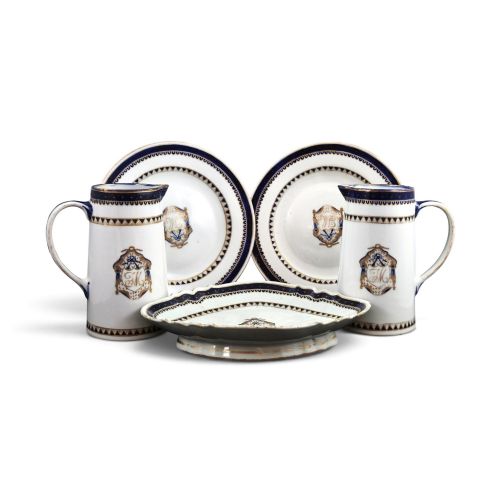
These set of ceramic jugs comprise matched groups and utilitarian groupings created across the eighteenth, nineteenth, and early twentieth centuries.
Set of Ceramic Jugs
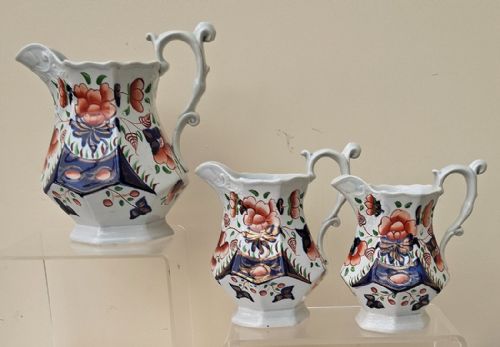
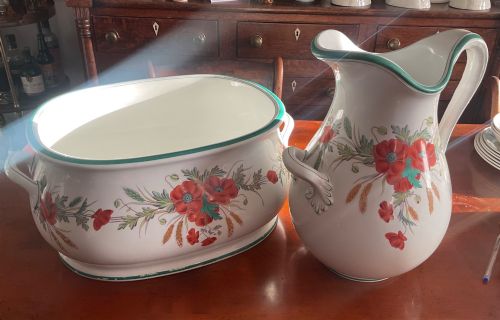
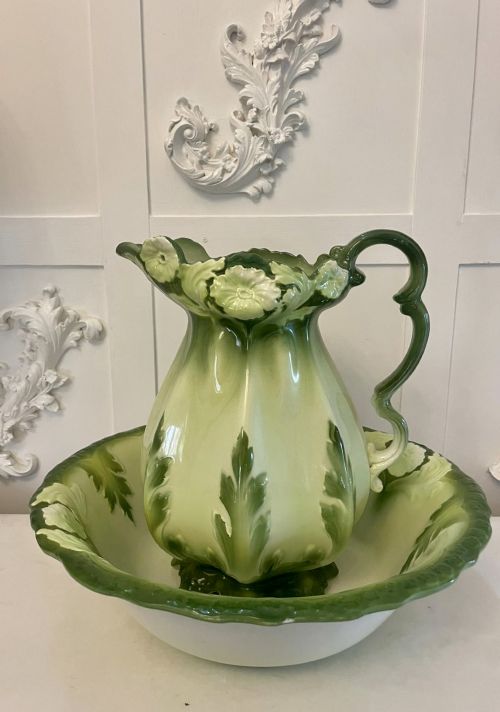
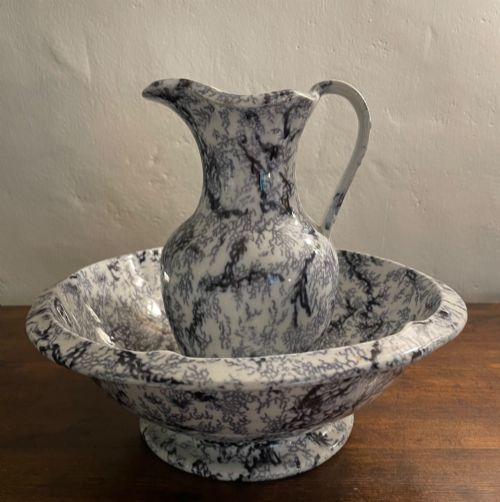
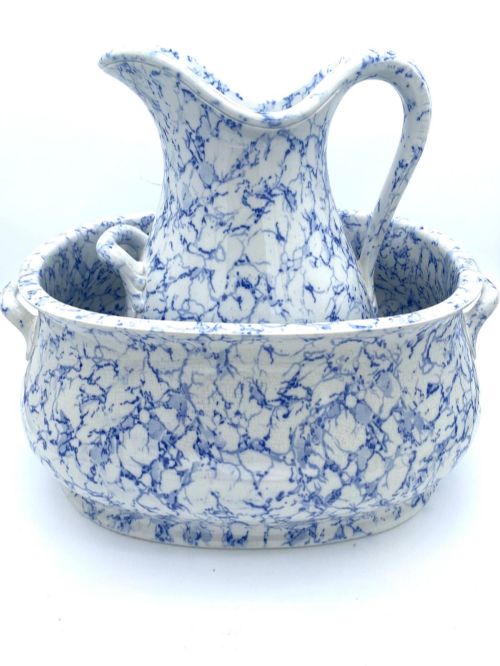
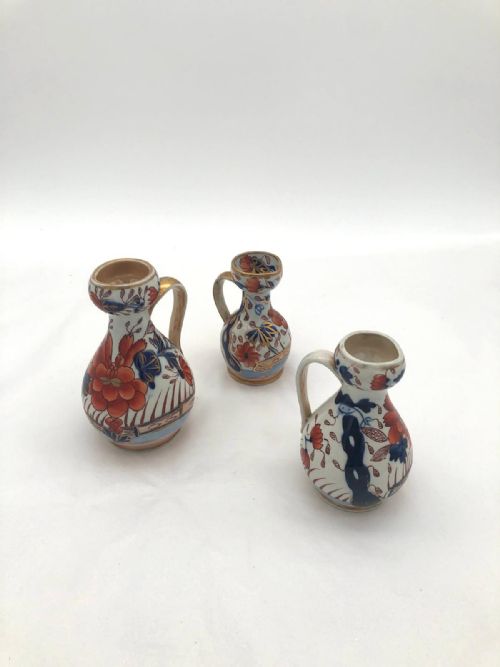
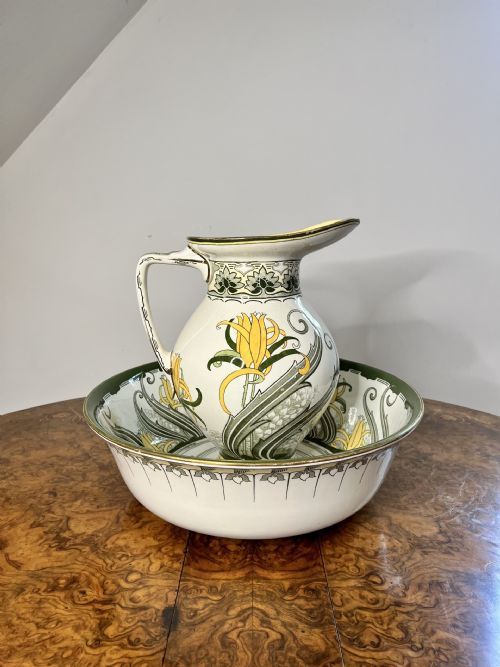
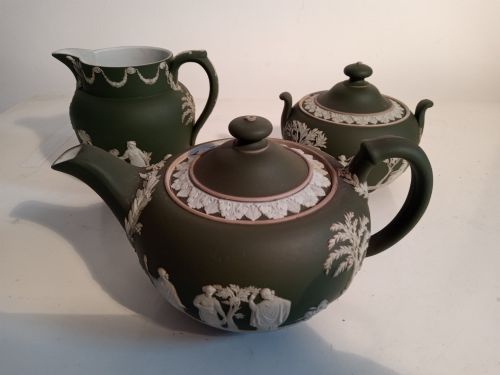
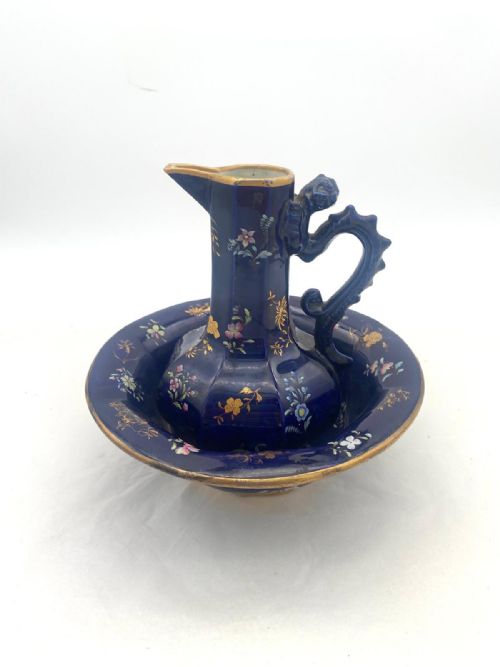
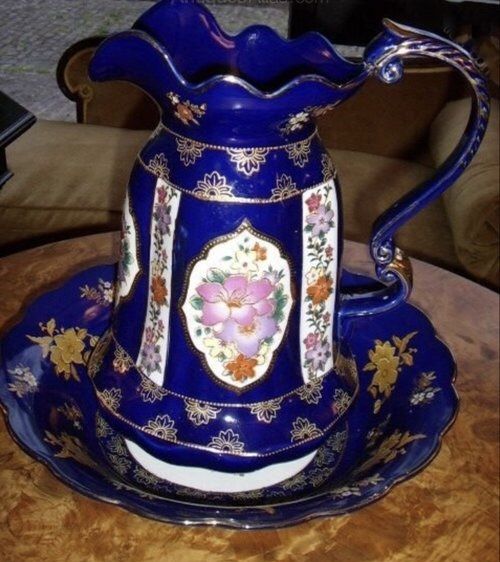
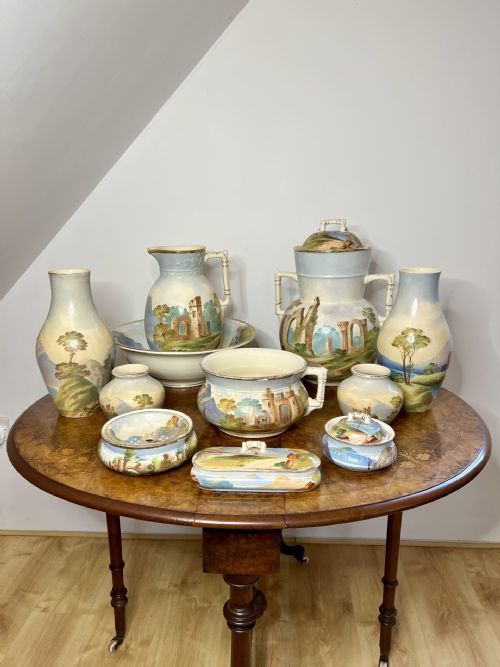
When you search for a set of ceramic jugs, you encounter functional washing vessels, decorative pouring groups, and matched tea services spanning the Victorian, Edwardian, and earlier periods. The most frequent forms on this page are washstand and bathroom suites comprising a large basin paired with a matching pitcher, alongside graduated sets of multiple pouring vessels.
Many examples originate from notable English potteries and international kilns, taking shapes such as octagonal hydra jugs, flow blue basins, and miniature cabinet pieces. These groupings reflect domestic routines of the nineteenth century when matching chamber sets furnished every bedroom.
Materials and production methods
Makers utilised durable ironstone, refined earthenware, and delicate porcelain, applying lead and tin glazes to seal the porous clay bodies before firing. Ironstone offered robust strength for heavy washstand pitchers, while porcelain and fine earthenware suited tea services and cabinet jugs.
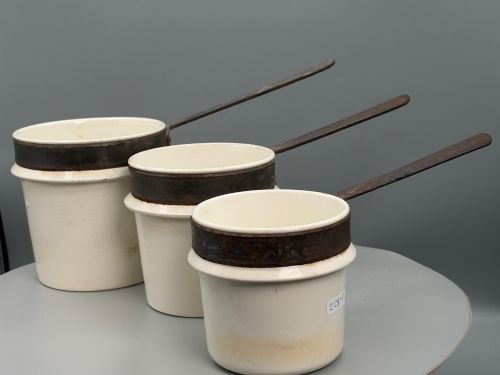
Decoration relied on hand-painted enamels, flow blue transfer printing that allowed cobalt to blur softly into the glaze, and touches of gold leaf or gilt. Some specialised pieces incorporated iron bands, relief moulding, or stoneware bodies finished with salt glaze.
Set of Ceramic Jugs Retail Price Guide 2026
Typical asking prices for set of ceramic jugs among the pieces listed under this phrase on Sellingantiques today, from the lower quarter to the upper quarter. They describe what is for sale here now, not the wider market.
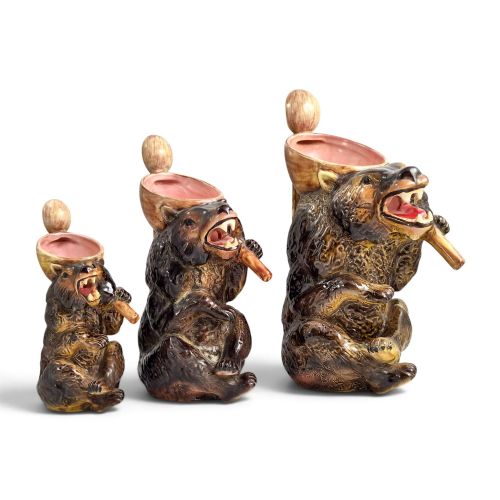
Bear syrup jugs from the Victorian period bring an unexpected flash of animal whimsy directly to the breakfast table.
Distinctions in quality
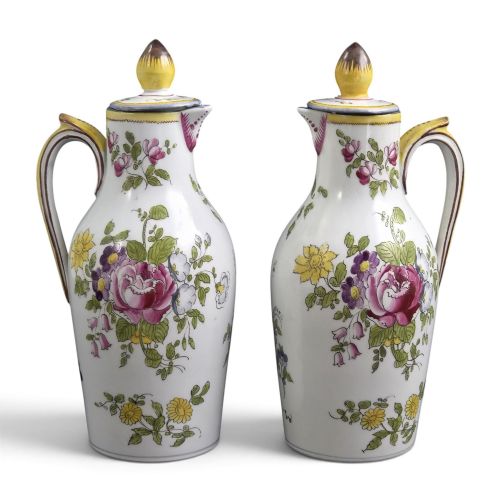
Quality rests in the crispness of transfer printing, the evenness of the glaze, and the precision of hand-painted enamel details applied by skilled decorators at the pottery. Finer sets display harmonious proportions across graduated sizes and retain crisp relief moulding without blurring.
The reputation of the maker and the complexity of the decorative palette, such as multi-coloured floral patterns or Japanese-inspired Kakiemon designs, elevate certain utilitarian groupings into significant decorative objects.
Minton·Wedgwood·Doulton Burslem·Mason's Ironstone·Davenport
The Set of Ceramic Jugs Glossary
- Ironstone
- A dense, durable type of earthenware patented in the nineteenth century to imitate Chinese porcelain. It resists chipping and provided a sturdy base for large washstand jugs.
- Flow Blue
- A nineteenth-century transfer printing technique where lime or chloride gas was introduced into the kiln during firing, causing the cobalt blue design to bleed into the white glaze.
- Hydra Jug
- A classical pouring vessel shape featuring a flared rim, loop handle, and moulded body, frequently produced in sets during the Victorian period.
- Wash Set
- A matching collection of ceramic items designed for personal hygiene before plumbed bathrooms, typically containing a large basin and a corresponding pitcher.
Set of Ceramic Jugs: Frequently Asked Questions
What was a wash set used for?
Wash sets served domestic hygiene in bedrooms before running water became common in homes.
The large basin held water for washing hands and face, while the accompanying pitcher stored the clean supply.
How do I date a ceramic jug?
Dating relies on identifying the material type, backstamps, and decorative style characteristic of periods like the Victorian or Edwardian eras.
Ironstone and flow blue transfer printing point strongly to the nineteenth century, whereas lighter pastel glazes often indicate later production.
Can I use antique jugs for serving?
Many antique ceramic jugs remain robust enough for holding liquids or displaying fresh flowers.
Delicate porcelain or gilt-decorated pieces require careful hand washing to protect the historic enamels and gold leaf from wear.
Why are some jugs sold in sets?
Potteries produced graduated sets where three or four vessels fit neatly inside one another for storage and display.
Matched bathroom suites ensured a unified decorative scheme across the washstand furniture of nineteenth-century bedchambers.