


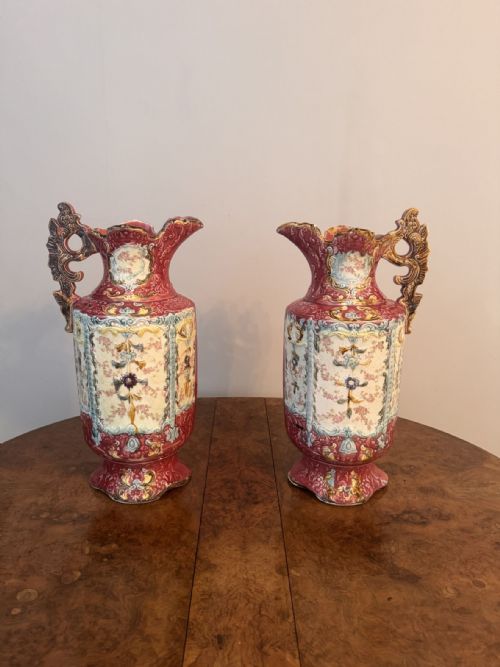
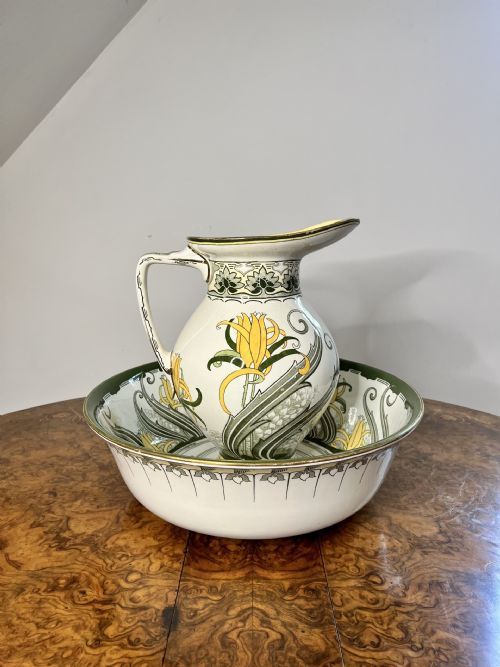
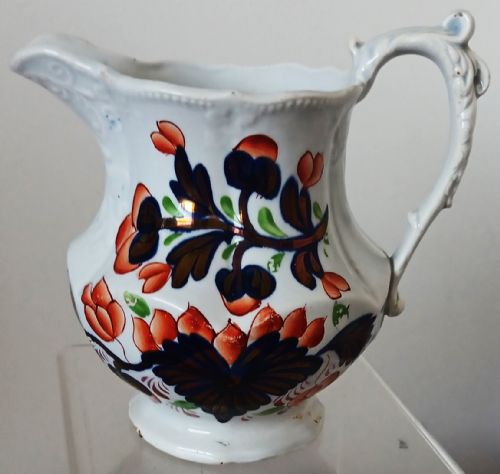
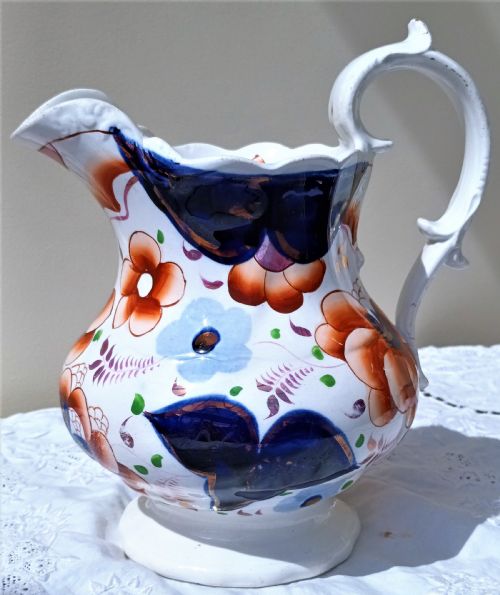
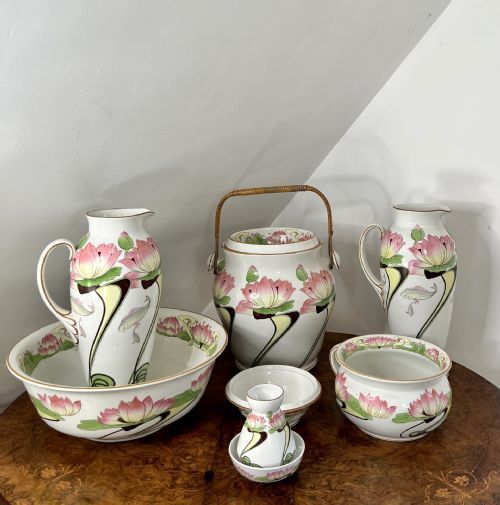
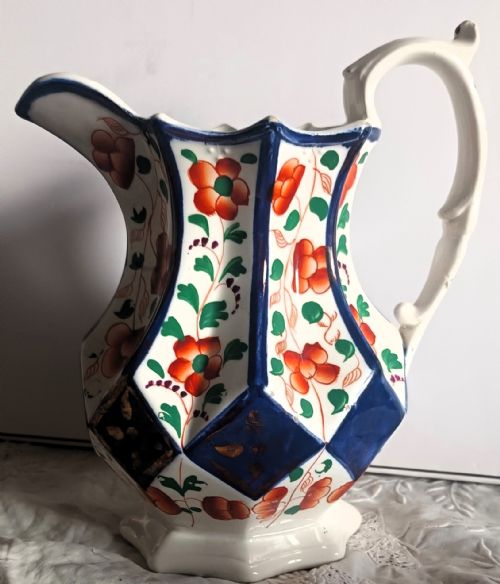
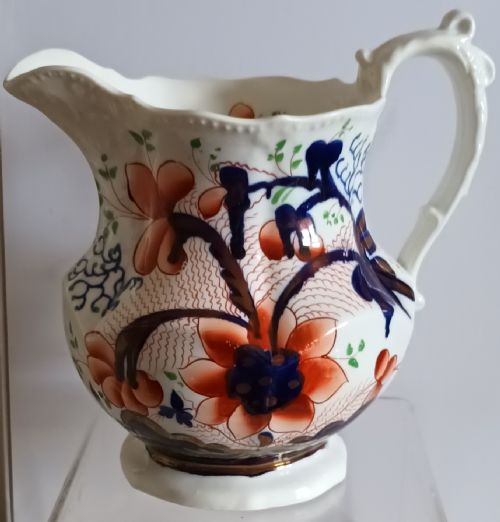
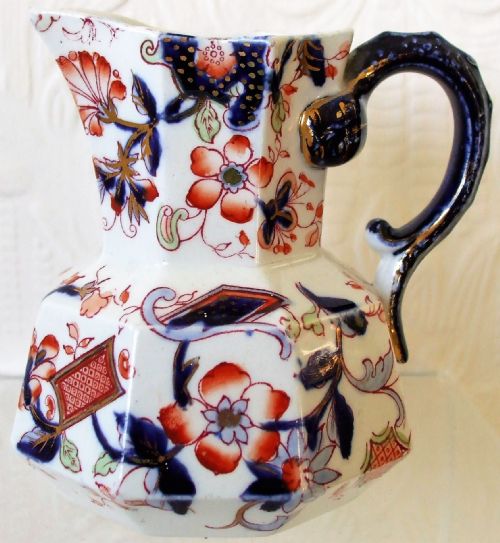
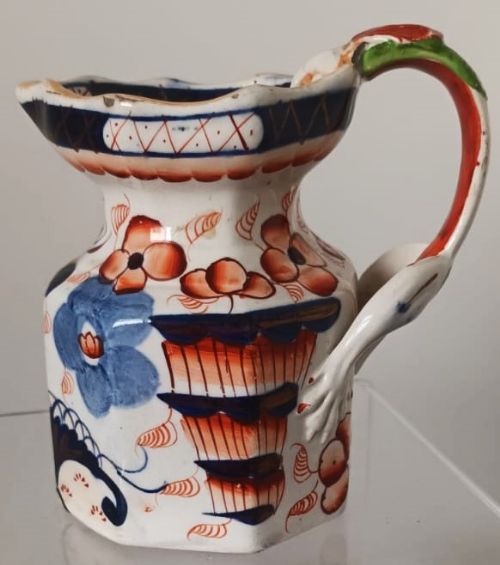
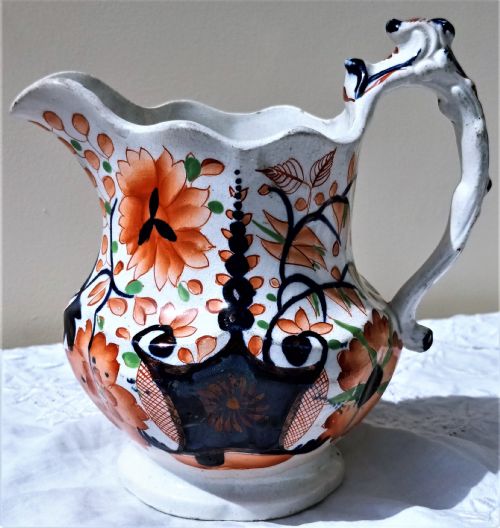

Earthenware Floral Jug
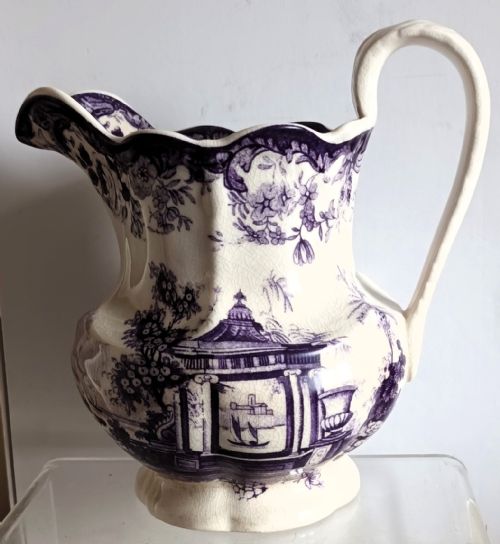
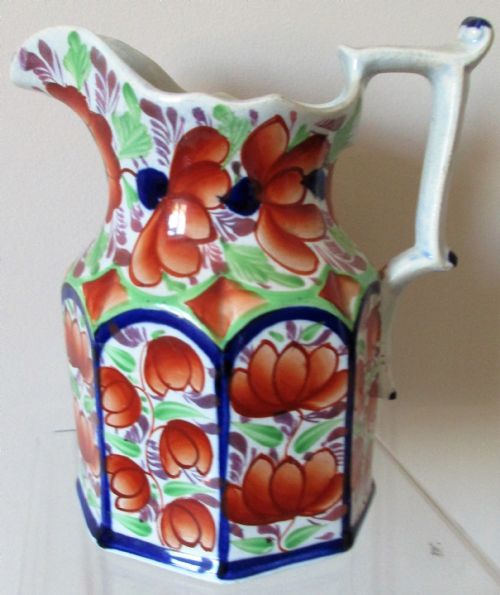
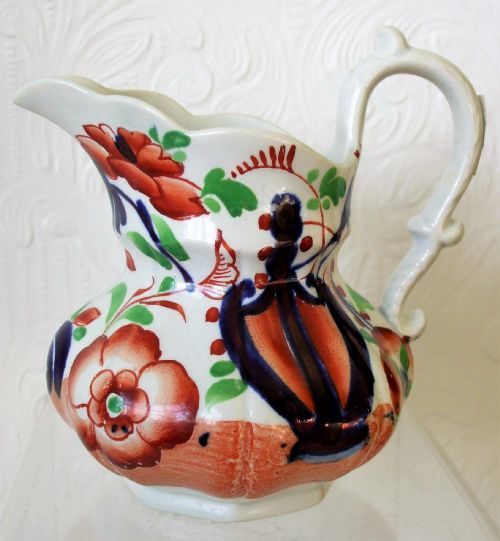
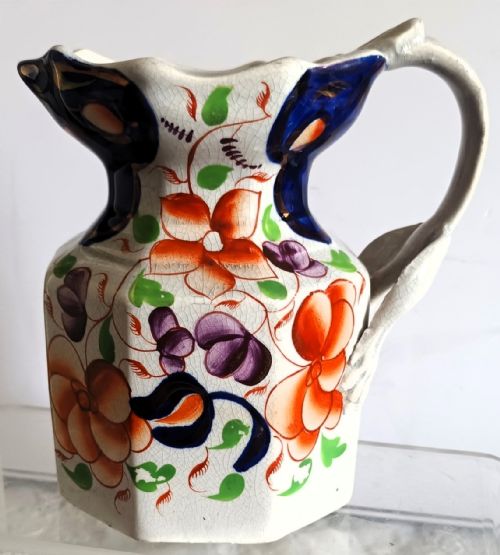
These earthenware floral jug pieces bring colourful domestic ceramic history to your home, offering tactile charm and character through traditional floral decoration.
Earthenware Floral Jug
An earthenware floral jug represents a diverse category of utilitarian and decorative ceramic vessels shaped by domestic needs and regional tastes over centuries. When you search for an earthenware floral jug, you encounter forms ranging from smaller serving pitchers to large wash sets and chamber pieces designed for daily household use.
The selections span distinct periods including Georgian, Victorian, Edwardian, and Art Deco eras, with nineteenth-century Victorian Gaudy Welsh patterns appearing frequently alongside Edwardian bedroom sets and eighteenth-century Delftware. These vessels serve as both functional containers and decorative centrepieces, reflecting the changing aesthetic preferences of British and European households.
How they were made
Potters shaped these vessels using earthenware and ceramic bodies, often applying tin glaze, enamel, copper lustre, or gold leaf to finish the surfaces. Techniques such as cabbage leaf moulding provided tactile texture, while transfer printing and hand painting delivered floral motifs.
Kiln firing set the ceramic bodies and fixed the glazes, binding copper lustre and polychrome pigments to the porous clay substrate. Studio potters and commercial factories utilised these combined methods to achieve durable yet decorative surfaces.
Earthenware Floral Jug Retail Price Guide 2026
Typical asking prices for earthenware floral jug among the pieces listed under this phrase on Sellingantiques today, from the lower quarter to the upper quarter. They describe what is for sale here now, not the wider market.
Listings feature earthenware floral jug items across the Georgian, Victorian, Edwardian, and Art Deco periods, employing tin glaze, enamel, and copper lustre.
What varies in quality
Quality rests in the crispness of the moulding, the depth and registration of the floral transfer or hand-painted enamel, and the evenness of the glaze application. Superior examples demonstrate careful control during firing, resulting in vibrant colour separation without running pigments or glaze pooling.
The distinction between standard domestic ware and finer studio or factory pieces also lies in the ambition of the form, from simple thrown pitchers to complex moulded ewers and multi-piece bathroom sets with matching bowls.
Keeling and Co·Mark Jones and Sons·Sir Edmund Elton·Mountford
The Earthenware Floral Jug Glossary
- Earthenware
- Porous ceramic fired at lower temperatures, requiring a glaze to hold liquids. It forms the core material for the majority of these domestic jugs.
- Tin glaze
- An opaque white glaze containing tin oxide, providing a smooth canvas for painted blue and white or polychrome floral decoration. It is characteristic of Delftware and faience pieces.
- Gaudy Welsh
- A style of colourful pottery produced in the nineteenth century, typically featuring cobalt blue, copper lustre, and bright enamel flowers on ironstone or earthenware bodies. It gained popularity for its striking palette.
- Pearlware
- A refined earthenware developed in the late eighteenth century featuring a thin bluish glaze that pooled in recesses to mimic Chinese porcelain. It served as a popular ground for botanical and transfer-printed designs.
- Copper lustre
- A metallic glaze technique producing a reflective, coppery sheen often applied to highlights and borders on nineteenth-century pottery. It adds a warm metallic contrast to painted floral motifs.
Earthenware Floral Jug: Frequently Asked Questions
How do I clean an antique earthenware floral jug?
Wash the piece gently by hand using lukewarm water and mild detergent, avoiding abrasive sponges or harsh chemicals that can harm older enamel and glaze layers.
Because earthenware is porous, avoid submerging cracked or crazed vessels in water for extended periods to prevent moisture seepage into the clay body.
Can I use these jugs for fresh flowers?
Many of these vessels function well as vases for fresh cut stems, provided the interior glaze remains intact and watertight.
Check the inside of the jug for hairline cracks or historical repairs before filling it with water to protect your surfaces from leaks.
How do I distinguish Georgian from Victorian jugs?
Georgian pieces often display pearlware bodies, tin glazes, or hand-painted botanical motifs with restrained palettes, reflecting earlier neoclassical or rustic tastes.
Victorian and Edwardian items frequently utilise transfer printing, brighter enamel colours, and robust moulds such as the Gaudy Welsh or extensive bathroom wash sets.
What is a jug and bowl set used for?
Jug and bowl sets originated for personal hygiene in bedrooms before modern indoor plumbing, holding water for washing faces and hands.
Today, collectors display these matching sets on tabletops or sideboards as decorative focal points that showcase period ceramic artistry.