

Victorian Floral Pitchers
Victorian floral pitchers bring together vibrant nineteenth-century ceramic and glass forms painted with botanical motifs.
Victorian Floral Pitchers
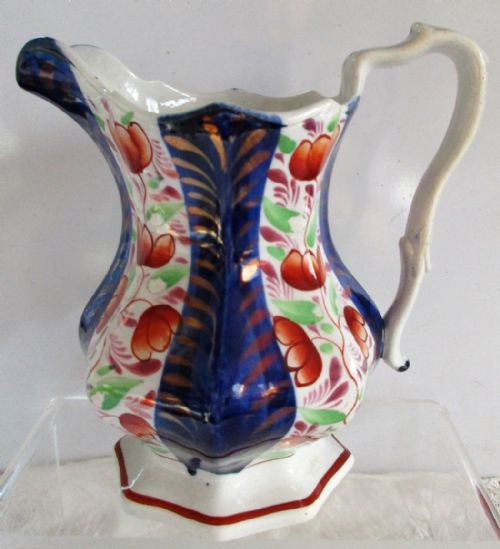
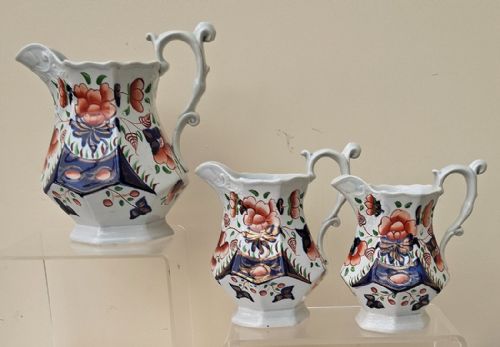
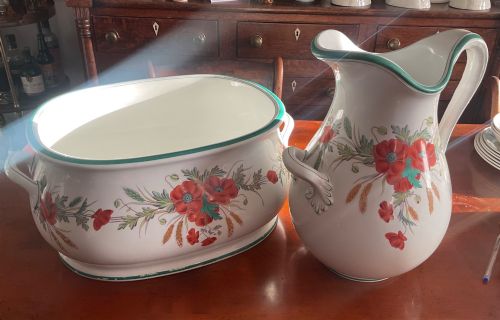
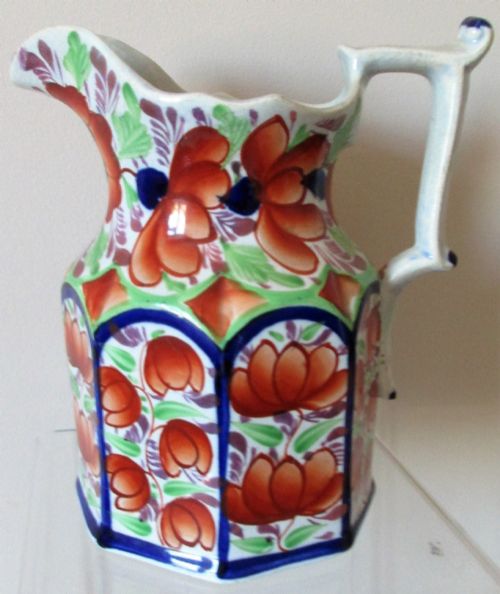
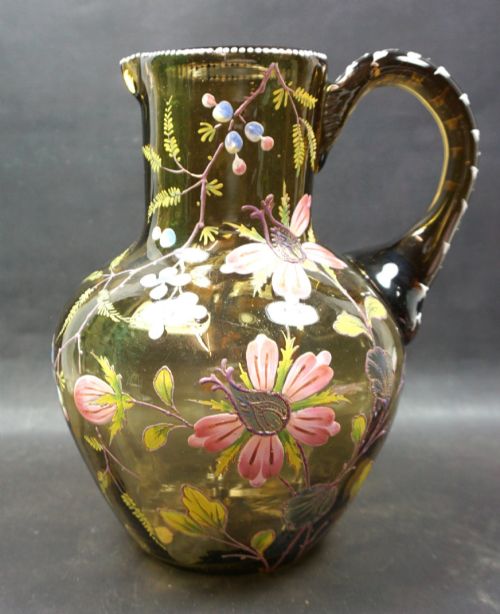
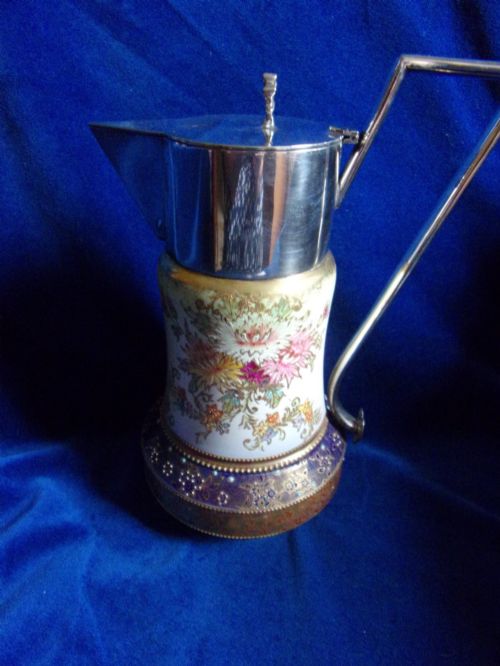
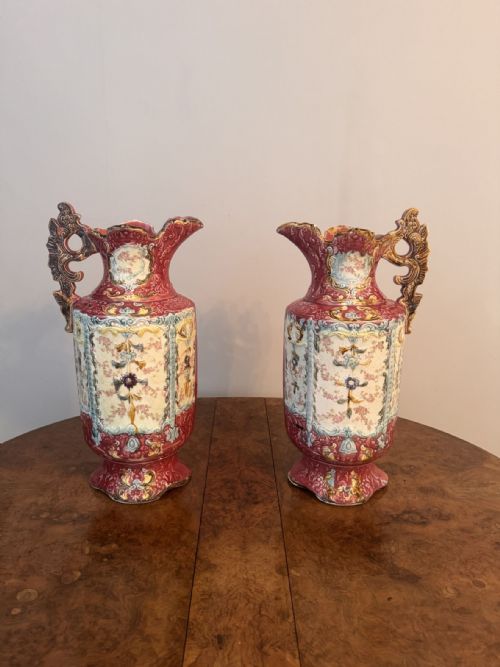
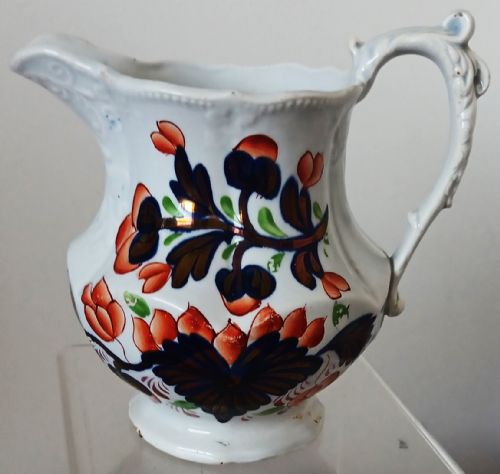
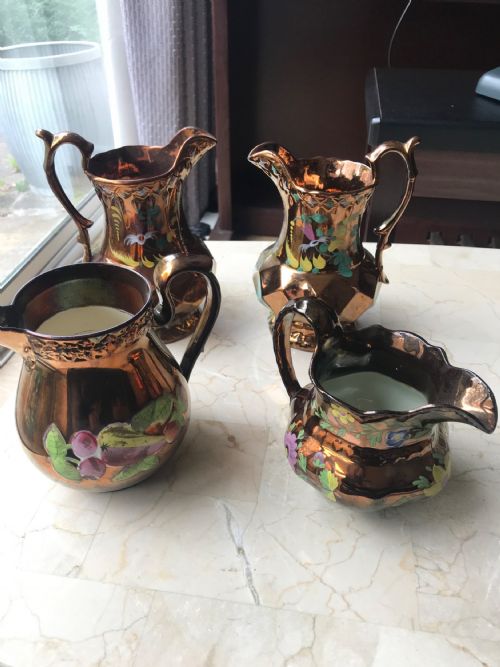
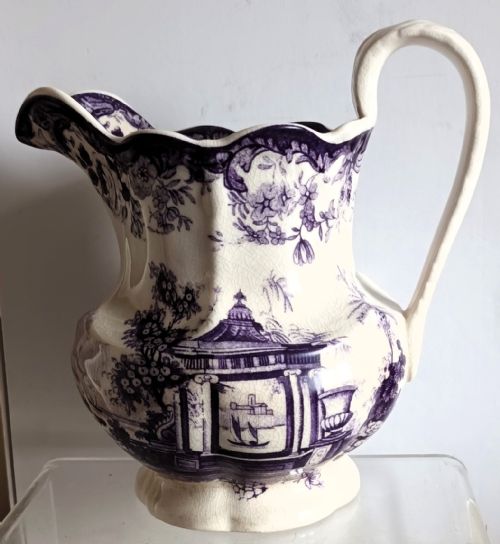
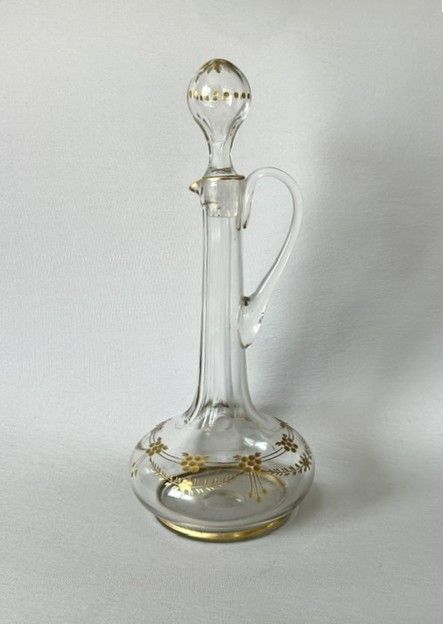
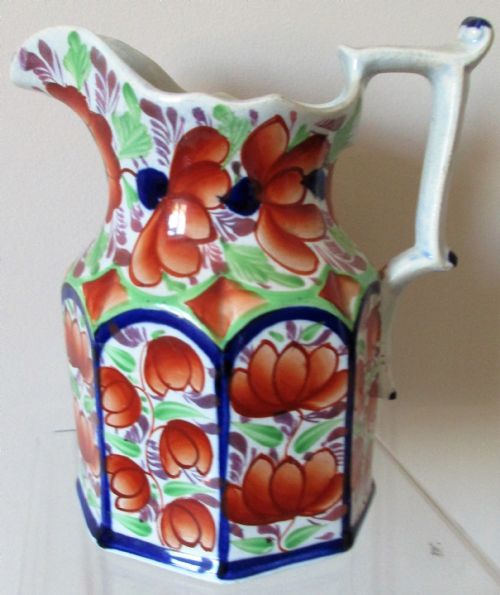
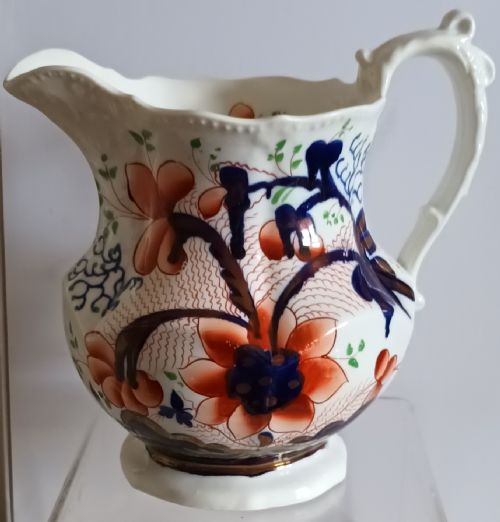
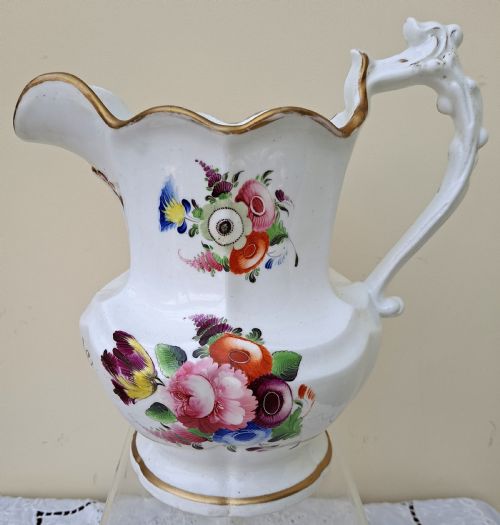
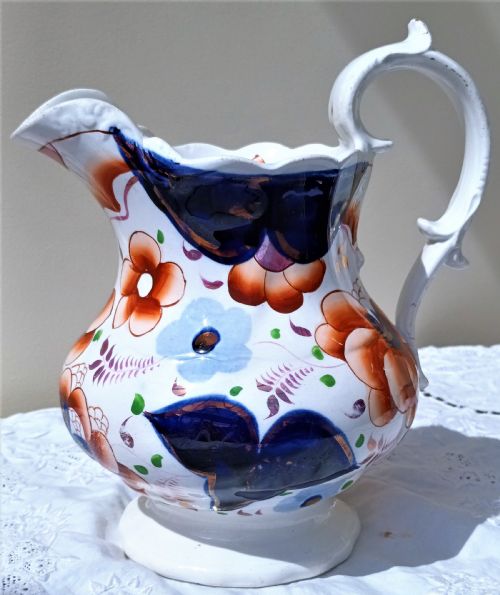
Victorian floral pitchers encompass a diverse range of vessels, from earthenware and porcelain jugs to decorative ewers and washstand sets created during the nineteenth century and into the early twentieth century. Buyers encounter robust ceramic pieces adorned with hand-decorated fruit and floral patterns alongside delicate glass wine and lemonade jugs featuring enamelled flowers.
The selections span distinct regional traditions and decorative styles, including Gaudy Welsh pottery patterns such as Cambrian Rose and Gwent, alongside elaborate Staffordshire copper lustreware and porcelain wash sets. Many examples originate from notable English factories like Royal Worcester and Doulton Burslem, reflecting the period's preference for ornate tableware and bathroom accessories.
How they were made
Makers utilised earthenware, porcelain, and glass as the foundational materials for these vessels, frequently applying rich cobalt blue glazes, gold leaf, and gilt accents to enhance the surfaces. Techniques included transfer printing, hand decoration with fruit and floral motifs, and enamel painting upon both ceramics and glass.
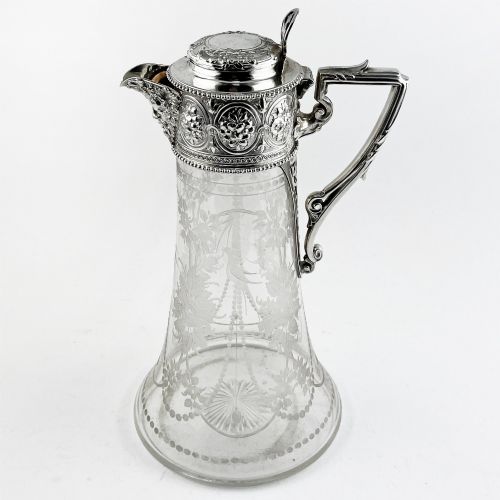
Specialised production methods also involved copper lustre applications, sterling silver mounts, and cut glass detailing, particularly seen in claret jugs and decorative ewers originating from English and Bohemian workshops.
Victorian Floral Pitchers Retail Price Guide 2026
Typical asking prices for victorian floral pitchers among the pieces listed under this phrase on Sellingantiques today, from the lower quarter to the upper quarter. They describe what is for sale here now, not the wider market.
Some nineteenth-century makers hid tiny painted beetles inside their floral jugs just to test if anyone was truly looking.
What varies in quality
The distinction between standard utility vessels and superior examples rests upon the crispness of the transfer printing, the precision of the hand-painted enamel botanical details, and the application of genuine gold leaf or gilt. Finer pieces exhibit harmonious proportions, particularly in complex forms like ewers and cleft jugs.
Artistic execution and factory provenance elevate certain items, with distinguished works from makers like Royal Worcester or Doulton Burslem demonstrating superior potting technique, balanced glaze consistency, and more sophisticated stylistic ambition.
Minton·Carltonware·Royal Worcester·Doulton Burslem·Mark Jones And Sons
The Victorian Floral Pitchers Glossary
- Ewer
- A large jug with a wide spout and a looped handle, traditionally used for holding water or wine.
- Copper Lustre
- A ceramic glaze technique incorporating metallic copper compounds to produce a warm, reflective sheen on earthenware bodies.
- Gaudy Welsh
- A distinctive style of brightly coloured pottery featuring cobalt blue, copper lustre, and pink or red floral motifs.
- Washstand Set
- A matched collection comprising a large water jug and a deep basin, designed for nineteenth-century bedroom washing.
Victorian Floral Pitchers: Frequently Asked Questions
How were victorian floral pitchers used?
These vessels served practical roles as water pitchers, milk jugs, wine decanters, and components of larger bedroom washstand sets. Many were also displayed purely as decorative ewers on mantelpieces and sideboards.
Over time, their functions shifted as indoor plumbing advanced, turning utilitarian wash sets into decorative display items while claret jugs remained central to dining traditions.
Are these pitchers waterproof?
Most ceramic and glass pitchers remain fully watertight and capable of functioning for daily use, though precious pieces with delicate enamel or gold leaf are better preserved through careful handling.
Earthenware and porcelain bodies are sealed beneath glazes that protect the porous clay beneath from moisture absorption during ordinary service.
How do I date a pitch style?
Dating relies on observing material characteristics, factory marks, and stylistic shifts spanning the nineteenth century. Early pieces often feature hand-decorated earthenware, while later items incorporate aesthetic movement designs or Edwardian bathroom sets.
Examining the base for specific maker stamps, puce marks, or registry numbers provides further clarity regarding the exact manufacturing decade.
Where should I display them?
These vessels suit prominent display on wooden sideboards, open shelving, or within glass cabinets where their botanical patterns and gilded details catch the light. Larger washstand sets fit well as floor-standing decorative accents.
Placing them away from direct, harsh sunlight helps protect vulnerable enamel painted flowers and delicate gold leaf embellishments over the years.