




Scottish Victorian Trinket Box
A Scottish Victorian trinket box gathers the rugged character of the Highlands and the neat craft of the nineteenth century into one small holdall.
Scottish Victorian Trinket Box
A Scottish Victorian trinket box serves as a portable repository for keepsakes, jewellery, and small personal valuables. These pieces emerge from the nineteenth century, spanning decades from the eighteen-fifties through to the eighteen-nineties.
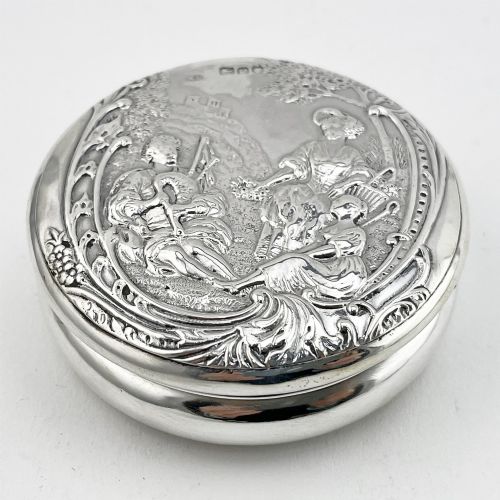
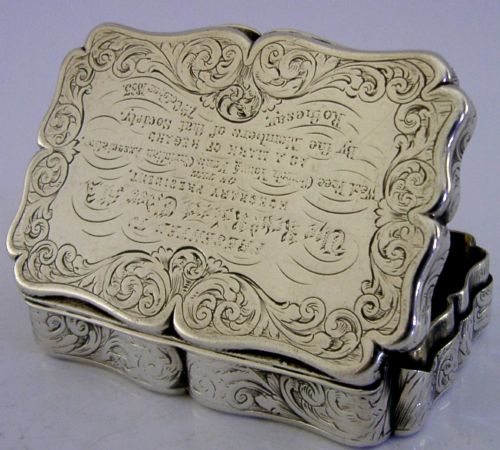
The version most frequently met on this page combines functional storage with the distinct regional tastes of nineteenth-century Scotland. Makers utilised native materials and motifs to shape snuff boxes, keepsake cases, and vanity pots.
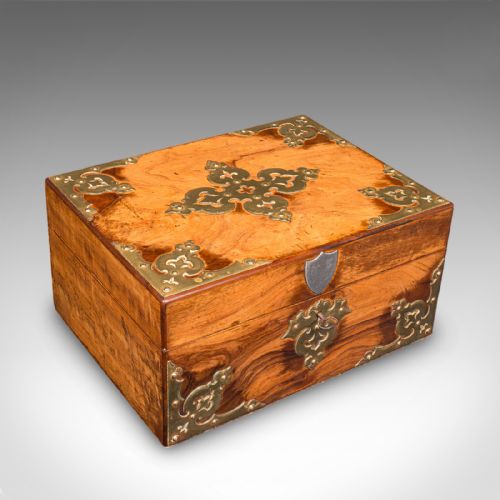
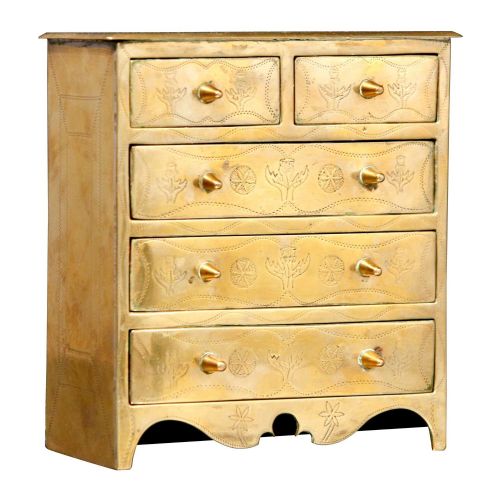
Objects carrying this description often display a clear Victorian lineage, alongside occasional expressions of Gothic Revival style. Buyers encounter small desk accessories and miniature chests alongside traditional hinged boxes.
Materials and construction
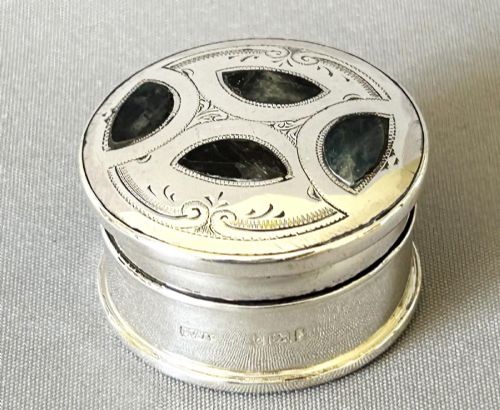
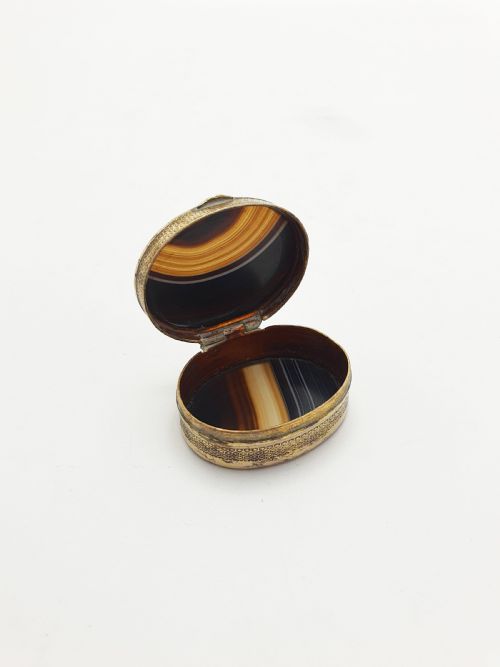
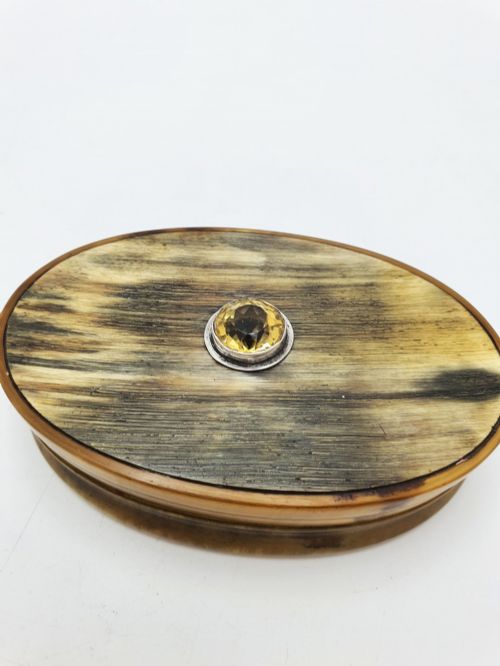
Makers built these pieces using a foundation of hardwoods like walnut and birch, paired with mounts of sterling silver, brass, and gilt brass. Natural substances such as horn, tortoiseshell, and Scottish agate feature prominently across the surviving examples.
Construction relies on precise metalwork and stone setting, evident in faceted citrine decorations and engraved thistles. Artisans joined organic materials to metal frames, ensuring lids and hinges functioned smoothly within miniature scales.
Scottish Victorian Trinket Box Retail Price Guide 2026
Typical asking prices for scottish victorian trinket box among the pieces listed under this phrase on Sellingantiques today, from the lower quarter to the upper quarter. They describe what is for sale here now, not the wider market.
One remarkably specific box originated directly from the historic house of John Knox.
Distinctions in quality
Quality rests upon the selection and setting of natural stones like agate and citrine, alongside the crispness of metal engraving. Goldsmithing and silversmithing standards elevate certain boxes well above standard commercial production.
The integration of native materials, such as polished horn or figured woods, dictates the overall refinement of the piece. Superior examples maintain intact hinges, tight lid closures, and clear hallmarks or regional attribution.
The David McDonald
The Scottish Victorian Trinket Box Glossary
- Agate
- A form of chalcedony, frequently polished and set into the lids of Scottish boxes. It appears in various earthy tones and natural bands.
- Citrine
- A yellow variety of quartz often faceted and mounted as a decorative focal point. Victorian makers favoured it for Highland-inspired pieces.
- Vinaigrette
- A small ornamental box featuring an internal pierced grille. It held a sponge soaked in aromatic vinegar.
- Gilt brass
- Brass treated with a thin layer of gold or gold-coloured wash. It provided a rich appearance without the cost of solid gold.
- Treen
- Small handmade wooden household objects and wares. The term derives from the old word for tree.
Scottish Victorian Trinket Box: Frequently Asked Questions
What were these boxes used for?
These small containers held personal items such as snuff, jewellery, and visiting cards. People kept them on desks, dressing tables, or carried them in pockets.
Larger versions served as miniature chests for keepsakes and letters. Their sturdy construction protected delicate belongings during daily travel.
How do I date a Scottish Victorian box?
Dating relies on assay office hallmarks, maker marks, and stylistic clues. Victorian pieces often display Gothic Revival elements or characteristic thistle engravings.
Materials also help narrow the period, as certain stones and types of horn grew popular during specific decades of the nineteenth century.
Are these boxes made of solid silver?
Metal composition varies widely across the selection. Some items utilise sterling silver or gold, while others employ brass, gilt brass, or EPNS.
Many pieces combine precious metals with organic materials like horn, tortoiseshell, or wood rather than relying on a single metal structure.
How should I clean my trinket box?
Maintenance depends entirely on the specific materials involved. Wood and horn require gentle dusting, while silver mounts tolerate careful polishing with a soft cloth.
Harsh chemical dips must be avoided to protect inlaid stones like agate and citrine from loosening or discolouration.