






Victorian Brass Decorative Casket
A victorian brass decorative casket offers a sturdy home for precious trinkets, forged from solid metal and timber during the nineteenth century.
Victorian Brass Decorative Casket
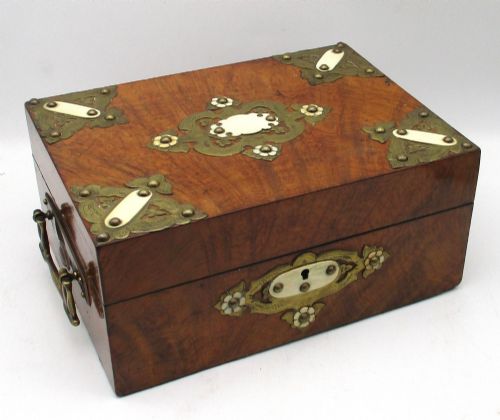
A victorian brass decorative casket brings together nineteenth century metalwork and timber construction in functional containers designed for desks, dressing tables and drawing rooms. These pieces encompass stationery boxes, jewellery caskets, tea caddies and desk stands created during the Victorian era and the broader nineteenth century.
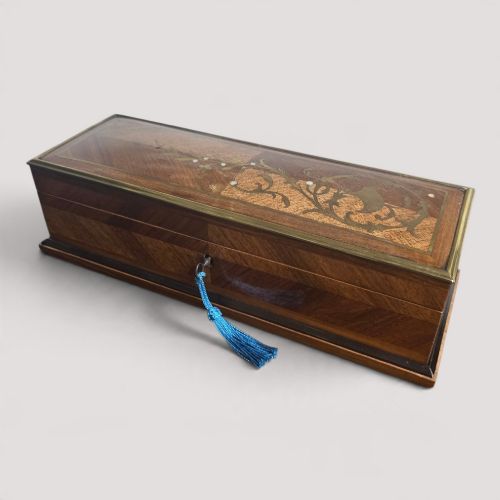
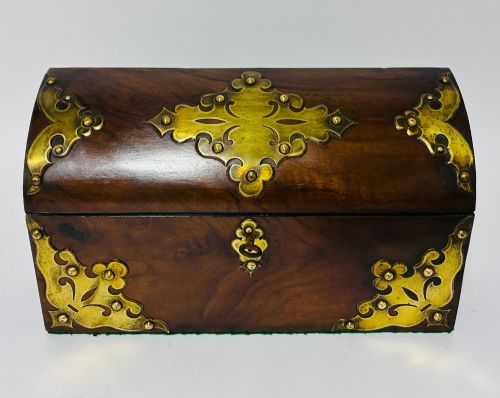
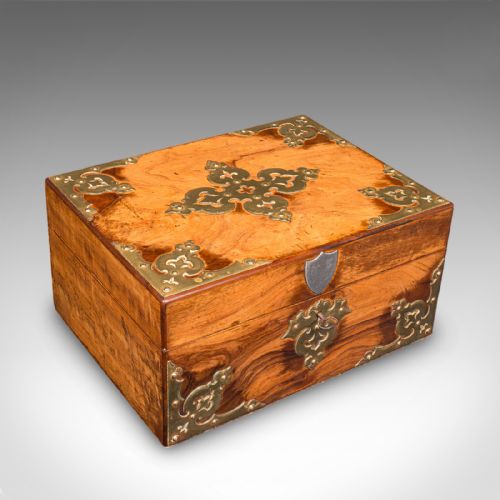
The versions most commonly met on this page combine brass mounts and straps with carcases of walnut, burr walnut, coromandel or fruitwood. Makers applied styles ranging from Gothic Revival and Rococo Revival to Arts and Crafts and Art Nouveau across these functional tabletop containers.
Originating across England, France, Italy and Scotland, these boxes served specific domestic purposes from holding letters to storing sewing implements. The selection reflects the diverse decorative impulses of the nineteenth century, uniting utilitarian storage with ornate surface ornamentation.
Materials and Construction
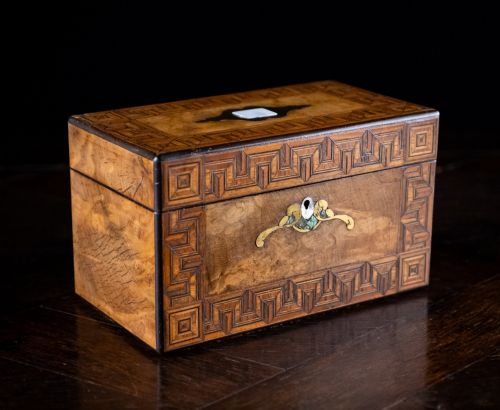
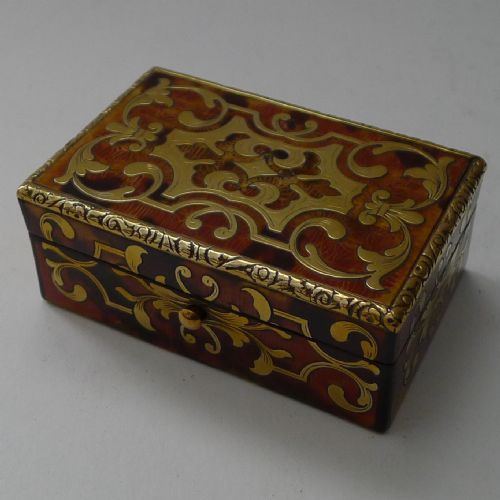
Makers constructed the timber carcases from walnut, burr walnut, coromandel and fruitwood, often applying parquetry, boulle work or carved details to the wooden surfaces. These foundational woods provided stable structures capable of supporting heavy metal mounts and stone inlays.
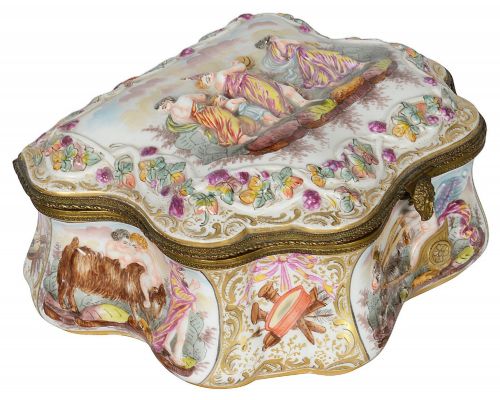
Cast and pierced brass mounts, bands and hinges reinforce the corners and edges of the wooden bodies while adding decorative contrast to the dark timbers. Artisans integrated porcelain plaques, mother-of-pearl inlay, agate cabochons and malachite panels directly into the brass and wood framework.
Textiles lined the interiors of jewellery and stationery boxes to protect contents, whilst locking mechanisms utilised brass levers and steel keys. The combination of cabinetmaking and metalworking techniques secured the longevity of these nineteenth century containers.
Victorian Brass Decorative Casket Retail Price Guide 2026
Typical asking prices for victorian brass decorative casket among the pieces listed under this phrase on Sellingantiques today, from the lower quarter to the upper quarter. They describe what is for sale here now, not the wider market.
Listings feature nineteenth century caskets incorporating walnut, coromandel, porcelain, mother-of-pearl and tortoiseshell across various European styles.
Quality and Execution
The standard of execution in a victorian brass decorative casket rests upon the precision of the cabinetmaking and the crispness of the metal casting. Superior pieces display tightly fitted parquetry, flush brass mountings and finely chased surface details rather than mass-produced stamped components.
Material selection divides standard utilitarian boxes from exceptional examples, with choice specimens employing dense burr walnut, exotic coromandel, or hand-painted porcelain and semi-precious stone mounts. The complexity of the internal fittings, such as secret drawers or fitted stationery partitions, also separates workshop output.
C.G. Hope Hastings
The Victorian Brass Decorative Casket Glossary
- Boulle
- A form of marquetry utilising brass and tortoiseshell inlaid in intricate patterns. Developed in France, this technique enriched the surfaces of nineteenth century decorative boxes.
- Coromandel
- A dense, dark brown timber with contrasting black stripes imported from Asia. Cabinetmakers favoured this hard wood for luxury stationery and jewellery caskets.
- Pietra dura
- The technique of inlaying cut and fitted polished coloured stones to form pictorial images. This Italian craft frequently appeared on nineteenth century table caskets.
- Parquetry
- Geometric wood inlay work arranged in patterns such as cubes or chequers. Artisans applied these wooden veneers to the lids and sides of nineteenth century caskets.
- Cabochon
- A gemstone or mineral polished smooth in a convex form rather than faceted. These rounded stones were mounted directly into brass frames on desk sets and boxes.
Victorian Brass Decorative Casket: Frequently Asked Questions
What were victorian brass decorative caskets used for?
These containers served specific domestic functions in nineteenth century homes, acting as secure receptacles for correspondence, writing implements, jewellery, sewing tools or tea. Desk sets and stationery boxes kept paperwork organised in studies and libraries.
Other variants functioned as trinket boxes or games containers for drawing rooms. Their sturdy brass mounts and locks protected valuable personal possessions from damage and prying eyes.
How do I identify a Victorian casket?
Examination of the timber carcase, interior linings and construction methods reveals the period of manufacture. Nineteenth century pieces typically utilise woods such as walnut, coromandel or fruitwood paired with hand-cast brass hardware.
Stylistic cues also help determine origin, as makers drew upon Gothic Revival, Arts and Crafts, and Rococo Revival design vocabularies. Maker signatures or patent locks can sometimes provide a firmer date.
Where should I place a casket in my home?
These boxes suit placement on desks, sideboards, mantelpieces or dressing tables where their decorative brass mounts and timber grains remain visible. They function effectively as desktop storage for modern stationery or small accessories.
Placing them away from direct sunlight and extreme heat protects sensitive wood veneers, mother-of-pearl inlays and internal fabric linings. Their compact footprint allows them to sit comfortably on most flat surfaces.
How do I care for brass and wood caskets?
Maintain the timber surfaces by dusting with a dry cloth and occasionally applying suitable furniture wax to nourish the wood. Avoid liquid polishes that can seep into joints or damage antique finishes.
Keep brass mounts clean with a soft cloth, taking care not to let metal cleaner touch surrounding wood or inlays. Stable room humidity prevents the timber carcase from warping and keeps brass components secure.