



Scandinavian Art
Scandinavian art gathers painted folk pine, satin birch furniture and silver enamel work spanning centuries.
Scandinavian Art
When buyers search for scandinavian art, they encounter a broad mix spanning centuries, from painted 18th-century country pieces to sleek 1930s modernist designs. The pieces on this page range from oil paintings of quiet interiors and silver gilt jewellery to heavy pine chests and satin birch armchairs.
Rural traditions appear through hand-painted cupboards, marriage chests and carved wooden bowls originating from Sweden and Norway. These functional domestic items sit alongside refined silverware by silversmiths and oil paintings recording landscapes and domestic rooms.
Materials and construction
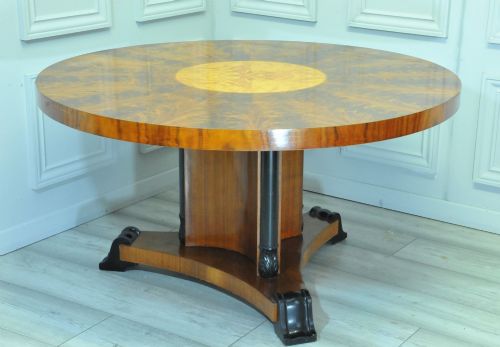
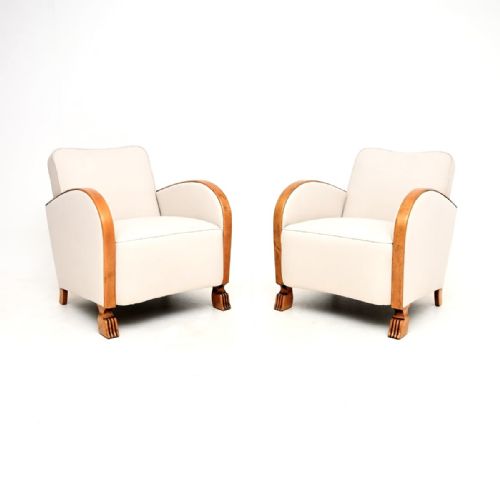
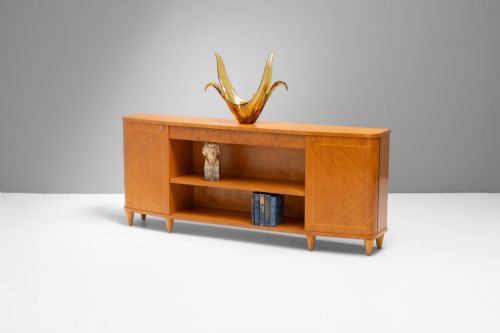
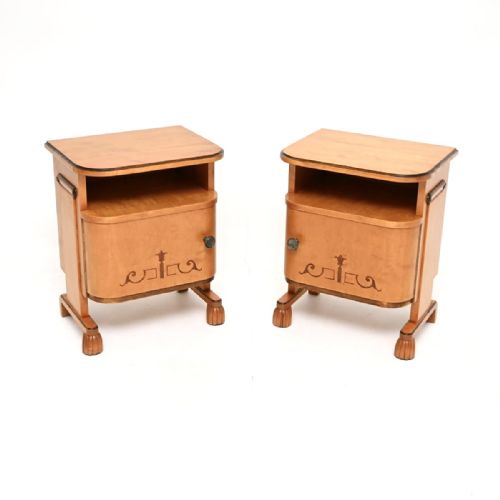
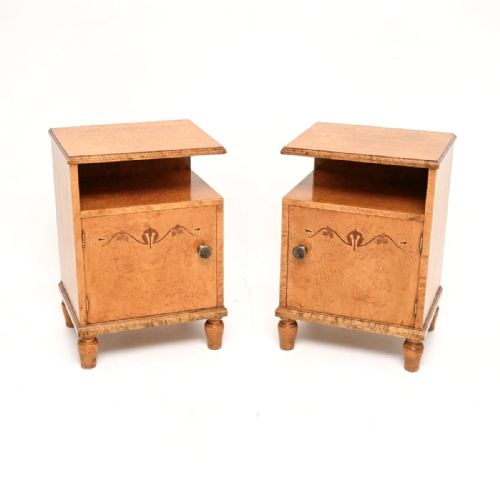
Timber selection dictates much of the furniture and folk objects, utilising native pine, walnut, elm and figured satin birch. Cabinetmakers shaped these woods into art deco bedside cabinets and console tables, while rural makers fashioned dug-out chairs and mangle boards from local timber.
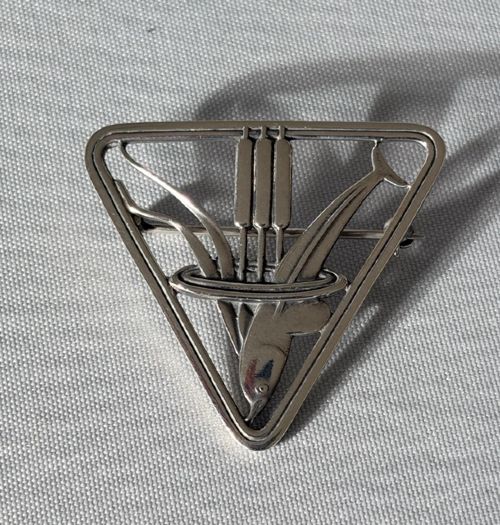
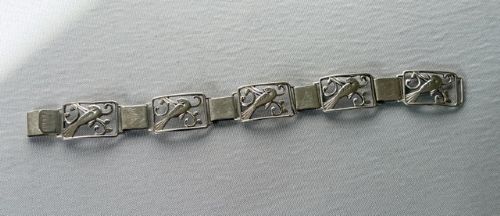
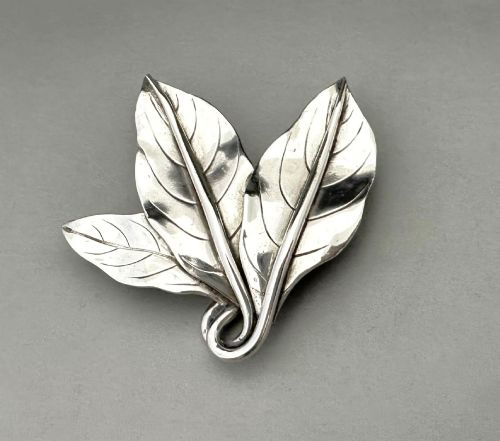
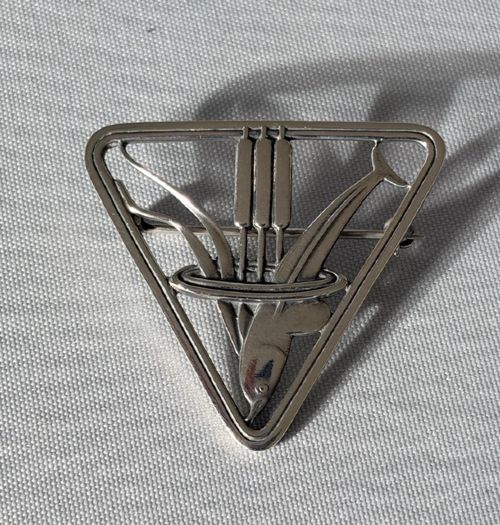
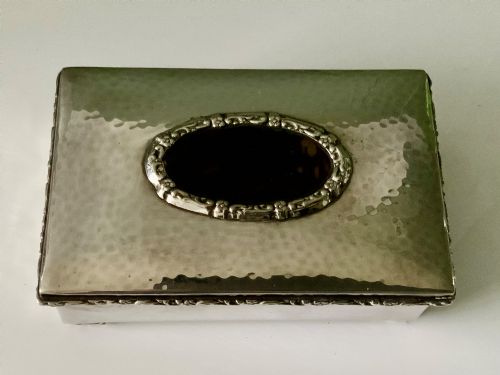
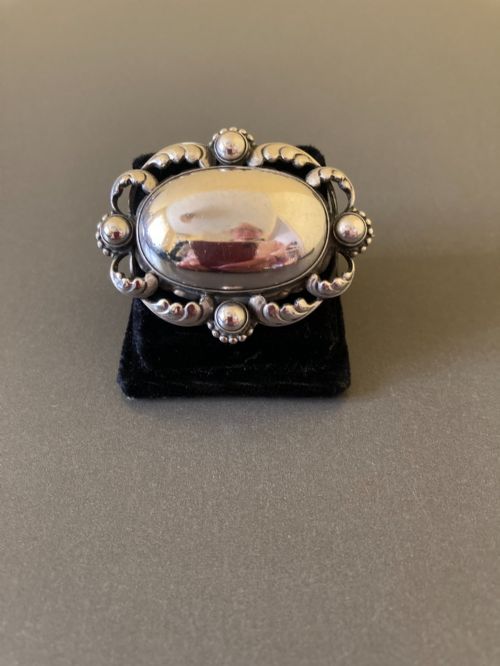
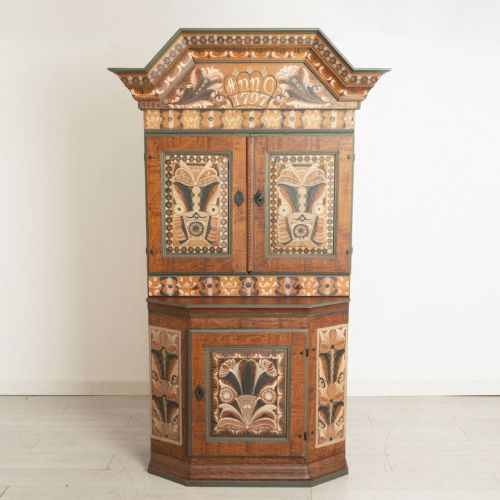
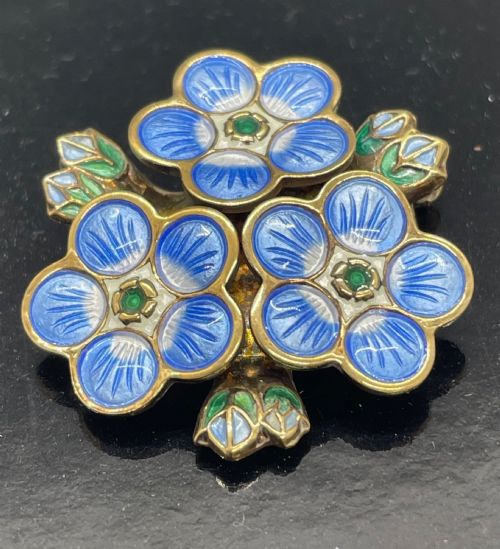
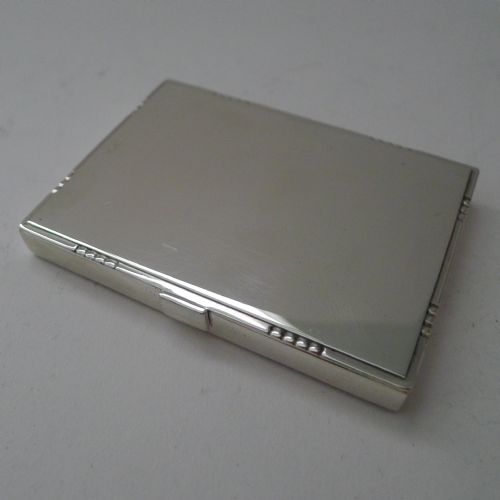
Metalwork relies heavily on sterling silver and silver gilt combined with coloured guilloché enamel for brooches, necklaces and boxes. Paint provides the primary finish for 18th-century cupboards and chests, often applied over pine alongside hand-forged iron strapwork.
Scandinavian Art Retail Price Guide 2026
Typical asking prices for scandinavian art among the pieces listed under this phrase on Sellingantiques today, from the lower quarter to the upper quarter. They describe what is for sale here now, not the wider market.
A carved wooden horse head keeps watch from the handle of a 19th-century Norwegian mangle board.
Judging quality
Quality rests on the integrity of the original surface, particularly on painted pine furniture and folk objects where untouched historic paint determines desirability. Finer items show crisp carving on mangle boards and precise execution in enamel jewellery work.
Proportion and timber selection divide standard pieces from superior examples, visible in the grain matching of satin birch cabinets and the clean lines of art deco seating. Maker attribution, such as works bearing silversmith marks, elevates the standing of silver items.
Marius Hammer·Georg Jensen·Harald Nielsen·David Andersen·Royal Copenhagen
The Scandinavian Art Glossary
- Guilloché enamel
- Enamel work decorated with precise, repetitive mechanical patterns beneath a translucent coloured layer. This technique appears frequently on early 20th-century brooches and pendants.
- Satin Birch
- A pale, lustrous timber utilised extensively by Scandinavian cabinetmakers for art deco sideboards, armchairs and bedside tables. It provides a distinctive blond grain pattern.
- Silver Gilt
- Sterling silver covered with a thin layer of gold on its surface. This finish is common on Scandinavian dress jewellery and decorative festoon necklaces.
- Folk Art
- Utilitarian objects decorated or shaped by rural makers using traditional local motifs. Examples include hand-painted wedding chests, carved bird boxes and dairy bowls.
Scandinavian Art: Frequently Asked Questions
What defines Scandinavian art furniture?
Furniture spans rural painted pine pieces from the eighteenth century and earlier, alongside clean-lined satin birch designs from the 1930s art deco period.
Makers balanced utility with restraint, using native woods like elm and walnut to create functional domestic items with distinct regional character.
How do I care for painted folk furniture?
Painted pine and rural woodwork require stable indoor humidity away from direct heat sources to prevent timber movement and paint flaking.
Dust gently with a dry cloth and avoid harsh chemical cleaning products that might compromise historic pigment layers.
What periods do these silver pieces come from?
Silverware and jewellery largely date from the early decades of the twentieth century, reflecting Skønvirke, art nouveau and art deco movements.
Many items incorporate coloured guilloché enamel and silver gilt work originating from workshops in Norway and Denmark.
How are oil paintings styled in this collection?
Paintings record domestic interior scenes, quiet room studies and early spring landscapes by various Northern European artists.
Works capture natural light filtering through windows or doorways, often framed simply to highlight the canvas.