

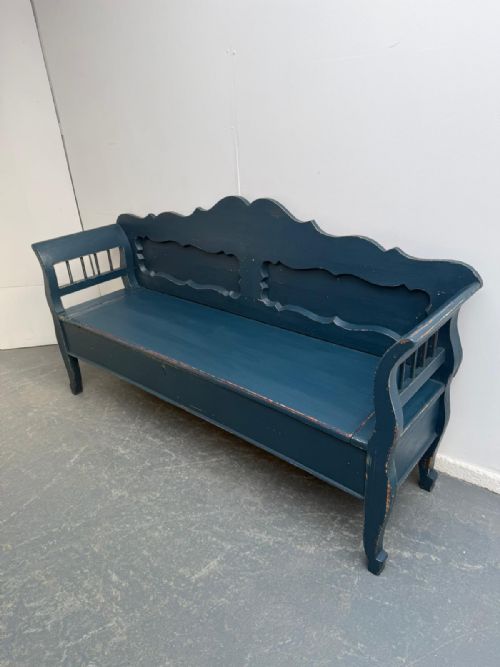


Scandinavian Storage
Scandinavian antique storage covers painted pine chests, folk art trunks and birch cupboards built to hold household textiles and provisions.
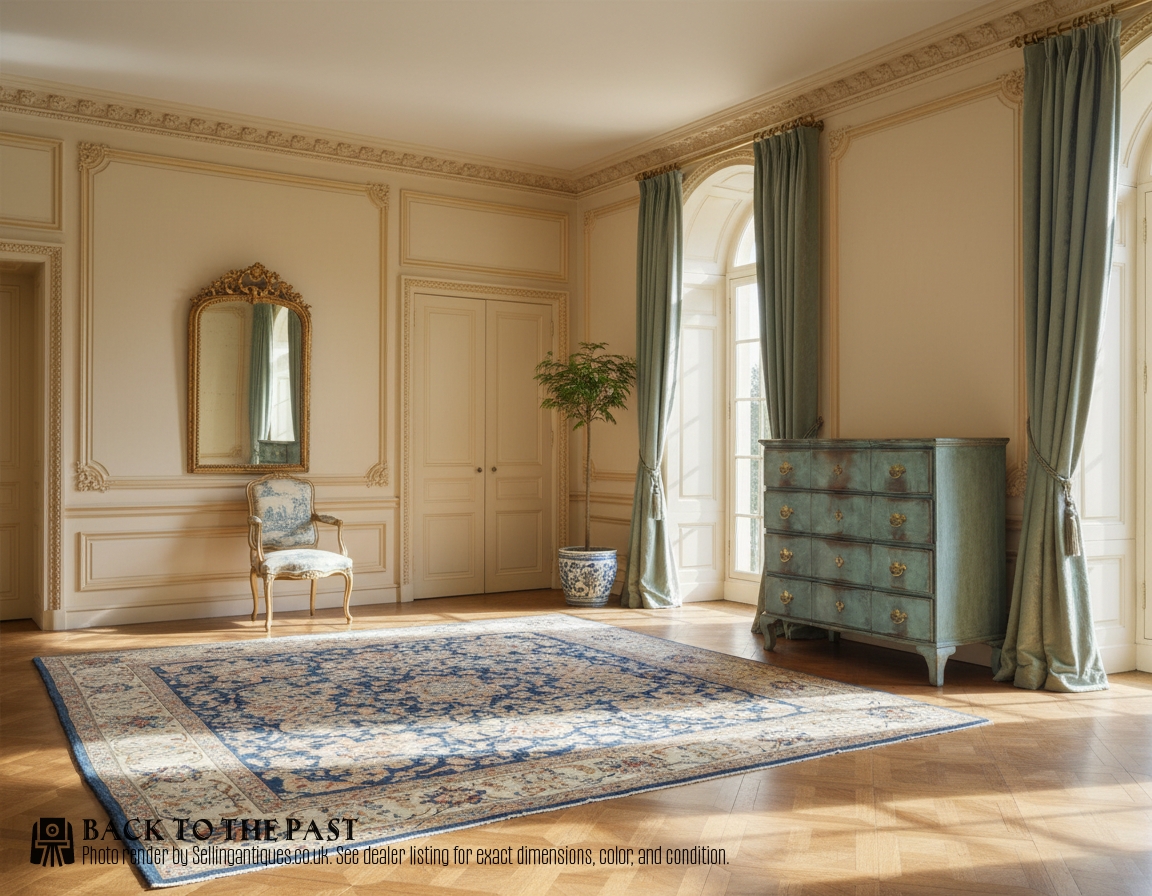
Scandinavian Storage
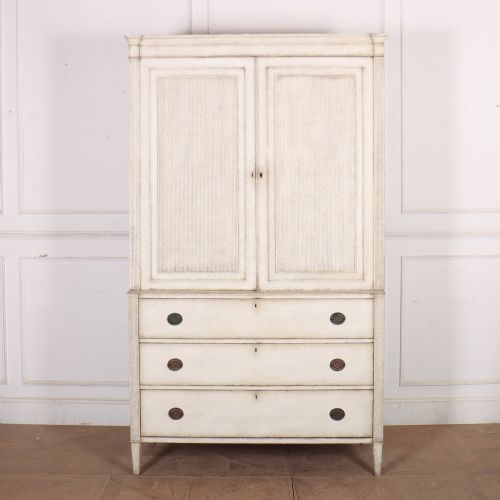
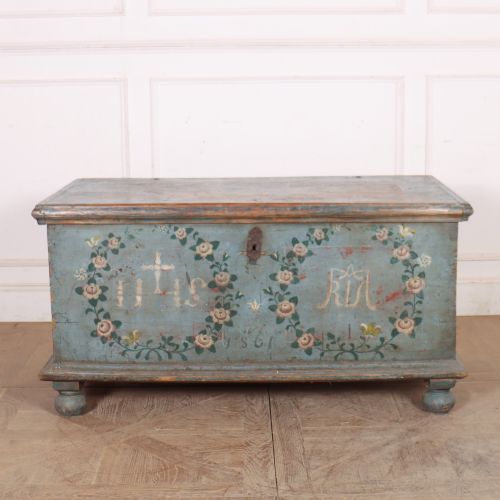
When buyers search for scandinavian antique storage, they encounter functional pieces designed for domestic organisation in rural and urban homes. These utilitarian forms include marriage chests, linen cupboards, dough bins and strong boxes originating from the eighteenth and nineteenth centuries.
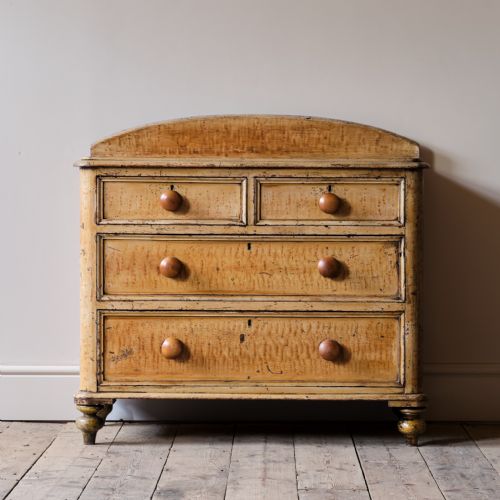
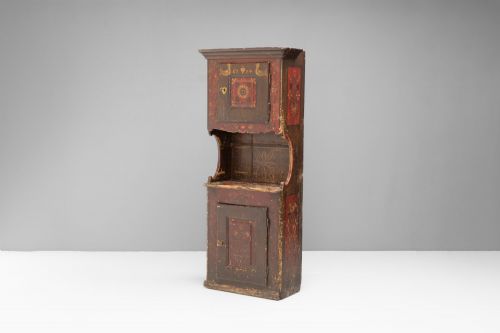
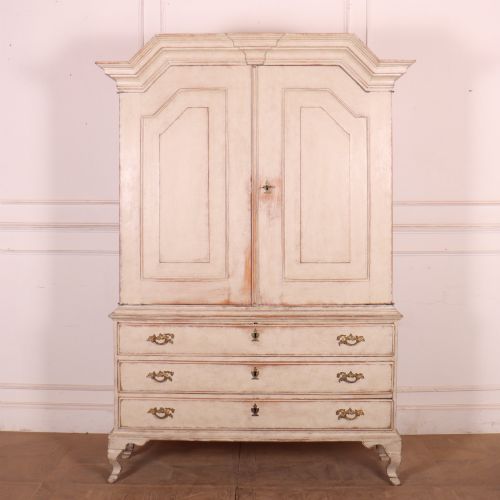
The most common examples on this page are pine chests of drawers and painted cupboards finished in original pigments. These objects served essential storage roles in homes before fitted wardrobes and modern closets existed.
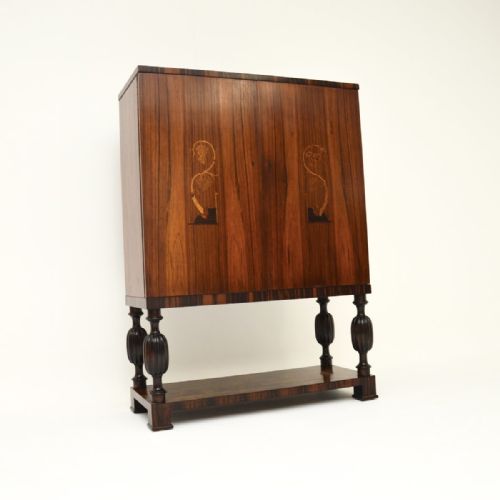
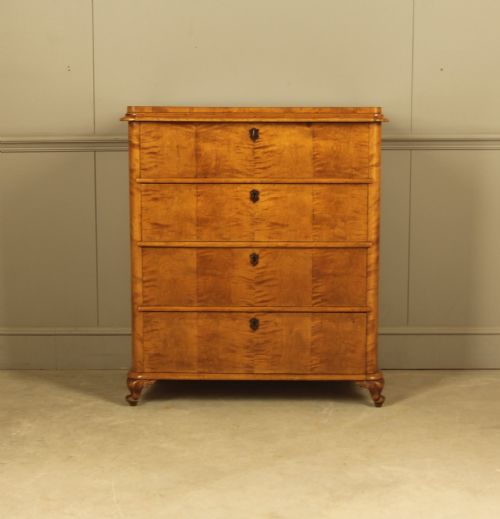
Origins span across Sweden, Hungary and the wider Baltic region, reflecting regional carpentry traditions and decorative folk art practices. Pieces range from simple rustic pine barrels to refined Gustavian commodes and birch secretaires.
Materials and construction
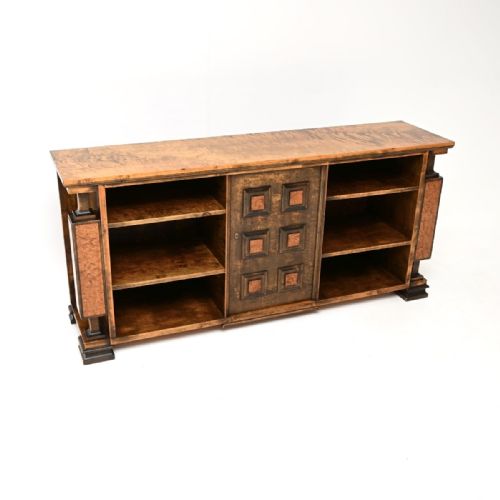
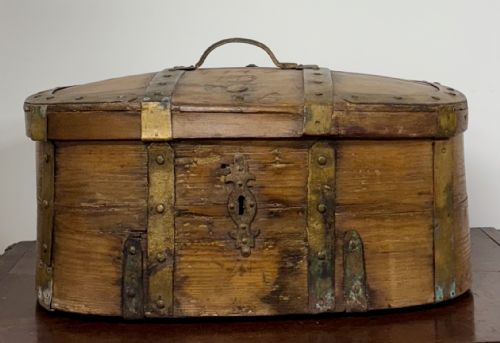
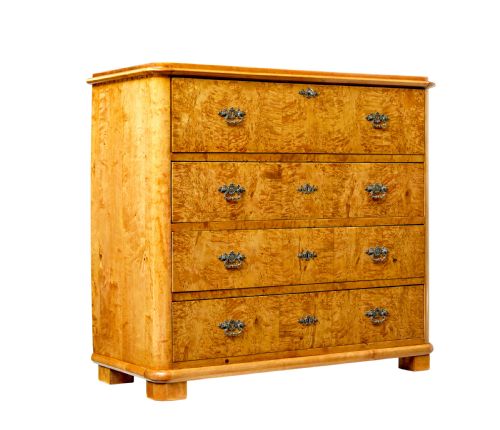
Makers relied primarily on native softwoods and hardwoods, constructing carcasses from solid pine, burr birch and flame birch. Boards were joined using traditional methods and reinforced with hand forged iron strapwork and brass hardware.
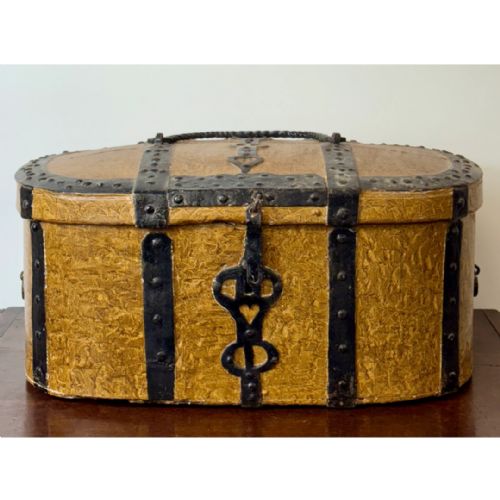
Surfaces were frequently treated with layers of paint, often applied as decorative folk art motifs or left with scraped original paint finishes. Storage vessels such as baskets and barrels also incorporated hand woven pine and natural fibres alongside metal components like copper and wrought iron.
Chemist jars from the nineteen thirties sit alongside eighteenth century folk art trunks, proving that apothecaries needed storage too.
Assessing quality
The distinction between standard utility items and finer pieces rests upon the integrity of the original surface and the sophistication of the joinery. Original scraped paint surfaces and untouched decorative folk art provide greater historical interest than later overpainting.
Construction details such as dovetailed drawer boxes, hand forged iron strapwork, and the selection of figured burr or flame birch veneers indicate superior craftsmanship. Proportion and form also separate simple utilitarian crates from architecturally considered cupboards and serpentine commodes.
The Scandinavian Storage Glossary
- Gustavian
- A Swedish neoclassical style originating in the late eighteenth century characterised by restrained classical detailing, pale painted finishes and symmetrical proportions.
- Marriage chest
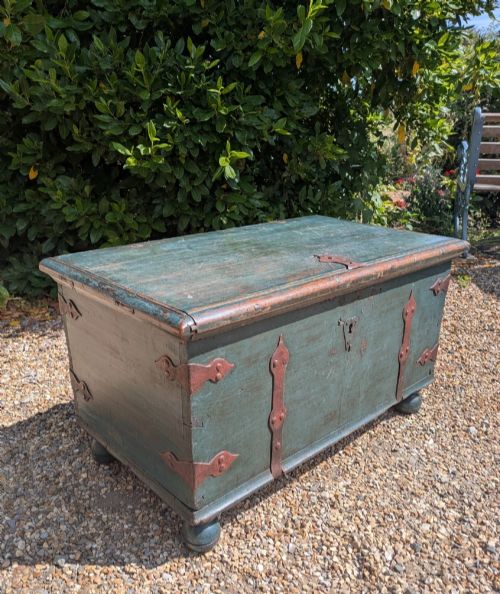
- A large wooden trunk traditionally given as a wedding gift to hold a bride's dowry linens and textiles, frequently inscribed with dates or initials.
- Secretanire
- A cabinet or chest of drawers featuring a pull-out writing surface that conceals smaller compartments and pigeonholes inside.
- Serpentine
- A furniture design featuring a gently undulating curved front line with a convex centre flanked by concave ends.
- Strapwork
- Ornamental bands or straps of wrought iron applied across the surface of trunks and chests to reinforce structural joints and provide security.
Scandinavian Storage: Frequently Asked Questions
What did they store inside these pieces?
These items held household textiles, heavy winter woollens, folded linens, dried provisions and personal valuables.
Marriage chests and linen cupboards kept fabrics safe from dampness and pests in homes lacking built-in closets.
How do I identify original paint?
Original paint exhibits natural wear patterns, oxidation, and subtle craquelure consistent with age and domestic use.
Layers beneath the surface often show through where handling occurred over generations, unlike flat modern reproductions.
Where were these items made?
Carpenters and rural craftsmen produced these objects across Sweden, Hungary and the broader Scandinavian and Baltic regions.
Local timber supplies dictated the choice of pine and birch while regional aesthetics influenced decorative painted finishes.
How do I live with antique storage?
These versatile pieces function effectively as coffee tables, hallway blanket boxes, bedroom dressers and living room media consoles.
Their robust construction allows them to handle daily domestic utility while adding historical texture to modern interiors.