
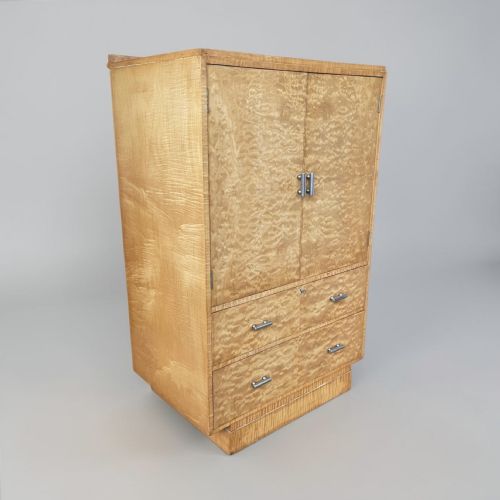
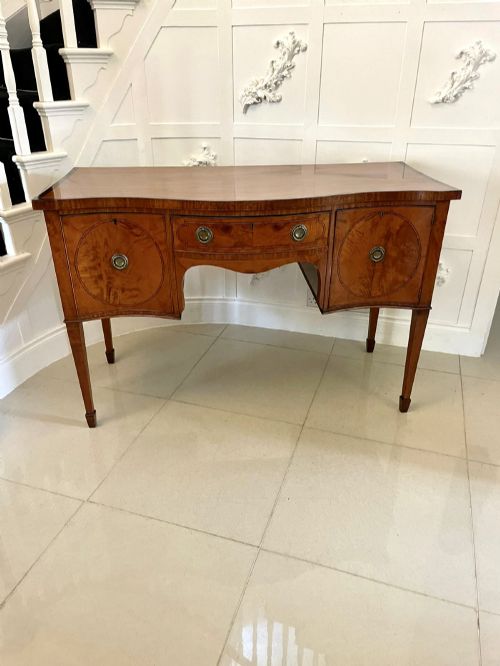
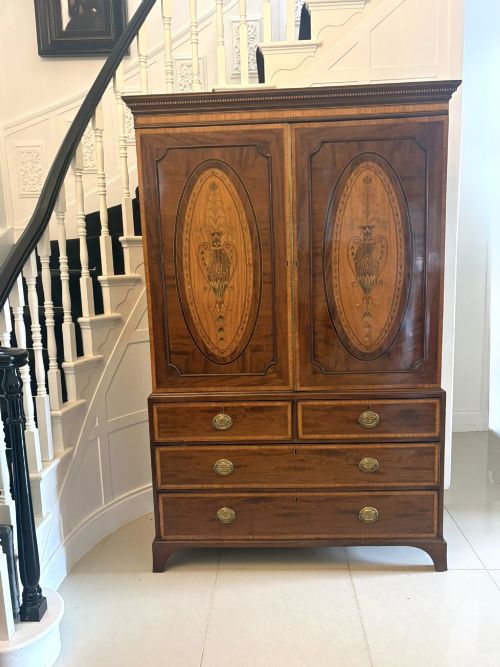
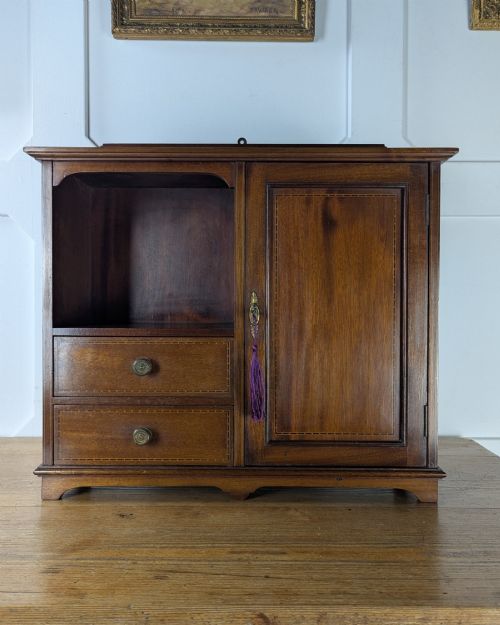


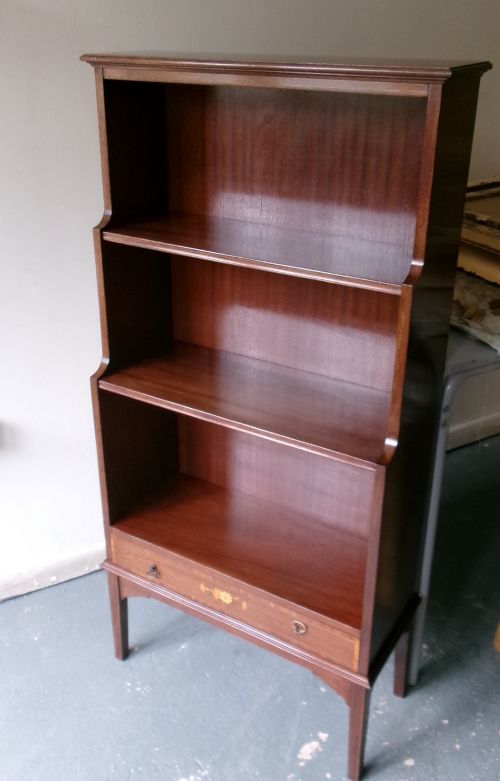
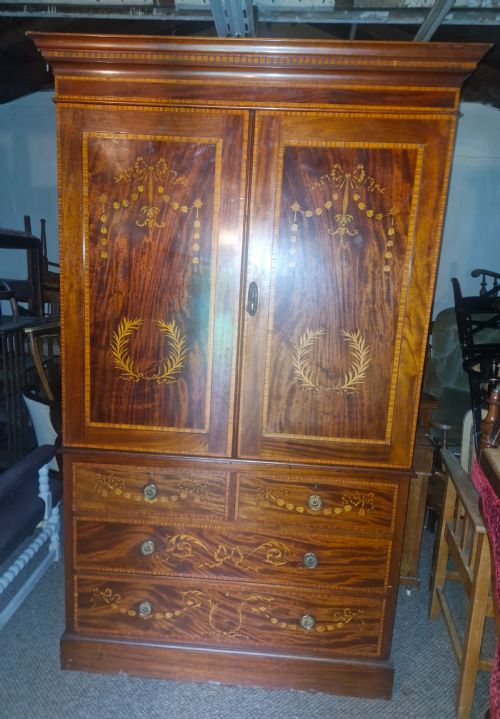
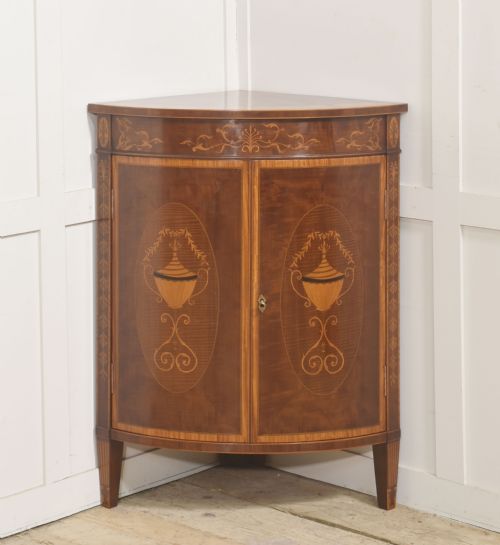
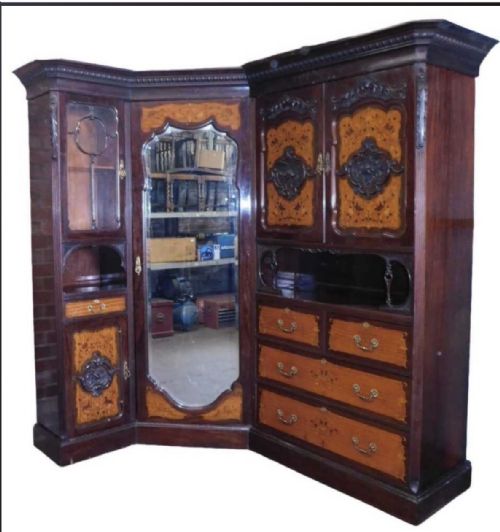
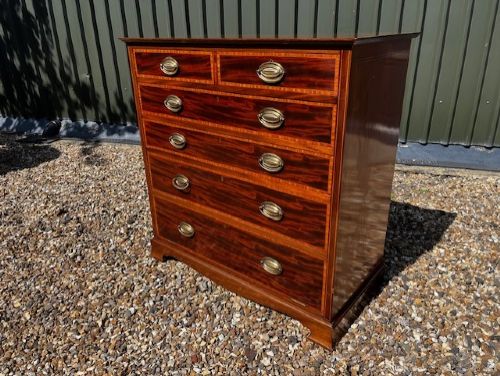
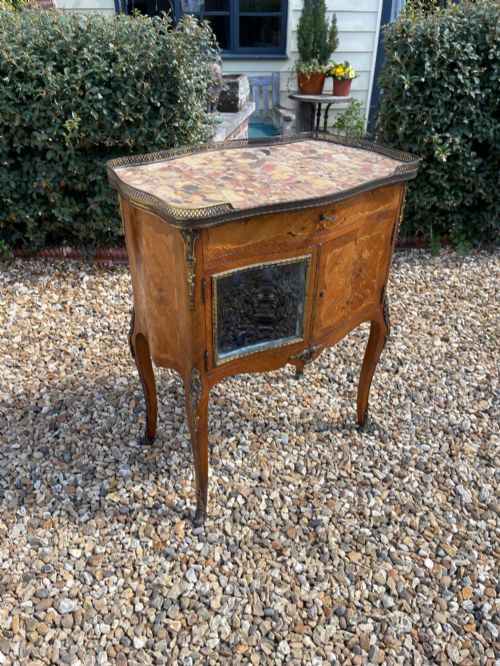
Satinwood Storage Cabinet
A satinwood storage cabinet brings luminous grain and refined timber into a room, offering both display and concealment.
What a satinwood storage cabinet is
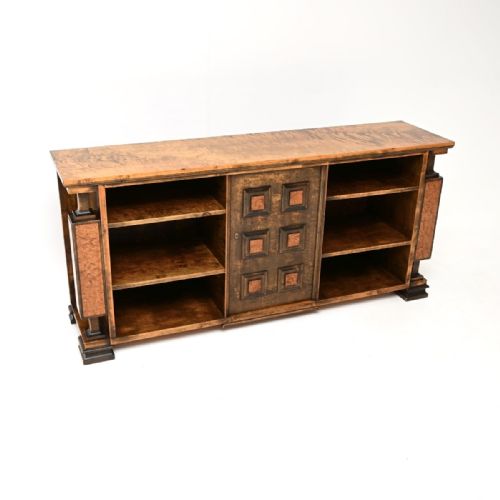
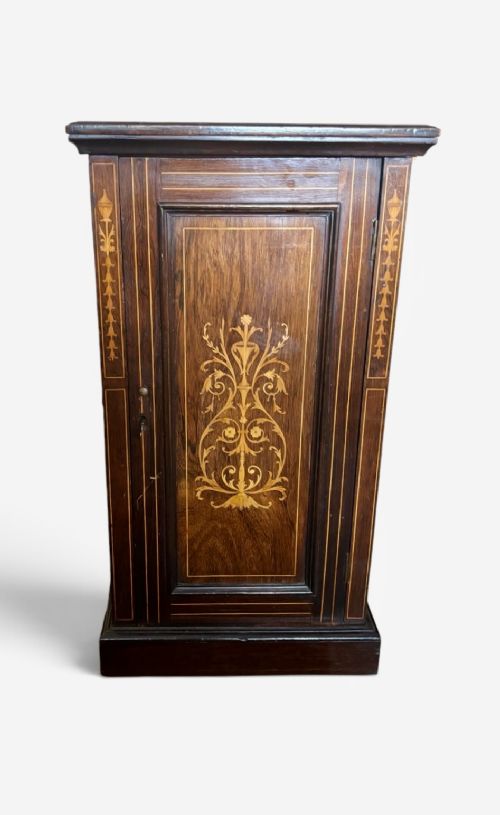
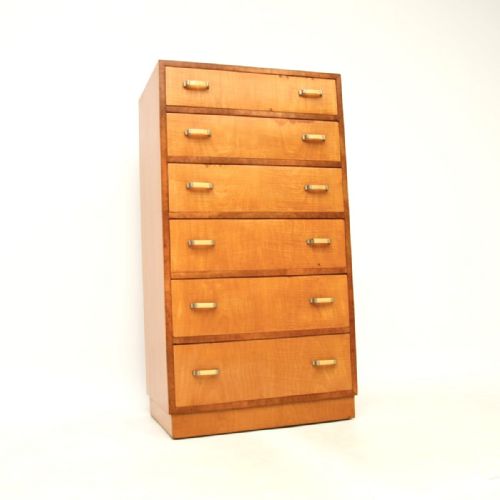
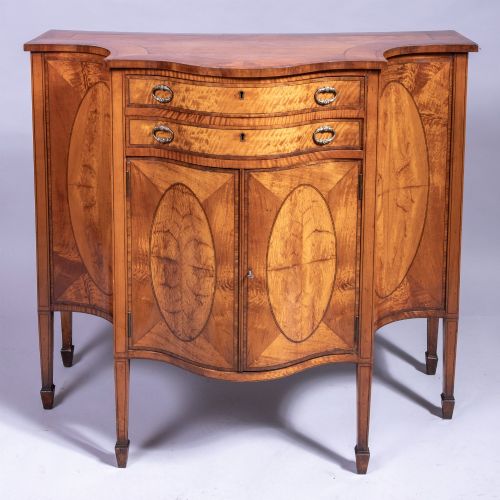
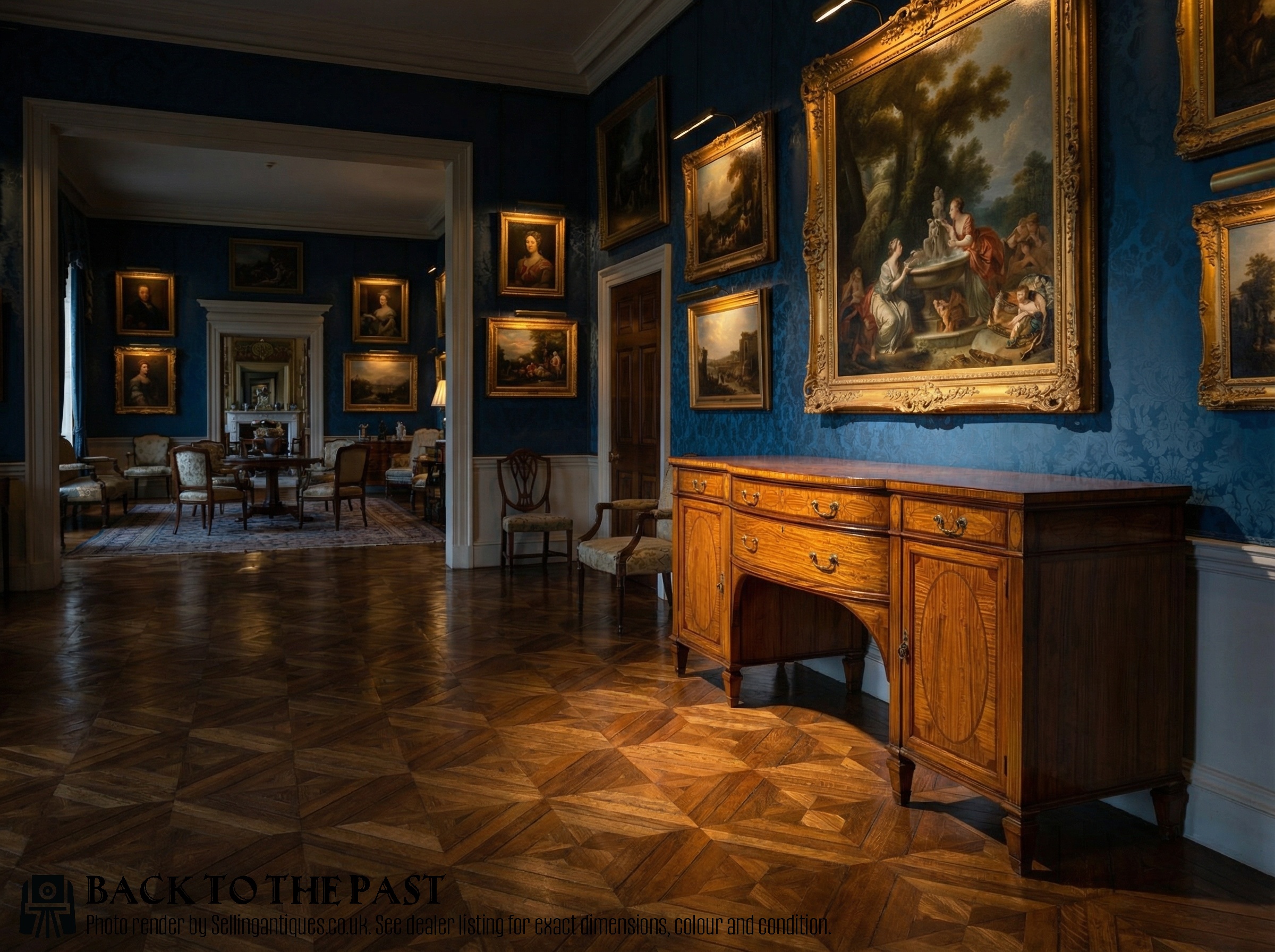
When you search for a satinwood storage cabinet, you encounter pieces spanning from the Georgian period through to the Edwardian era. These items range from breakfront bookcases and sideboards to pier cabinets and chiffoniers.
The Edwardian examples frequently appear on this page alongside Georgian and Victorian pieces. They serve as functional furniture designed to hold books, china, and everyday household items while adding distinct visual warmth to an interior.
Materials and construction
These cabinets rely on satinwood as the primary timber, often combined with mahogany, walnut, and rosewood for contrast. Wood inlay adds intricate detail to the surfaces.
Makers integrated brass hardware and glass panels into the designs. Selected pieces incorporate painted decoration alongside traditional cabinetry techniques.
Retail Price Guide 2026
Typical UK retail prices for satinwood storage cabinet, calculated from the Sellingantiques database of over a million retail prices indexed since 2003. This retail price guide relies exclusively on Sellingantiques data; no external sources or auction records are used, so the figures do not describe the wider market.
The listings span five distinct periods: Georgian, George III, William IV, Victorian, and Edwardian.
Assessing quality
Quality rests upon the selection of timber veneers and the precision of the wood inlay work. Pieces featuring finely painted decoration sit higher in the range than plain surfaces.
Structural integrity of the fitted interiors and the crispness of the brass mounts distinguish standard production from superior cabinet making.
The Satinwood Storage Cabinet Glossary
- Breakfront
- A piece of furniture with a central section that projects forward from the flanking sections. This configuration creates architectural depth on sideboards and bookcases.
- Inlay
- A technique where pieces of contrasting timber are inserted into recesses in the primary wood surface to form patterns. It defines the decorative scheme of many Edwardian and Georgian examples.
- Chiffonier
- A low sideboard or cabinet featuring shelves or cupboards enclosed by doors. The William IV period introduced sturdy iterations of this form.
- Pier Cabinet
- A narrow display cabinet designed to fit the wall space between windows. These incorporate glass doors to showcase collections.
- Satinwood
- A pale, hard timber native to Ceylon and the West Indies with a lustrous sheen. It forms the principal surface material for these storage pieces.
Frequently Asked Questions
How do I date a satinwood cabinet?
Dating relies on stylistic markers and construction methods. Georgian pieces display classical proportions, while Edwardian items often feature lighter frames and specific inlay motifs.
Examining the secondary woods and interior fittings provides further evidence for the period of manufacture.
Where should I place a pier cabinet?
A pier cabinet fits well against narrow wall spaces or between architectural openings. Its shallow depth prevents it from dominating smaller rooms.
The glass doors allow for the display of ceramics or books without cluttering the floor space.
How do I clean satinwood furniture?
Dust the surface regularly with a soft, dry cloth to prevent dirt accumulation. Avoid harsh chemical cleaners that can damage the polished finish.
Apply a quality beeswax periodically to nourish the timber and maintain its natural lustre.
What is the difference between a chiffonier and a sideboard?
A chiffonier is typically smaller and more enclosed than a traditional sideboard, often featuring a low superstructure or shelf back. They emerged to serve specific storage needs in dining and living rooms.
Sideboards generally offer broader proportions with a combination of drawers and deep cupboards.