


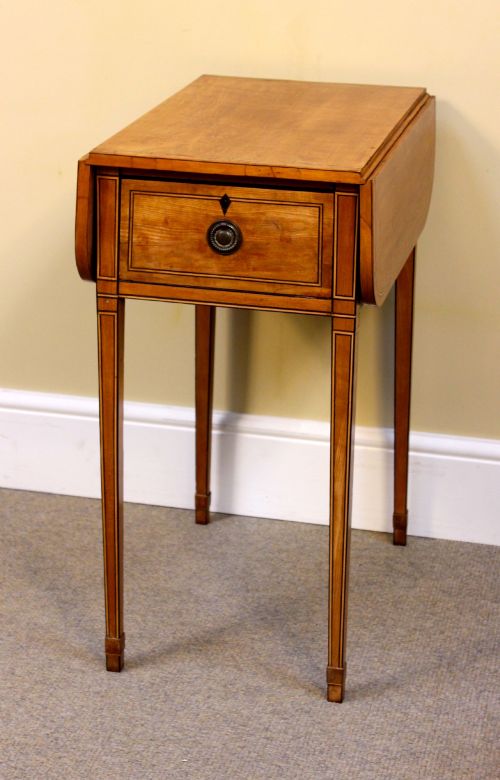
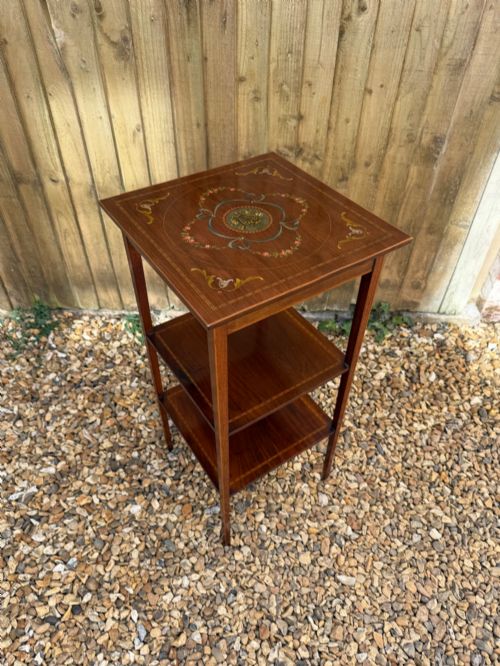
Satinwood Inlay Table
Satinwood inlay tables combine pale timber with dark contrasts across occasional pieces, card tables and desks from the eighteenth to the early twentieth century.
Satinwood Inlay Table
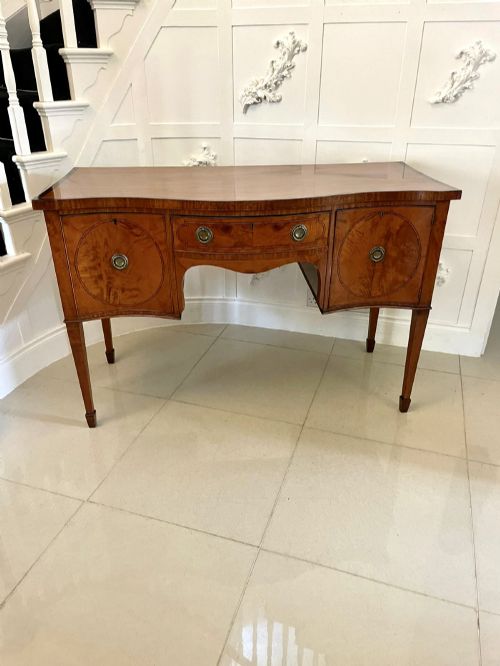
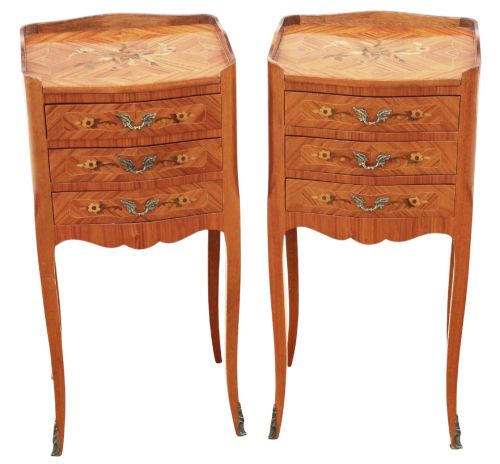
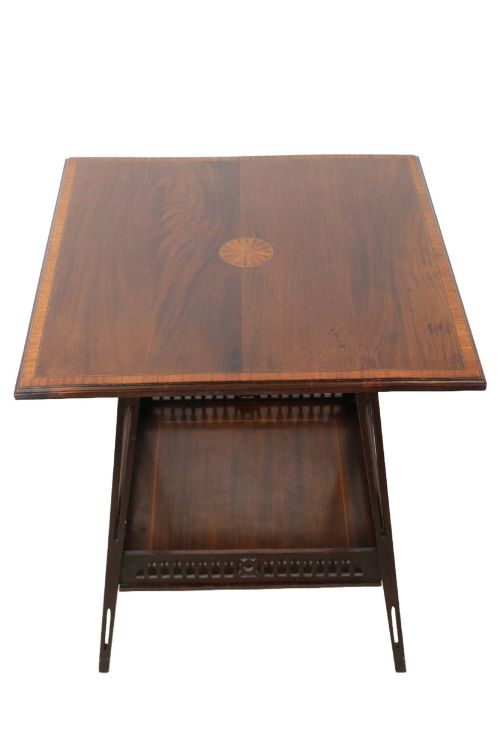
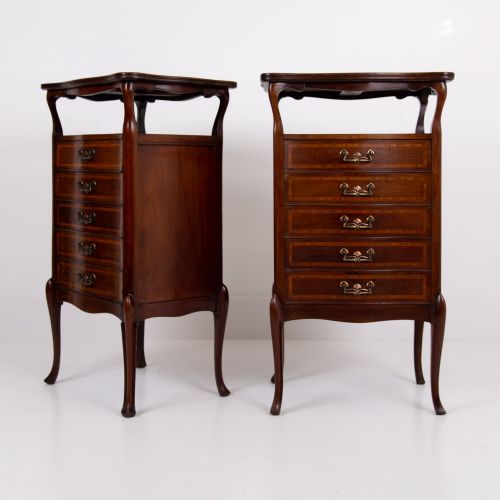
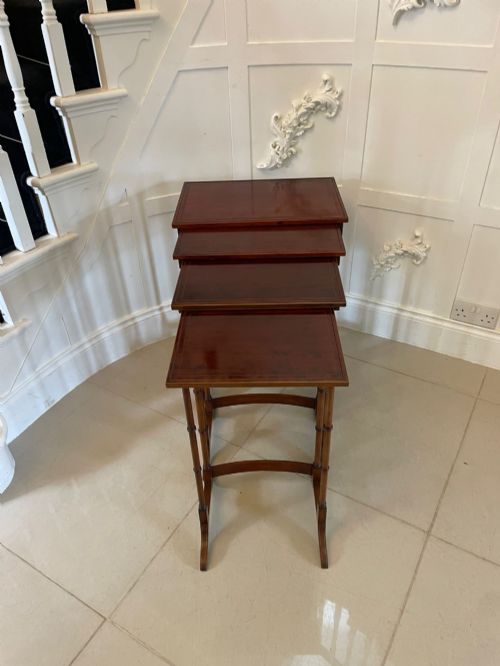
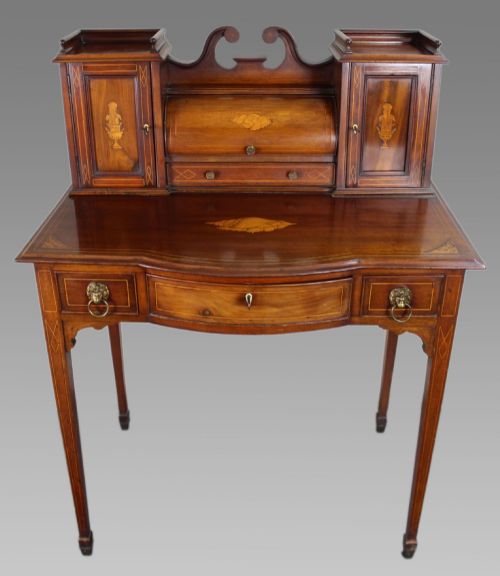
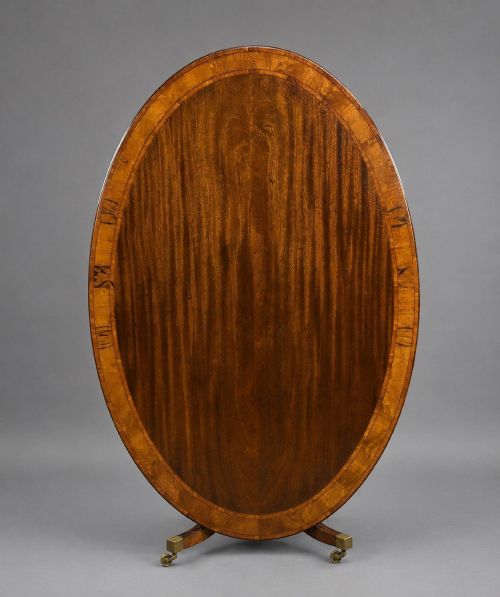
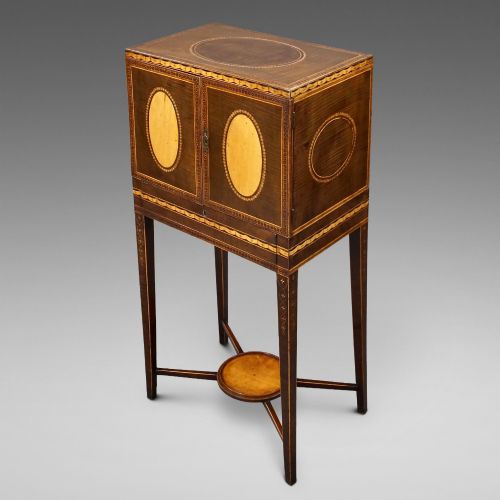
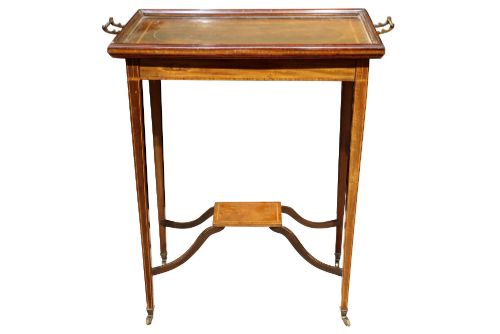
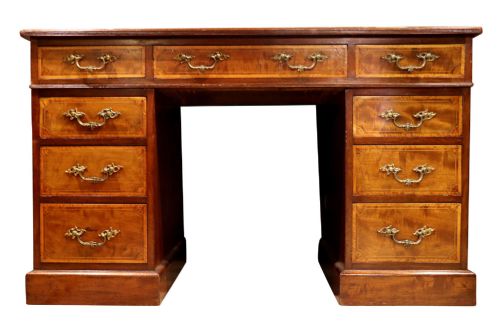
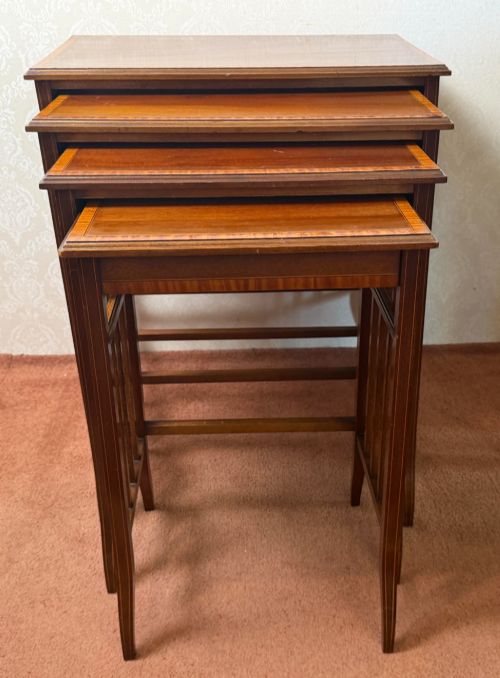
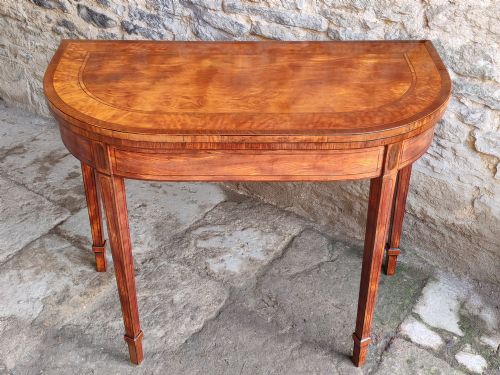
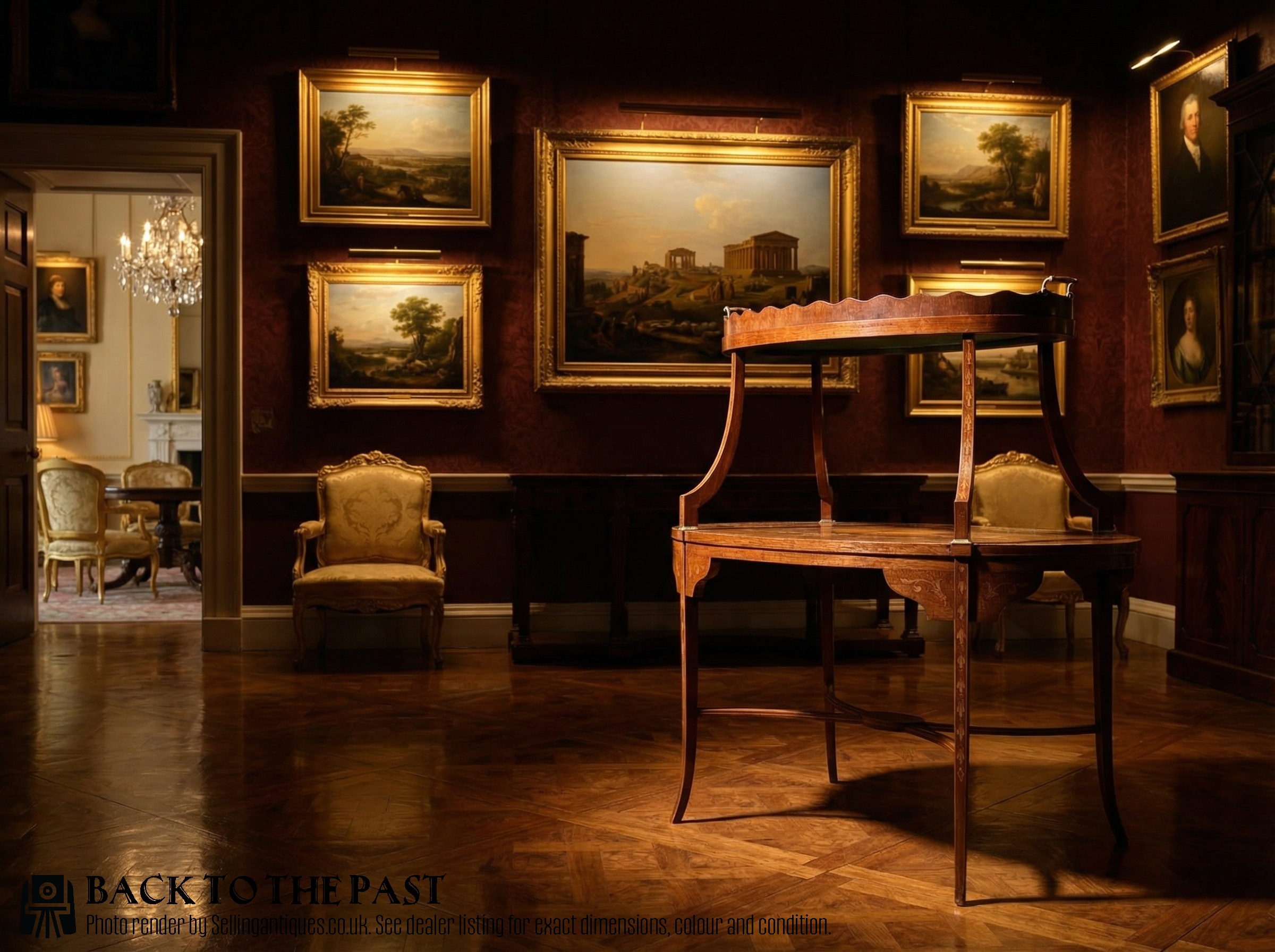
A satinwood inlay table brings together centuries of cabinetmaking, ranging from eighteenth-century George III and Sheraton pieces to Edwardian and Victorian revivals. Buyers seeking a satinwood inlay table encounter forms such as occasional tables, card tables, writing desks, and lamp tables.
The Edwardian era provides many examples on this page, often pairing mahogany carcases with satinwood banding and boxwood line inlay. Earlier pieces from the eighteenth century utilise finely figured satinwood veneers and marquetry details on demi-lune or drop-leaf frames.
How they were made
Cabinetmakers constructed these tables using solid timber frames of mahogany, rosewood, or walnut, applying veneers of satinwood and harewood to primary surfaces. Contrasting details utilise boxwood, ebony, and brass line inlay to create geometric borders and delicate floral motifs.
Marquetry techniques combine different coloured wood veneers to form pictorial designs, while crossbanding frames the grain of the satinwood at right angles to the main surface. Brass galleries, leather writing inserts, and original handles complete the construction of the finer desks and lamp tables.
Satinwood Inlay Table Retail Price Guide 2026
Typical asking prices for satinwood inlay table among the pieces listed under this phrase on Sellingantiques today, from the lower quarter to the upper quarter. They describe what is for sale here now, not the wider market.
Some Edwardian card tables feature clever mechanical folding actions designed to transform a side table into a gaming surface instantly.
What varies in quality
The refinement of the timber selection dictates the visual depth of the piece, with highly figured satinwood and rich rosewood foundations creating stronger contrast. Precision in the marquetry cutting and the crispness of the boxwood and ebony lines separate standard production from master craftsmanship.
Original hardware, intact brass galleries, and untouched patination on the timber surfaces elevate the standing of a piece. Structural integrity in folding mechanisms on card tables and drawers on desks indicates the original standard of workshop assembly.
Trevor Page & Co·Edwards & Roberts·Gillows·Morant & Co·Maple & Co
The Satinwood Inlay Table Glossary
- Satinwood
- A hard, durable tropical timber with a lustrous, golden-yellow sheen that takes a fine polish. It serves as the primary veneer for contrasting surfaces on eighteenth and nineteenth-century furniture.
- Crossbanding
- A narrow strip of veneer applied to the border of a tabletop or drawer front with the grain running perpendicular to the main panel. This technique frames the central satinwood field.
- Marquetry
- The art of forming decorative patterns by fitting together thin slices of various coloured woods, ivory, and shell. It appears on eighteenth-century demi-lune tables and Edwardian desks.
- Boxwood
- A dense, pale yellow wood utilised for fine line inlay and stringing. It provides sharp contrast against darker timbers like mahogany and rosewood.
- Demi-lune
- A half-moon shape used for side tables and card tables designed to sit flush against a wall. These pieces frequently feature satinwood veneers and inlaid borders.
Satinwood Inlay Table: Frequently Asked Questions
What is a satinwood inlay table?
A satinwood inlay table is a piece of antique furniture featuring pale golden satinwood surfaces embellished with contrasting wood veneers, stringing, or marquetry. These tables span several centuries, including Georgian, Regency, and Edwardian periods.
Craftsmen utilised timbers such as mahogany and rosewood as carcases, applying satinwood for its distinct light reflectivity and smooth texture. They serve functional roles as writing desks, card tables, and occasional lamp stands.
How do I date an inlaid table?
Dating relies on timber choices, leg shapes, and construction methods. Eighteenth-century pieces often feature delicate hand-cut marquetry and tapered legs, while Edwardian revivals employ machine-sawn veneers and broader mahogany structures.
Examining secondary timbers inside drawers and checking for maker stamps can narrow the timeline further. Regency pieces frequently combine rosewood with satinwood crossbanding and brass line details.
Were satinwood tables used for writing?
Many satinwood tables were designed specifically for correspondence, featuring fitted drawers, tooled leather inserts, and pigeonholes. Carlton house desks and pedestal desks combined these functional writing surfaces with decorative marquetry.
Smaller occasional tables and pembroke tables also provided portable writing spaces for drawing rooms and boudoirs. Their dual purpose allowed them to function as decorative display furniture when not in active use.
How do I care for satinwood?
Satinwood requires regular dusting with a soft, dry cloth to protect the polished veneer finish. Avoiding direct sunlight prevents the golden timber from darkening or fading over time.
Applying microcrystalline wax occasionally helps nourish the wood and maintain its lustre without building up heavy residue. Keeping the tables away from direct heat sources prevents the veneer from lifting or cracking.