

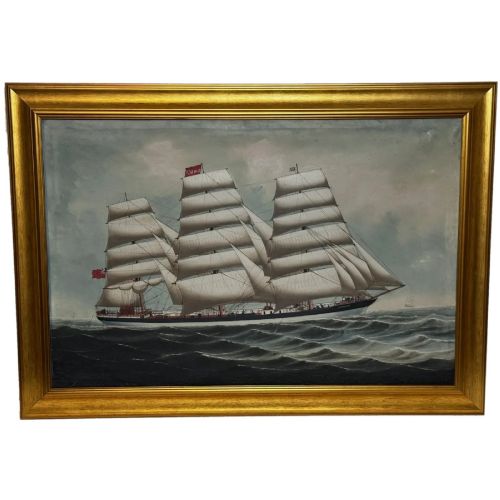
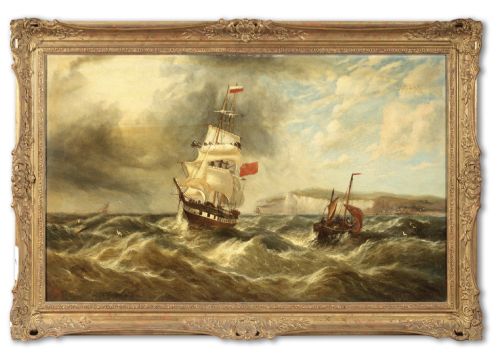
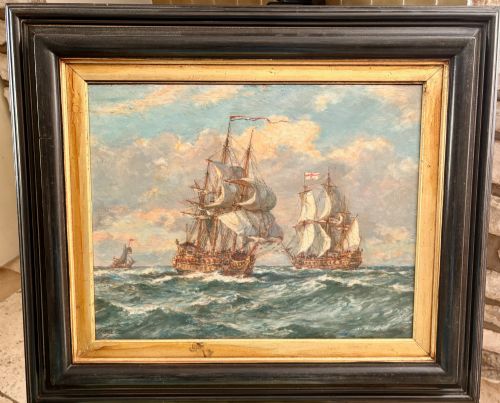
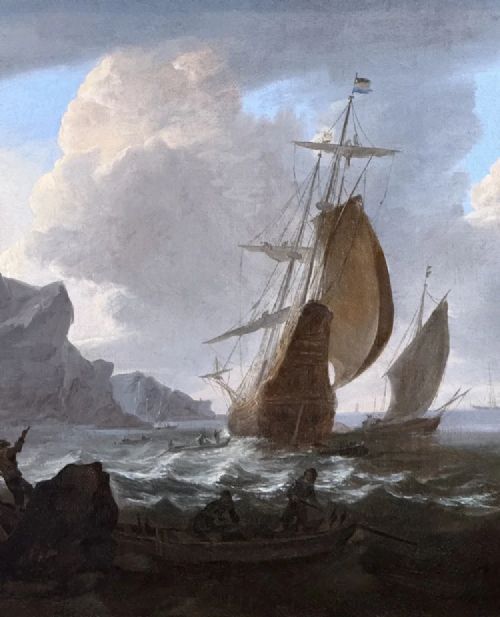


Sailing Ship Canvas Painting
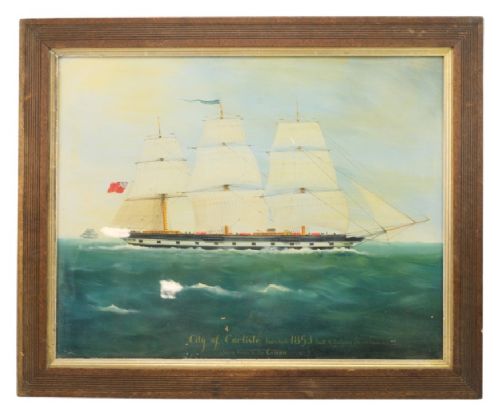
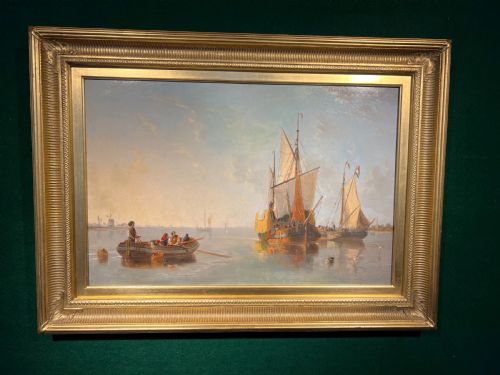
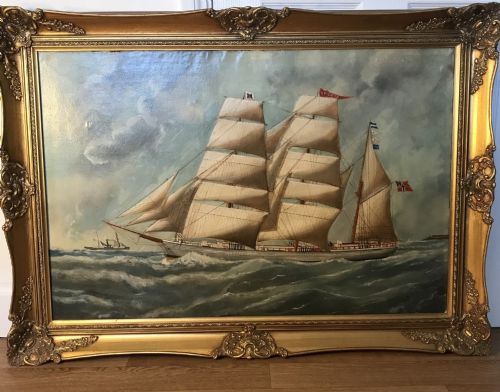
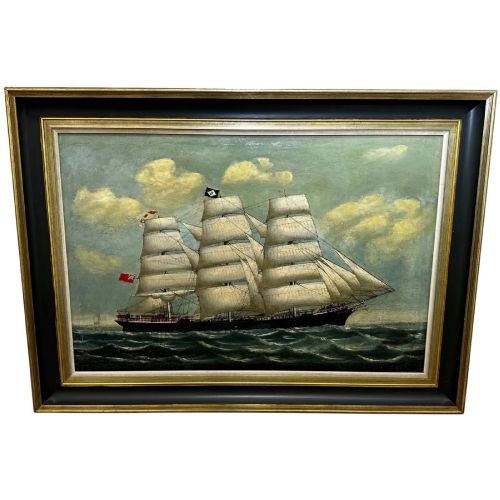
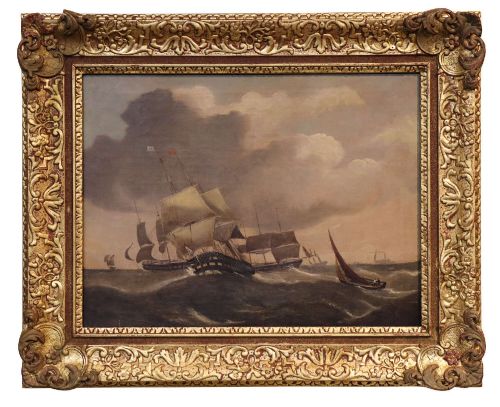
These sailing ship canvas painting works capture the drama of maritime history, bringing historical vessels and tumultuous seas directly onto woven fabric.
Sailing Ship Canvas Painting
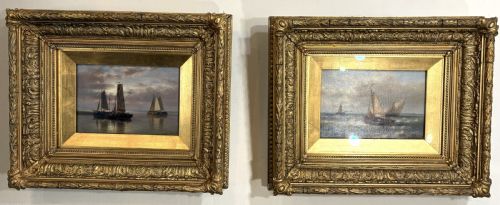
A sailing ship canvas painting depicts naval engagements, merchant vessels, clipper ships, and coastal scenes rendered in oil mediums across several centuries.
The pieces on this page span from the 18th century through the Victorian and Edwardian eras up to the mid-20th century, encompassing both grand historical narratives and intimate harbour views.
While primarily composed of framed oil paintings on canvas, the selection occasionally includes related maritime forms such as model boats and pond yachts.
How They Were Made
Artists built these works using oil paint applied to stretched canvas, often mounted within wooden frames enhanced by gesso and gold leaf ornamentation.
The technique relies on layering oil pigments to capture the complex interplay of light, heavy seas, billowing sails, and atmospheric coastal conditions.
Several canvases manage to make towering ocean waves look surprisingly fluffy while keeping the cannon smoke remarkably polite.
What Varies in Quality
Quality rests in the precision of maritime rigging, the anatomical accuracy of the vessels, and the artist's ability to render the weight and movement of water.
Works by documented maritime painters or identified ships command greater attention than anonymous depictions due to their historical context and recorded provenance.
Reginald Arthur Borstel·John Rose Miles·Bernard Gribble·Bonaventura Peeters·John Wilson Carmichael·Lai Fong·Abraham Hulk I·Daniel Sherrin·George Shaw·Dion Pears·George Gregory·Marie Edouard Adam·John Callow·Ebeneezer Colls·Joseph Heard·Paul Jean Clays·William Langley
The Sailing Ship Canvas Painting Glossary
- Canvas
- A heavy woven fabric used as a surface for oil painting. It provides the primary structural support for the majority of these maritime works.
- Gesso
- A plaster-like material applied to wooden frames before gilding. It creates a smooth base for gold leaf application.
- Barque
- A sailing vessel with three or more masts. This specific rigging configuration frequently appears in 19th-century ship portraits.
- Gilding
- The application of gold leaf to wood. This technique finished the decorative frames surrounding many antique oil paintings.
Sailing Ship Canvas Painting: Frequently Asked Questions
What subjects appear in these paintings?
The artworks depict named merchant vessels, naval warships engaged in battle, schooners, and barques navigating rough seas or entering harbours. Many record specific historical ships and expeditions.
Alongside open ocean scenes, painters frequently captured lighthouses, coastal figures, and quiet estuaries reflecting daily maritime trade.
How are these paintings dated?
Dates rely on signatures, artist lifespans, historical events depicted within the canvas, and stylistic markers typical of periods like the Victorian era. Framing techniques also offer clues to the age of the piece.
Documentation attached to the stretcher bars or canvas reverse occasionally provides exact years of creation or names of the vessels portrayed.
Where should I hang a maritime painting?
These works suit spaces with stable humidity and indirect sunlight to protect the oil paint and canvas from degradation. Traditional rooms often complement the rich tones of giltwood frames.
Placing the painting at eye level allows viewers to appreciate the fine details of the rigging and the texture of the brushwork.
Who painted these historical ships?
Works originate from professional marine artists, naval officers, and regional English or European schools documenting local maritime activity. Some pieces stem from named specialists in ship portraits.
Other canvases remain attributed to specific artistic circles or anonymous hands working from coastal vantage points during the 19th and early 20th centuries.