




Antique Sea Seascape Art
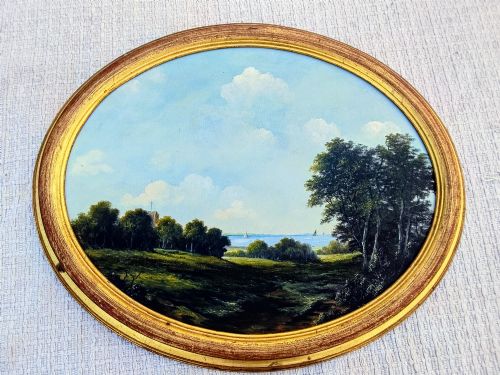
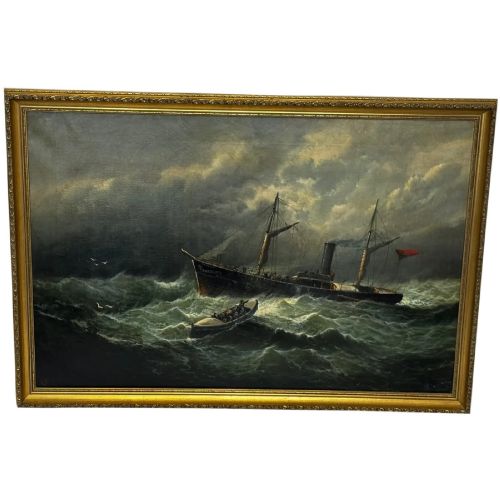
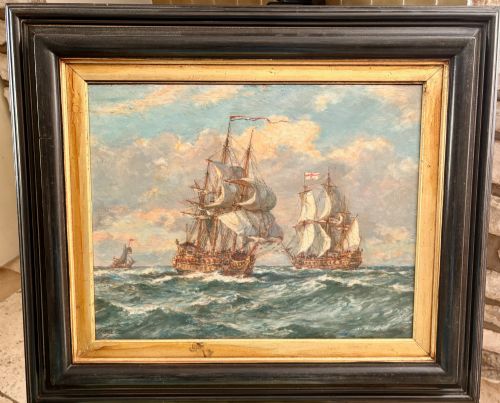
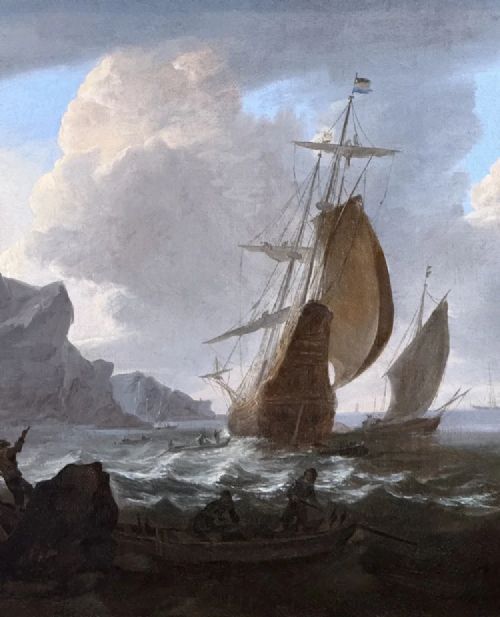
Antique sea seascape art captures the power and permanence of the open water through oil and watercolour paintings spanning the nineteenth and twentieth centuries.
Antique Sea Seascape Art
When searching for antique sea seascape art, collectors encounter a diverse record of maritime life, coastal views, and dramatic weather. The works range from detailed depictions of nineteenth-century sailing ships to atmospheric twentieth-century coastal studies.
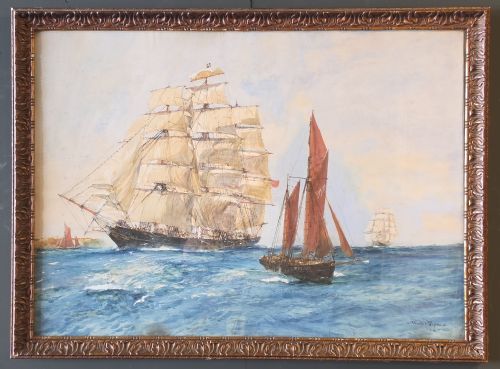
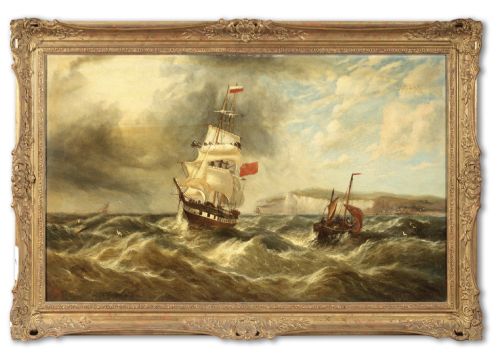
The pieces on this page appear primarily as oil paintings on canvas or board, alongside delicate watercolours and gouache works. Subjects stretch from bustling harbours and fishing boats to solitary vessels caught in heavy gales.
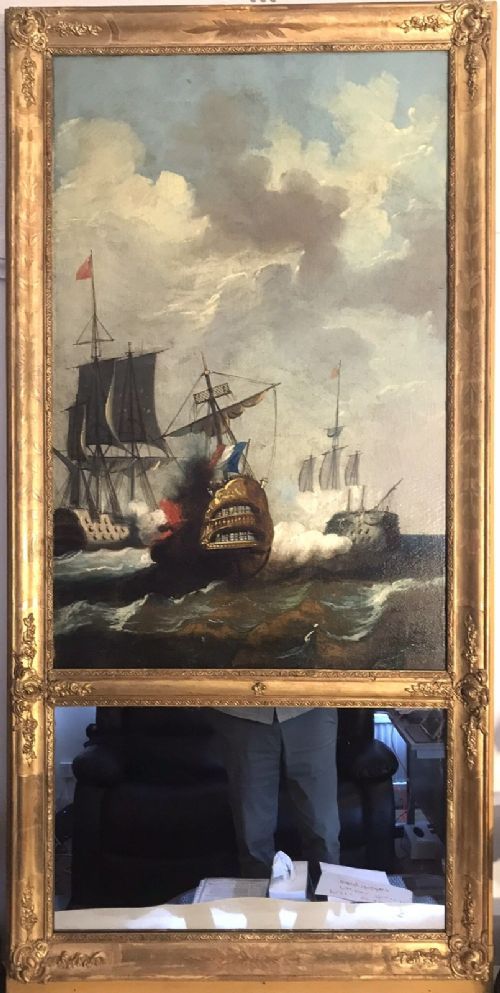
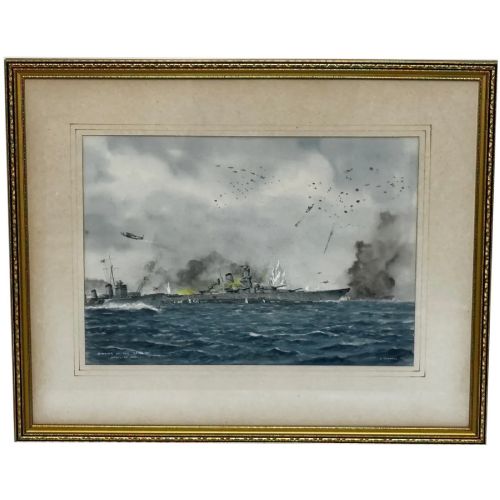
Originating largely from British and European hands, these works document shipping lanes, naval engagements, and quiet shores. Trumeau mirrors inset with oil paintings also preserve the maritime aesthetic within domestic interiors.
How They Were Made
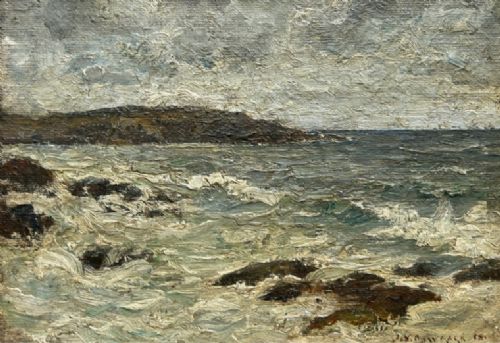
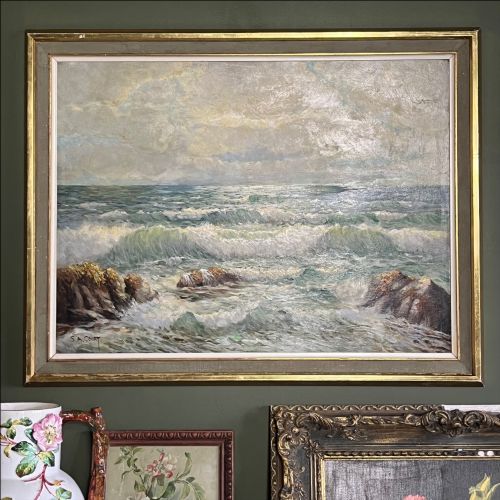
Artists working on canvas and paper utilised oil paint, gouache, and watercolour to render the shifting qualities of light on water. Pigments were applied with brushes or palette knives, building texture through impasto to convey the restless surface of the sea.
Supports varied according to the medium and period, with stretched canvas, wooden panels, thick card, and heavy paper commonly employed. Frames of gilt wood frequently completed the presentation, protecting the edges of the canvas or watercolour mount.
Several Victorian captains undoubtedly glared at these exact storms from the comfort of dry land.
What Varies in Quality
Quality in these maritime works rests on the artist's command of atmosphere, light, and the convincing movement of water. Superior examples capture the specific weight of a wave and the accurate rigging of vessels without losing painterly fluidity.
Condition and the retention of original framing also influence the standing of a piece. Works that preserve their early surface without heavy overpainting offer a more direct connection to the artist's original intent.
James Orrock·William Banks Fortescue·John Rose Miles·Bernard Gribble·Bonaventura Peeters·Bernard Benedict Hemy·John Moore of Ipswich·William Henry Williamson·George Stanfield Walters·Henry Barlow Carter·Charles Napier Hemy·Jean-Baptiste Olive·William Lee Hankey·William Frederick Settle·Daniel Sherrin·George Shaw·John McDougal·Charles Malfroy·Martin Snape·Arthur Bowmar Porter·John Falconer Slater·Charles D'Oyly·Hilda Mary Sides·Edoardo De Martino·Walter Stuart Lloyd
The Antique Sea Seascape Art Glossary
- Impasto
- Paint applied thickly to a canvas or board, standing out in relief to give texture and capture light on churning water.
- Gouache
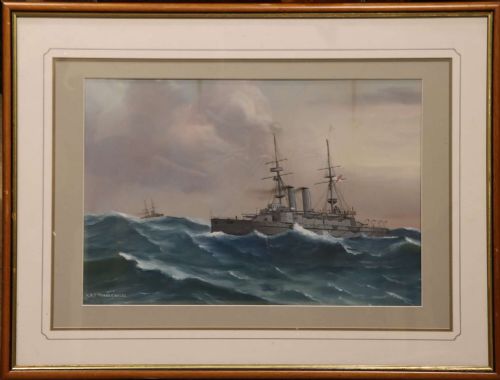
- An opaque water-based medium that allows for dense colour application and fine detail in maritime illustrations.
- Trumeau mirror
- A decorative wall mirror featuring an oil painting set into the upper portion of the wooden frame.
- Sea stack
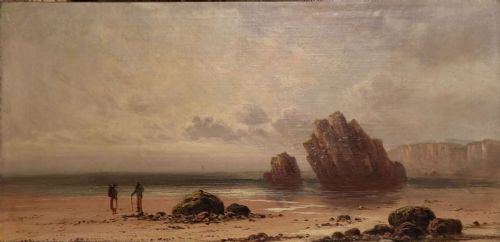
- A geological landform consisting of a steep and often vertical column or columns of rock in the sea, frequently depicted in coastal art.
- Gouache on board
- Pigment applied to a rigid backing material rather than paper, providing a sturdy support for detailed coastal scenes.
Antique Sea Seascape Art: Frequently Asked Questions
How do I date a maritime painting?
Dating relies on stylistic clues, clothing styles of figures on the shore, and the rigging of depicted ships. Signatures, exhibition labels on the reverse, and framing materials also provide chronological markers.
Comparison with documented works by known nineteenth or twentieth-century painters helps narrow the period further.
Where should I hang a seascape?
These works suit spaces with stable lighting away from direct sunlight, which can fade watercolours and discolour varnishes on oil paintings. Placing them at eye level allows the viewer to appreciate the fine brushwork and surface texture.
Heavier gilt frames require secure wall fixings to support the weight safely over time.
Are watercolours as durable as oils?
Watercolours require framing behind glass to protect the paper and pigments from atmospheric moisture and dust. Oil paintings on canvas or board are more robust but still benefit from stable indoor humidity.
Both media survive centuries well when kept away from damp conditions and extreme temperature shifts.
What is the difference between marine and coastal art?
Marine art typically focuses on ships, naval battles, and open water navigation from the perspective of the sea or shore. Coastal art places greater emphasis on the land, beaches, cliffs, and harbour activities.
Many antique paintings blend these categories, showing vessels sheltering near a rocky coastline.