

Framed Naval Oil Painting
A framed naval oil painting brings the drama of tall ships, historic engagements and maritime portraits straight onto the wall.
Framed Naval Oil Painting
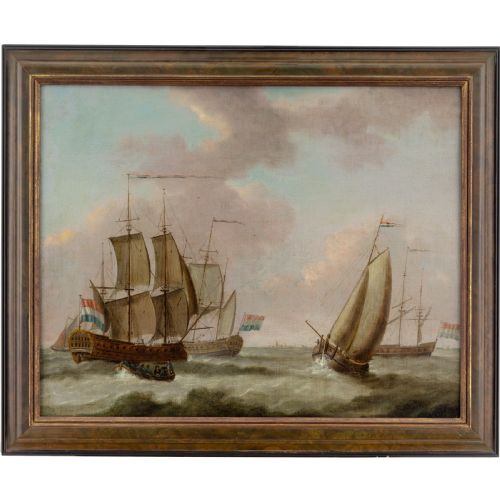
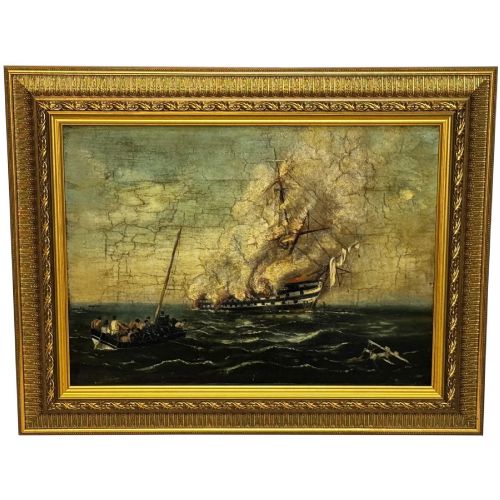
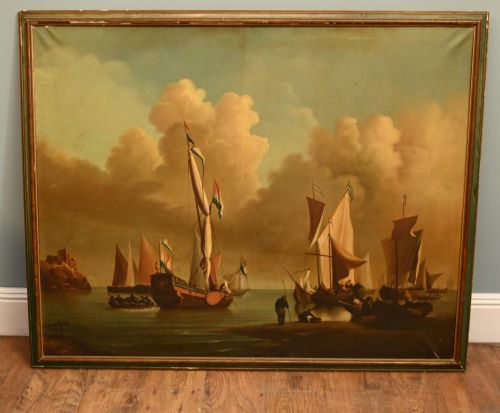
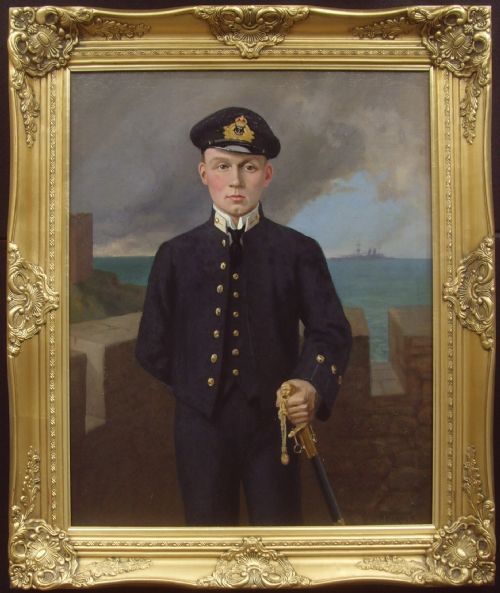
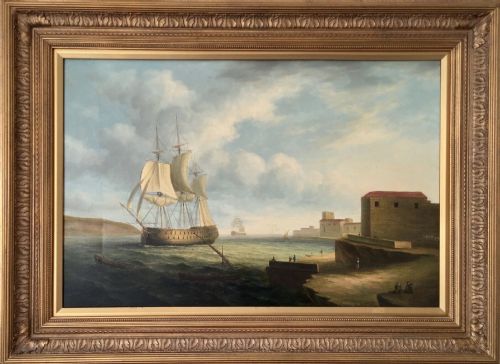
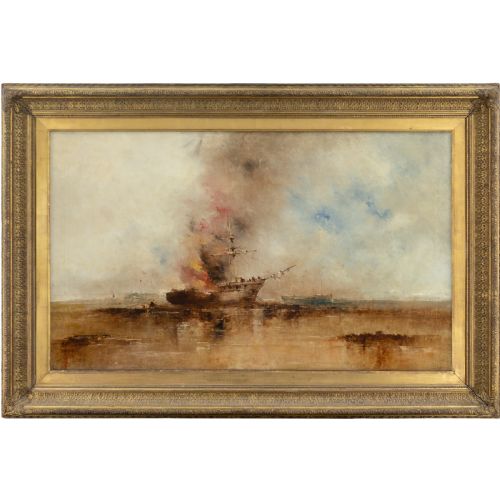
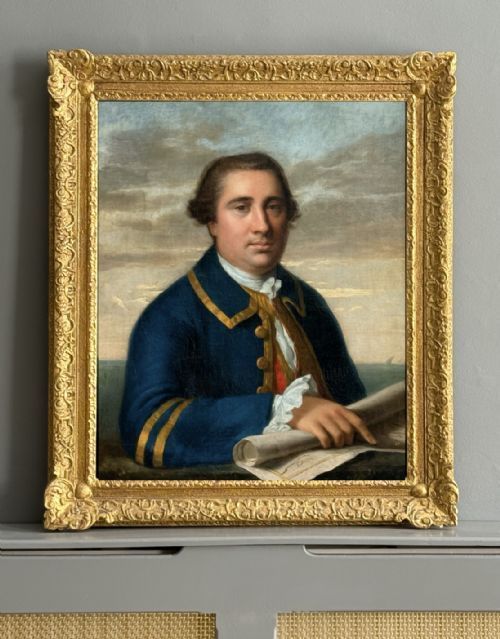
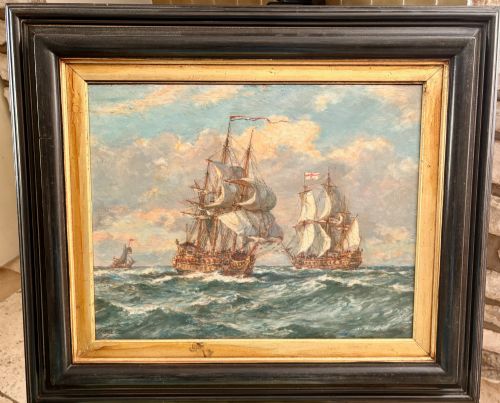
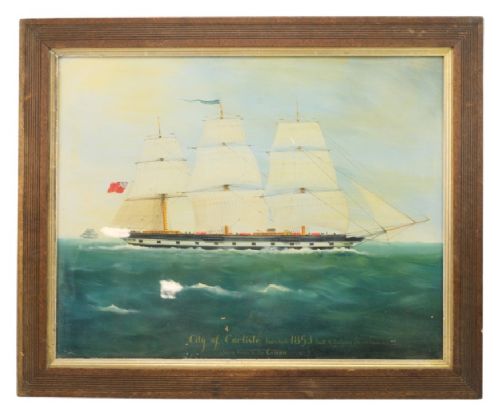
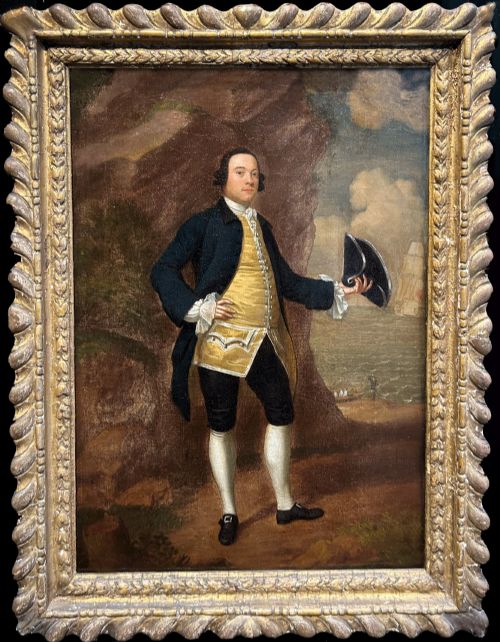
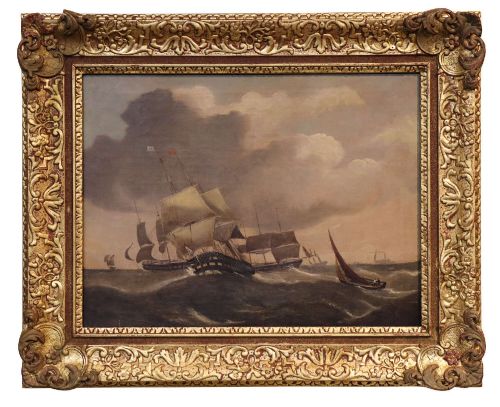
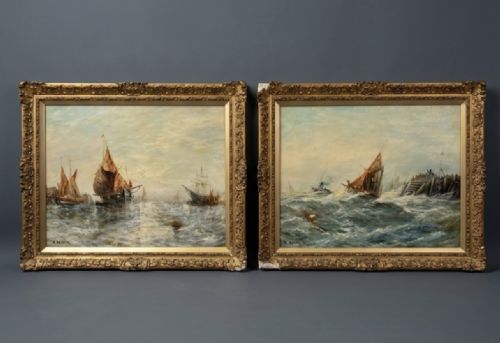
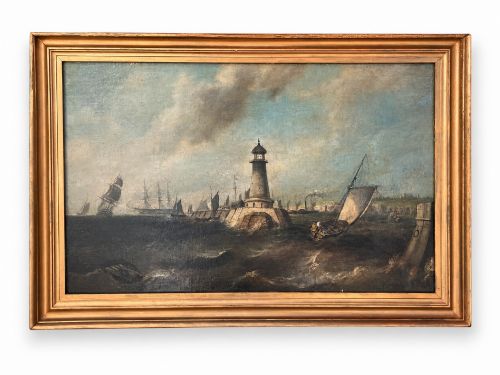
A framed naval oil painting captures centuries of maritime history, ranging from bustling harbour scenes and turbulent sea battles to individual portraits of officers and merchant captains. When searching for a framed naval oil painting, buyers typically encounter works spanning from the seventeenth century through the Victorian era and into the mid-twentieth century. These canvases and panels depict everything from majestic three-masted schooners and royal yachts to dramatic actions involving named vessels like HMS Bombay and HMS Queen Charlotte. Many of these historical works arrive preserved in period giltwood or wood frames that complement the maritime subject matter.
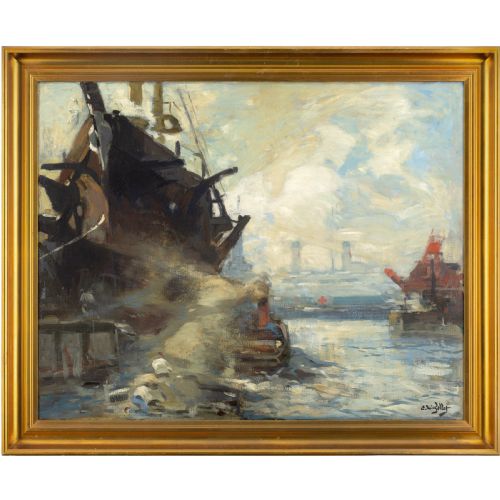
The pieces on this page originate from diverse schools and hands, including Dutch marine styles, British military artists and French depictions of naval officers. Buyers will find both expansive rolling seas with galleons under full sail and intimate portrayals of midshipmen and admirals in uniform. Whether the focus rests on a clipper ship off the coast or a quiet shipyard along the River Thames, each artwork provides a window into naval architecture and historical sea travel. The framing often includes ornate gilt frames or simpler wooden surrounds that have housed the canvas for generations.
How they were made
These works rely primarily on oil paint applied to woven canvas or wooden panel supports, utilising the rich viscosity of the medium to render choppy waves, billowing canvas sails and dark storm clouds. Artists built up their compositions through layered glazes and fine brushwork to capture the reflections of light upon the water and the intricate rigging of warships. Canvas serves as the most frequent support, stretched and secured within substantial frames.
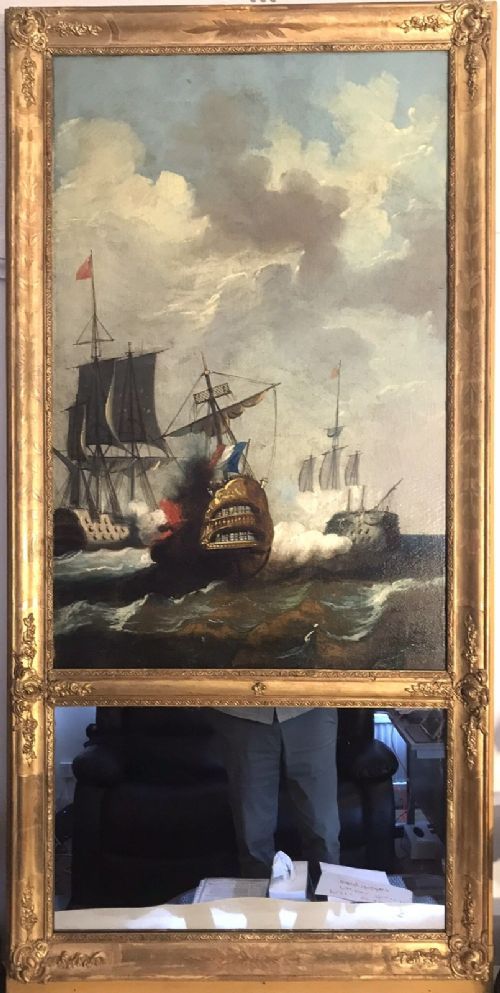
The surrounding frames are constructed from wood, frequently enriched with gold leaf or shaped as giltwood mouldings to enhance the visual depth of the maritime scene. Some pieces incorporate specialised formats such as French trumeau mirrors, where the oil painting is integrated directly into the upper portion of a decorative wall panel. Guild techniques of gilding and carving ensure that the frame acts as an architectural boundary for the expansive seascapes within.
Listings feature works executed in oil on canvas and wood panel, framed in period giltwood across the eighteenth, nineteenth and twentieth centuries.
What varies in quality
Quality in these maritime works rests upon the precision of the draughtsmanship, particularly in the rendering of complex ship rigging, hull proportions and historical accuracy. Superior paintings demonstrate a masterly control of light and atmosphere, successfully conveying the immense weight of rolling seas or the distinct luminosity of an eighteenth-century sky. The handling of human figures within port or battle scenes also separates accomplished academic hands from more formulaic studio productions.
The physical preservation of both the paint layer and its housing plays a significant role in the standing of each piece. Original or period-appropriate giltwood frames that retain their original gilding and structural integrity elevate the overall presentation of the canvas. Finer works exhibit stable paint surfaces with minimal historic intervention, allowing the original brushstrokes and tonal balance of the marine artist to remain fully legible.
Samuel Harry Hancock·William McAlpine·Lemuel Francis Abbott·Bernard Gribble·Francis Hayman·Nicholas Condy·Jacob Knyff·Dion Pears·Ebeneezer Colls·William Langley·George Frederick Clarke
The Framed Naval Oil Painting Glossary
- Giltwood
- Wood carved and coated with gold leaf or gold paint to create a lustrous decorative frame. These frames are frequently found enclosing nineteenth-century marine canvases.
- Trumeau
- A decorative wall mirror featuring an oil painting set into the upper wooden panel. This French interior form combines functional looking glasses with maritime art.
- Marine Style
- An artistic genre dedicated to ships, coastal views, naval battles and maritime life. Works in this tradition emphasise accurate depictions of nautical vessels and coastal topography.
- Canvas
- A heavy woven fabric stretched across a wooden stretcher to serve as the primary support for oil paint. Most historical sea battles and ship portraits utilise this flexible base.
Framed Naval Oil Painting: Frequently Asked Questions
How do I date a naval oil painting?
Dating relies heavily on the style of the ship construction, uniform details of the figures, and the construction methods of the wooden stretcher or frame. Experts also examine the canvas preparation and any signatures or inscriptions left by the artist.
Clues such as specific naval flags, ship classes like three-masted schooners, and the fashion of civilian clothing help narrow the decade of creation. Comparing the brushwork to known examples from British or Dutch marine schools provides further chronological context.
What is a trumeau marine mirror?
A trumeau is an antique wall mirror that incorporates an oil painting, often depicting galleons or naval scenes, directly into its upper wooden structure. Originating in French interior design, these pieces served as decorative architectural elements.
The combination allows a single wall hanging to function both as a fine art seascape and a reflective looking glass. They are typically framed in carved wood with painted or gilded finishes suitable for period reception rooms.
How should I care for an oil painting?
Oil paintings require stable indoor humidity and temperature away from direct sunlight to prevent the canvas from sagging and the paint from cracking. Gentle dusting with a soft, dry brush is generally sufficient for routine maintenance.
Avoid using liquid cleaners or household sprays on either the painted surface or the giltwood frame. Professional conservationists should handle any deeper cleaning or structural repairs to the canvas and stretcher.
What subjects appear in maritime art?
Maritime art encompasses a wide variety of nautical themes, including historic sea battles, commercial clipper ships, royal yachts, and quiet coastal harbours. Portraits of naval officers and merchant captains also form a significant category within the genre.
Artists documented specific naval engagements, such as actions involving named vessels, as well as everyday shipping in heavy seas. These subjects reflect the economic and military importance of seafaring across the eighteenth and nineteenth centuries.