

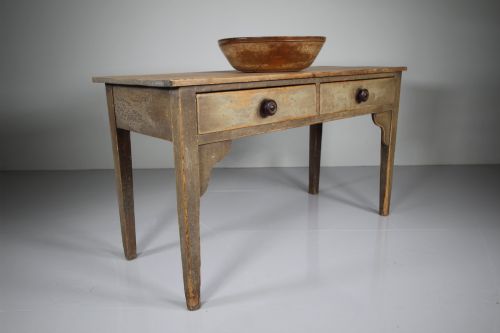
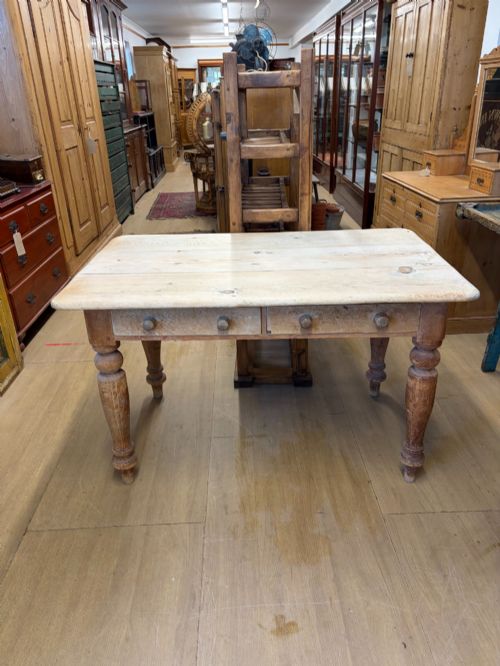
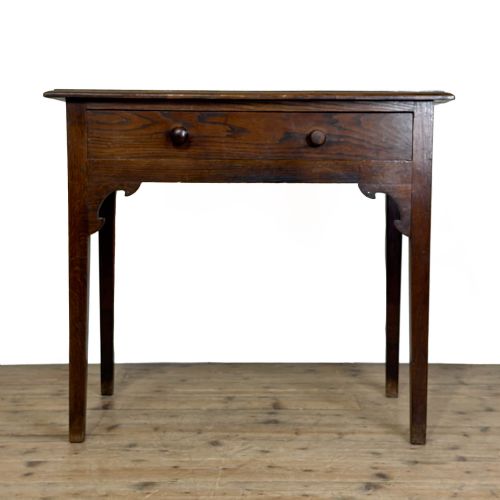
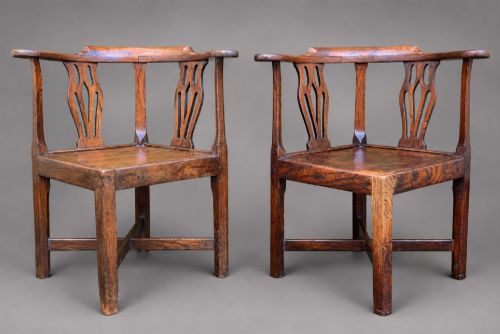
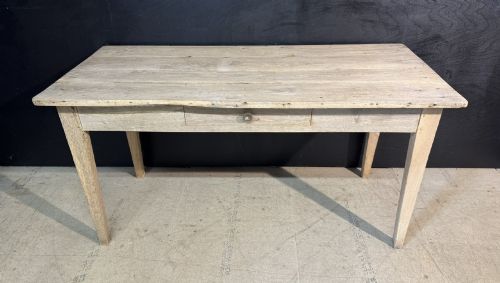
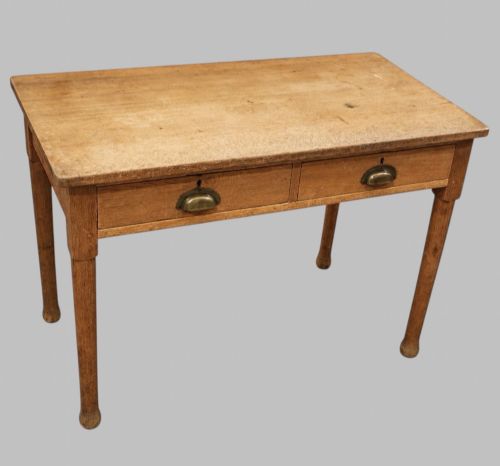
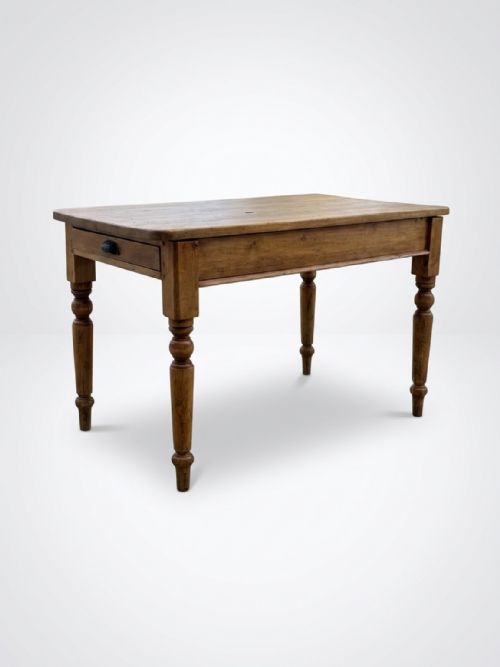
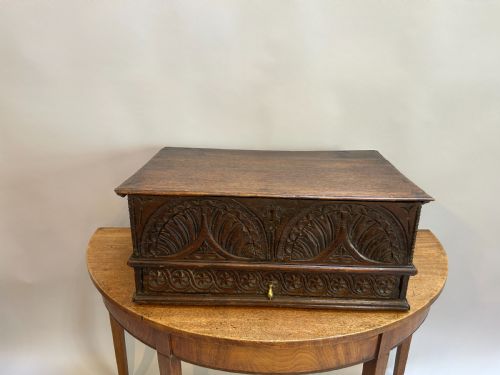
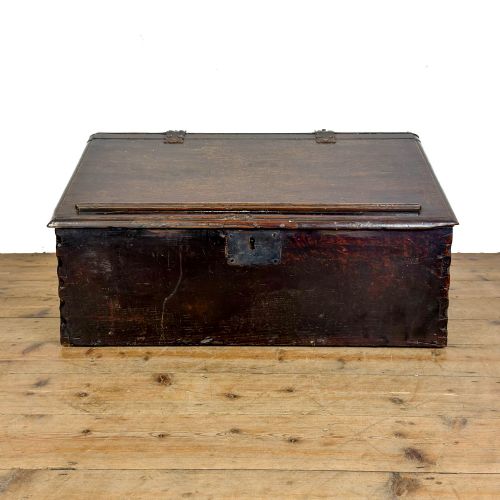
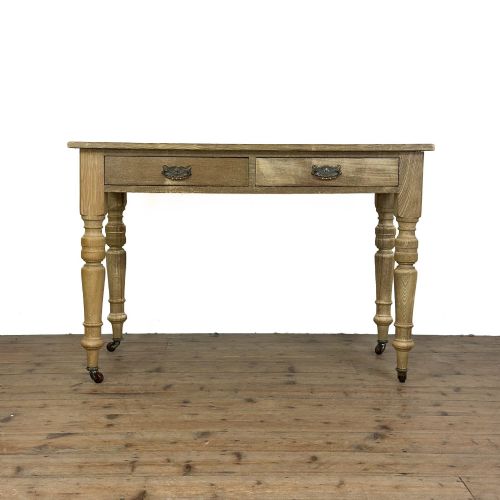
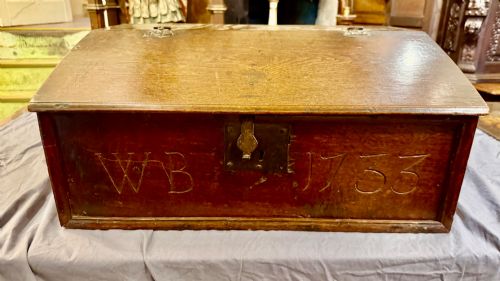
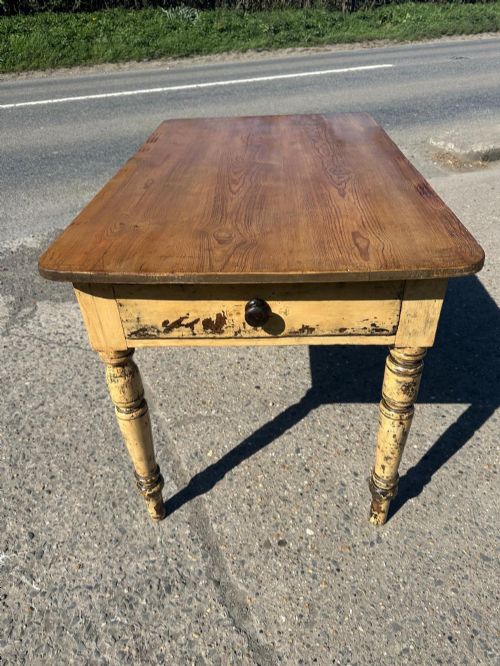
Rustic Wooden Writing Desk
A rustic wooden writing desk offers functional workspace built from honest materials like pine and oak, dating from the seventeenth century onwards.
Rustic Wooden Writing Desk
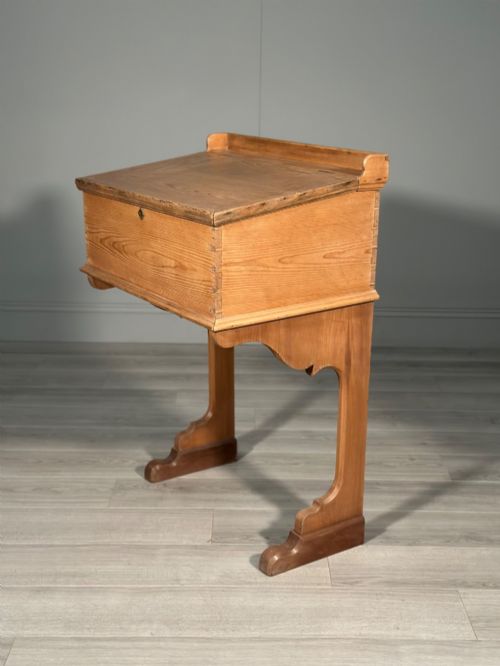
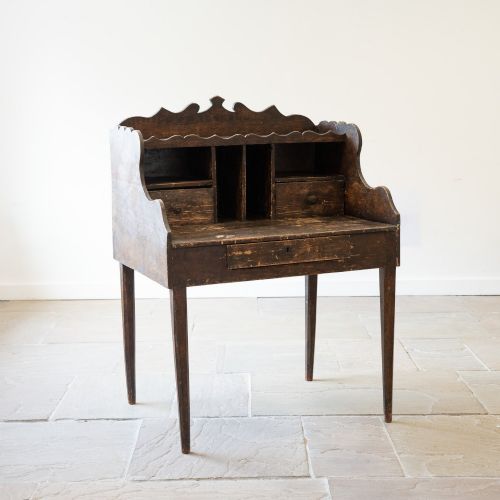
A rustic wooden writing desk encompasses various practical forms designed for daily correspondence, including slant-front boxes, clerk desks with stools, and kneehole configurations. These pieces frequently emerge from periods such as the Victorian era, the eighteenth century, and the seventeenth century.
Buyers seeking a rustic wooden writing desk will most commonly encounter pine and oak examples reflecting regional traditions like English country, Victorian farmhouse, and Scandinavian painted styles. Such pieces bridge the gap between utilitarian workspace and enduring historical charm.
Materials and Construction
Construction relies heavily on sturdy domestic timbers such as pine, oak, and elm, often joined using traditional methods suited to hardworking furniture. Iron, brass, and metal fixings provide structural support and operational hardware.
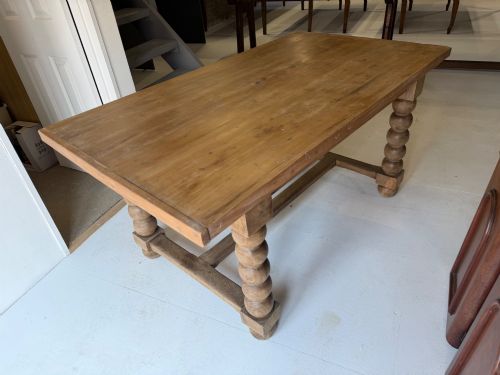
Surfaces display various finishes ranging from stripped natural wood to original paint, scrubbed tops, and dark stains. These treatments reflect both the original utility of the items and subsequent domestic care.
Rustic Wooden Writing Desk Retail Price Guide 2026
Typical asking prices for rustic wooden writing desk among the pieces listed under this phrase on Sellingantiques today, from the lower quarter to the upper quarter. They describe what is for sale here now, not the wider market.
School teachers and itinerant clerks likely hurried through their daily correspondence at these very desks before heading out to tend the parish.
Judging Quality
Quality rests upon the integrity of the timber selection and the retention of original surface treatments, such as early painted legs or scrubbed tops. Finer examples demonstrate thoughtful proportions and honest wear that speak to their working history.
The sophistication of the construction and the presence of period-correct hardware elevate certain specimens above standard utilitarian items. Superior pieces maintain their structural coherence while displaying the unpretentious character intrinsic to country furniture.
The Rustic Wooden Writing Desk Glossary
- Bible Box
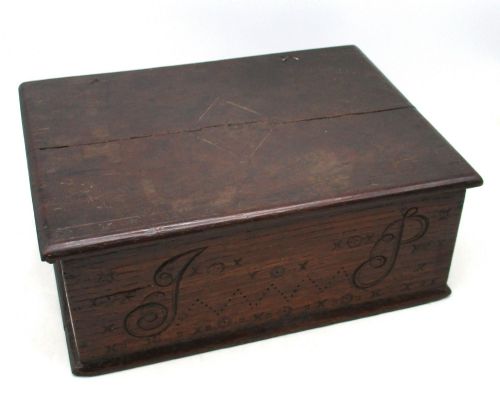
- A small tabletop chest originally built to store a family Bible, often featuring a sloping lid suitable for reading or writing.
- Scrub-Top
- A wooden table top left bare and repeatedly scrubbed clean with water and sand, common on utilitarian kitchen and work tables.
- Slant-Front
- A hinged writing flap that angles upward, opening to reveal interior compartments and a flat surface for correspondence.
- Kneehole Desk
- A compact writing desk featuring a central recess for the user's legs, flanked by banks of drawers or storage compartments.
- Bobbin Legs
- Turned furniture legs characterised by a series of rounded, spool-shaped protuberances carved along the length of the wood.
Rustic Wooden Writing Desk: Frequently Asked Questions
What is a rustic wooden writing desk?
A rustic wooden writing desk is a utilitarian workspace constructed from traditional timbers like pine and oak during periods spanning the seventeenth to the early twentieth century.
These pieces range from simple box desks designed to sit on tables to dedicated clerk desks and kneehole writing tables rooted in country styles.
How were these desks used historically?
These desks served practical daily functions for writing letters, keeping accounts, and storing important documents in homes, schools, and offices.
Portable box versions allowed users to write while seated at ordinary tables, whereas standing clerk desks accommodated active administrative work.
How do I care for a painted pine desk?
Care for antique painted pine by keeping it away from direct heat sources and fluctuating humidity that can cause the wood to split and paint to flake.
Dust gently with a dry cloth and avoid harsh chemical cleaners that might compromise original surface treatments.
How can I tell an 18th-century box desk apart?
Eighteenth-century box desks often feature hand-carved oak construction, pegged joints, and simple hinged lids designed for holding manuscripts and Bibles.
Examining the underside and interior reveals hand-tooled surfaces and period fixings distinct from later mass-produced alternatives.