



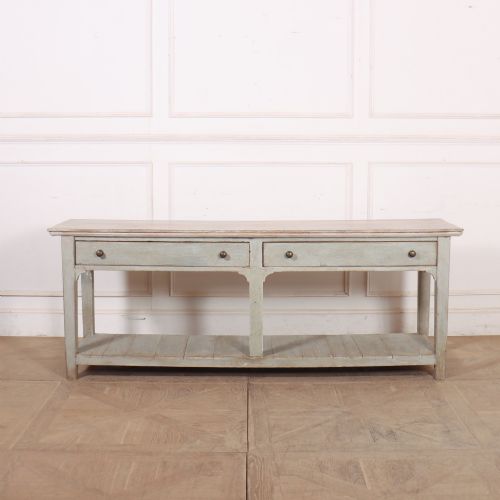


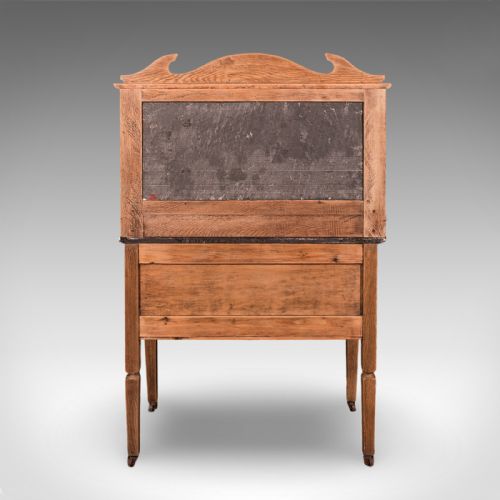
English Country Pine Table
An English country pine table brings domestic warmth to a room, offering practical surface space through robust timber construction.
English Country Pine Table
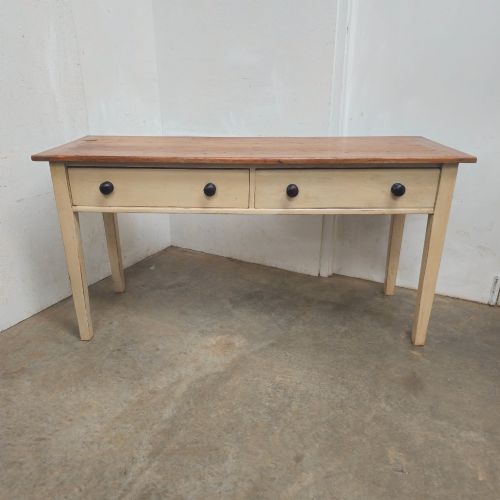
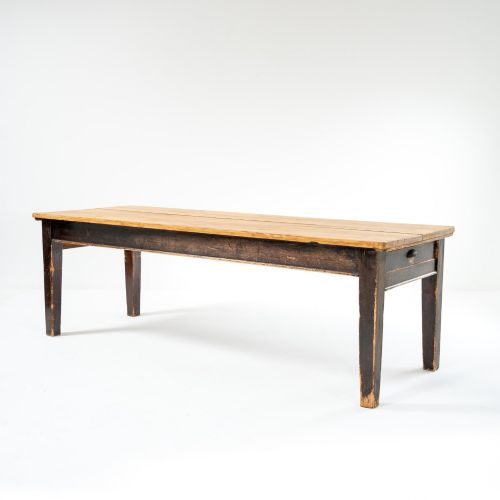
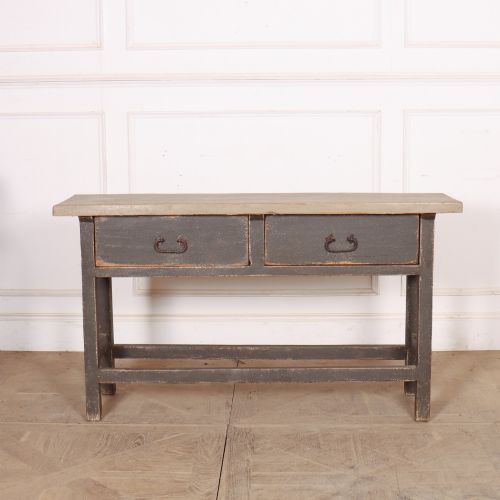
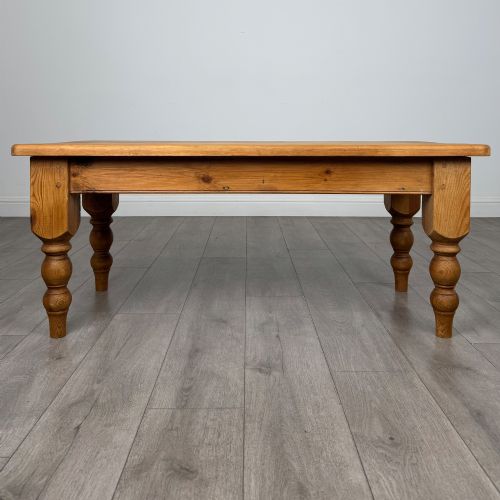
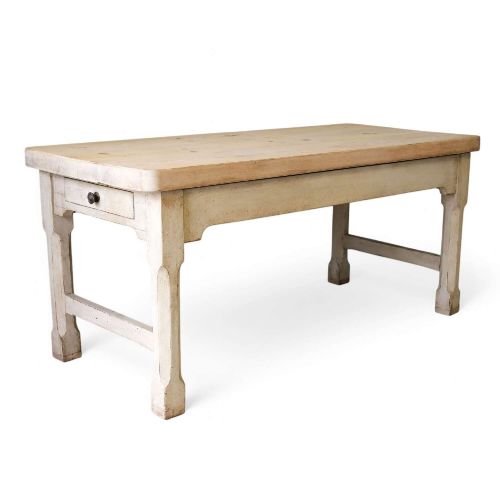
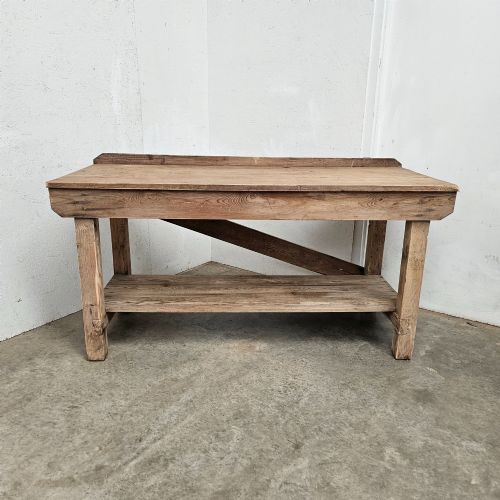
An english country pine table encompasses robust kitchen surfaces, prep tables, and dining boards originating from domestic settings. These pieces range from modest cricket tables to substantial harvest and farmhouse dining tables spanning the eighteenth, nineteenth, and early twentieth centuries.
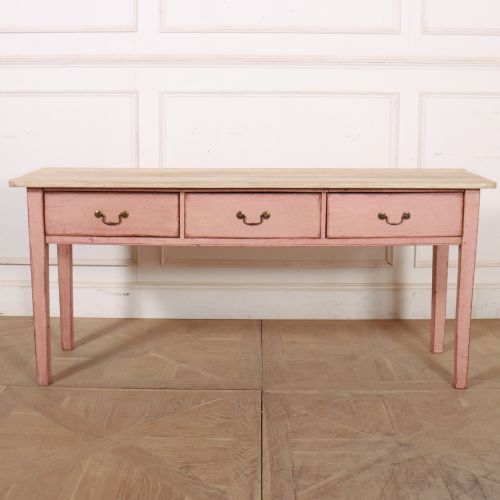
Buyers on this page most frequently encounter nineteenth-century Victorian examples alongside eighteenth-century Georgian and Edwardian variants. Forms vary from simple trestle supports and potboard dresser bases to side tables and large kitchen boards designed for daily domestic use.
Materials and Construction Techniques
Makers utilised pine as the primary timber, occasionally pairing it with oak, pitch pine, or iron braces for structural support. Surfaces frequently display layers of original or later paint, while brass and metal components appear on auxiliary hardware.
Joinery methods reflect utilitarian construction, relying on sturdy plank tops, trestle frames, and four-legged supports built to endure heavy domestic labour in farmhouses, dairies, and country houses.
Several tables survived decades of flour dusting, butter churning, and enthusiastic family arguments without losing their charm.
Evaluating Quality and Character
Quality rests in the integrity of the original timber and the untouched character of surface finishes, whether bare scrubbed pine or layered historical paint. Superior examples retain their original structural proportions without excessive timber replacement.
Distinction emerges in the harmony between utility and proportion, where functional elements like potboards, drawers, and trestle bases remain intact and true to their period of manufacture.
The English Country Pine Table Glossary
- Cricket table
- A small, lightweight table typically featuring three splayed legs and a round top. This design provided stability on uneven stone floors in traditional cottages.
- Potboard dresser base
- A low storage unit featuring a lower shelf, known as a potboard, positioned near the floor for storing heavy cookware and kitchen utensils.
- Harvest table
- A long, narrow dining table traditionally used for feeding large farm crews during seasonal agricultural harvests. These pieces often accommodate six to eight seats or more.
- Trestle table
- A table construction consisting of two or more support frames connected by a horizontal beam. This method maximises legroom beneath the top surface.
- Scrubbed pine
- A finish achieved through repeated vigorous cleaning of bare timber, resulting in a smooth, pale surface free from modern varnishes.
English Country Pine Table: Frequently Asked Questions
How do I clean an antique pine table?
Maintain the timber by wiping surfaces gently with a dry or barely damp cloth to remove dust without stripping natural oils.
Avoid harsh chemical cleaners and excessive water, which can damage aged pine and historic paint finishes.
Can I use a pine table for daily dining?
These tables were built for heavy domestic labour in kitchens and farmhouses, making them well-suited for everyday family dining.
Use protective mats for hot dishes to preserve the historic surface from unintended heat marks.
What is the difference between a dairy table and a prep table?
Dairy tables were traditionally utilised in cool dairies for cheese-making and milk processing, often featuring specific timber slats or scrubbed surfaces.
Prep tables served general food preparation duties in country house kitchens, occasionally incorporating potboards or drawers.
How do I identify a Victorian pine table?
Victorian pieces typically date from the nineteenth century and display standard industrial-era joinery alongside generous proportions for kitchen or dining use.
Look for markers such as turned legs, plank tops, and structural hardware consistent with mid-to-late nineteenth-century workshop practices.