




Painted Pine Occasional Table
A painted pine occasional table brings practical surface space and a historic finish to a room.
Painted Pine Occasional Table
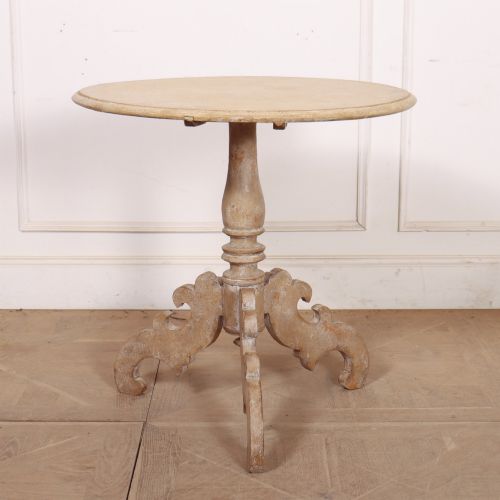
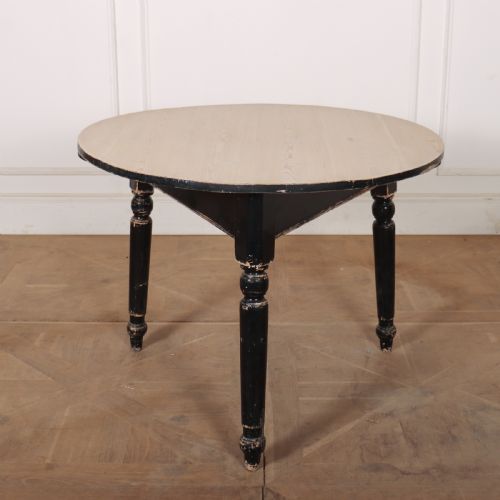
A painted pine occasional table is a versatile surface found across several centuries, with the nineteenth century heavily represented in current examples. These items appear in forms such as lamp tables, cricket tables, and side tables.
Origin points span English, Welsh, and Scandinavian workshops, showcasing styles from rustic farmhouse to Gustavian. Buyers encounter both compact lamp tables and broader sofa tables designed for domestic utility.
How they were made
Construction relies primarily on solid pine and timber, frequently augmented by brass hardware. Carpenters built these tables for everyday function using local softwoods.
Surfaces receive layers of paint, creating finishes in shades of grey, green, and traditional tones. This painted layer protects the underlying wood while defining the aesthetic of country and rustic styles.
Tables occasionally retain traces of old paint colours beneath later coats, whispering secrets of past dining rooms.
What varies in quality
The integrity of the timber framing and the preservation of original painted surfaces dictate the standard of each piece. Tables retain distinct character where the paint has aged naturally through decades of use.
Proportion and structural joinery separate standard utility pieces from finer examples. Balanced legs and stable tops reflect the care taken by the original maker.
The Painted Pine Occasional Table Glossary
- Cricket table
- A small three-legged table traditionally used in domestic settings. This form offers high stability on uneven floors.
- Gustavian style
- A Swedish interpretation of neoclassical design, characterised by pale painted finishes and restrained ornamentation. It brings a bright, orderly appearance to interiors.
- Lamp table
- A compact occasional table scaled to hold a lighting fixture beside seating. These pieces occupy minimal floor space.
- Sofa table
- A long, narrow occasional table designed to sit alongside or behind seating furniture. This form provides accessible surface area in reception rooms.
- Trestle table
- A table supported by two or more vertical frames connected by a horizontal beam. This construction method allows for sturdy dismantling and reassembly.
Painted Pine Occasional Table: Frequently Asked Questions
Where should I place an occasional table?
These tables fit easily beside seating, in hallways, or as bedside surfaces where extra space is needed.
Their modest scale allows them to adapt to changing room layouts without dominating the floor plan.
How do I care for a painted wood surface?
Dust regularly with a dry cloth and avoid harsh chemical cleaners that can strip historic finishes.
Keep tables away from direct heat sources to prevent the pine from drying out or splitting.
What is the difference between a side table and a lamp table?
Side tables generally offer a broader rectangular surface for general storage and display.
Lamp tables are typically smaller and built specifically to hold lighting within easy reach.
Are these tables from the eighteenth or nineteenth century?
Dating relies on construction details, timber characteristics, and the wear patterns on the painted finish.
Pieces span from Georgian workshops through Victorian domestic production up to early twentieth-century examples.