
Rustic Wooden Sideboard
A rustic wooden sideboard brings enduring utility and grounded character to a room, offering robust storage shaped by utilitarian history.
Rustic Wooden Sideboard
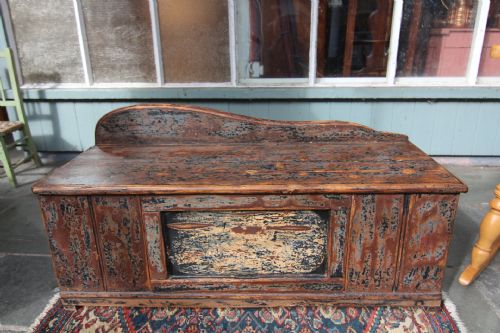
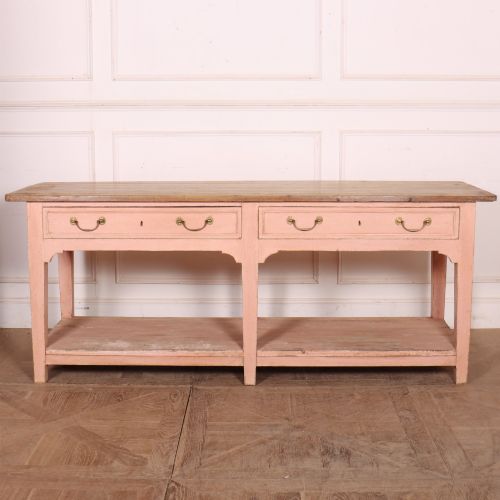
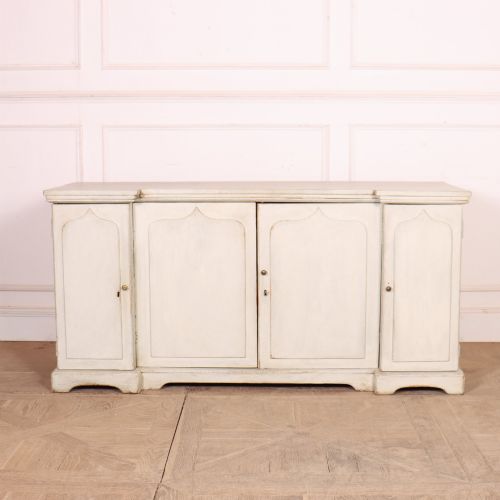
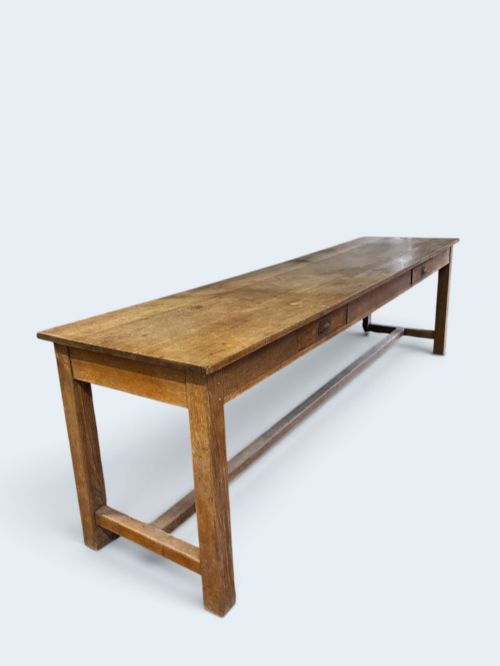
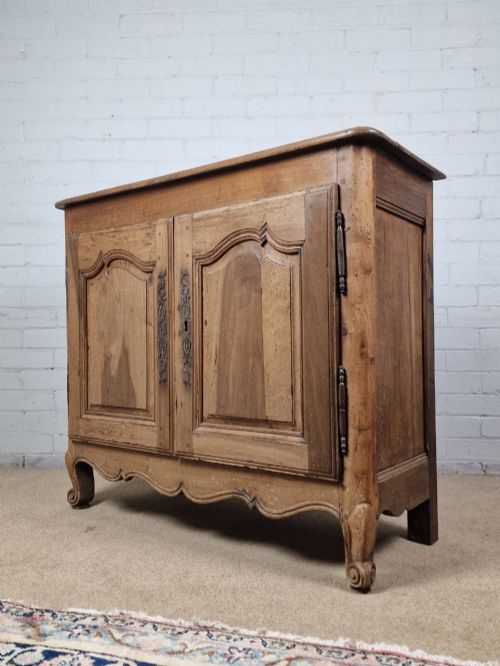
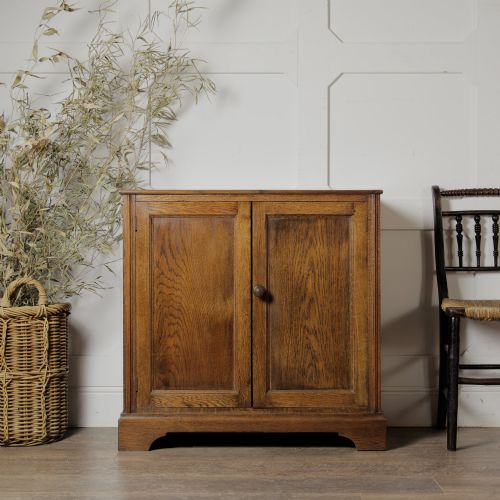
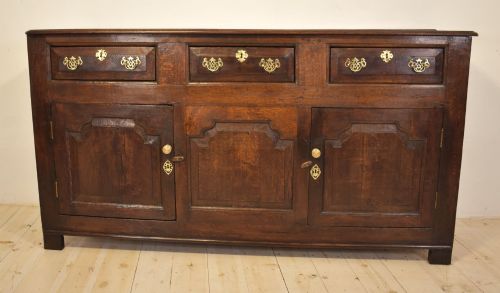
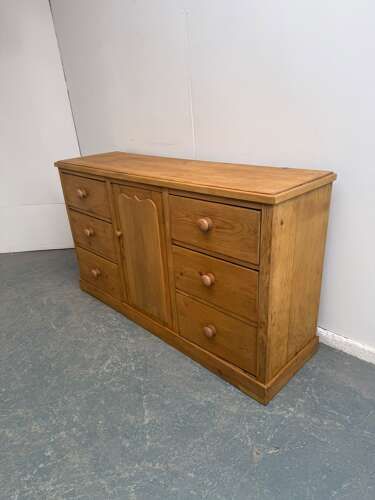
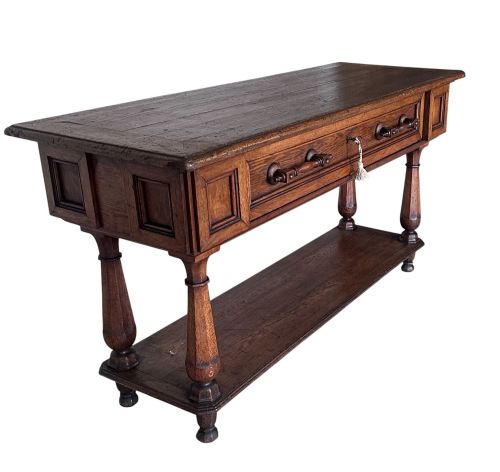
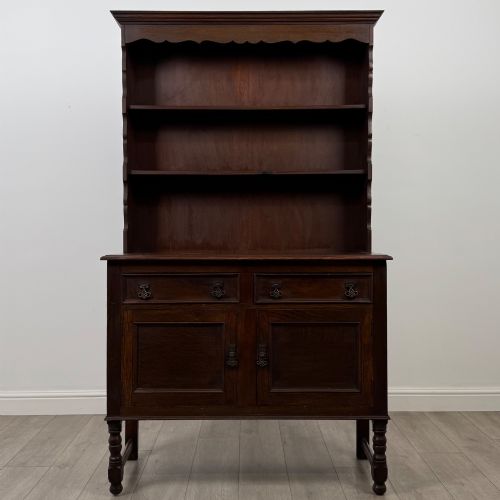
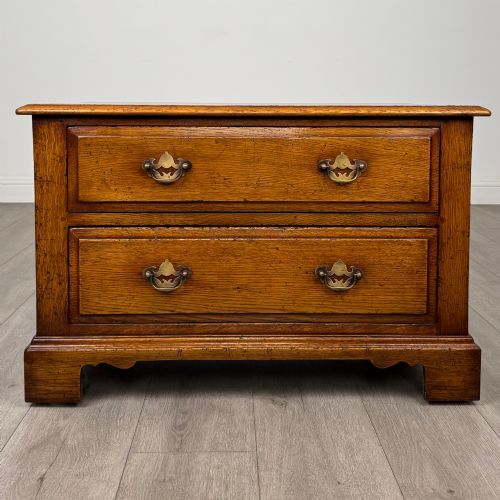
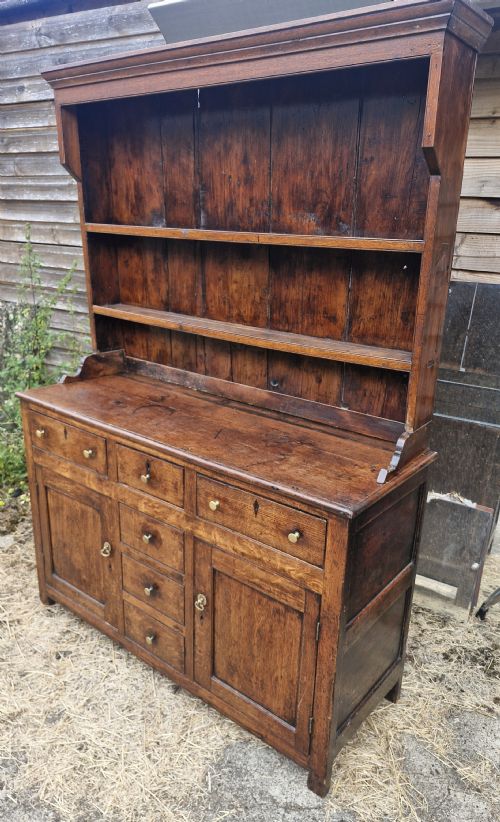
A rustic wooden sideboard encompasses heavy storage furniture built for practical domestic life across centuries, including dresser bases, serving tables, and low cupboards. When searching for a rustic wooden sideboard, buyers frequently encounter solid oak and pine pieces originating from English, Welsh, and French rural traditions.
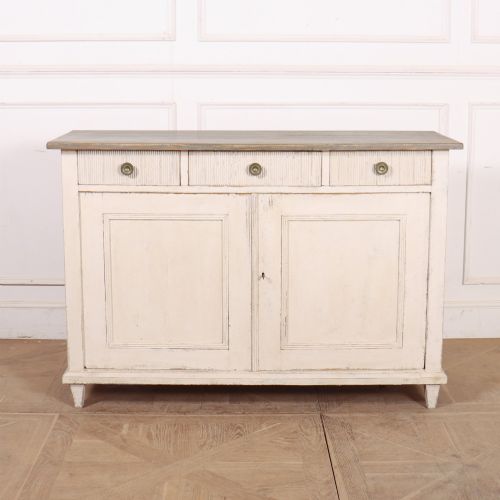
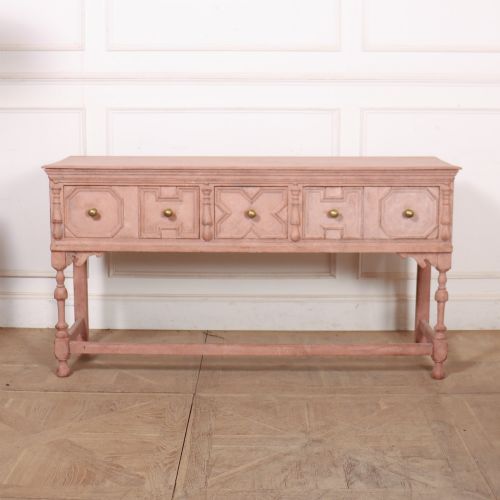
The inventory spans from the eighteenth century through the Edwardian era and the 1930s, reflecting regional workshop methods. Common forms range from open potboard bases to enclosed cabinets featuring original paint or waxed surfaces.
How They Were Made
Carpenters constructed these pieces using dense domestic timbers such as oak, pine, elm, and sycamore, joined with traditional framing techniques to withstand heavy daily use. Iron and brass hardware, including drop handles and hinges, provided functional reinforcement.
Surfaces were finished with natural wax or layered paint, often preserving original patinas accrued through generations of kitchen or dining room service.
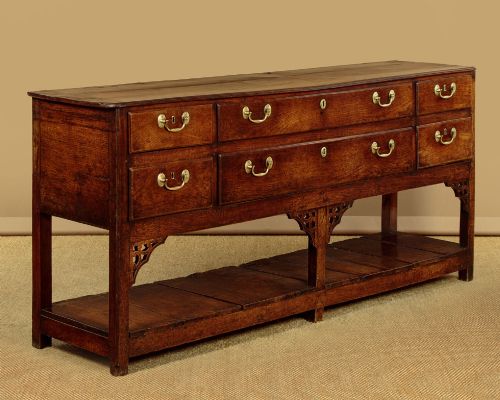
Regional forms include Welsh potboard dresser bases, French confituriers, and Indian carved teak storage cabinets.
What Varies In Quality
Quality rests upon the integrity of the timber and the retention of an uncompromised surface, where original waxed finishes or authentic period paint elevate a piece. Construction depth, such as pegged joints and solid backboards, distinguishes robust cabinetwork from lighter utilitarian builds.
The Rustic Wooden Sideboard Glossary
- Potboard
- An open lower shelf on a dresser base traditionally used for storing heavy pots and pans. This lower platform defines many English and Welsh country pieces.
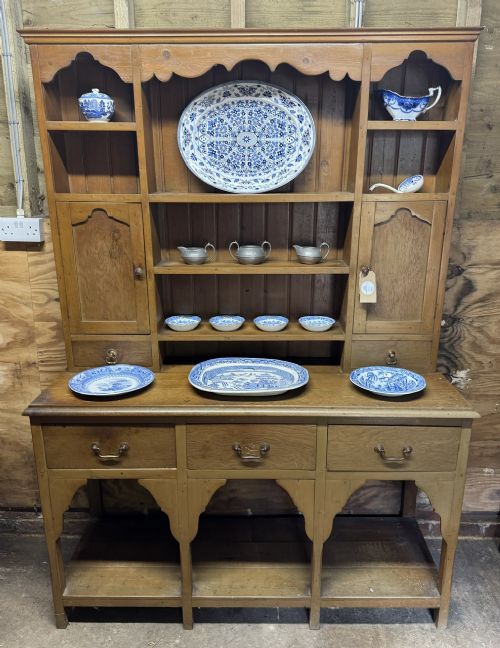
- Dresser base
- The lower portion of a kitchen dresser featuring drawers and cupboards without the upper plate rack. These serve well as standalone sideboards.
- Patina
- The surface sheen and texture developed through years of wear, waxing, and cleaning. It indicates the age and handling history of the wood.
- Breakfront
- A cabinet design where the central section projects forward from the side sections. This layout creates depth and visual rhythm in larger dining rooms.
- Confiturier
- A small French storage cupboard originally designed to hold jars of confit. These compact cabinets fit narrow spaces while providing enclosed shelving.
Rustic Wooden Sideboard: Frequently Asked Questions
How do I use a rustic sideboard today?
These pieces serve as practical storage cabinets in dining rooms, kitchens, or hallways, holding dinnerware, linens, and dry goods.
Their substantial timber tops also provide a durable surface for lamps, serving platters, or daily displays.
What is the difference between a dresser base and a sideboard?
A dresser base originates from a two-part kitchen dresser built without its upper shelving superstructure.
A sideboard was traditionally designed specifically for dining room service, though both terms describe low storage furniture with drawers and cupboards.
How do I care for waxed pine and oak furniture?
Maintain the wood by applying a natural beeswax polish periodically to nourish the dry timber and protect the surface from moisture.
Avoid placing these pieces near direct heat sources or in damp environments to prevent timber movement.
How do I date an antique wooden sideboard?
Examine the construction methods, tool marks on the timber, and the style of the hardware and drawer dovetails.
Regional vernacular designs and original surface treatments like historic paint layers also offer clear clues to a piece's period.