





Distressed White Sideboard
A distressed white sideboard brings rustic utility and aged charm to a room, offering surface space and deep storage through time-worn painted surfaces.
Distressed White Sideboard
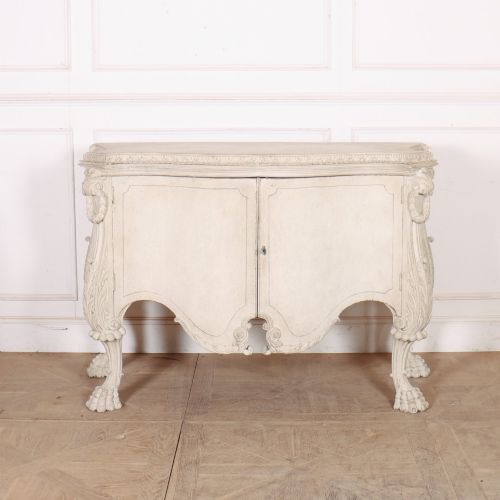
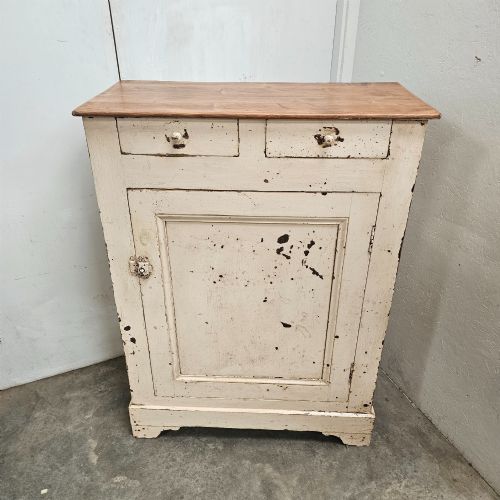
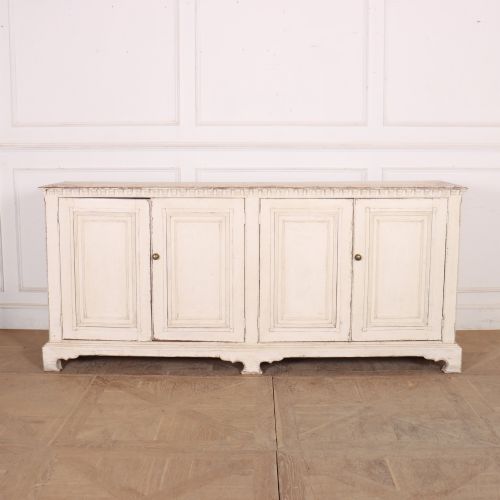
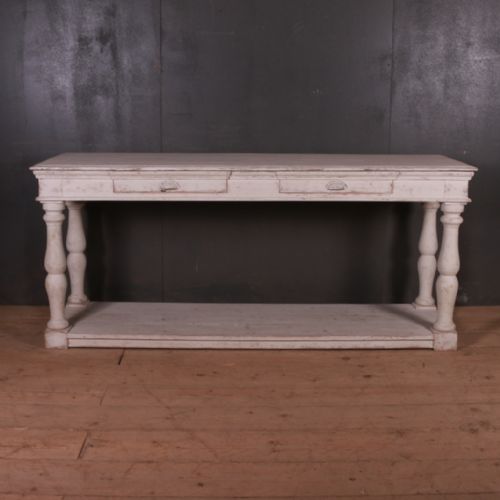
A distressed white sideboard encompasses a variety of painted storage forms found across European and British traditions. When searching for a distressed white sideboard, buyers encounter items such as commodes, enfilades, side cabinets, and cupboards dating from the eighteenth century to the late nineteenth century.
The pieces originating from this selection span regional styles including Gustavian, French Provincial, Swedish Country, and Italian Rococo. These items function primarily as credenzas, sideboards, and dressers, utilising painted wood finishes that show natural wear over generations.
Most examples rely on painted pine, oak, or general painted wood constructions, frequently featuring serpentine fronts or simple rectangular cabinetry. The finish displays deliberate or aged distressing, unifying the diverse continental and British origins under a pale palette.
Materials and construction methods
Makers constructed these cabinets predominantly from solid pine and oak, applying layers of paint over the timber surfaces. Over decades or centuries, this paint has weathered, chipped, and softened to create the textured appearance valued today.
Hardware details typically involve brass or cast metal mounts, keyplates, and drawer pulls that contrast against the light painted woodwork. Joinery relies on traditional carpentry appropriate to the period, supporting heavy timber tops and capacious internal shelving.
Distressed White Sideboard Retail Price Guide 2026
Typical asking prices for distressed white sideboard among the pieces listed under this phrase on Sellingantiques today, from the lower quarter to the upper quarter. They describe what is for sale here now, not the wider market.
A jam cupboard once held sweet fruit preserves under lock and key, safeguarding sticky luxuries from midnight thieves.
Differentiating quality across the range
Quality rests upon the integrity of the original timber structure and the authenticity of the surface patination. Pieces retaining their early or original paint layers exhibit a depth of character distinct from later, uniform repainting.
Finer examples demonstrate sophisticated regional cabinetmaking, such as fluid serpentine fronts and well-proportioned mouldings. The harmony between the structural joinery and the naturally aged finish dictates the standing of each individual cabinet.
The Distressed White Sideboard Glossary
- Commode
- A low chest of drawers or cabinet, frequently of French or Italian origin. These often feature decorative serpentine fronts and painted finishes.
- Enfilade
- A long sideboard or cabinet designed for serving or storage, typically featuring a sequence of doors along the front. The term derives from the French arrangement of rooms in a straight line.
- Gustavian
- The Swedish interpretation of neoclassical style, characterised by restrained ornamentation and pale, chalky paintwork. It developed during the reign of Gustav III in the late eighteenth century.
- Serpentine
- A furniture front characterised by a wavy, undulating line that curves outward in the centre and inward at the sides. This contour requires advanced woodworking skill to execute properly.
- Confiturier
- A small French cupboard originally utilised for storing jars of fruit preserves and confits. They generally stand on slender legs with a single door enclosing internal shelves.
Distressed White Sideboard: Frequently Asked Questions
What is a distressed white sideboard used for?
These cabinets provide surface display space and concealed storage for dining rooms, hallways, and living areas. They accommodate tableware, linen, and household items behind sturdy wooden doors and within drawers.
The height and length of these pieces also make them suitable for placing lamps, books, and decorative objects on top while keeping clutter out of sight.
How do I distinguish regional styles?
Swedish Gustavian pieces typically display restrained neoclassical symmetry with pale, muted paint and minimal carving. Italian and French pieces often feature more ornate curves, such as serpentine fronts and rococo flourishes.
Examining the underlying timber species and the specific profile of the mouldings helps pinpoint whether a cabinet originates from Scandinavia, the continent, or Britain.
How should I care for aged painted surfaces?
Maintaining these pieces involves dusting regularly with a soft, dry cloth and avoiding harsh chemical cleaning products that might strip the historic paint. Keeping them away from direct heat sources and strong sunlight preserves the stability of the wood and the integrity of the finish.
Minor scuffs and chips form part of the natural history of an aged painted surface and require little intervention beyond gentle cleaning.
How can I tell the age of a painted cabinet?
Dating relies on inspecting the construction methods, tool marks on the interior timber, and the physical composition of the paint layers. Hand-cut joints and the natural oxidation of the wood provide reliable indicators of eighteenth and nineteenth-century origin.
Examining the wear patterns around handles and keyholes also reveals how long the piece has been handled and used.