
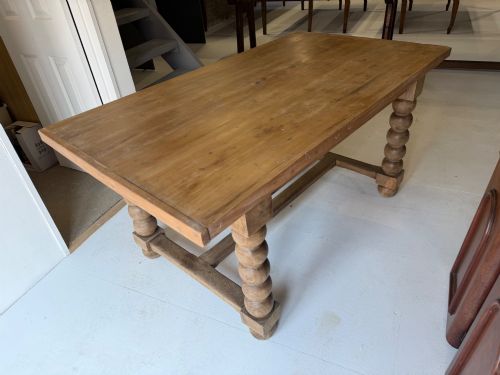
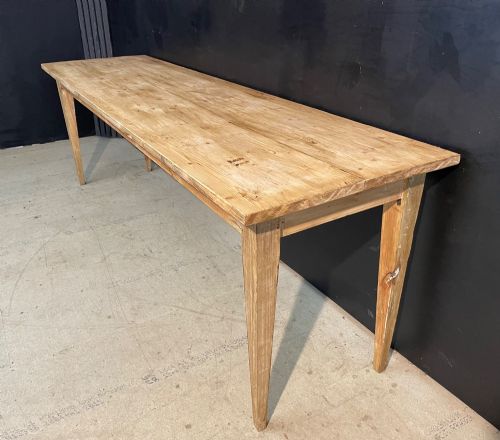
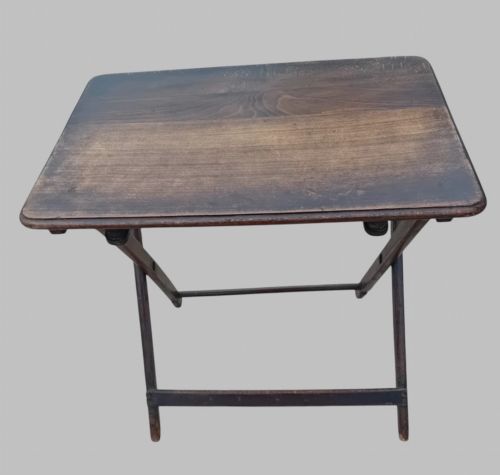
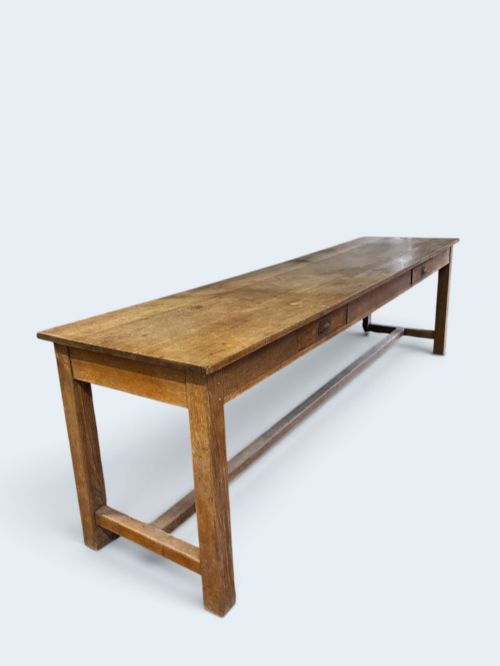

Rustic Wood Side Table
A rustic wood side table brings honest utility and vernacular character to a room, offering sturdy charm formed from decades of everyday use.
Rustic Wood Side Table
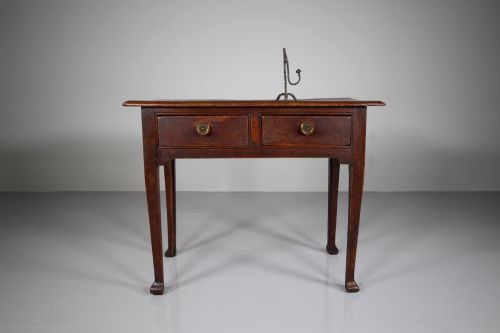
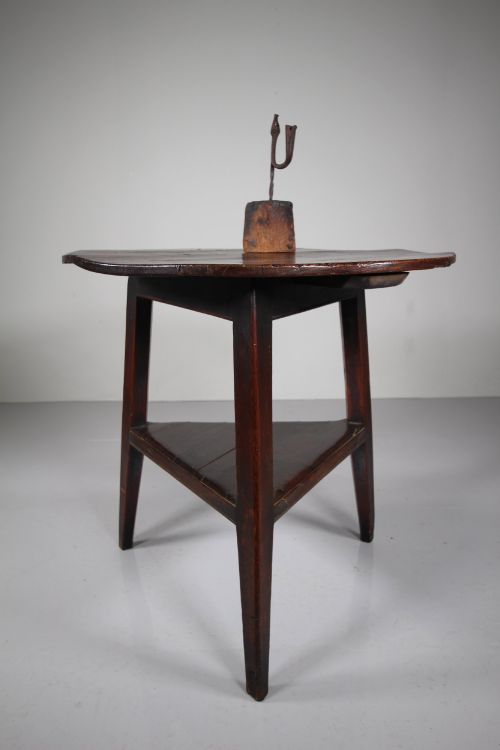
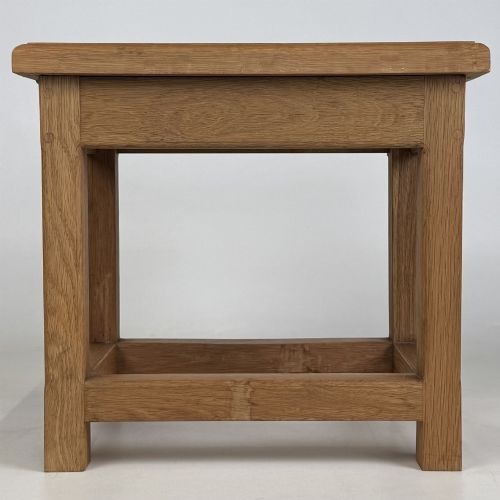
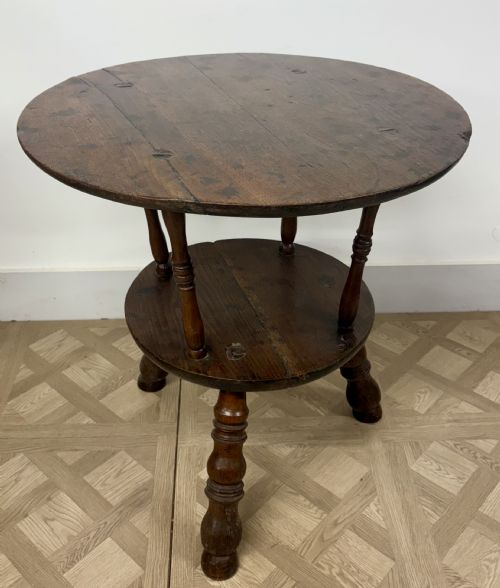
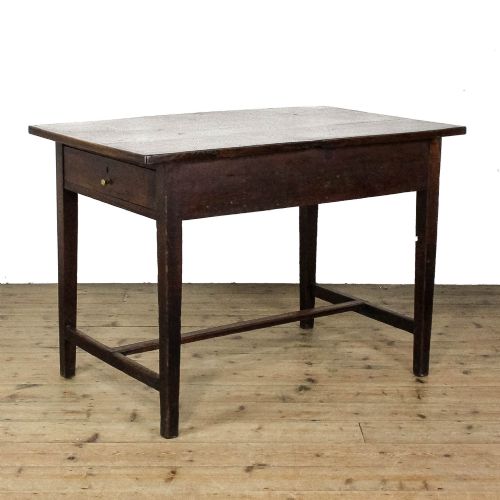
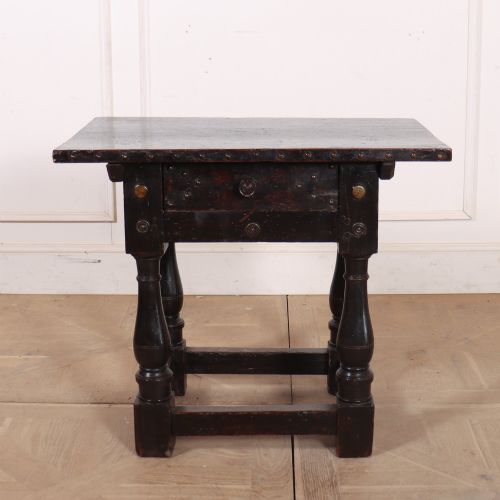
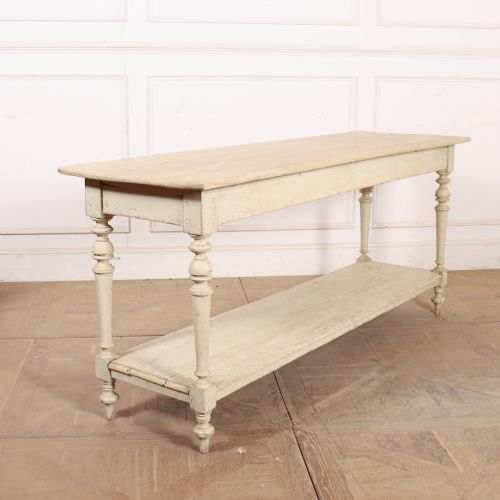
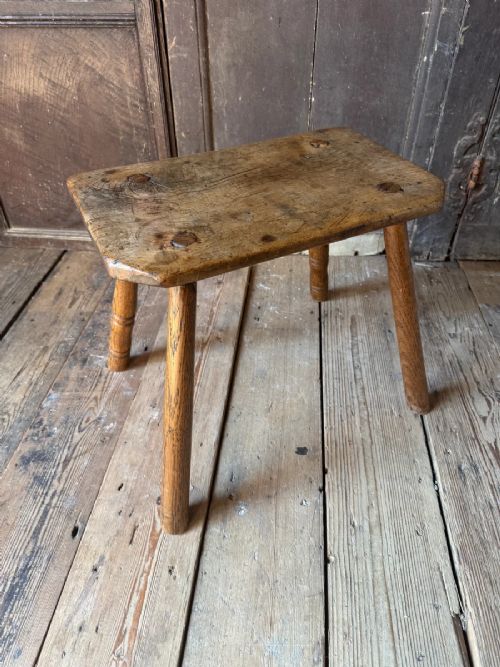
A rustic wood side table represents the practical end of domestic furniture, shaped by makers who prioritised direct utility over elaborate ornament. When searching for a rustic wood side table, you encounter forms that span centuries, from low-slung cricket tables with three legs to sturdy kitchen work tables and occasional pieces. These items emerge from rural workshops and vernacular traditions across Britain and Europe, reflecting the honest domestic requirements of past generations.
The pieces on this page draw from periods ranging through the eighteenth, nineteenth, and early twentieth centuries, including Georgian and Edwardian examples. You regularly meet designs fashioned from native timbers like oak, elm, pine, and ash, often retaining the marks of daily labour and time. Whether intended as a serving table, a console, or an occasional stand, each object serves as a direct link to historical domestic life.
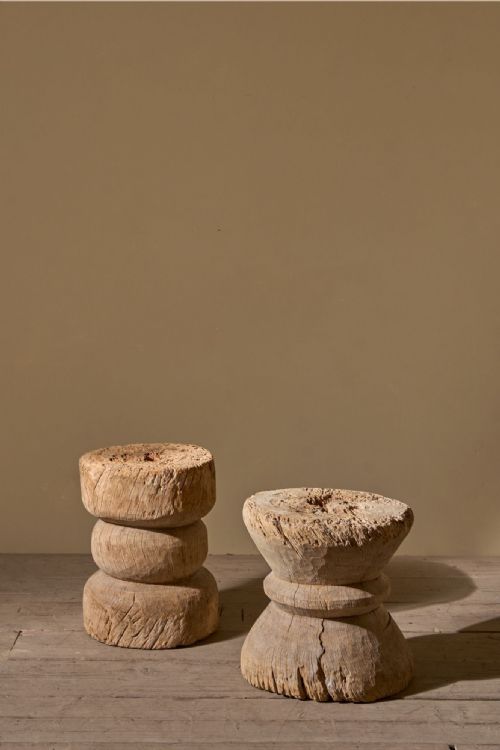
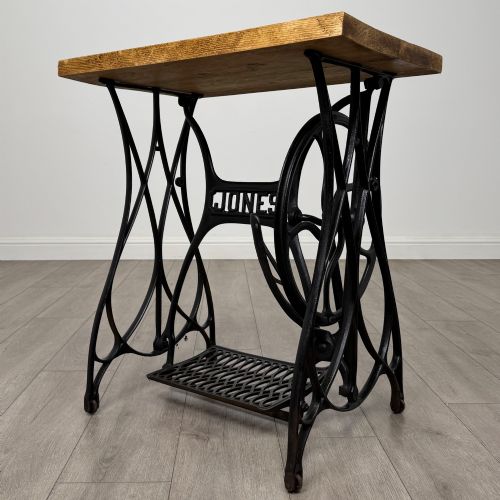
The visual character of these tables relies on straightforward construction methods and unpretentious materials rather than courtly styles. Many display simple lines, plank tops, and sturdy legs that show the honest wear of centuries. Choosing one of these pieces means bringing a tangible slice of rural history into a modern interior, where utility and unpretentious charm remain valued.
Qualities of distinction
The distinction between standard examples and exceptional pieces rests upon the integrity of the timber and the honesty of the surface patination. Tables that retain their original unstripped finish, authentic tool marks, and uncompromised structural joints command greater respect from collectors.
Proportion and structural balance also separate ordinary utility items from finer vernacular survivals. A piece possessing well-balanced timber thickness, untouched patination, and original underframing demonstrates the enduring skill of the regional maker.
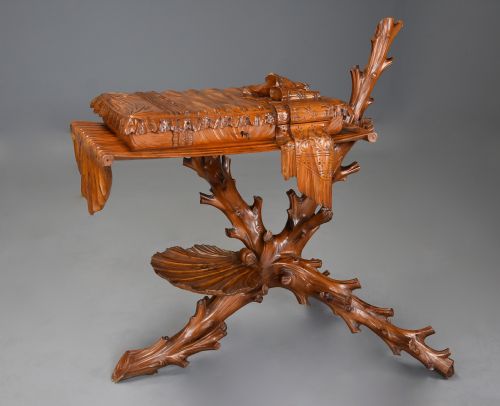
A rustic twig table and an elaborate grotto work table show just how far makers pushed woodland whimsy in the nineteenth century.
The Rustic Wood Side Table Glossary
- Cricket table
- A small, three-legged occasional table popular in the eighteenth century, traditionally used near the hearth. The three-legged design ensured stability on uneven floors.
- Vernacular
- Furniture made by local craftsmen for everyday use, following regional traditions rather than metropolitan fashion. These pieces utilise local materials and practical construction.
- Patina
- The surface sheen and colour developed by wood over decades of handling, exposure to light, and polishing. Genuine patina serves as a visual record of an object's age and history.
- Pegged joint
- A method of securing mortise and tenon connections using wooden pins rather than modern adhesives. This traditional technique accommodates natural wood movement over time.
Rustic Wood Side Table: Frequently Asked Questions
What is a cricket table?
A cricket table is a small, traditional three-legged table dating mostly from the eighteenth century. Its design allowed it to stand firmly on uneven farmhouse floors without rocking.
These tables frequently served beside the hearth or as general utility surfaces in modest homes. Their distinctive triangular footprint and simple construction make them sought-after examples of vernacular furniture.
How do I care for antique timber?
Looking after antique timber involves protecting it from extreme fluctuations in temperature and humidity. Natural beeswax applied sparingly helps nourish the wood and maintain its historic surface.
Avoid placing these tables near direct heat sources or in strong sunlight, which can dry out the old timber and fade the patina. Gentle dusting with a dry cloth is usually sufficient for daily maintenance.
Are these tables suitable for daily use?
These pieces were originally built for rigorous domestic service, making them remarkably durable for modern living. Their solid construction in oak, elm, and pine suits them well for everyday placement as side or lamp tables.
While they handle normal daily use with ease, employing coasters and placemats helps protect historic surfaces from moisture and heat marks. Living with these items preserves their practical function.
How can I tell the period?
Dating these pieces relies on observing construction details, tool marks, and the ageing of the timber. Eighteenth-century examples often display hand-sawn boards and pegged joinery, whereas later nineteenth-century pieces may show the introduction of different manufacturing methods.
The character of the wood and the presence of historic wear patterns also provide reliable clues to an object's approximate age. Comparing hardware, leg turnings, and overall form against documented examples helps confirm the period.