



French Country Serving Table
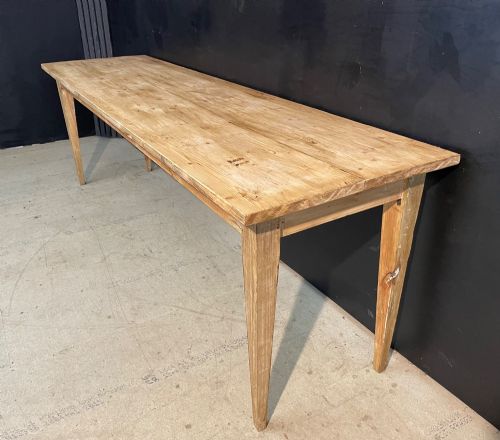
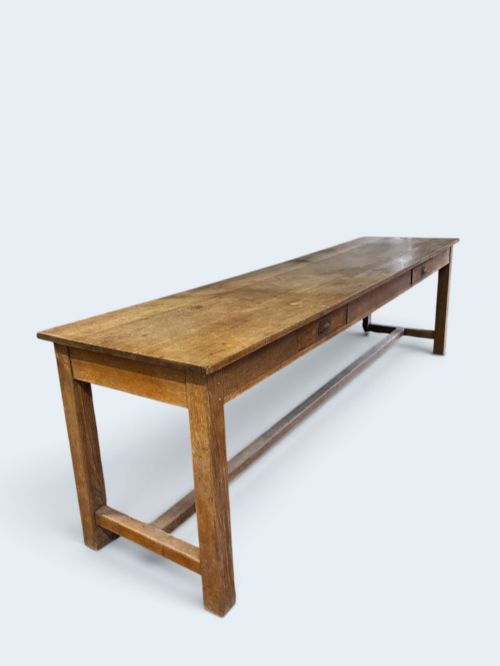
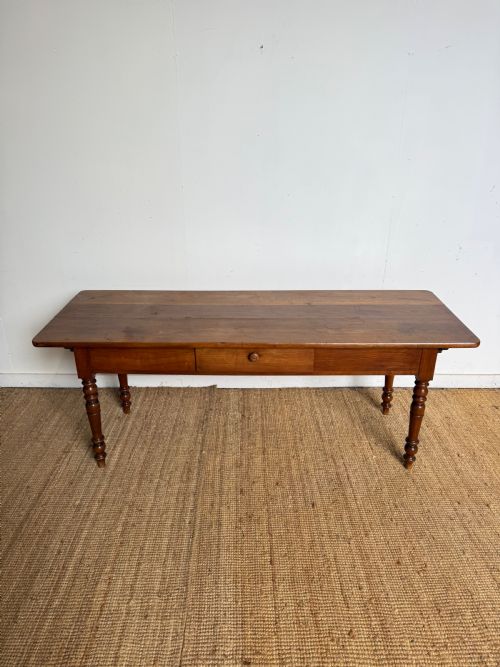
These french country serving table examples bring honest utility and provincial character straight into modern dining spaces.
French Country Serving Table
A french country serving table brings robust provincial utility to domestic interiors, serving as both a working surface and a sideboard. These pieces emerge primarily from the nineteenth century, including specific dates such as 1800, 1860, 1910, and the Edwardian era.
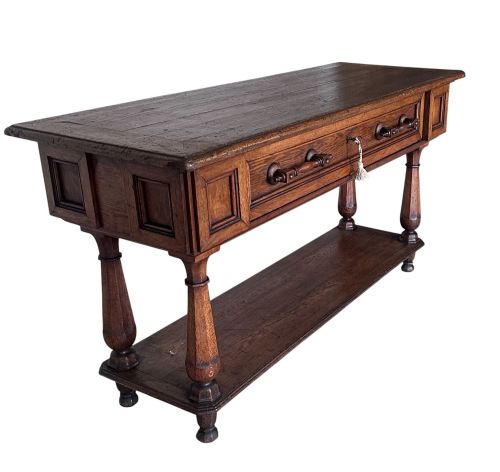
The most common formats on this page include console tables, serving tables, drapers tables, and sideboards, often featuring practical additions like pot-shelves and drawers. Styles span French provincial, rustic farmhouse, and Scandinavian country interpretations.
Forms vary from simple single-drawer pine consoles to substantial walnut and cherrywood metamorphic buffets, reflecting diverse regional workshops across the countryside.
Materials and construction methods
Makers relied heavily on solid hardwoods like oak, cherrywood, walnut, and pine, alongside painted finishes and bleached timber treatments. Iron and brass occasionally appear in supporting hardware and structural fastenings.
Joinery methods prioritize daily utility and durability, utilising sturdy timbers capable of handling heavy provisions, harvest storage, and regular kitchen tasks.
Listings feature nineteenth century pieces alongside 1860, 1910, and Edwardian examples in oak, pine, cherrywood, and walnut.
Assessing quality in provincial tables
Quality rests upon the integrity of the primary timber selection, distinguishing between dense solid oak or cherrywood and softer pine structures. The choice of finish, whether original paint, bleached oak, or polished walnut, dictates visual depth.
Construction details such as integrated pot-shelves, multiple drawers, and well-preserved brass or iron fittings elevate a piece beyond standard utilitarian builds.
The French Country Serving Table Glossary
- Console Table
- A table designed to stand against a wall, frequently utilised in hallways or dining rooms for display and service.
- Drapers Table
- A long, utilitarian table traditionally used in trade, characterised by a lower shelf and generous working surface.
- Pot-Shelf
- An open lower shelf fitted beneath a table or server, originally intended for storing heavy pots and culinary vessels.
- Metamorphic Buffet
- A multifunctional piece of furniture designed to transform or adapt its surface configuration for various domestic duties.
- French Provincial
- A style originating from the regions outside Paris, emphasising sturdy regional craftsmanship and unpretentious domestic utility.
French Country Serving Table: Frequently Asked Questions
How were these tables used?
These tables served as functional work surfaces for food preparation, storage, and serving in provincial households.
They provided dependable utility in kitchens and dining spaces before built-in cabinetry became standard.
What woods were used?
Makers constructed these pieces using local timbers including oak, pine, cherrywood, and walnut.
Softer pine often received painted or bleached treatments, while hardwoods were valued for their durability.
How do I date a table?
Dating relies on construction marks, timber characteristics, and known periods such as the nineteenth century or Edwardian era.
Hardware styles and tool marks left by provincial cabinetmakers also offer clues to age.
Are pot-shelves common?
Pot-shelves frequently appear on rustic serving and drapers tables to provide open lower storage.
This practical feature accommodated heavy kitchenware and larger domestic provisions.