
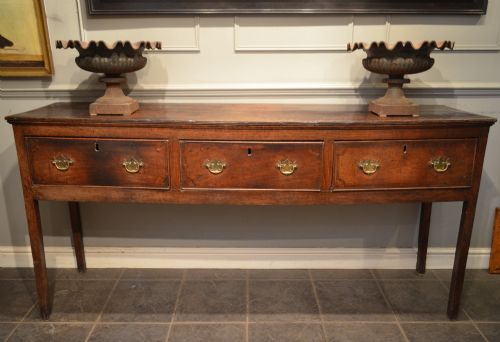
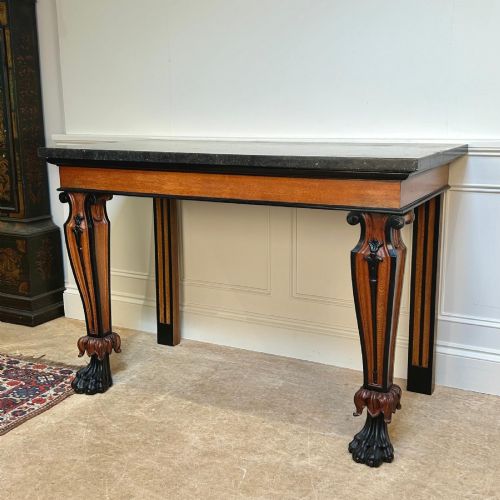
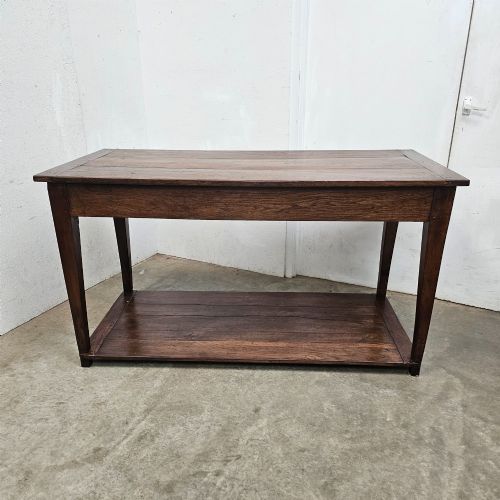
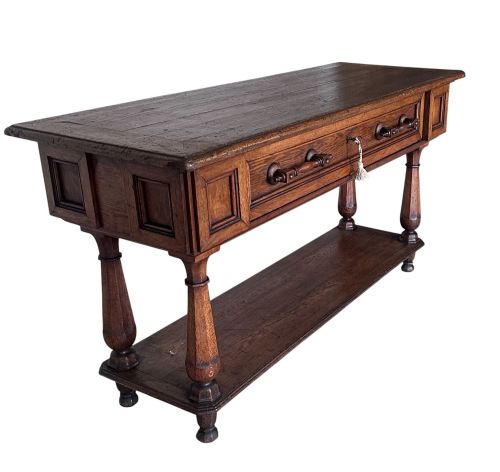
Dark Oak Serving Table
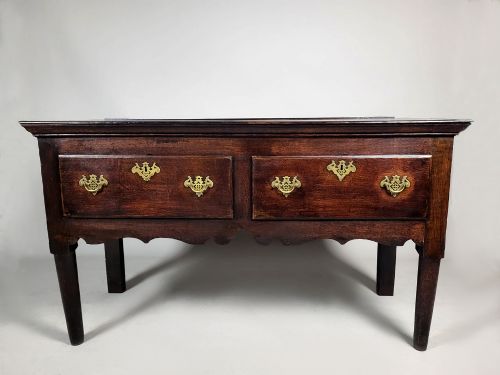
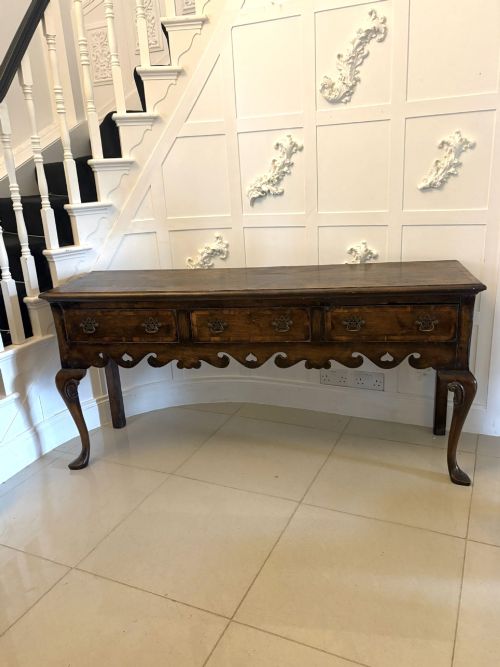
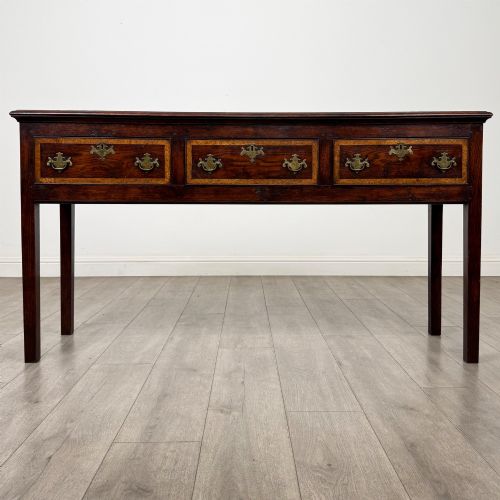
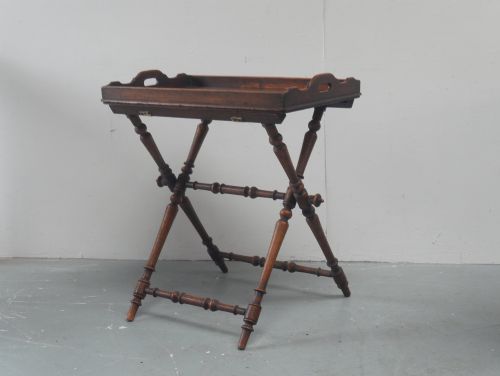
A dark oak serving table brings grounded weight and rich grain to a dining room, offering a sturdy surface for food and silver.
Dark Oak Serving Table
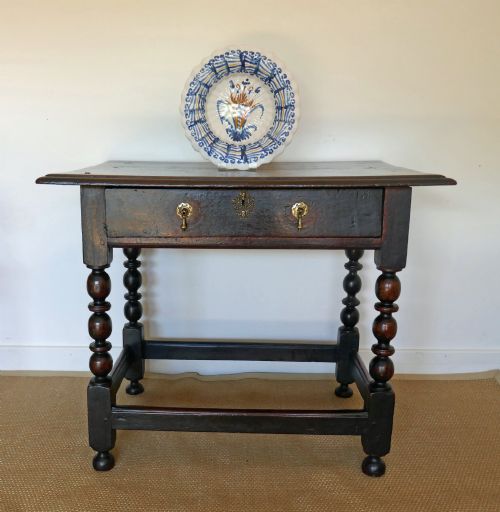
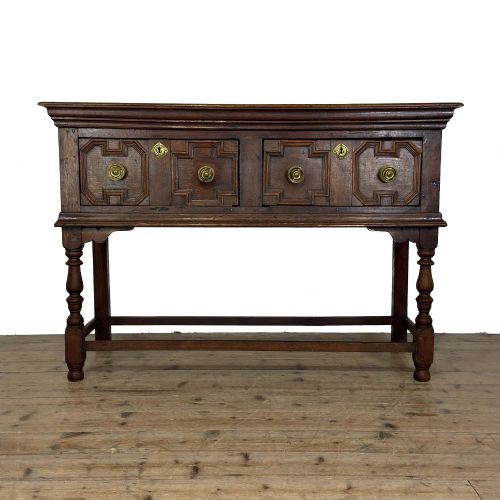
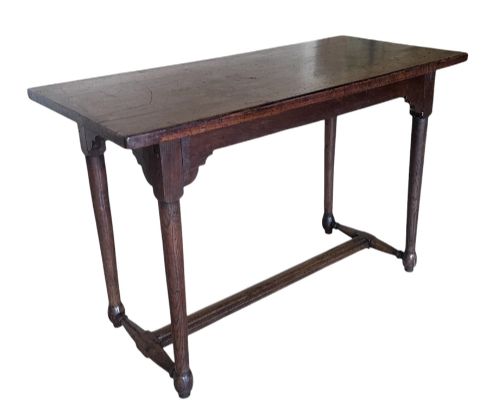
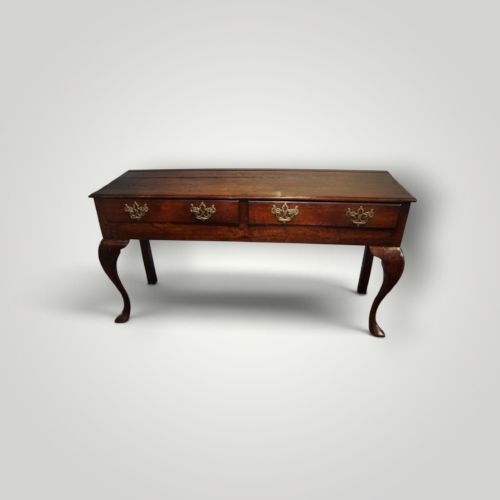
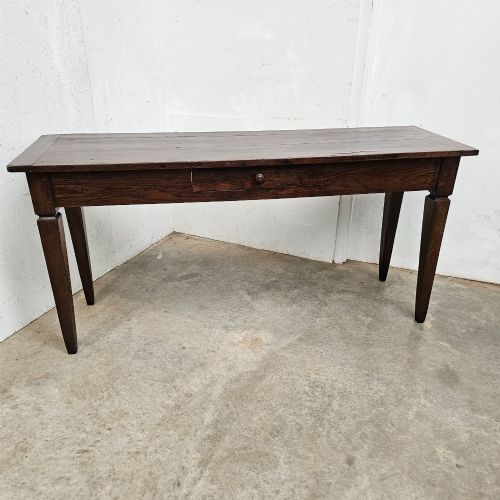
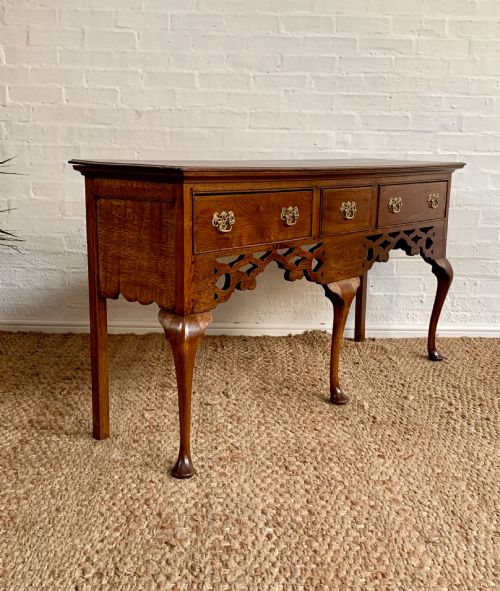
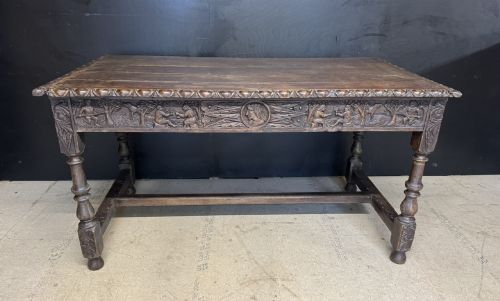
A dark oak serving table encompasses a variety of sturdy forms found across different centuries, from 17th-century side tables of bold proportions to 18th-century dresser bases and Georgian side tables. These pieces emerge in English, Welsh, Spanish, and French variants, reflecting regional woodworking traditions.
Buyers most frequently meet 19th-century interpretations and Jacobean revival styles alongside genuine 18th-century pieces. The selection ranges from carved serving tables and console tables to dresser bases equipped with drawers and brass hardware.
The materials span primarily across oak, sometimes paired with brass handles, iron supports, or walnut details, establishing a consistent dark timber palette across multiple eras.
Judging the work
Quality rests in the crispness of the hand-carving and the integrity of the timber selection, where dense, figured oak denotes a superior piece compared to plain, utility-grade boards. The handling of drawer construction, such as hand-cut dovetails and timber linings, marks the distinction between workshop standards.
Proportion and surface patination dictate the standing of a dark oak serving table. Pieces retaining original brasses, uncompromised timber thickness, and honest wear from centuries of use outrank heavily altered or over-restored examples.
Some oak serving tables hide deep drawers that likely stored centuries of damp tablecloths and silver spoons.
The Dark Oak Serving Table Glossary
- Dresser base
- A low wooden unit with drawers and sometimes a lower shelf, designed for storage and serving in dining spaces.
- Cabriole leg
- A furniture leg that curves outward and then tapers inward, originating from animal limb shapes and popular in Georgian design.
- Patina
- The surface sheen and colour depth developed on timber over decades and centuries of handling and polishing.
- Mortise and tenon
- A joint wherein a projecting tongue fits snugly into a corresponding cavity, securing wooden frames together without modern fasteners.
Dark Oak Serving Table: Frequently Asked Questions
How do I clean a dark oak serving table?
Dust the surface regularly with a soft, dry cloth to prevent dirt accumulation in the grain. Apply a traditional beeswax sparingly and buff gently to maintain the natural sheen without stripping the aged finish.
Avoid placing the table near direct heat sources or strong sunlight, which can dry out the timber and cause splitting. Use mats under hot dishes and liquids to protect the wood from rings and heat damage.
Can I use a dresser base as a serving table?
Dresser bases function effectively as serving tables during meals, providing substantial top space for platters and useful drawer storage for cutlery and linen. Their sturdy proportions suit modern dining rooms just as well as historic ones.
Ensure the height and depth of the base match your dining chairs or standing requirements before placement. Many period examples offer narrow profiles that fit comfortably against dining room walls.
What defines Jacobean revival style?
Jacobean revival furniture mimics the heavy, rectilinear forms, geometric mouldings, and dark finishes of the 17th century. Makers in the 19th century produced these pieces to satisfy a Victorian appetite for historicism.
Distinguishing revival work from original 17th-century joinery involves examining tool marks, timber shrinkage, and fastener types. Revival pieces often display machine-sawn components and standardised hardware.
Where were these tables placed historically?
Dining rooms, great halls, and country house reception rooms held these tables to stage dishes before service. They stood against walls to keep serving spaces clear during large meals.
In contemporary interiors, they transfer easily into hallways, kitchens, or living areas as sideboards or console surfaces. Their robust construction handles heavy everyday use.