
Rustic Pine Kitchen Dresser
A rustic pine kitchen dresser brings practical workspace and deep regional character to a room, built from honest timber for daily domestic service.
Rustic Pine Kitchen Dresser
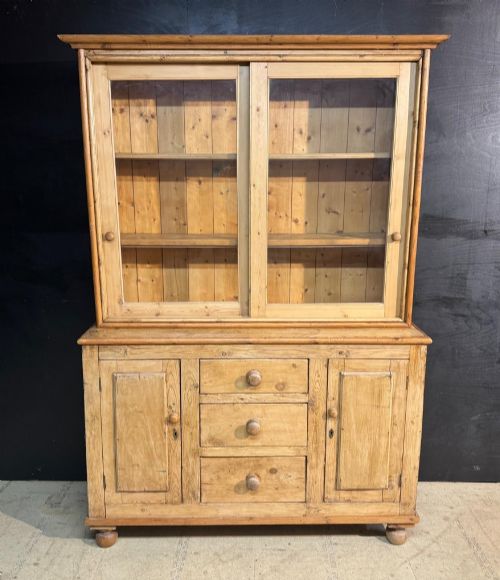
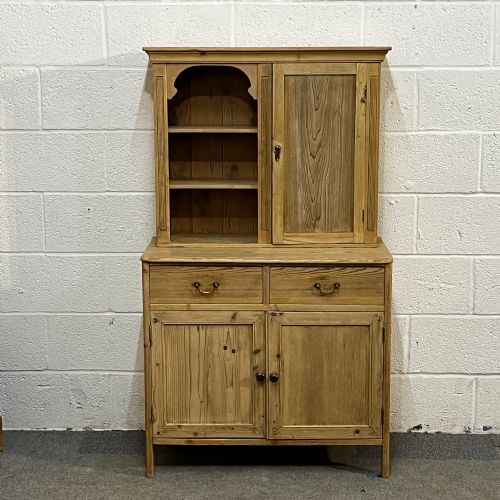
A rustic pine kitchen dresser is a utilitarian storage piece designed for storing crockery, dry goods and kitchen utensils, typically combining lower cupboards or drawers with upper display shelving. These pieces emerge predominantly from the eighteenth and nineteenth centuries, spanning Georgian, Victorian and Edwardian domestic eras across British, Irish, French and Scandinavian country houses.
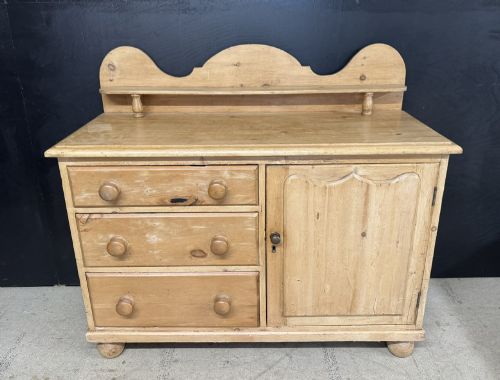
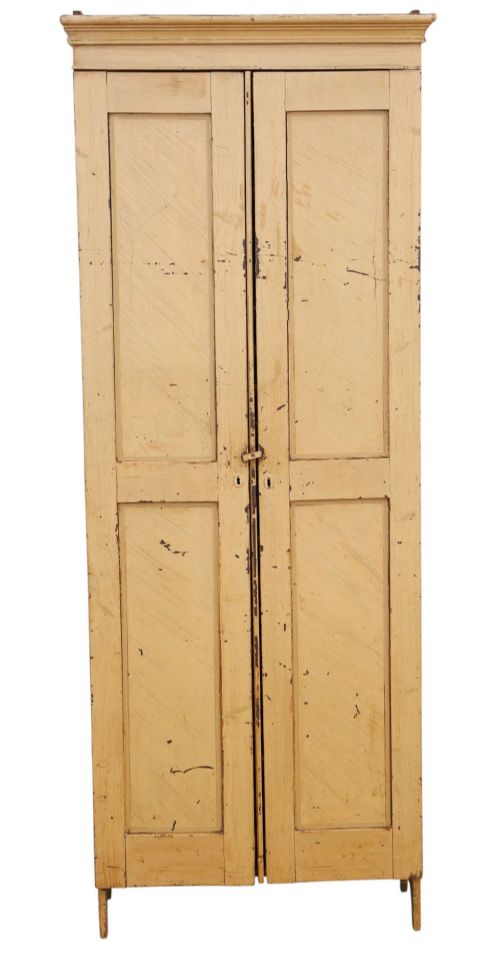
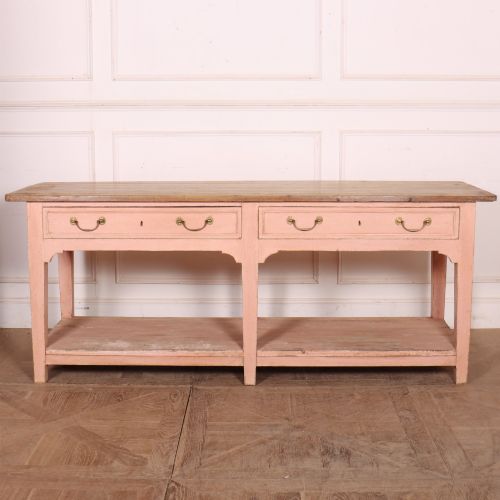
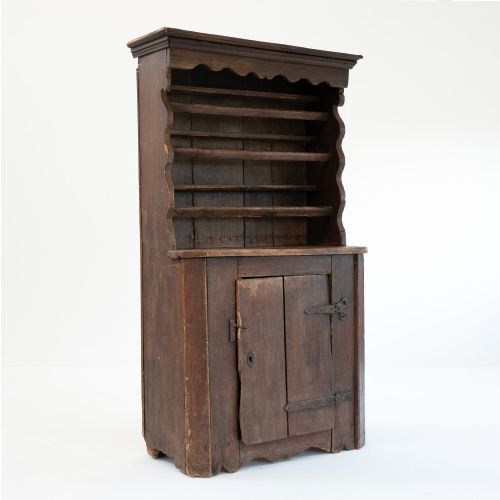
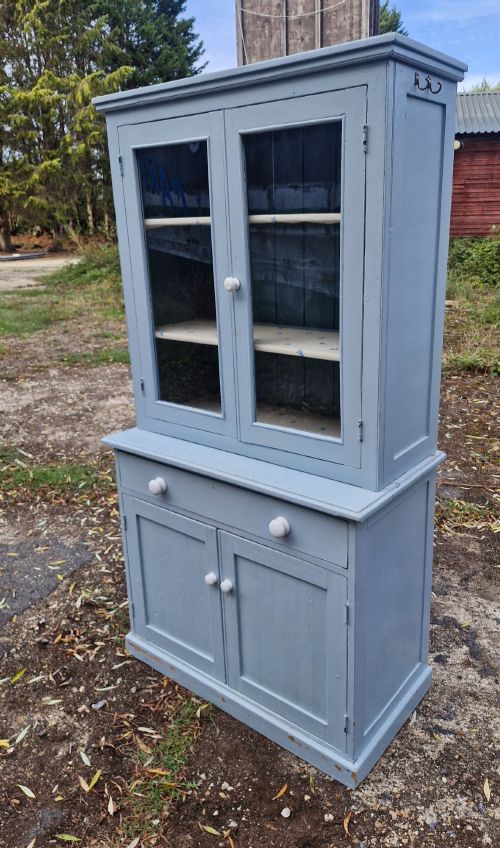
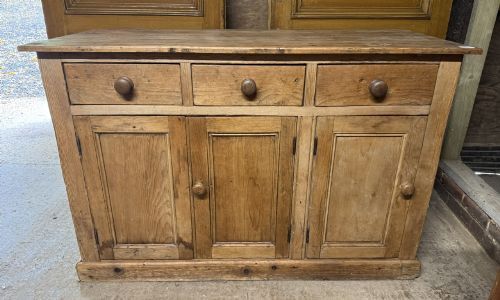
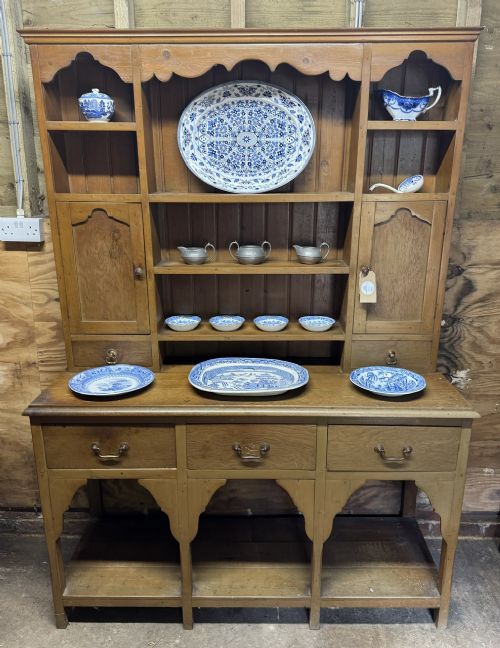
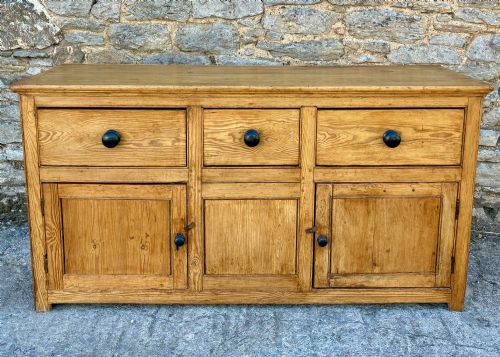
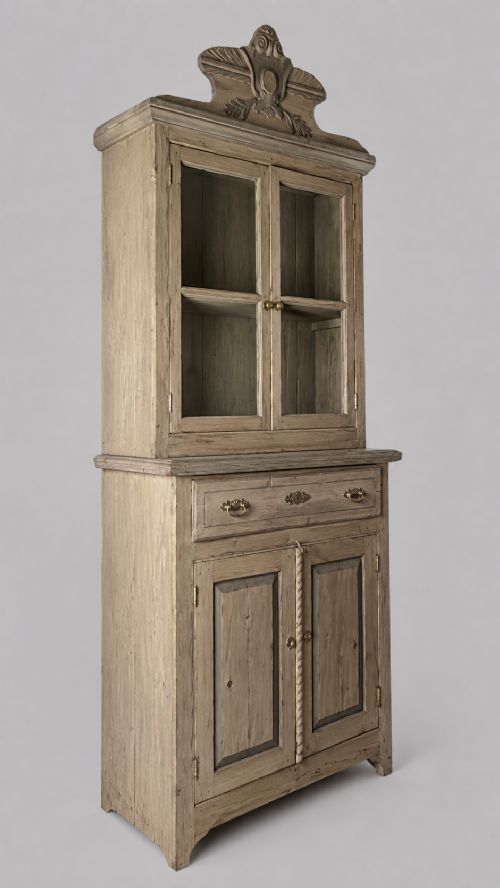
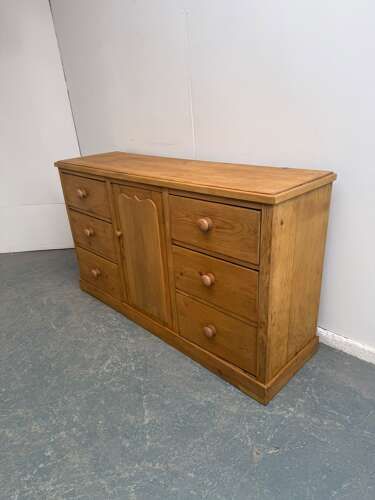
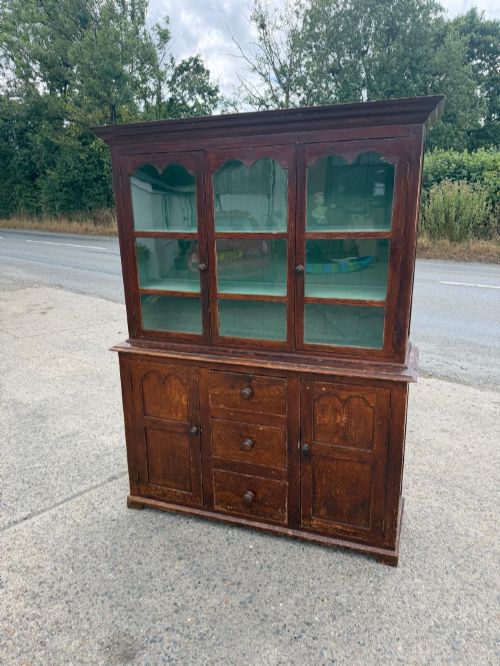
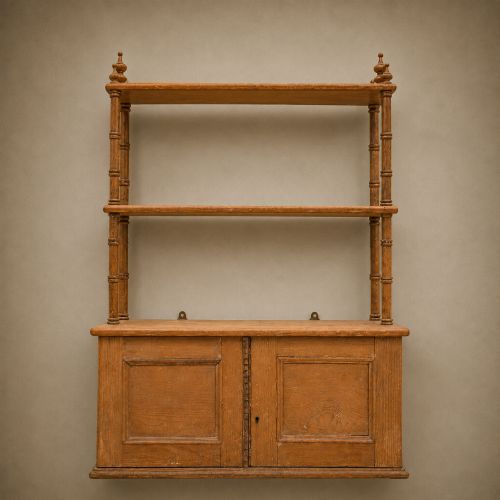
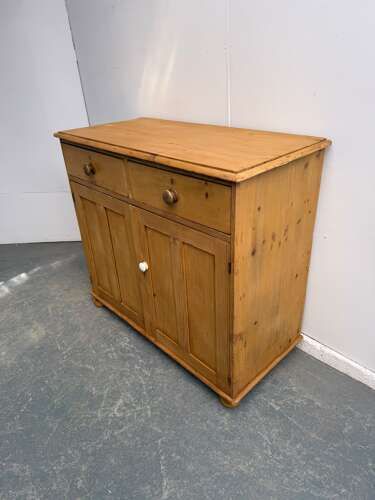
The varieties met on this page range from compact dresser bases and potboards to towering two-part glazed cupboards and wall racks. Regional forms such as Welsh dressers and Scottish farmhouse potboard bases appear frequently, alongside simple painted food cupboards and housekeeper cabinets.
Makers built these pieces for hard work in farmhouses and country kitchens rather than formal parlours. Consequently, they display straightforward construction methods, honest proportions and surfaces shaped by generations of domestic use.
Materials and Construction
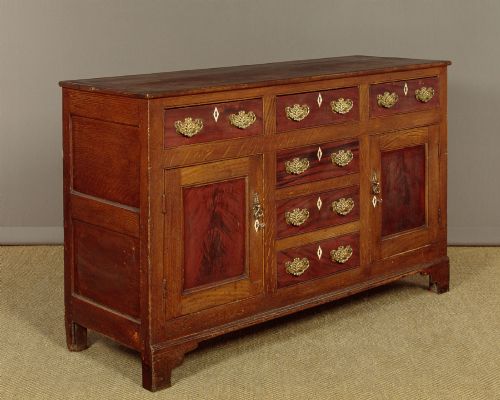
Makers relied primarily on solid pine, occasionally pairing it with secondary woods such as sycamore or oak for internal framing and drawer construction. Iron and brass hardware, including drop handles, hinges and latches, secure the doors and drawers against heavy daily use.
Surfaces divide into two distinct finishes: waxed timber that highlights the natural grain and knots of the softwood, and layers of historic paint. Many pieces retain original cream or coloured paint finishes, while others show traces of early decoration beneath subsequent coats.
Listings feature pine alongside painted wood and iron, stretching from eighteenth-century Georgian country designs into the Edwardian era.
Distinguishing Quality and Integrity
Quality in a rustic pine kitchen dresser rests upon structural integrity and the survival of original surface finishes. Pieces retaining their early or original paint layers, historic hardware and unblemished pot shelves command greater interest than heavily restored examples.
Proportion and scale also dictate distinction, as narrower wall shelves and well-balanced two-part carcasses require precise carpentry. The integration of period elements, such as original brass fittings and undisturbed dovetail joints in the drawers, marks superior country craftsmanship.
The Rustic Pine Kitchen Dresser Glossary
- Potboard
- An open slatted lower shelf beneath a dresser base designed for storing heavy pots and pans off the stone floor. This feature is particularly characteristic of Welsh and English country furniture.
- Dresser base
- The lower section of a kitchen dresser featuring cupboards and drawers without the upper plate rack. These versatile sideboards provided a sturdy surface for food preparation.
- Plate rack
- The upper open-shelved component of a dresser fastened to the wall or sitting upon the base. It holds dining plates upright against the backboards for drying and display.
- Patina
- The deep sheen and surface character acquired by wood and paint over decades of cleaning, handling and exposure to light. It serves as a visual indicator of age and authenticity.
- Housekeeper cupboard
- A tall, large-scale storage cabinet utilised in country houses for linen, dry goods or china. These pieces often feature multiple doors enclosing adjustable shelving.
Rustic Pine Kitchen Dresser: Frequently Asked Questions
How do I clean a waxed pine dresser?
Maintain waxed pine surfaces by dusting regularly with a soft, dry cloth to prevent grit accumulation. Apply a quality beeswax sparingly once or twice a year to nourish the timber and preserve the sheen.
Avoid using water, synthetic sprays or silicone polishes, as these products penetrate the grain and degrade the historic wax finish over time.
Were these dressers painted originally?
Many country dressers received coats of practical oil-based paint to protect the softwood from kitchen moisture and grease. Paint colours often changed as houses were redecorated across successive generations.
Discovering original paint beneath later layers confirms the piece retains its early surface, which adds considerable character to a rustic interior.
Can I separate a two-part dresser?
Two-part dressers consist of a heavy lower base and a separate upper plate rack that rests upon it or fixes to the wall. This modular construction allowed easier transport through narrow farmhouse doorways during the nineteenth century.
Lifting the upper section away is straightforward if the fixing screws are removed, though wall-mounted racks require care to avoid damaging the plaster.
How do I style a kitchen dresser today?
A kitchen dresser serves as an ideal display unit for everyday ceramics, glassware and kitchenalia collected over time. Balance heavier platters on the lower shelves with smaller bowls and jugs positioned near the top.
Use the work surface of the dresser base for canisters, cutting boards or lighting, keeping the functional spirit of the country kitchen alive in a modern home.