
Country Kitchen Storage Cabinet
A country kitchen storage cabinet brings functional utility and rustic character, spanning practical pine larders and oak dressers.
Country Kitchen Storage Cabinet
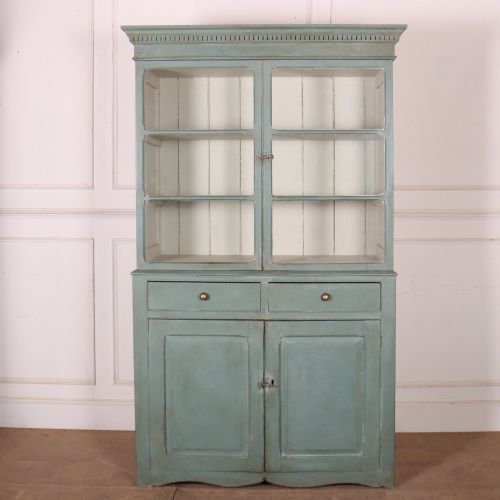
A country kitchen storage cabinet encompasses pieces designed for domestic utility, most commonly found in pine, oak, and fruitwood. Buyers searching for a country kitchen storage cabinet encounter forms ranging from tall housekeeper's cupboards and glazed cabinets to open-base dressers and compact jam cupboards.
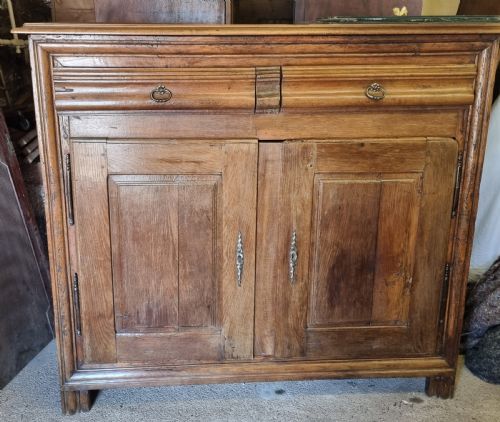
The periods represented stretch across the eighteenth, nineteenth, and early twentieth centuries, reflecting regional English, Scottish, Welsh, and French provincial workshops. These items served as essential storage for provisions, tableware, and utensils in traditional households before fitted kitchens existed.
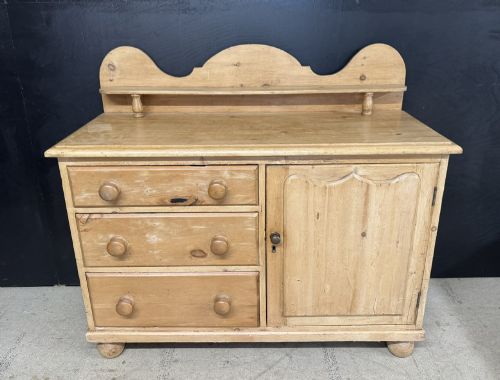
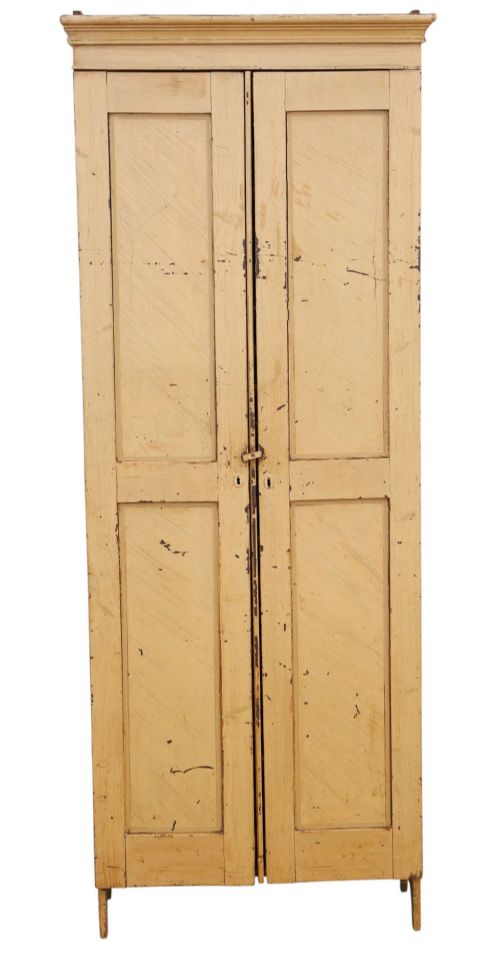
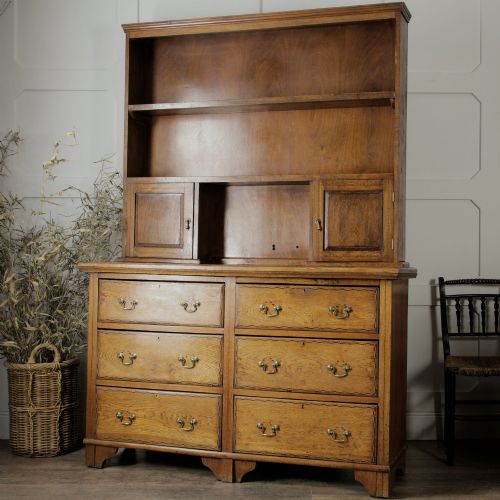
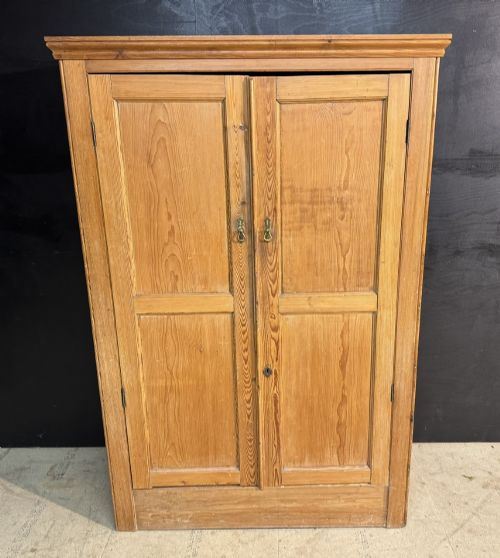
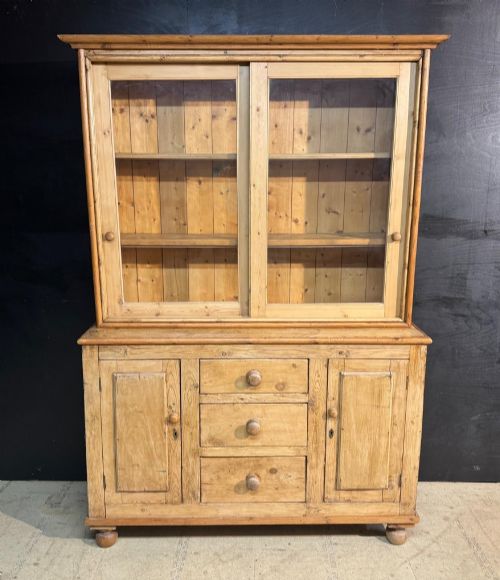
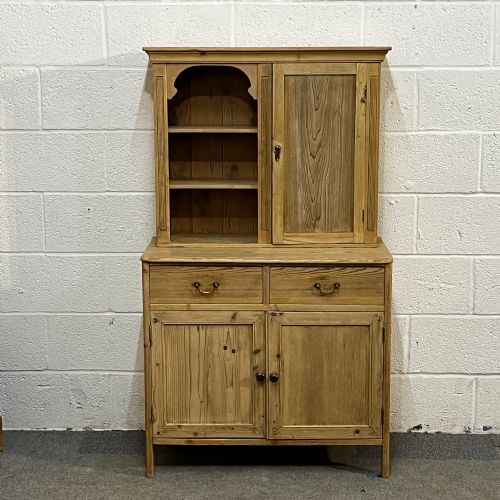
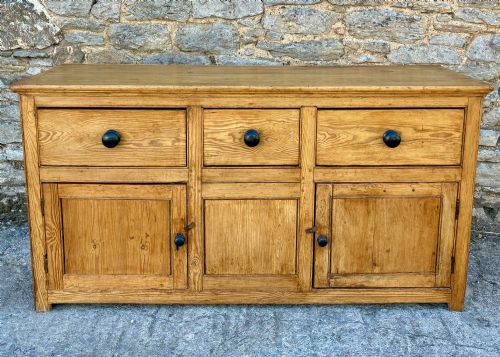
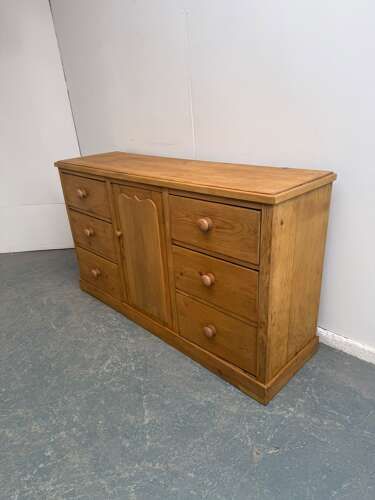
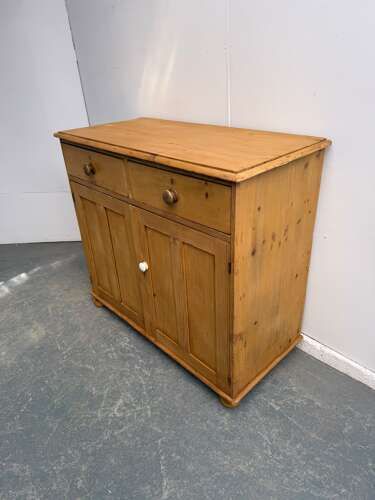
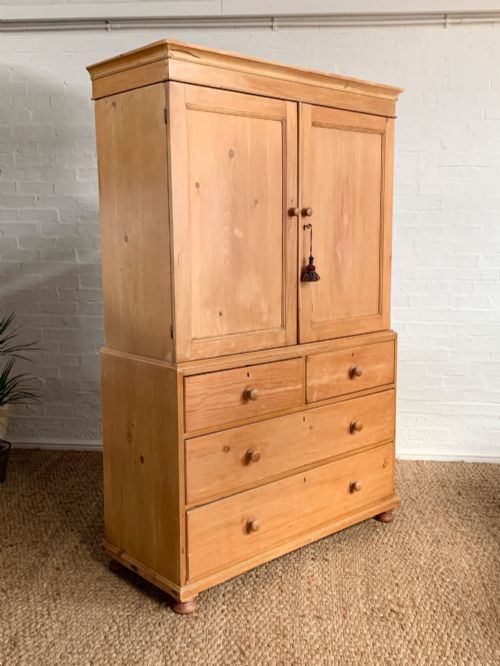
The most prevalent examples on this page are nineteenth-century and Victorian pine cupboards and dresser bases, often finished in original paint, waxed surfaces, or stripped wood. Variants include vented food cupboards, larder units, and two-part kitchen dressers designed for everyday domestic use.
Materials and Construction
Solid timbers form the backbone of these pieces, predominantly native pine, oak, and fruitwood such as cherry or pear. Joinery techniques rely on traditional mortise and tenon joints, hand-cut dovetails for drawers, and panelled doors designed to accommodate wood movement over time.
Hardware consists of brass or iron hinges, pulls, and latches, often forged by hand or cast in local foundries. Surfaces are treated with traditional finishes including beeswax, linseed oil, or lead-based and milk paints that acquire a natural patina through decades of kitchen use.
Fruitwood spice drawers tucked inside nineteenth-century workshops provided dedicated micro-storage for precious kitchen seasonings long before modern jars existed.
Assessing Quality
Quality rests upon the integrity of the timber selection and the retention of original structural fabric. Pieces constructed from dense, well-seasoned heartwood with minimal replacement timber sit at the upper end of the scale compared to those assembled from lesser secondary woods.
The survival of original surface treatments - whether layered historical paint or honest wax patination - distinguishes superior examples. Proportions, such as the balance between door panels and drawer arrangements, alongside the crispness of hand-cut joints, define the skill of the original maker.
The Country Kitchen Storage Cabinet Glossary
- Dresser base
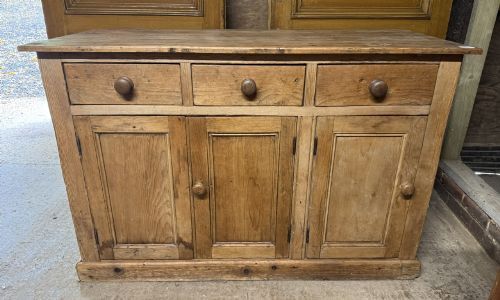
- A low sideboard unit featuring drawers and cupboards beneath a flat top, historically used for food preparation and serving. It forms the lower half of a traditional kitchen dresser.
- Housekeeper's cupboard
- A large, tall storage cabinet with multiple doors, traditionally utilised by estate housekeepers for storing linens, dry goods, and provisions. These stand among the most substantial pieces of domestic vernacular furniture.
- Larder cupboard
- A tall cabinet designed for food storage, frequently featuring panelled doors or vented mesh inserts to maintain airflow for perishables. They are foundational items in nineteenth-century country kitchens.
- Vented cupboard
- A cabinet featuring pierced timber panels or wire mesh doors designed to circulate air around stored foodstuffs. This ventilation prevented spoilage before mechanical refrigeration.
Country Kitchen Storage Cabinet: Frequently Asked Questions
What is a country kitchen storage cabinet?
A country kitchen storage cabinet is a utilitarian piece of furniture built to hold food, utensils, and tableware in a domestic setting. These include larder cupboards, dresser bases, and housekeeper's units.
They originate mostly from the eighteenth and nineteenth centuries, constructed by regional makers using local timber like pine and oak.
How do I date an antique pine cupboard?
Dating relies on examining construction methods, tool marks, and hardware. Hand-sawn boards, pegged joints, and hand-cut dovetails indicate earlier nineteenth-century or Georgian origins.
Later Victorian and early twentieth-century pieces often display machine-sawn timber and standardised iron hinges, alongside traces of original surface finishes.
What is the difference between a dresser and a sideboard?
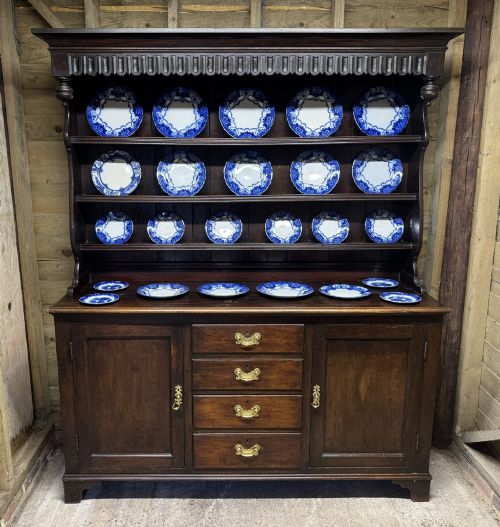
A traditional country dresser often includes upper shelving or exists as a two-part unit designed for displaying plates alongside enclosed base storage. A sideboard or dresser base consists strictly of the lower cabinet section.
Both served central roles in the kitchen, but dresser bases emphasise flat working surfaces above drawers and cupboards.
How should I care for waxed pine furniture?
Waxed pine requires protection from direct heat sources and excessive moisture to prevent the timber from warping or splitting. Feeding the wood periodically with a quality beeswax maintains the finish.
A soft, dry cloth is sufficient for regular dusting, avoiding abrasive chemical cleaners that strip the historical patination.
Were these cabinets painted originally?
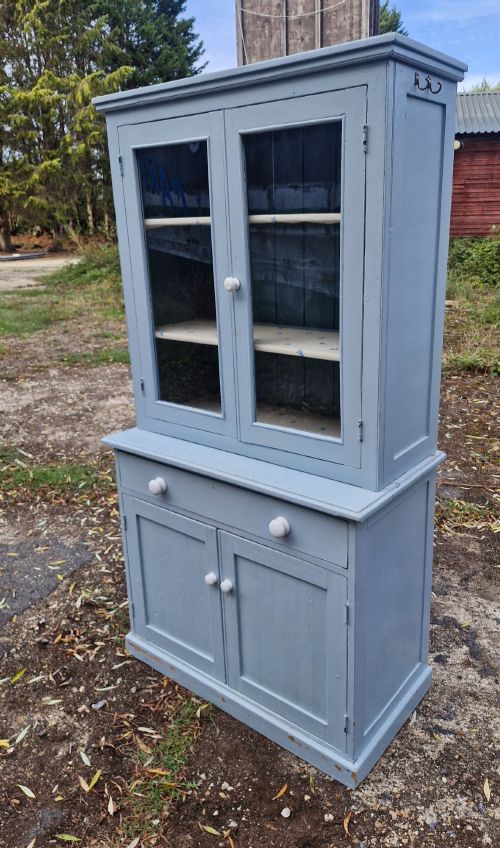
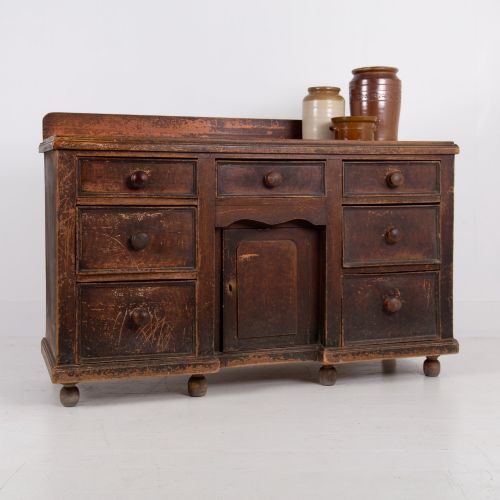
Many country pieces received coats of paint for protection, hygiene, and aesthetic preference in utilitarian settings. Paint types varied from early milk paints to lead-based coatings that age into distinct patinas.
Today, buyers encounter these surfaces preserved in original paint, stripped down to raw pine, or waxed over decades of subsequent maintenance.