
Rustic Pine Housekeepers Cupboard
These rustic pine housekeepers cupboards offer practical utility and honest country character, making them essential storage centrepieces for traditional and modern interiors alike.
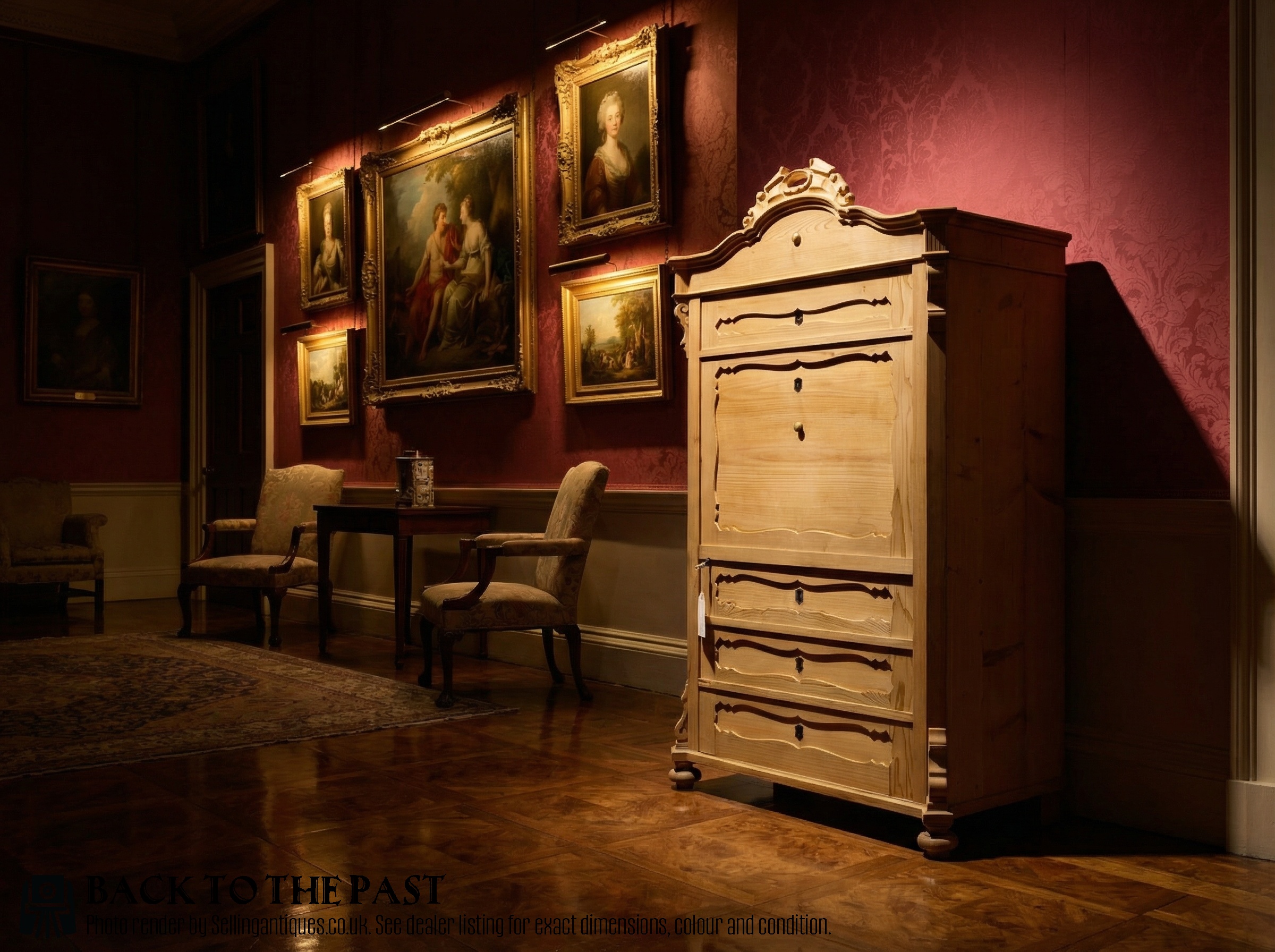
Rustic Pine Housekeepers Cupboard
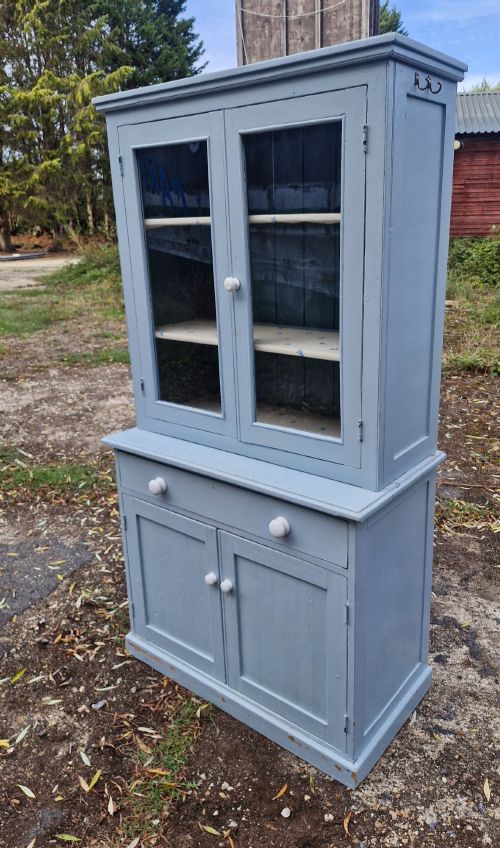
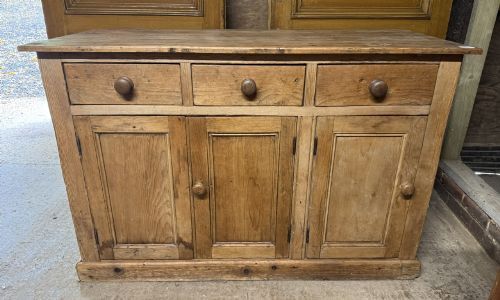
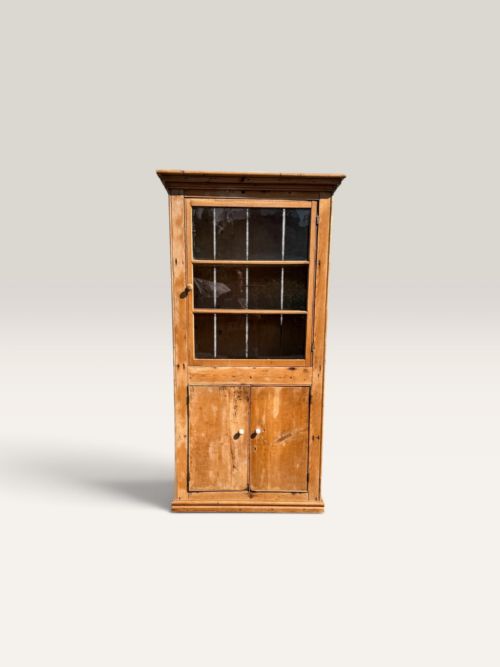
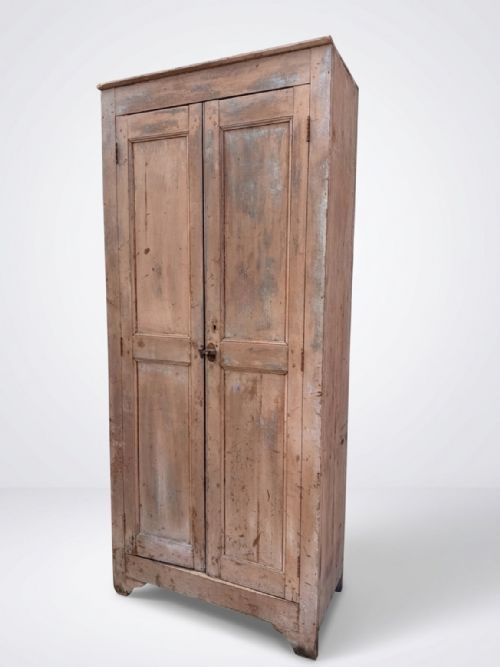
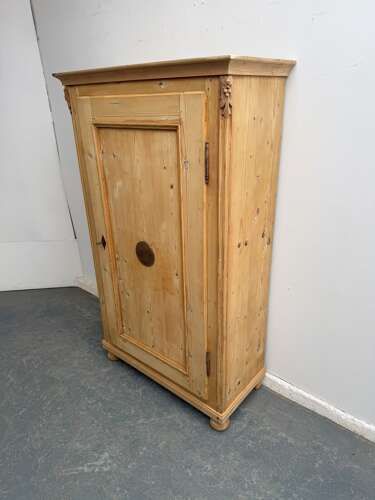
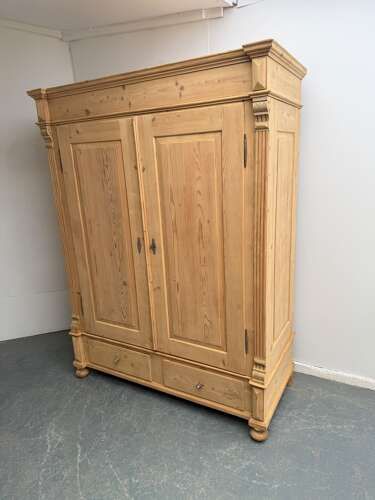
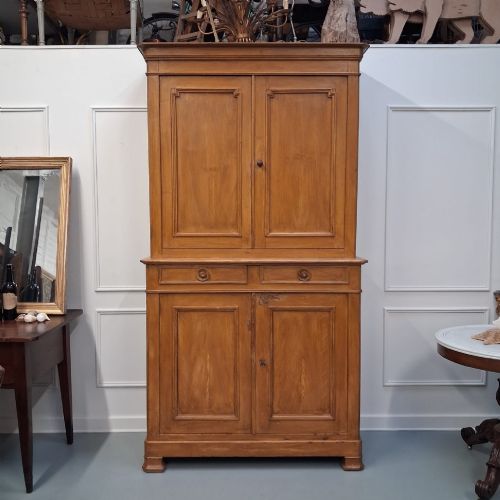
A rustic pine housekeepers cupboard provides substantial storage space, historically utilised for linen, dry goods, and household provisions in domestic service quarters. Buyers hunting for a rustic pine housekeepers cupboard will encounter substantial multi-door storage units, tall presses, and large kitchen cabinets designed for utilitarian function.
The pieces available originate predominantly from the Victorian and Georgian periods, alongside examples from the Edwardian era and the early twentieth century. Regional variations span English, French, Irish, and Scandinavian country styles, reflecting local vernacular traditions in their proportions and door configurations.
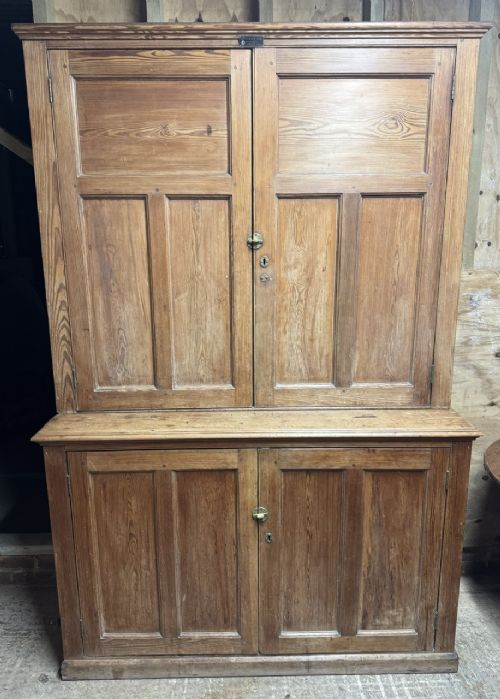
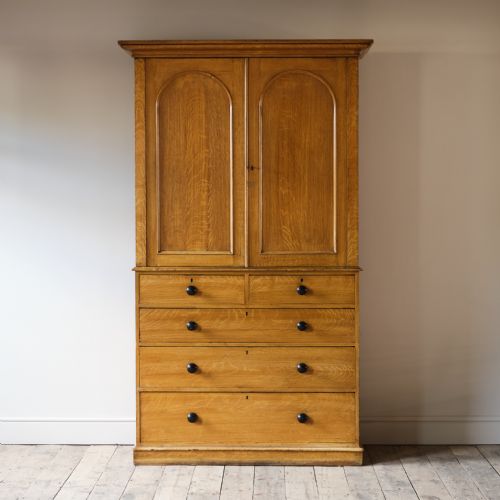
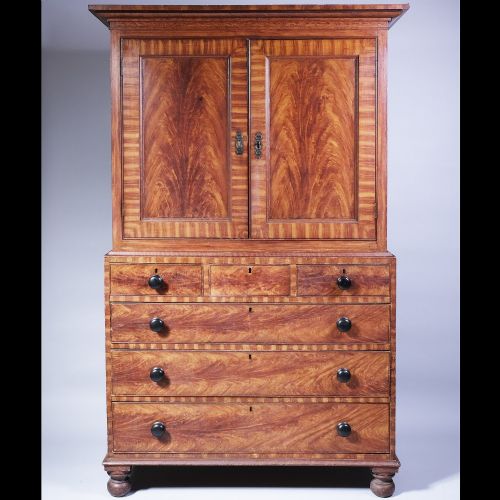
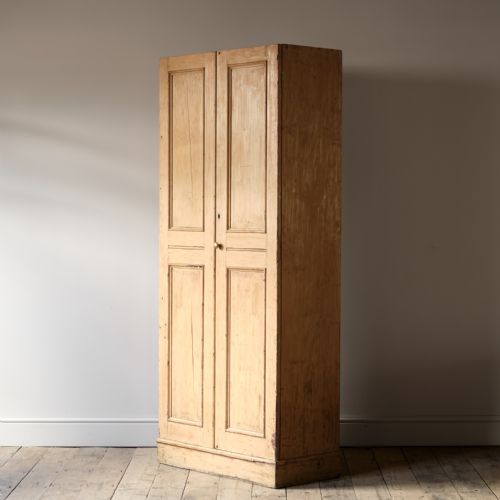
Forms range from two-part kitchen cupboards and tall narrow larders to expansive wardrobes and linen presses. Many examples feature shelved interiors, internal drawers, or vented panels intended for food storage.
Construction and materials
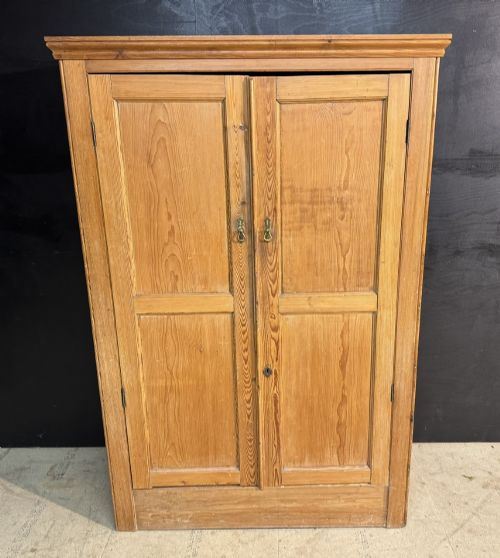
Construction relies primarily on solid pine timbers, selected for availability and workability in provincial joinery workshops. Carcasses utilise pegged or dovetailed joints, with panelled doors featuring raised fields or beaded detailing.
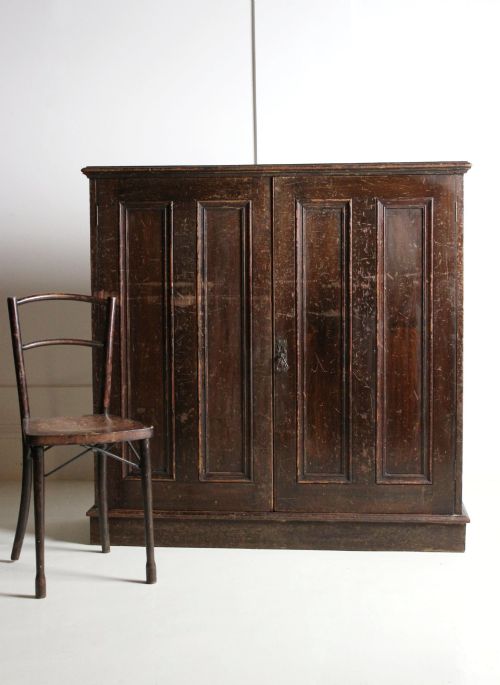
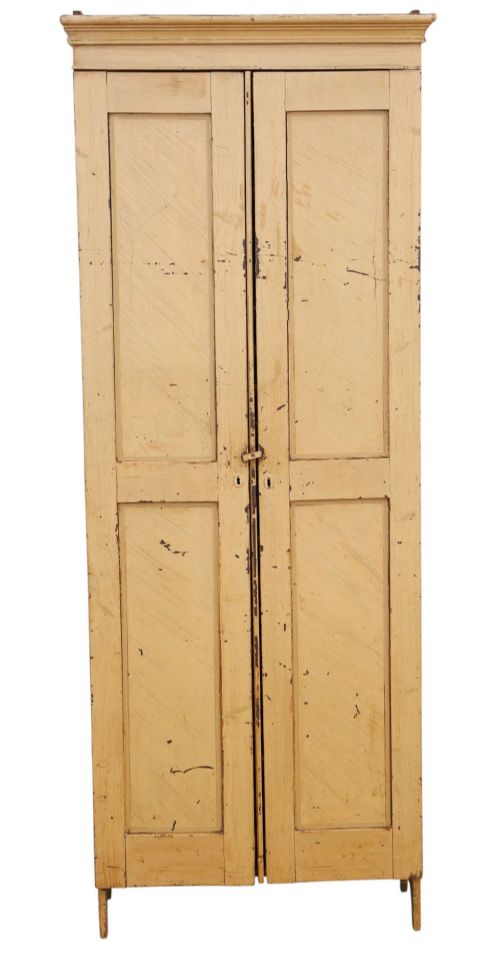
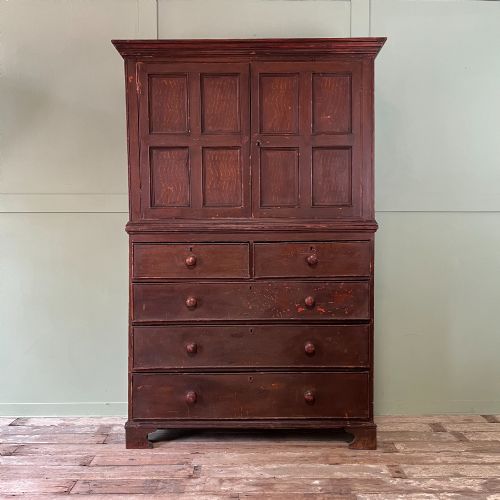
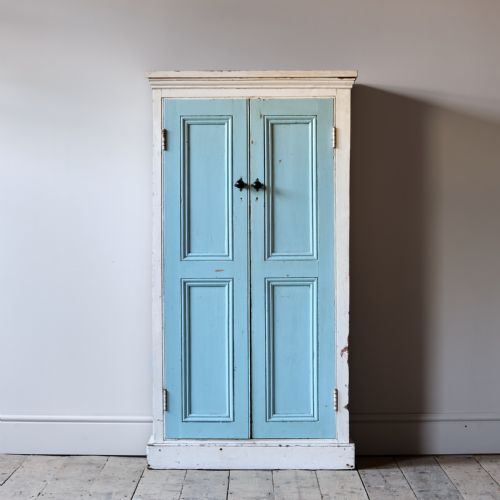
Surface finishes vary significantly between bare waxed wood and historic painted or scumble-painted coats. Iron, brass, and metal hardware such as hinges, latches, and escutcheons secure the heavy doors and drawers.
Listings feature pine and painted wood constructions across Victorian, Georgian, and Edwardian periods.
Evaluating quality and proportion
Quality rests upon the integrity of the original timber and the restraint of the proportions. Better examples maintain balanced cornices, well-hung doors that close true, and minimal timber replacement over decades of domestic service.
The character of the surface finish plays a major role in distinction. Pieces retaining their original or early painted finishes command greater interest than stripped pine surfaces, provided the paint wears a genuine historic patina.
The Rustic Pine Housekeepers Cupboard Glossary
- Linen Press
- A tall storage piece traditionally used for flat textiles, combining upper shelving enclosed by doors with lower drawer storage.
- Scumble Painted
- A decorative surface technique where a translucent top glaze is manipulated with combs or rags to simulate richer timber grains.
- Knockdown Wardrobe
- A large cabinet designed to dismantle into manageable modular sections using internal peg or bolt fixings for ease of transport.
- Fielded Panel
- A wooden door insert with bevelled edges tapering toward a raised central platform, allowing timber to expand and contract safely.
- Larder Cupboard
- A tall storage unit fitted with internal shelving and ventilation, originally intended for the cool preservation of perishable foodstuffs.
Rustic Pine Housekeepers Cupboard: Frequently Asked Questions
What is a rustic pine housekeepers cupboard?
A rustic pine housekeepers cupboard is a large, utilitarian storage cabinet traditionally used in country houses to store household linens, dry goods, and provisions. These pieces provide deep shelving and heavy doors, built for daily domestic service.
Today, they serve as functional focal points in kitchens, hallways, and dining rooms, offering substantial concealed storage while introducing honest nineteenth-century country character to an interior.
How do I date a pine cupboard?
Dating a pine cupboard involves examining construction methods such as hand-cut dovetails, handmade iron or brass hardware, and the specific style of the mouldings. Georgian and early Victorian pieces often feature heavier timber frames and pegged joints.
Later Victorian, Edwardian, and twentieth-century examples tend to use machine-cut elements and standardised hinges. Original paint finishes or traces of scumble graining also help establish the approximate period of manufacture.
Are these cupboards easy to dismantle?
Many larger examples, particularly nineteenth-century wardrobes and presses, were constructed as knockdown units. These incorporate modular panels and internal bolts designed for dismantling during historic house moves.
Buyers should verify whether a specific tall cupboard is built as a single solid piece or designed to separate into modular sections for delivery and placement.
How should I care for waxed pine?
Waxed pine surfaces benefit from occasional application of traditional beeswax to nourish the timber and maintain a soft, protective sheen. Avoid placing these pieces in direct sunlight or near heat sources to prevent the wood from drying and splitting.
Cleaning should be done with a dry or lightly damp cloth, avoiding harsh chemical sprays that can strip the historic wax finish over time.