


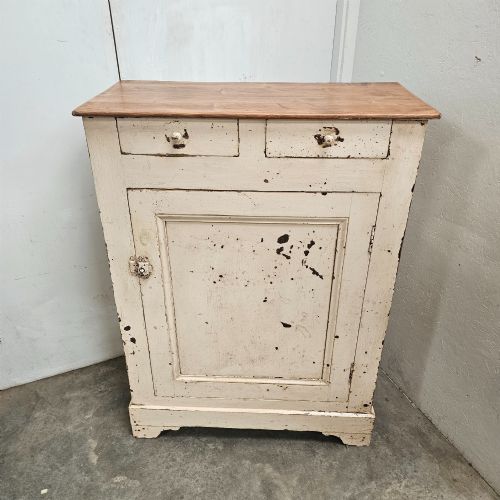
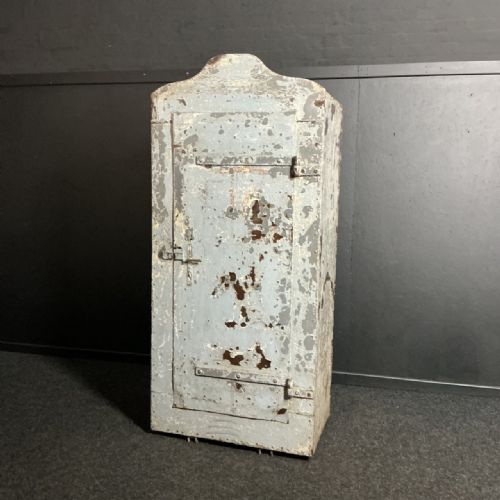
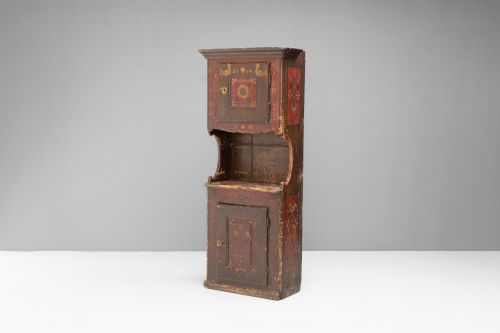
Antique Food Safe Cupboard
An antique food safe cupboard is a utilitarian piece designed for kitchen storage, offering seasoned timber and traditional ventilation.
Antique Food Safe Cupboard
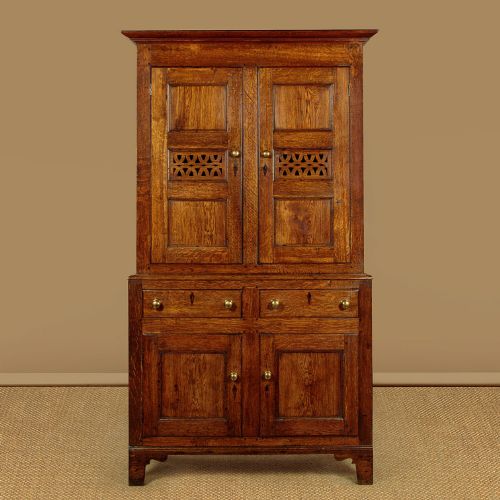
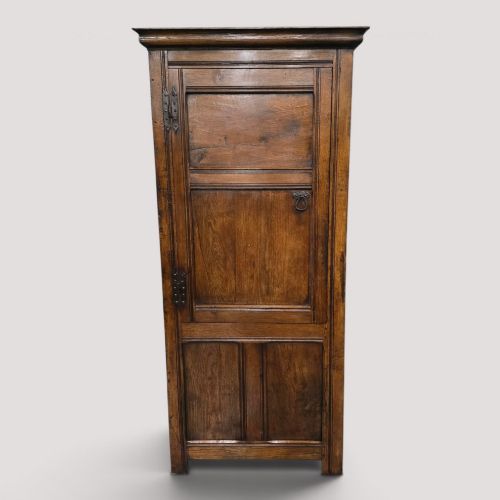
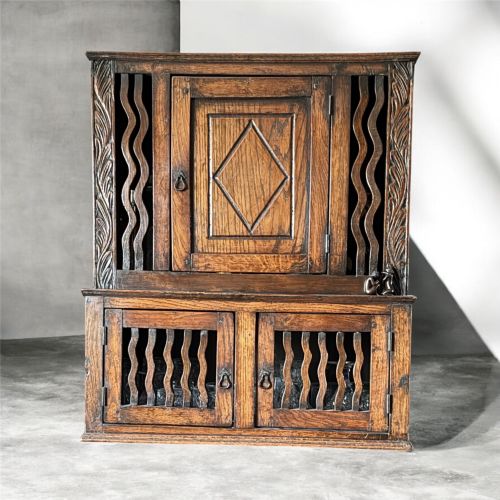
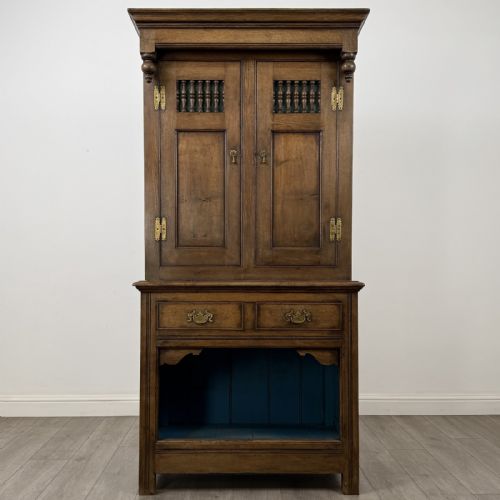
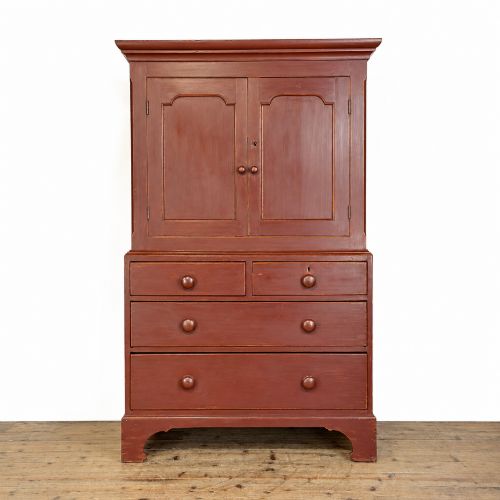
An antique food safe cupboard serves to store provisions while keeping contents aired through panels or mesh. Buyers searching this phrase encounter forms spanning the seventeenth through the nineteenth centuries, including pantry cupboards, larder cupboards, and wall cabinets.
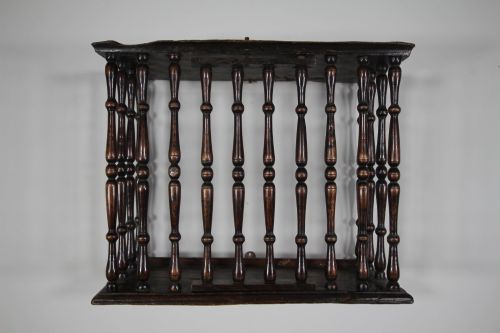
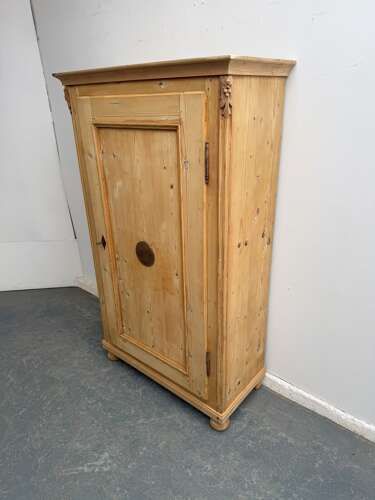
The material palette leans heavily toward domestic timbers, with pine, oak, and fruitwood forming the backbone of the selection. Regional variations range from French provincial fruitwood panetiere bread cages to Victorian pine vented kitchen cupboards.
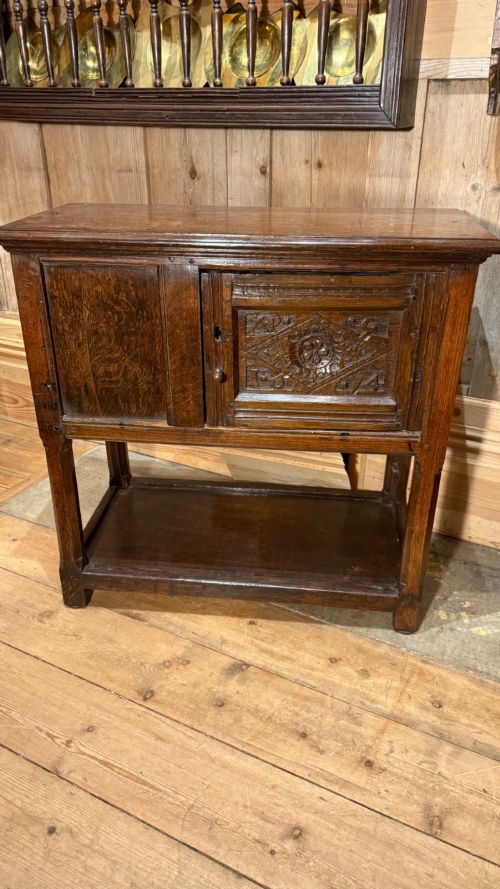
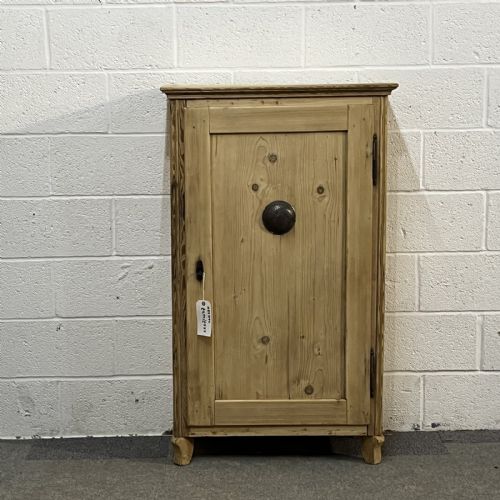
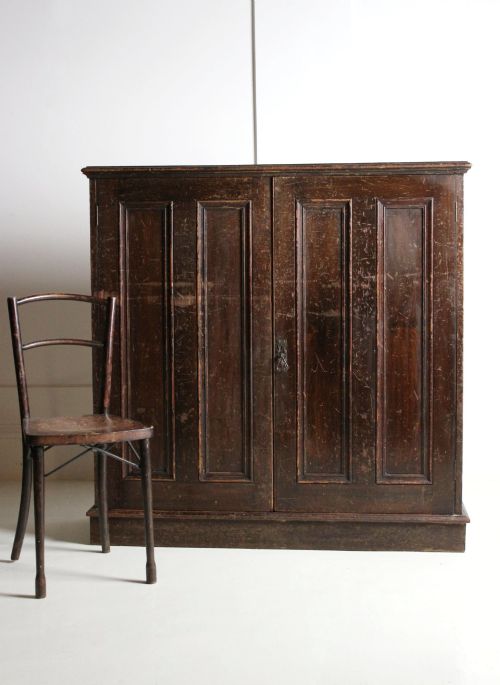
The construction types vary from tall housekeeping cupboards to low single door cabinets and hanging wall units. Country vernacular styles dominate, reflecting domestic utilitarian requirements across Britain, France, Scandinavia, and Spain.
Materials and construction
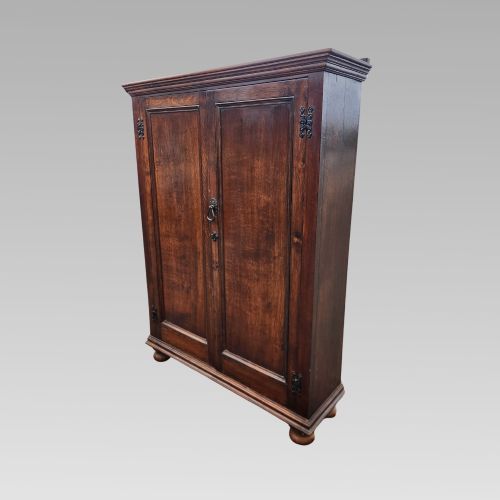
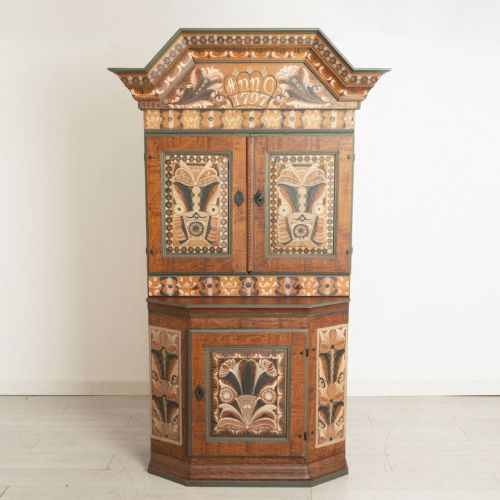
Makers utilised solid timbers such as pine, oak, walnut, chestnut, and fruitwood, often shaped by hand with traditional joints. Surfaces show traces of original or subsequent paint, wax finishes, or bare timber left to age naturally.
Hardware consists of wrought iron hinges, blacksmith locks, and brass fittings that secure the doors while providing structural integrity. Ventilation is achieved through pierced panels, wood slats, or metal mesh screens integrated directly into the door frames.
Antique Food Safe Cupboard Retail Price Guide 2026
Typical asking prices for food safe cupboard among the pieces listed under this phrase on Sellingantiques today, from the lower quarter to the upper quarter. They describe what is for sale here now, not the wider market.
Some cupboards carry the ghosts of daily rations, retaining the faint aroma of old bread and beeswax after centuries of domestic service.
Separating top examples
Provenance and regional character distinguish finer items, where untouched painted surfaces or carved details remain crisp. Alterations to interior shelving or replacement panels shift a piece away from its original domestic context.
The Antique Food Safe Cupboard Glossary
- Panetiere
- A traditional French cabinet or bread cage designed to store and air loaves. These structures often feature turned spindles or pierced wooden grilles.
- Vernacular
- Architecture or furniture built by local craftsmen to address domestic needs rather than following formal academic design rules. These items use regional materials.
- Pantry
- A cool room or dedicated cupboard for storing provisions and food supplies. Examples in this category provide specialised shelving for daily kitchen use.
- Patina
- The surface sheen and colour acquired by wood and paint through age, use, and waxing. It reveals the handling history of the timber.
- Vented
- Fitted with pierced panels, wire mesh, or slats to allow air circulation inside the compartment. This design prevents moisture accumulation around stored food.
Antique Food Safe Cupboard: Frequently Asked Questions
What is a food safe cupboard?
A food safe cupboard is a kitchen storage unit built with ventilated doors to keep provisions fresh before mechanical refrigeration existed.
These pieces rely on mesh, slats, or pierced panels to circulate air while protecting contents from pests.
How do I date an old cupboard?
Dating relies on examining construction methods, timber types, and iron hardware like blacksmith locks and hinges.
Earlier examples from the seventeenth and eighteenth centuries display pegged oak joinery, while later nineteenth century pieces frequently utilise pine.
Where were these cupboards used?
These cupboards stood in domestic kitchens, larders, pantries, and sculleries across farmhouses and town homes.
Their primary role was holding bread, cheese, and perishables away from household heat sources.
How do I care for antique pine?
Maintenance involves dusting with a dry cloth and applying natural wax sparingly to nourish dry timber.
Keeping the wood away from direct heat sources prevents warping and protects the historic surface finish.