

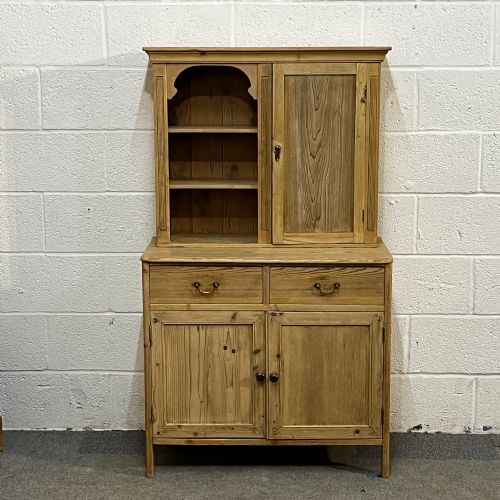
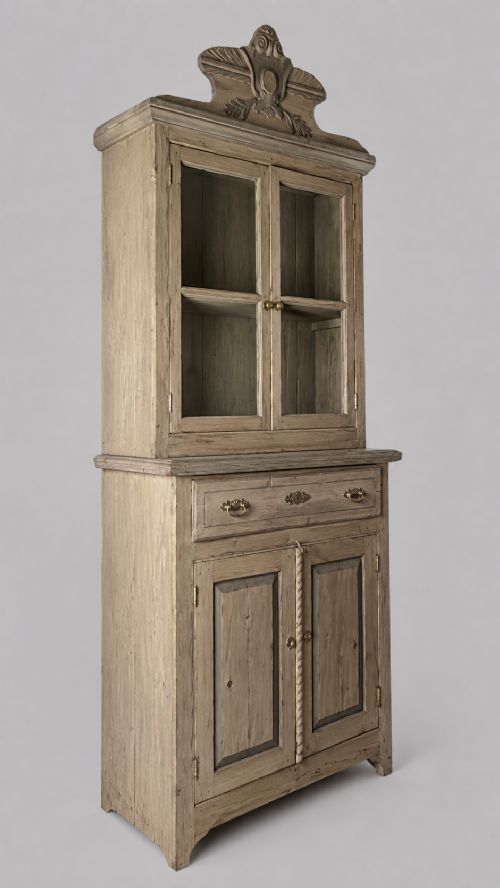
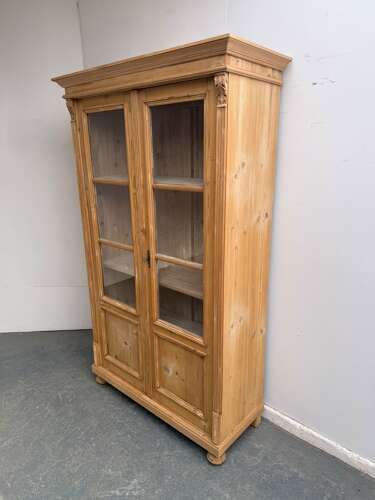
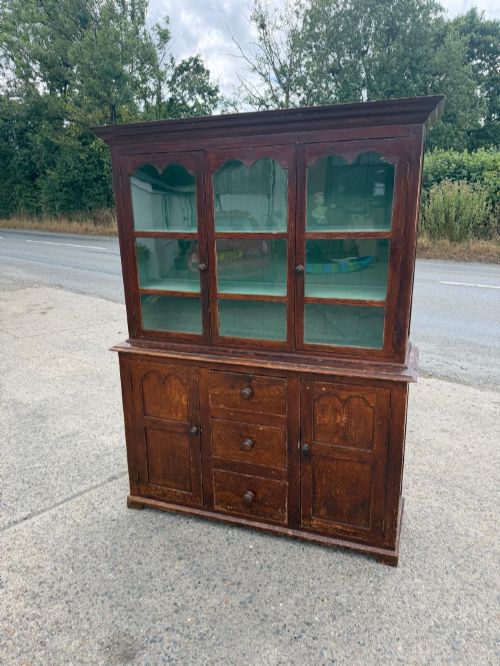
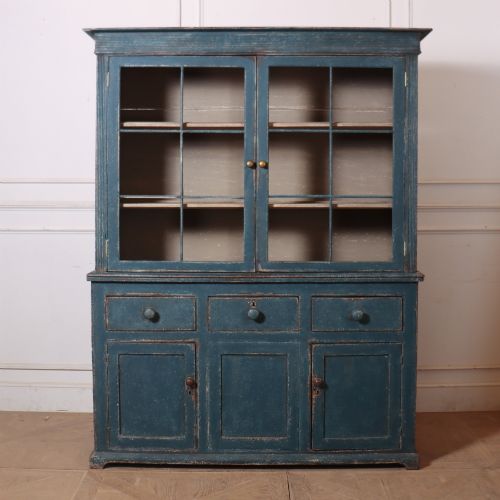
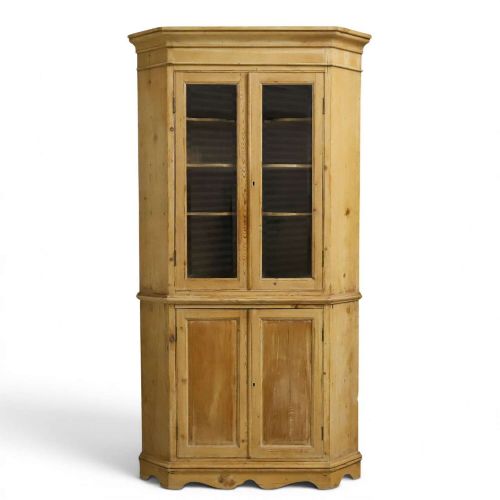
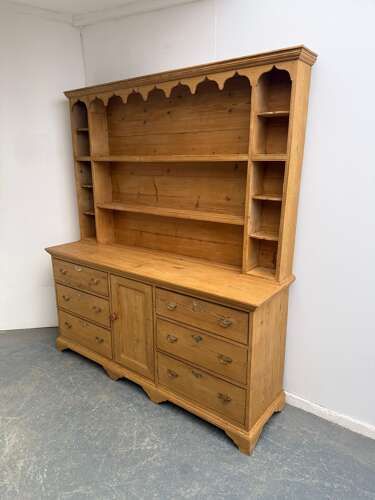
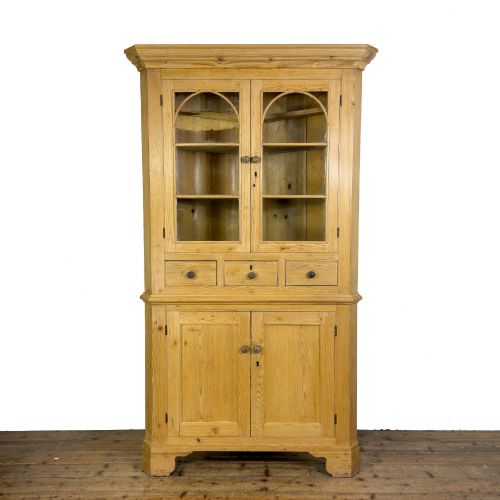
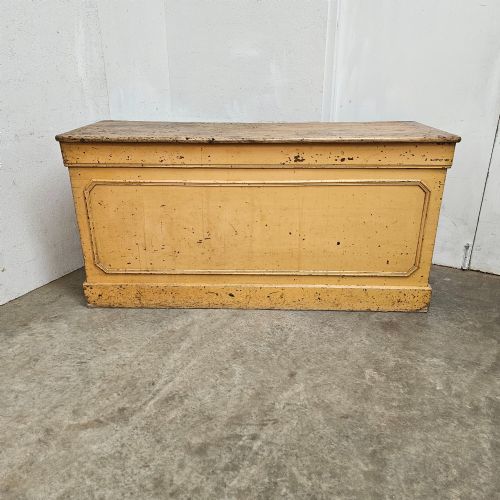
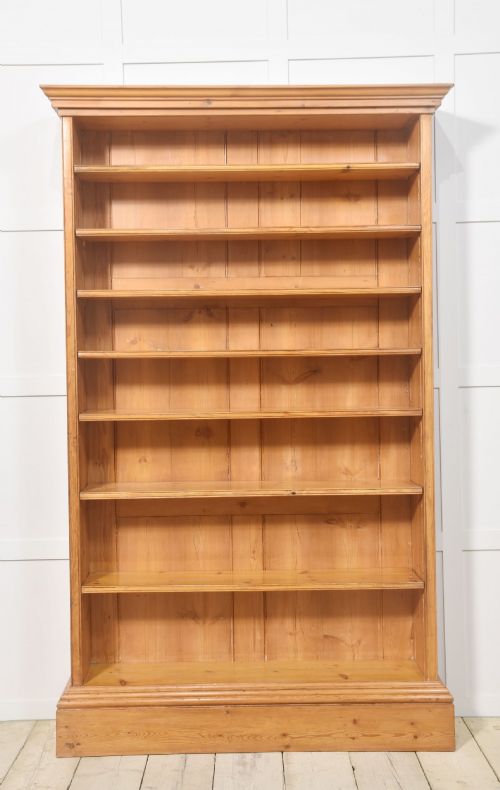
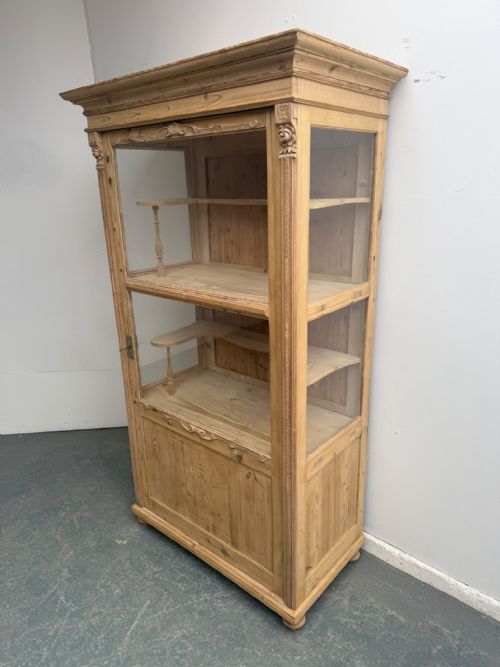
Rustic Pine Display Cabinet
A rustic pine display cabinet brings honest vernacular timber and glazed storage into a room, offering both character and utility.
Identifying rustic pine display cabinets
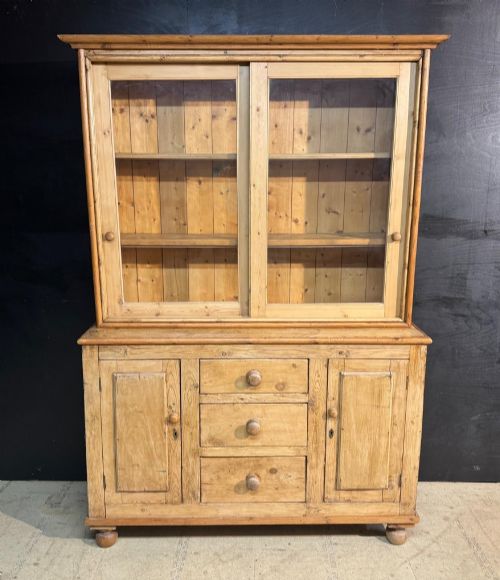
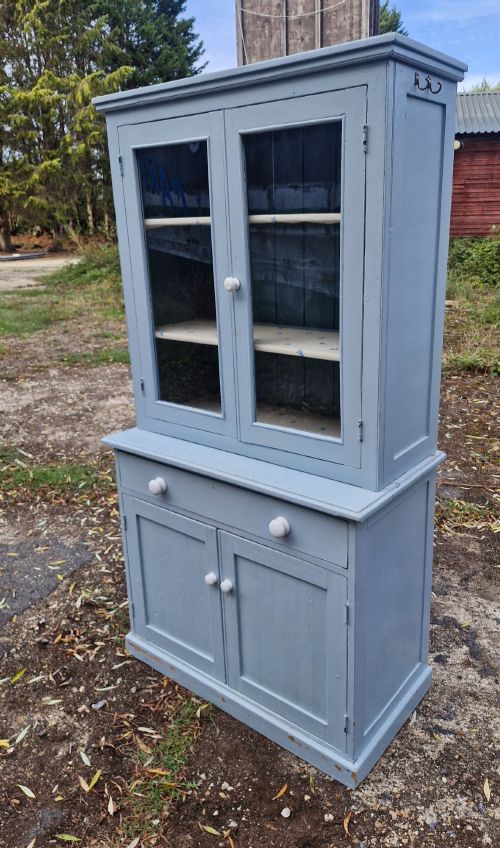
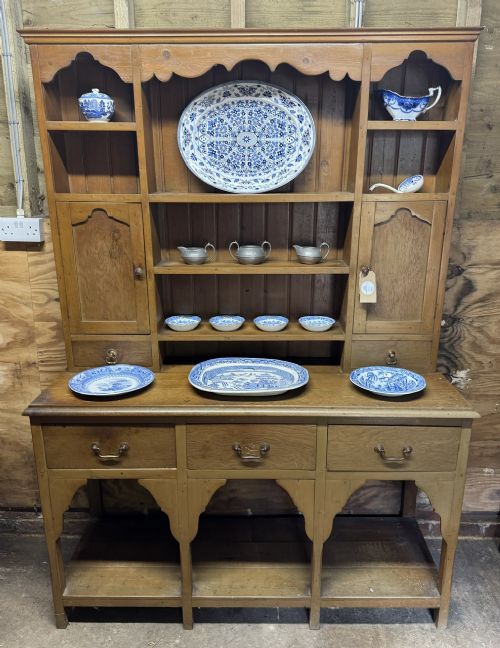
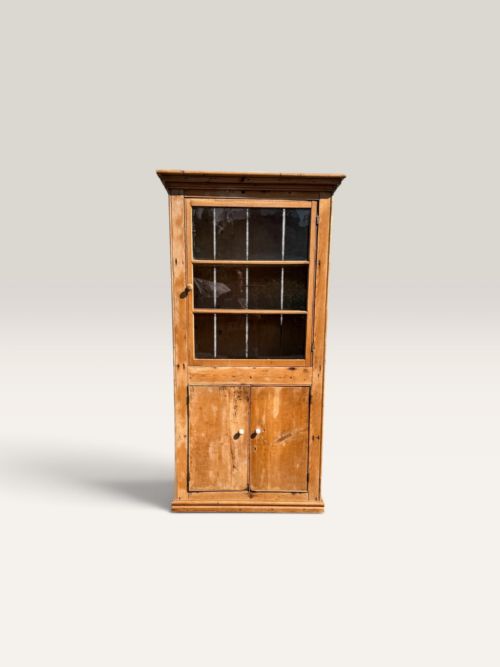
A rustic pine display cabinet combines practical storage with the straightforward charm of country furniture. These pieces draw from nineteenth-century forms, including kitchen dressers, corner cupboards, and two-door glazed display cabinets.
The inventory on this page ranges from Georgian painted pieces to Victorian country work and Welsh vernacular dressers. Buyers will encounter both open-topped dressers and enclosed glazed cabinets designed to showcase domestic belongings.
Materials and construction methods
Makers utilised pine as the primary timber, often finishing surfaces with wax or paint to protect the wood while leaving the grain and knots visible. Original patinas develop through decades of use in domestic settings.
Retail Price Guide 2026
Typical UK retail prices for rustic pine display cabinet, calculated from the Sellingantiques database of over a million retail prices indexed since 2003. This retail price guide relies exclusively on Sellingantiques data; no external sources or auction records are used, so the figures do not describe the wider market.
Pine knots tell silent stories of forest winds long before the timber ever met a cabinet maker's hand.
Distinguishing quality across examples
Quality rests in the integrity of the original construction and the preservation of surface finishes like historic wax or early paint. Pieces retaining their original brass fittings and undisturbed timber structure stand apart from heavily altered examples.
The presence of an untouched original patina indicates how well a cabinet has survived through the nineteenth century. Vernacular proportions and honest joinery distinguish better regional cabinet-making from later utility work.
The Rustic Pine Display Cabinet Glossary
- Vernacular
- Everyday furniture made by regional joiners rather than urban workshops. These pieces prioritise local utility and traditional local styles over high-style London fashions.
- Patina
- The surface sheen and colour built up on pine over generations of handling, waxing, and exposure to light. An original patina tells the true age and history of a cabinet.
- Glazed
- Fitted with glass panels in the doors or sides to protect contents while keeping them visible. This treatment is typical for display cabinets and upper dresser sections.
- Waxed
- A traditional surface treatment where soft wax is rubbed into the pine grain to nourish the wood. It produces a soft, low-lustre finish rather than a high gloss.
Frequently Asked Questions
What is a rustic pine display cabinet?
These are nineteenth-century storage pieces built from pine, featuring glass doors or open shelving for holding household items. They reflect regional craft traditions rather than formal urban cabinet-making.
Such furniture brings warmth and practical storage to modern interiors through honest construction and aged timber surfaces.
How do I care for a waxed pine cabinet?
Maintain the surface by applying a quality beeswax occasionally and buffing gently with a soft cloth. Avoid placing the timber in direct sunlight or near heat sources to prevent drying.
Keep the environment stable to protect both the pine frame and any historic glass panes.
Are these cabinets purely Victorian?
While many examples date from the Victorian era and the nineteenth century, earlier Georgian pieces also appear in pine. Regional styles span multiple decades within that broad timeframe.
Construction details and hardware help narrow down the likely period of manufacture.
Can I use a corner cupboard in a small room?
Corner cupboards are specifically designed to fit into unused room angles, saving floor space while offering useful vertical storage. They make efficient use of difficult corners.
Glazed doors on these units also help reflect light and make small spaces feel more open.