
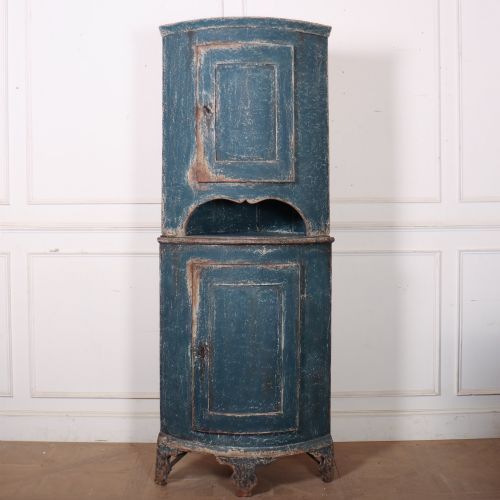
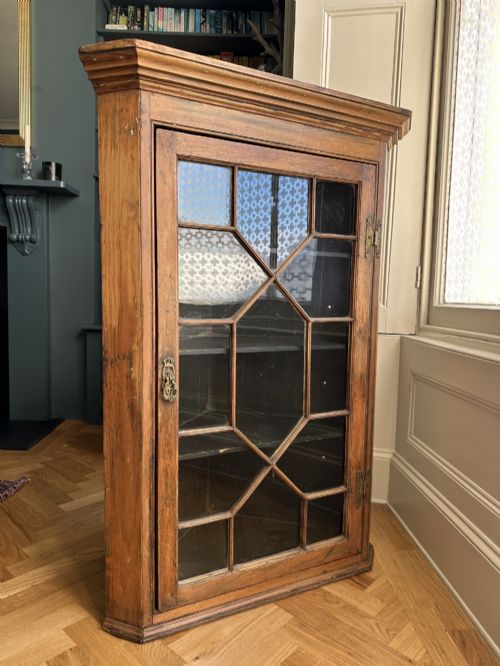
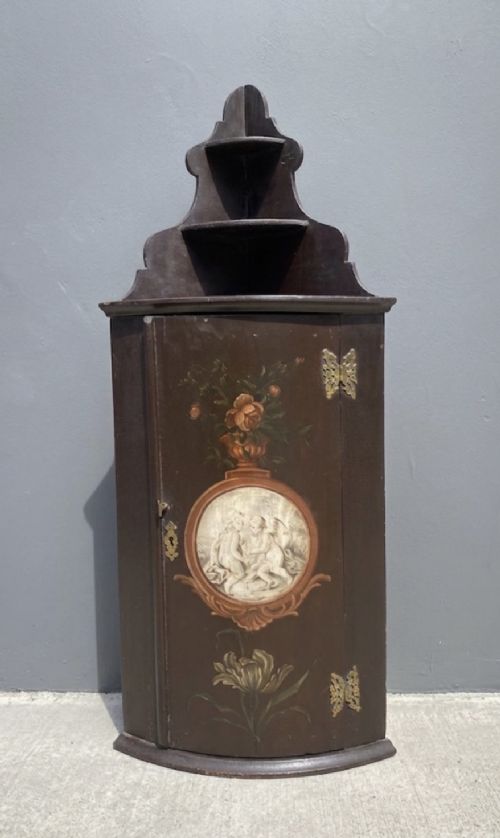


Painted Pine Corner Cupboard
A painted pine corner cupboard brings warmth and fitted utility to a neglected room, using original colour and soft timber to anchor an awkward angle.
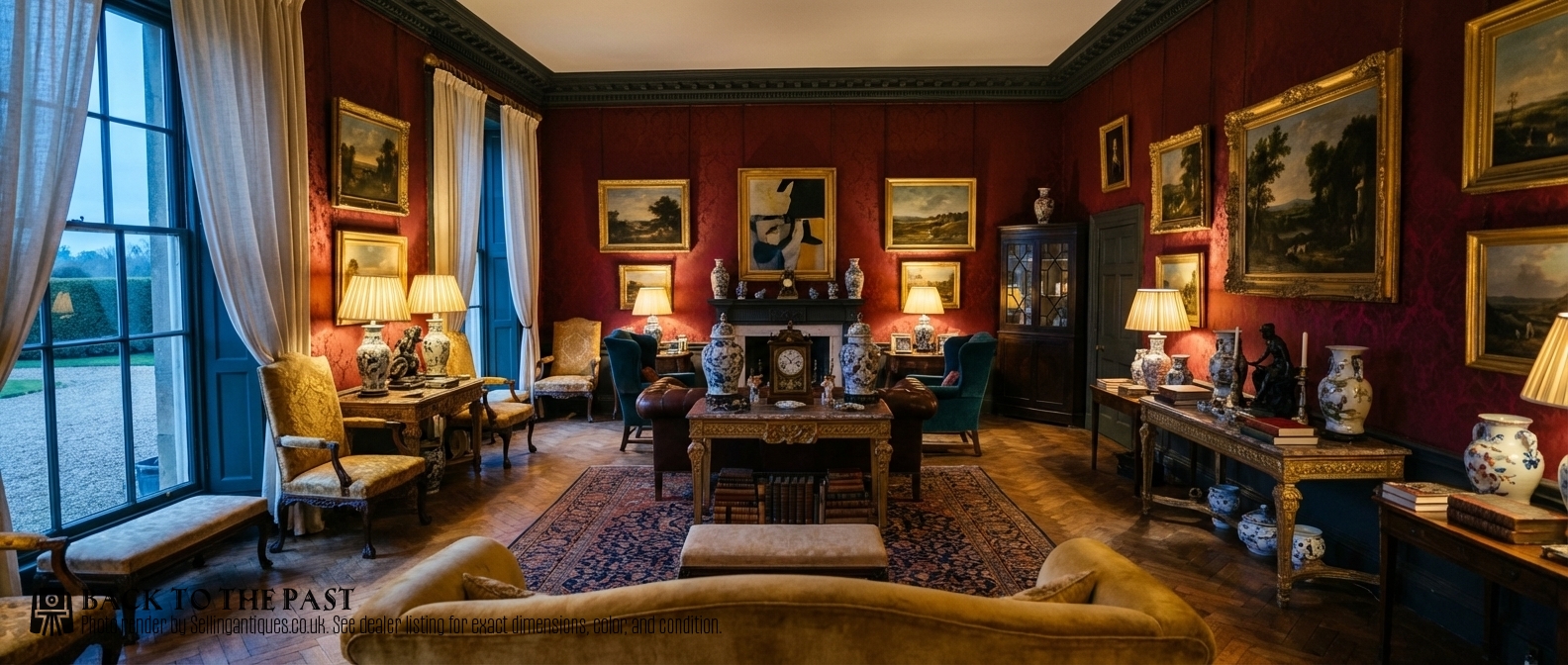
Painted Pine Corner Cupboard
A painted pine corner cupboard provides storage designed specifically to fit the intersection of two walls, making clever use of dead space in domestic rooms. These pieces appear in both standing two-part forms and smaller hanging versions, often fitted with interior shelves for display or storage. The selection includes examples originating from England, Wales, and Sweden, reflecting diverse regional tastes in domestic cabinetry.
The aesthetic leans heavily towards country and folk traditions, encompassing rustic farmhouse styles alongside more refined Gustavian and Scandinavian folk art pieces. Most items date from the eighteenth and nineteenth centuries, spanning the Georgian era and the year 1800. Buyers are most likely to encounter vernacular pieces featuring their original painted finishes, though stripped examples with painted interiors also appear.
How they were made
Constructed primarily from soft pine timber, these cupboards rely on traditional joinery suited to domestic furniture of the eighteenth and nineteenth centuries. Iron, brass, and glass frequently appear as secondary materials for hinges, latches, and glazed doors. Surface decoration relies on traditional pigments, with tempera and hand-applied paints creating the signature colourful exteriors and contrasting interiors.
Makers shaped these cabinets to fit precise ninety-degree angles, utilising sturdy board construction and pegged joints. Glazed upper sections employ wooden glazing bars, such as astragal mouldings, to hold panes securely. The application of paint served both to decorate the softwood and to protect the timber over generations of domestic use.
The listings combine sturdy eighteenth-century pine pieces with nineteenth-century Swedish folk art cabinets.
What varies in quality
The integrity of the painted surface significantly defines the character of each piece, distinguishing untouched historic finishes from later overpainting. Original pigment layers that show honest patination and minor wear command greater appreciation than heavily restored or modernised surfaces. The retention of original iron or brass hardware further elevates the authenticity of an individual cabinet.
Proportion and scale also separate standard vernacular items from finer regional examples, particularly where decorative mouldings and glazed doors are involved. Cabinets retaining their original painted interiors demonstrate a higher level of considered detail in construction. Structural survival, such as intact shelving and sound timber joints, completes the hierarchy of quality across these pieces.
The Painted Pine Corner Cupboard Glossary
- Astragal glazed
- A method of glazing where small glass panes are held within a framework of wooden mouldings called astragals. This technique creates a delicate grid pattern on upper cabinet doors.
- Gustavian
- The Swedish neoclassical style spanning the late eighteenth and early nineteenth centuries. It combines French influence with simpler Nordic restraint, often expressed through pale painted finishes.
- Tempera
- A permanent, fast-drying painting medium consisting of coloured pigment mixed with a water-binder agent, commonly egg. It yields a matte surface frequently found on early folk art furniture.
- Vernacular
- Everyday architecture and furniture built by local craftsmen using regional materials and traditional methods. These pieces prioritize practical utility over high-style academic design.
Painted Pine Corner Cupboard: Frequently Asked Questions
Where should I place a corner cupboard?
These cabinets suit awkward room angles and empty intersections where standard rectangular furniture will not fit. They work effectively in dining rooms, kitchens, and hallways to provide display space without blocking floor area.
Hanging versions mount directly to the wall at eye level, while standing models anchor themselves firmly into the floor. Both types transform underutilised corners into functional storage.
How do I care for original painted surfaces?
Historic painted pine requires gentle maintenance to preserve the fragile top layers of pigment. Dust the timber regularly with a soft, dry cloth and avoid modern chemical cleaners or excessive moisture.
Keep the cupboard away from direct sunlight and strong heat sources to prevent the pine from warping and the historic paint from flaking. Stable indoor humidity protects both the wood and the finish.
What is the difference between hanging and standing cupboards?
Hanging corner cupboards attach securely to wall studs, offering elevated storage with doors that open above eye level. They often feature smaller proportions and sometimes include small drawers or shaped aprons beneath.
Standing models rest on the floor and frequently comprise two stacked sections for maximum storage capacity. These taller pieces provide substantial vertical presence in a room.
How can I identify Scandinavian pieces?
Scandinavian examples often display lighter colour palettes, including pale blues, greys, and creamy whites characteristic of Gustavian and folk art traditions. The painted decoration frequently incorporates simple geometric or floral motifs unique to Nordic regions.
Construction details and regional pine species can also point towards Swedish workshops. These pieces tend to emphasise clean lines combined with cheerful folk ornamentation.