
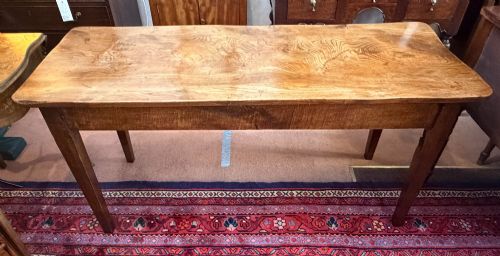
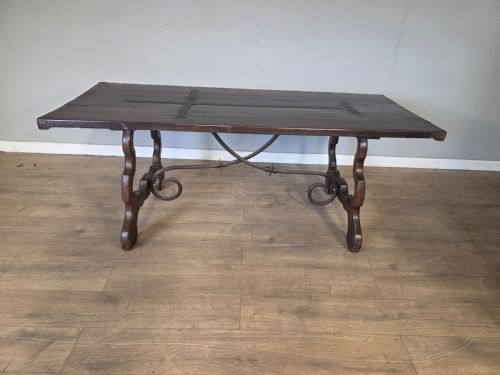
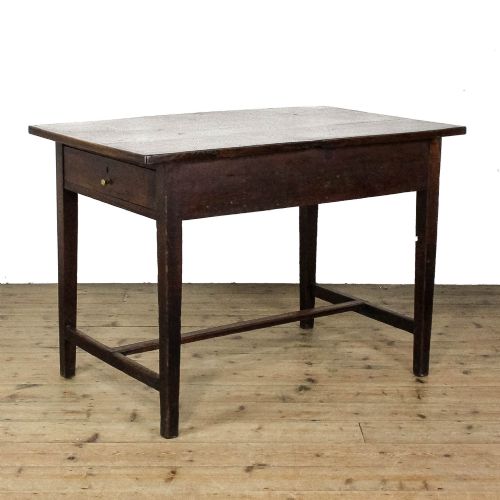
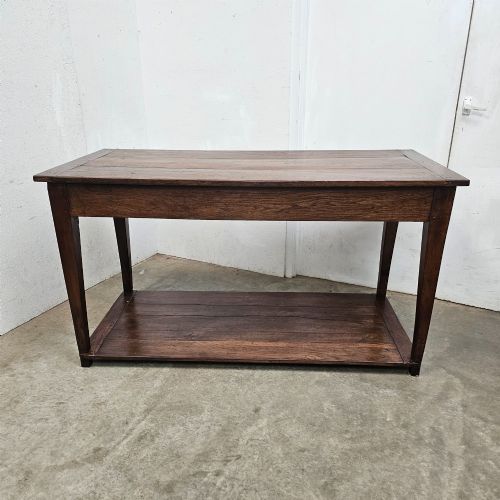
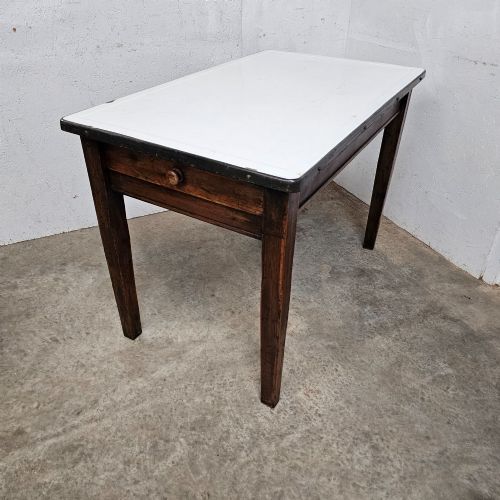
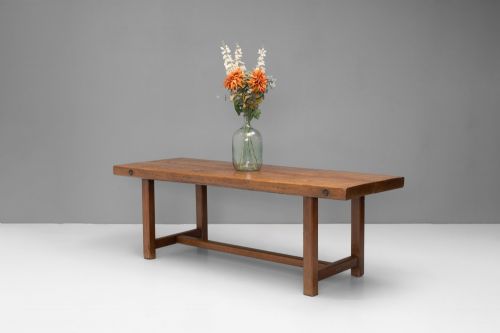
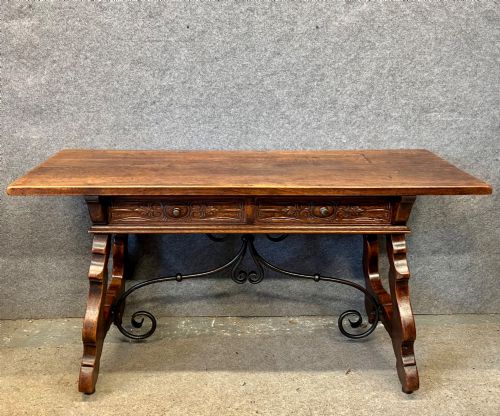


Rustic Oak Work Table
A rustic oak work table brings honest utility and heavy timber grain into a modern room, offering a durable surface built for daily domestic labour.
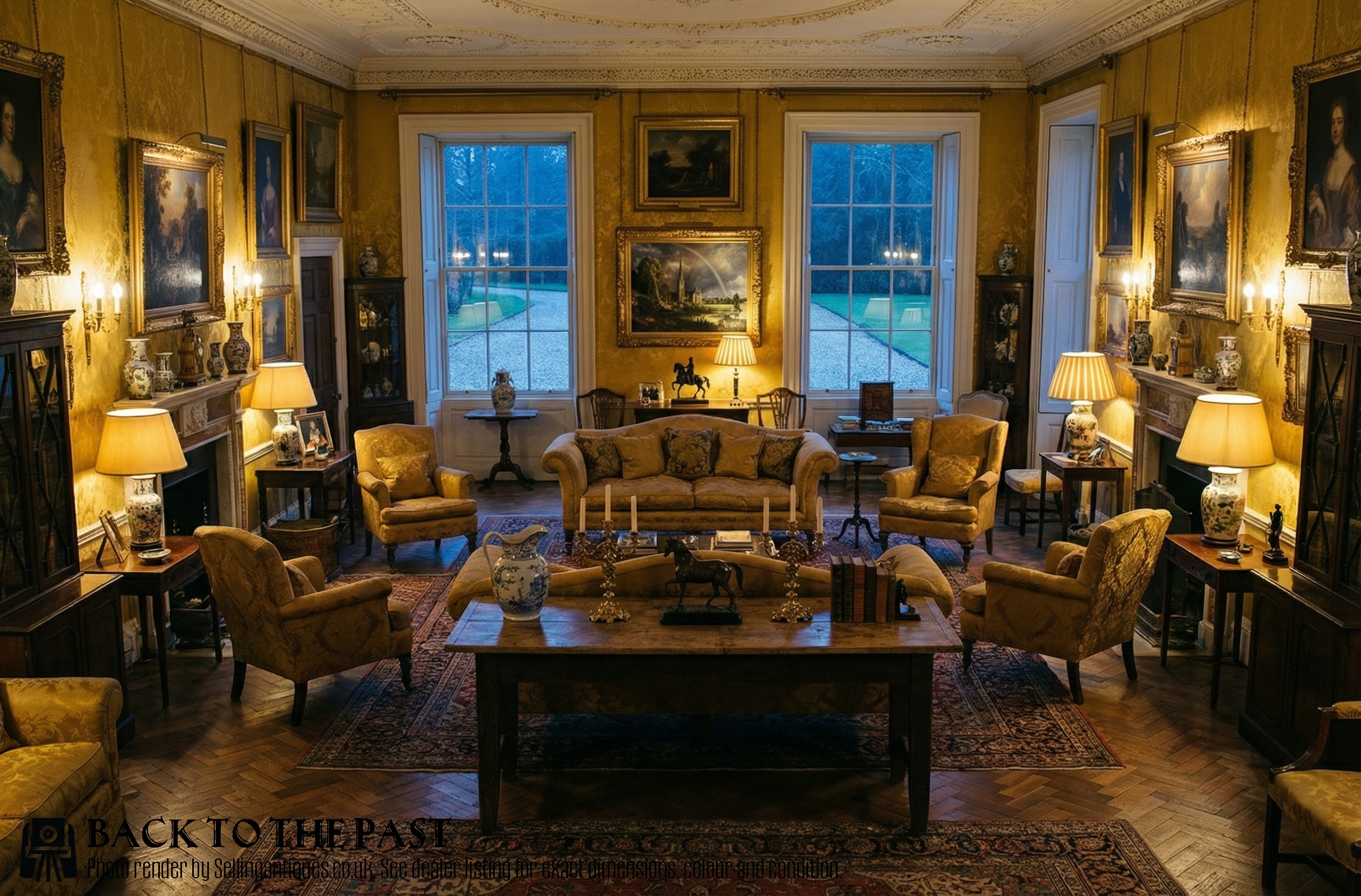
Rustic Oak Work Table
A rustic oak work table serves as a sturdy surface designed originally for functional domestic, workshop or kitchen tasks, drawing on traditions of European and British country life. When you browse this selection, you encounter forms that range from French artisans' benches with vises and Welsh dairy tables to English pastry prep tables and Spanish refectory designs.
The periods represented span from the eighteenth century through the Georgian era and the nineteenth century into early twentieth-century Edwardian workshop pieces. These heavy utilitarian objects often double as kitchen dining refectory tables, drapers' tables or narrow console tables.
Makers utilised solid hardwoods to withstand demanding labour, resulting in substantial timber structures that show deep patination from decades of actual use. Buyers acquire these tables to anchor a kitchen or dining space with historic character and unpretentious form.
Assessing quality and character
Proportion and scale dictate desirability, with monumental drapers' tables or long refectory formats offering different spatial qualities compared to compact side tables and prep benches. The presence of documented workshop origins or distinct regional joinery traditions elevates a piece beyond standard domestic utility.
At least one nineteenth-century French artisan's workbench still wears the original working vise, ready to clamp down on your morning post.
Trussant And Cie
The Rustic Oak Work Table Glossary
- Patina
- The deep surface sheen and rich coloration developed over decades or centuries through handling, polishing, and natural oxidation. It serves as a primary indicator of genuine age and continuous use.
- Refectory table
- A long, narrow dining table traditionally used in communal dining halls and large country kitchens. These pieces feature substantial stretchers and heavy leg assemblies for maximum stability.
- Drapers' table
- An elongated, counter-height table originally utilised in textile shops for measuring and cutting cloth. They typically provide generous length combined with a narrow footprint and lower tier shelving.
- Trestle table
- A table construction where the top rests on two or more supporting upright frames connected by a horizontal stretcher. This design allows for uninterrupted legroom along the length of the furniture.
- Bread prep table
- A specialised kitchen work table designed specifically for baking and food preparation, often featuring a deep top and integrated drawers for utensils or flour.
Rustic Oak Work Table: Frequently Asked Questions
What is a rustic oak work table?
A rustic oak work table is a heavy utilitarian surface built for practical tasks in kitchens, workshops, and dairies during past centuries. These tables feature thick timber tops and sturdy underframes designed to handle demanding physical labour.
Today, buyers repurpose these functional objects as kitchen islands, dining surfaces, or writing desks to introduce historical weight and texture into contemporary interiors.
How do I style a work table at home?
Positioning a heavy timber work table in a kitchen or dining area creates an immediate focal point that balances modern cabinetry. You can pair the piece with mismatched wooden chairs or benches to echo the gathered, unpretentious character of country houses.
Keep the large surface largely clear to showcase the grain and patinated finish, using it actively for food preparation or serving during gatherings.
Are these tables suitable for daily kitchen use?
These tables were originally engineered for rigorous domestic and trade tasks, making them exceptionally durable for modern kitchen environments. Solid oak and robust fruitwood construction withstands regular food preparation and daily family life.
Treat the aged timber surfaces with appropriate natural oils or waxes to protect the grain while preserving the historic character built up over generations.
How do I tell an 18th century table apart from a 19th century one?
Earlier eighteenth-century and Georgian pieces often display hand- cut joinery marks, peg construction, and deeply pitted timber surfaces formed by centuries of manual interaction. The framing tends to rely on heavier timbers and simpler, utilitarian structural geometry.
Nineteenth-century and Edwardian examples may incorporate industrial iron brackets, vises, or secondary woods like pine and beech alongside the primary oak, reflecting mechanized workshop practices of the period.