
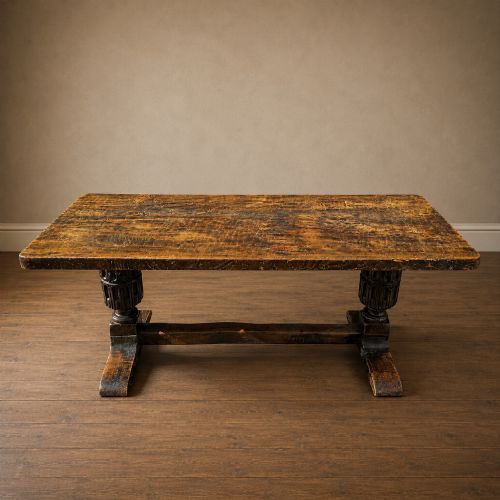
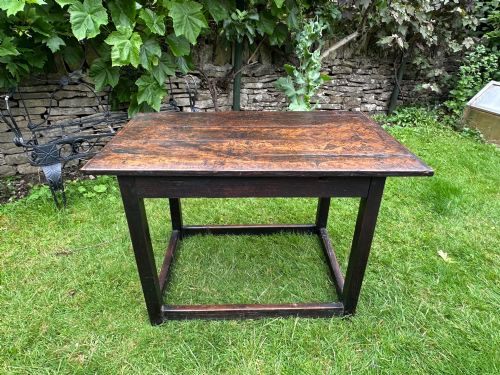
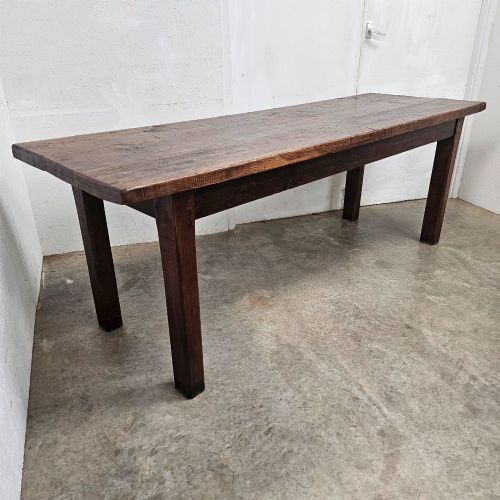


Antique Tavern Dining Table
These heavy timbers served ale and food across centuries, bringing honest utility and enduring grain into modern dining rooms.
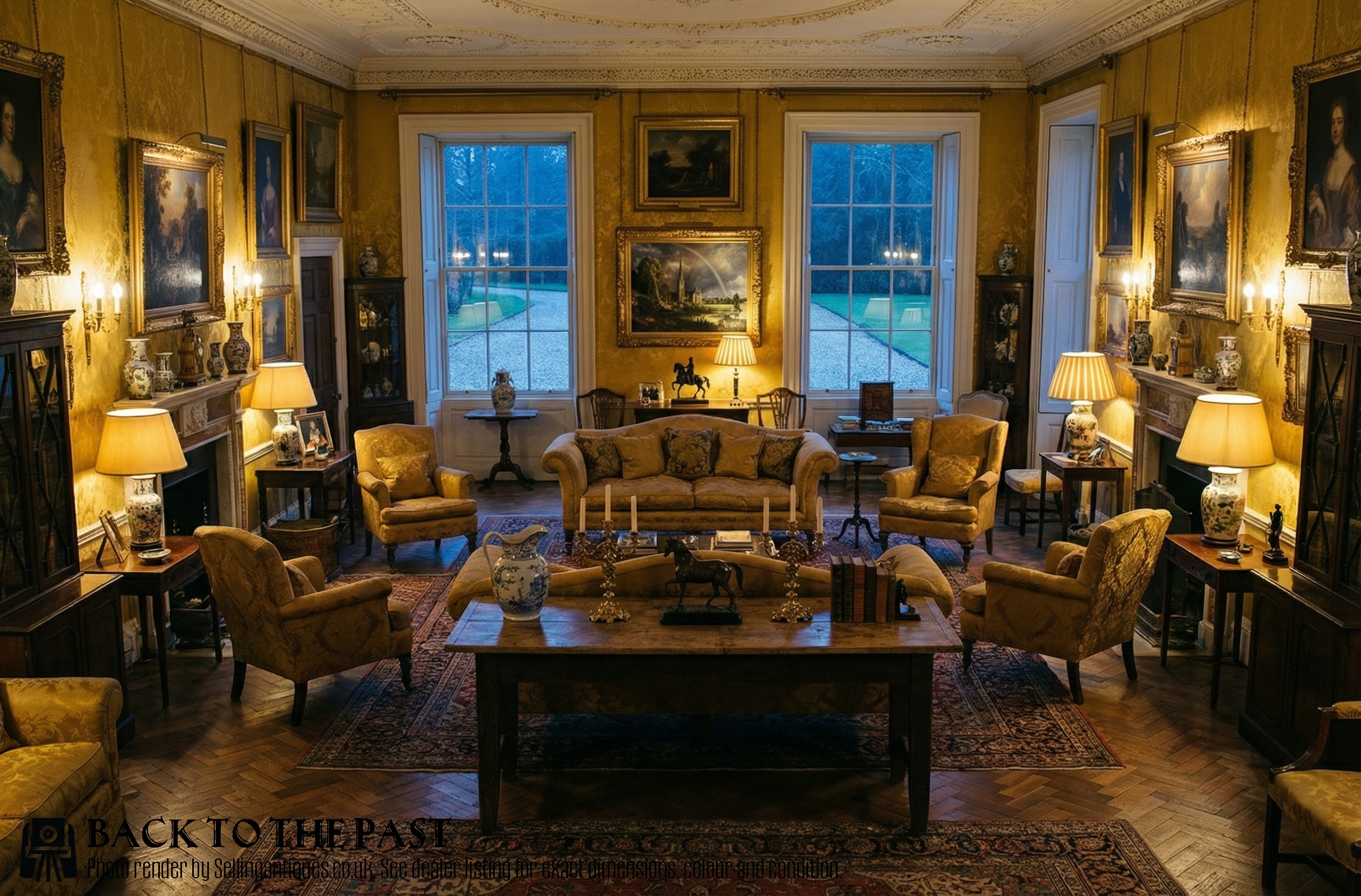
Antique Tavern Dining Table
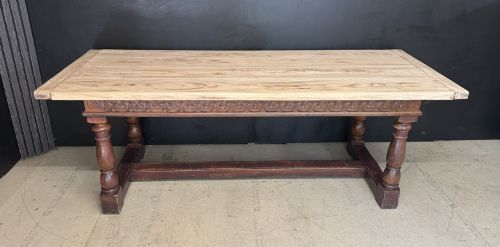
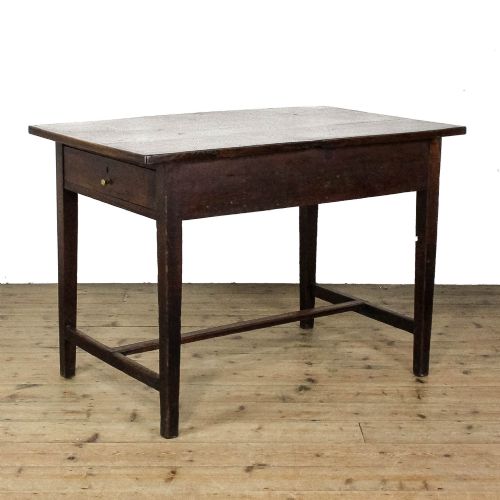
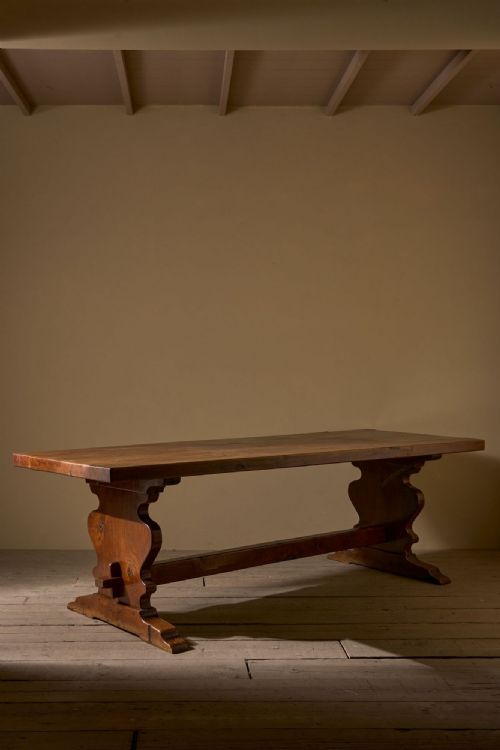
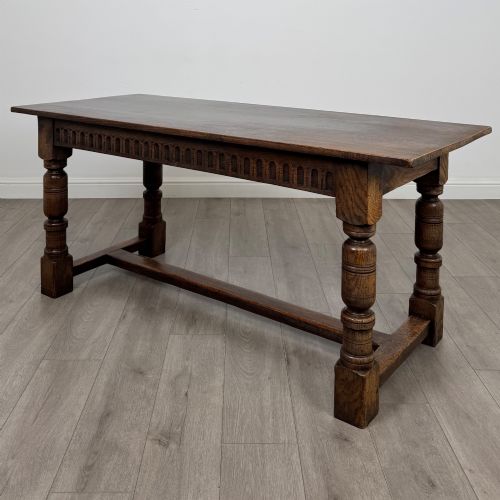
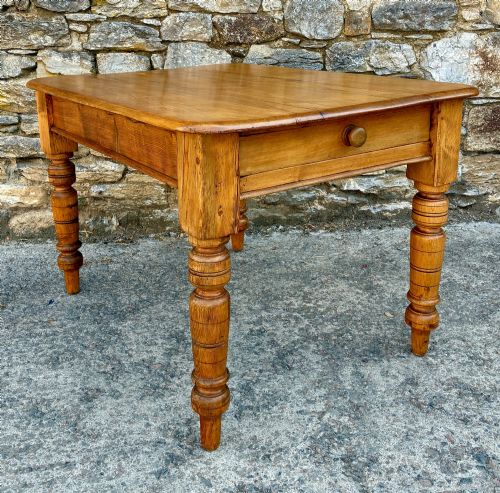
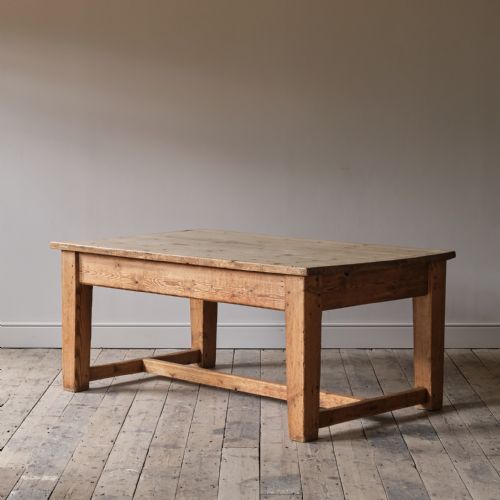
An antique tavern dining table delivers robust surface area built for communal spaces and heavy daily use. Buyers browse formats ranging from simple trestles to gate-leg designs that served public houses and private homes alike.
The nineteenth century yields the highest volume of surviving examples on this page. These pieces carry regional character from Wales and England through substantial plank tops and sturdy timber frames.
Early periods appear alongside later revivals, offering seventeenth-century oak pieces next to twentieth-century workshop interpretations. Each variant maintains the utilitarian proportions established for historic gathering spaces.
Materials and construction methods
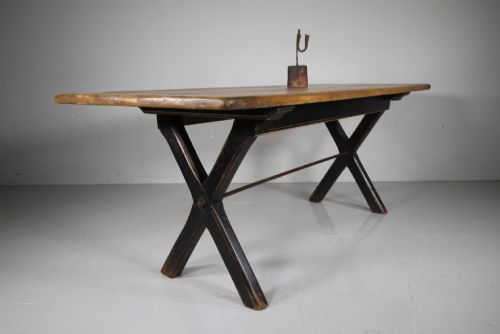
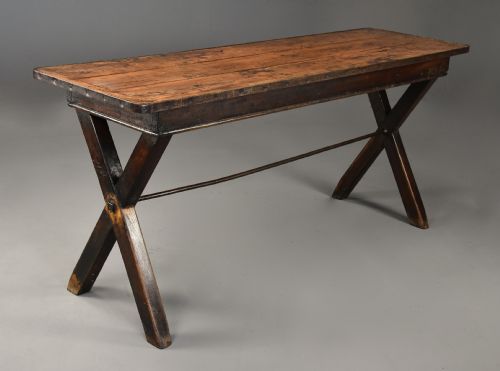
Carpenters relied on dense domestic hardwoods like oak, elm, and sycamore alongside pine for everyday utility. Timber boards were joined securely with thick tops, cleated ends, and sturdy X-frames or baluster posts.
Iron and brass hardware reinforced structural joints while original paint layers preserved surfaces from spills and hard wear. Craftsmen utilised simple pegged construction and trestle supports to maintain stability under heavy loads.
Historic table surfaces occasionally bear physical witness to past patrons through accidental knife cuts and early graffiti.
Factors separating examples in the market
Surface longevity dictates the standing of an antique tavern dining table. Natural patinas developed through decades of scrubbing and use outweigh modern restorations in visual depth.
Structural integrity depends on timber selection and base configuration. Single-plank tops and untouched original painted finishes command stronger interest than heavily altered or later-assembled formats.
Heals
The Antique Tavern Dining Table Glossary
- Refectory table
- A long narrow dining table traditionally used in communal halls. These forms provide ample seating space along both lengths.
- Gate-leg table
- A drop-leaf table with hinged legs that swing out to support the extended leaves. This design allows the surface area to expand or contract as needed.
- Trestle table
- A table consisting of two or more support frames connected by a long longitudinal beam. The design leaves maximum legroom underneath the top boards.
- Patina
- The surface sheen and colour acquired by timber through age, wear, and polishing. This quality signals genuine historic use.
- Cleated ends
- Wooden battens fixed across the grain at the ends of a plank top. They help prevent warping and splitting in solid timber surfaces.
Antique Tavern Dining Table: Frequently Asked Questions
What defines an antique tavern dining table?
These utility tables feature robust timber construction, thick plank tops, and sturdy bases designed for commercial or domestic communal dining.
Surviving examples show heavy wear from daily use in public houses, farmhouses, and country kitchens across Britain and Europe.
How do I choose the right size?
Consider the length of the room and the number of regular diners needing knee clearance beneath the frame. Trestle configurations allow chairs to sit further along the sides without obstruction.
Gate-leaf formats offer flexibility when floor space requires a smaller footprint between meals.
How should I care for historic timber?
Protect the surface from direct heat sources and excessive moisture by using felt mats and coasters. Regular dusting with a dry cloth preserves the underlying wax and patina.
A light application of bees-wax feeds dry wood without building up heavy chemical layers over time.
Are painted finishes original?
Many public house and farmhouse tables retain historic pigmented layers applied to seal softwood boards against staining. Paint analysis and surface wear help distinguish early coatings from modern decorative updates.
Unpainted hardwood versions rely on natural grain exposure and hand-planed textures for visual interest.