

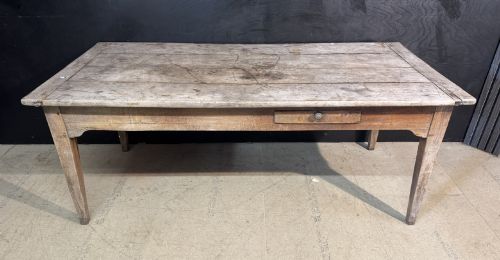
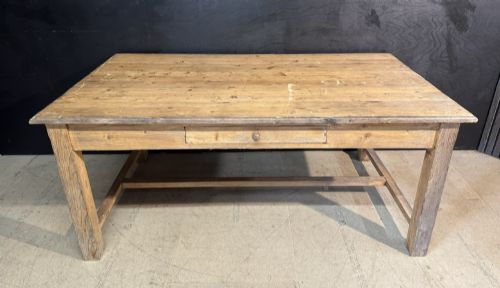

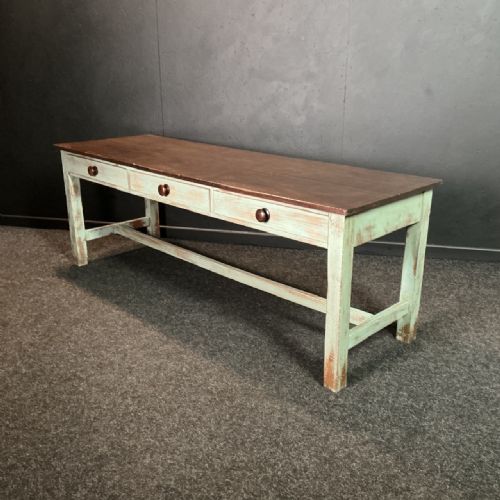
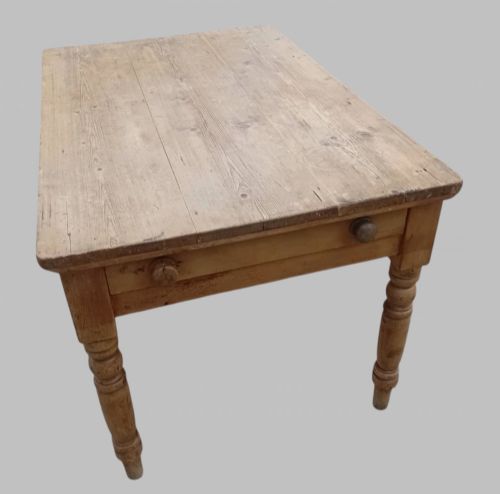

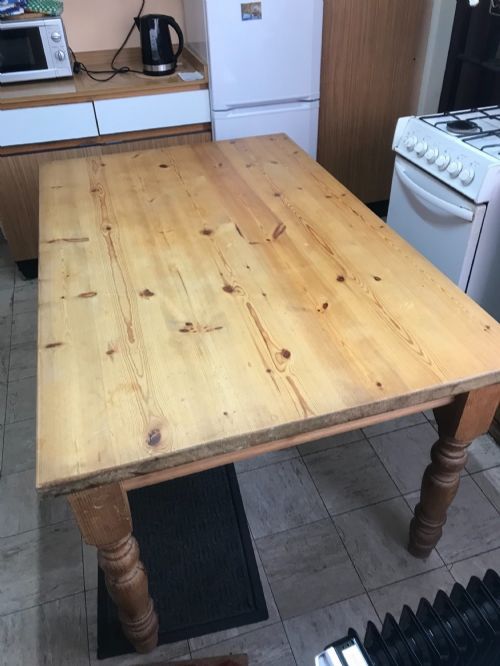
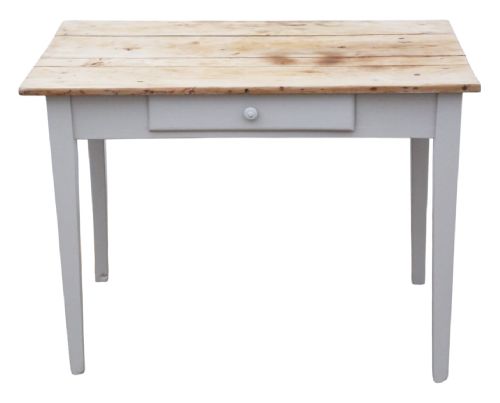

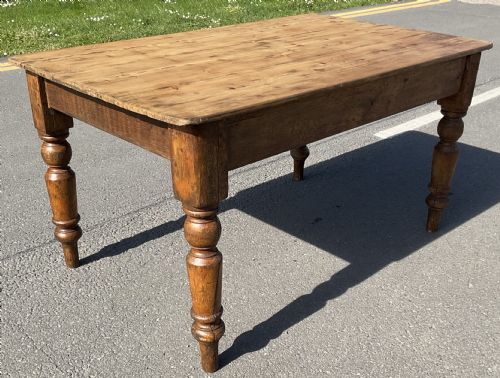


Pine Top Prep Table
A pine top prep table brings honest utility and hard-wearing timber surface into modern domestic spaces.
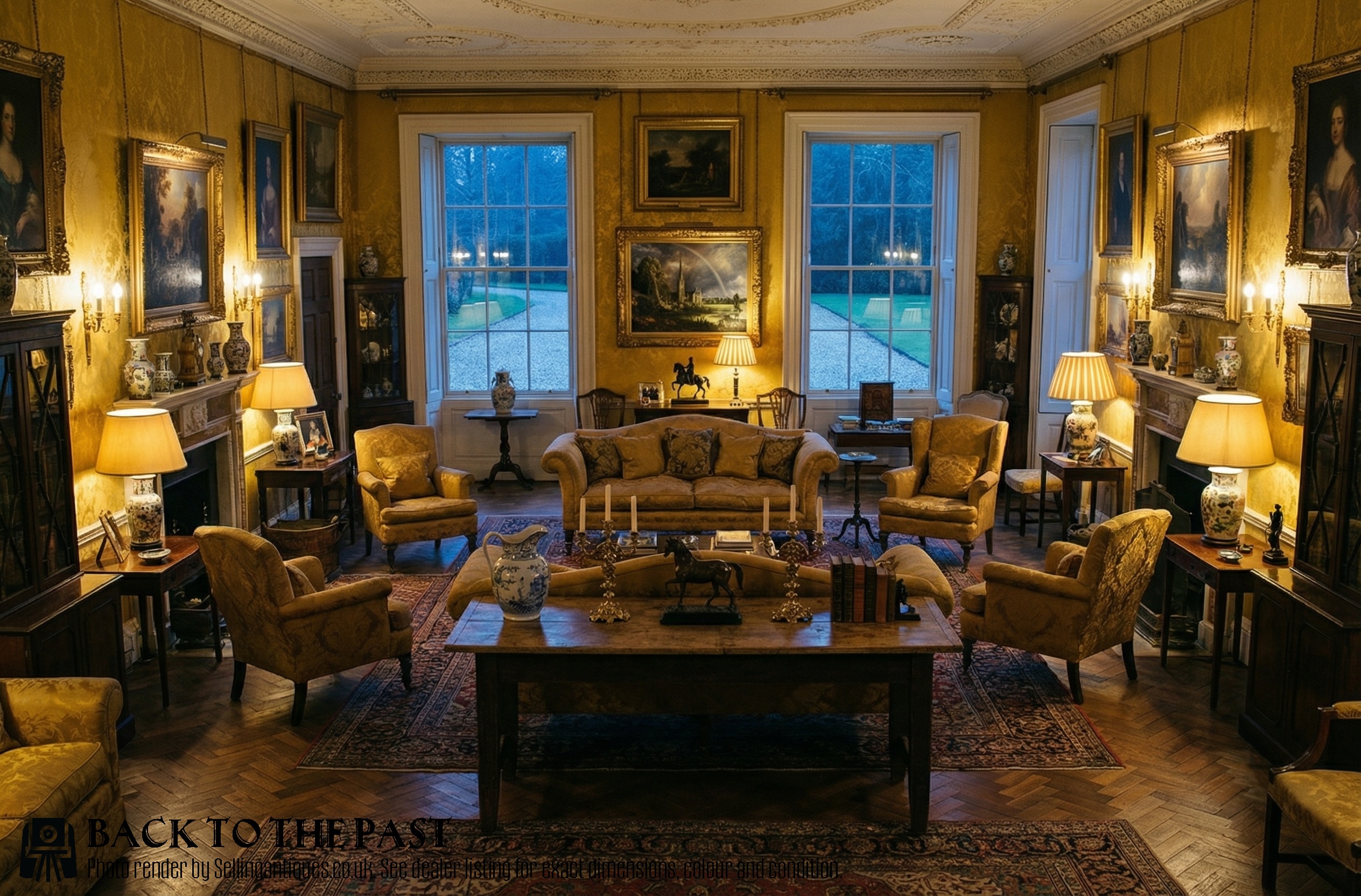
Pine Top Prep Table
A pine top prep table is a utilitarian work surface rooted in domestic and commercial history, often categorized under kitchen tables, dairy tables, and drapers tables. These pieces emerge predominantly from the nineteenth century and the Victorian era, reflecting the robust functional demands of past work spaces.
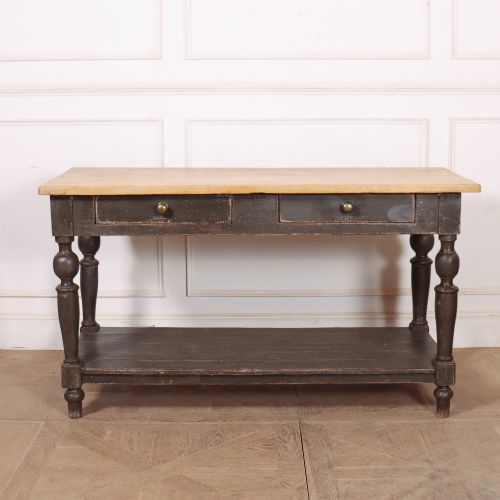
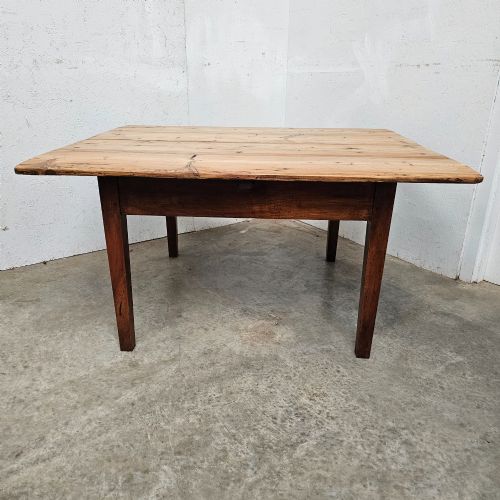
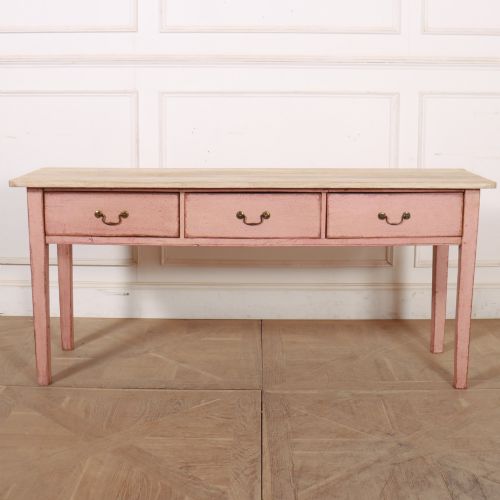
The most common version met on this page is the traditional farmhouse or kitchen table featuring a scrubbed or bare timber top paired with a painted or natural base, frequently equipped with a functional drawer. Examples range from compact school dining formats to large harvest and tavern tables spanning several feet.
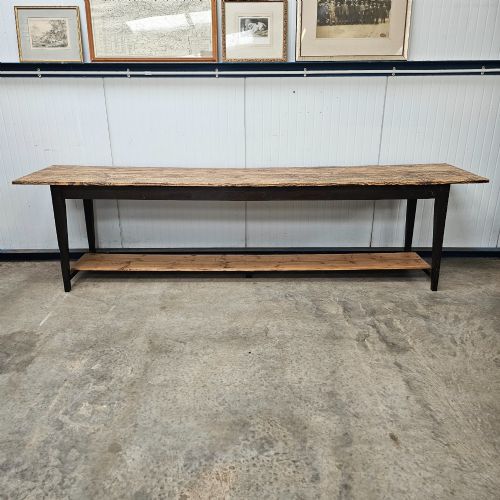
Origins stretch across English, French, and Swedish workshops, taking stylistic cues from rustic country, provincial, and Georgian traditions. Whether configured as a low pantry table, a server, or a two-tier work surface, each object shows the marks of active daily use.
How they were made
Construction relies heavily on solid pine for the main structure and scrubbed tops, frequently combined with secondary hardwoods such as oak, sycamore, elm, and fruitwood for durability in high-wear areas. Tops are often built from thick planks with cleated ends to manage timber movement, while bases utilise sturdy frame construction.
Surface treatments vary between bare scrubbed timber kept clean through frequent washing and layers of original or later paintwork on the legs and skirts. Iron, brass, and wooden fixings secure the joints, and many designs incorporate single or double drawers constructed with traditional joinery.
Pine Top Prep Table Retail Price Guide 2026
Typical asking prices for pine top prep table among the pieces listed under this phrase on Sellingantiques today, from the lower quarter to the upper quarter. They describe what is for sale here now, not the wider market.
The listings span the eighteenth through the twentieth centuries, featuring pine paired with oak, sycamore, elm, and fruitwood.
What varies in quality
Quality rests in the integrity of the timber selection and the retention of honest patination built through decades of working life. Tables featuring dense grain, substantial timber thickness, and original structural elements stand apart from those altered extensively over time.
The character of the base finish introduces further distinction, particularly where untouched historical paint surfaces or carefully restored scrubbed tops preserve the visual balance of the piece. Proportion, stability, and the retention of factory or workshop markers elevate individual examples.
The Pine Top Prep Table Glossary
- Scrub top
- A bare wooden tabletop finished by vigorous scrubbing with water and stone or brush to keep it clean and pale. This treatment raises the grain and creates a distinct weathered texture.
- Drapers table
- A long, counter-height table traditionally used in textile shops for measuring and folding cloth. They often feature lower shelves or multiple drawers for storage.
- Dairy table
- A specialised low-temperature work table designed for milk processing and cheese making. These surfaces frequently utilised scrubbed softwood to withstand constant moisture.
- Cleated ends
- Wooden battens fixed across the grain at the short ends of a tabletop. This traditional method prevents warping while allowing the main boards to expand and contract.
- Server
- A side table or low dresser base utilised for food preparation and service in large kitchens. They typically offer generous surface area and integrated drawer storage.
Pine Top Prep Table: Frequently Asked Questions
How were pine top prep tables originally used?
These tables served as heavy-duty work surfaces for food preparation, baking, butchery, and dairy tasks in domestic kitchens and commercial spaces. Their robust construction handled daily labour before moving into modern dining and living rooms.
Many variants, such as drapers and tavern formats, also functioned in shops and public houses for sorting goods and serving patrons. The integration of drawers provided handy storage for knives, cloths, and everyday implements.
How do I care for a scrubbed pine top?
Maintain the pale, clean finish of a scrubbed wooden top by wiping it down with mild soap and warm water when needed. Avoid harsh chemical cleaners that strip the natural character of the aged softwood.
Treat the timber occasionally with natural oils or waxes if you prefer a more nourished sheen, though many owners leave the dry, scrubbed surface entirely untreated. Using boards and trivets protects the historic wood from deep stains and heat marks.
Can I use a prep table for dining?
These pieces transition easily into everyday dining tables due to their generous proportions and stable frames. Models featuring overhangs or sufficient clearance comfortably accommodate chairs and benches for family meals.
Consider the height and leg room beneath the apron or drawers when pairing seating with older tables. Their durable surfaces readily handle daily dining use while adding historical character to a room.
How can I tell the period of a table?
Dating relies on observing construction methods, tool marks, timber selection, and overall wear patterns. Nineteenth-century and Victorian examples often display hand-sawn board variations and traditional pegged joinery.
Examine the paint layers, hardware, and fasteners for signs of age that match the recorded styles, such as Georgian or rustic country. Comparing structural details against documented archive pieces helps confirm the era of origin.