
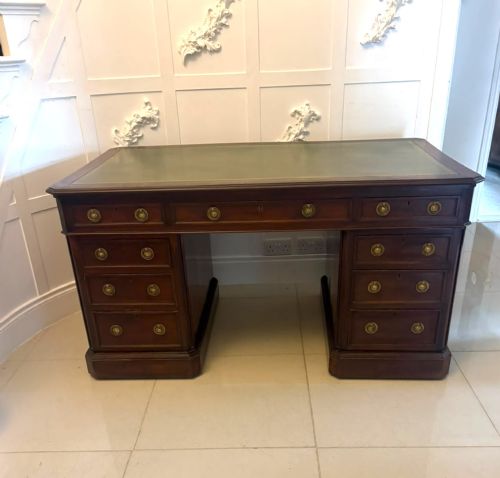
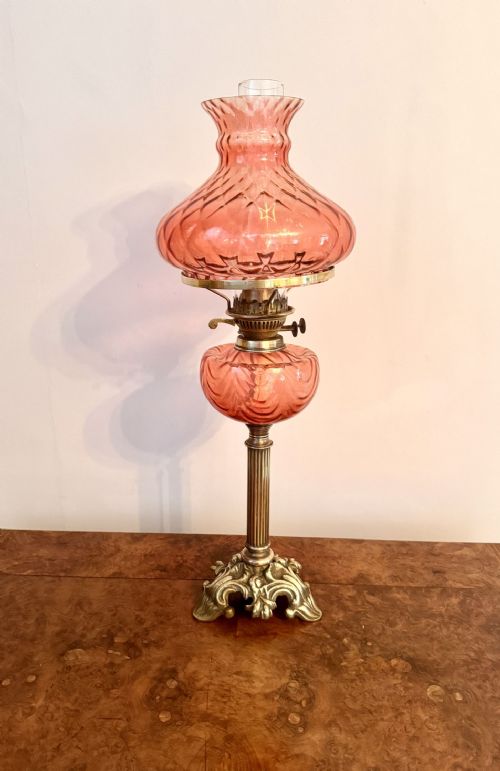
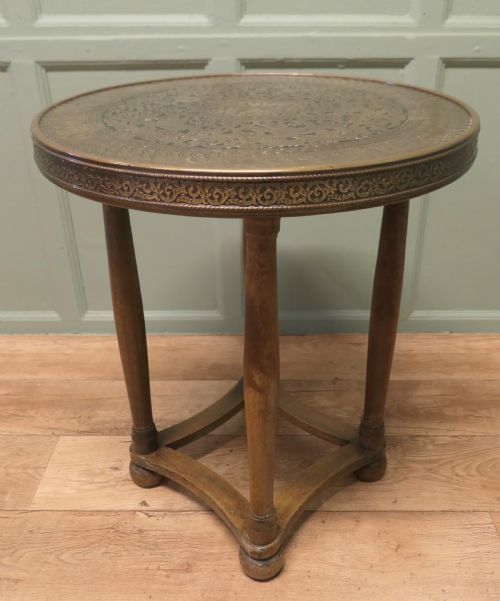
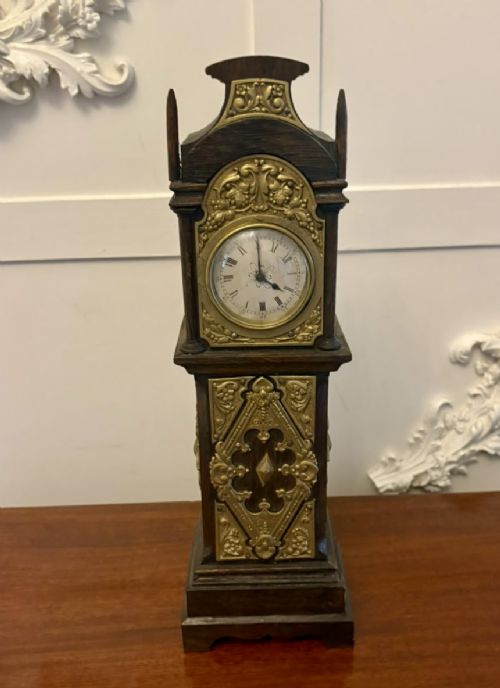
Victorian Brass Table
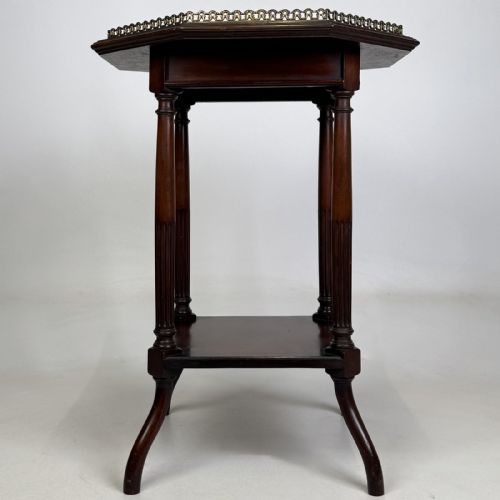
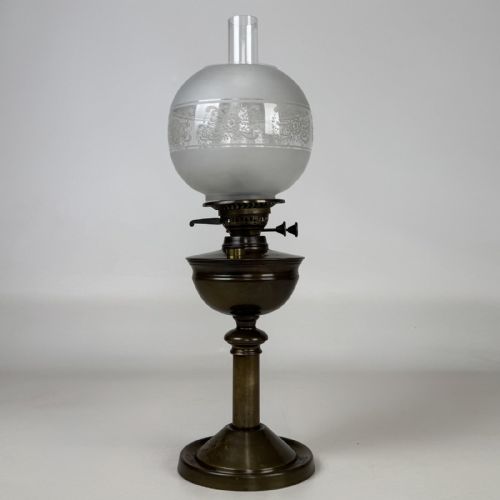
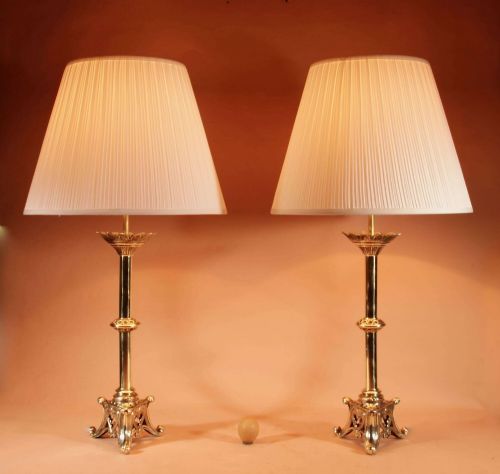
When you search for a victorian brass table, you uncover sturdy metal-mounted furnishings and tall column lamps designed for period interiors.
Victorian Brass Table
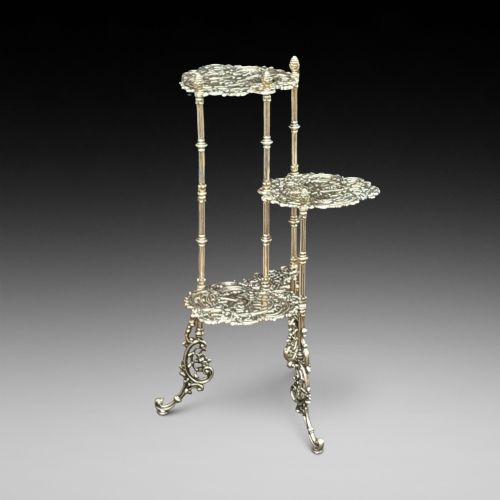
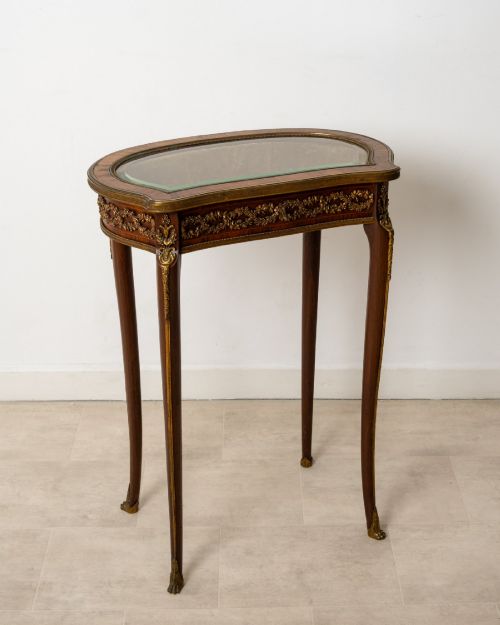
A victorian brass table encompasses occasional stands, reading pieces, and lamp bases produced during the nineteenth century. The most common forms appearing in these records combine brass columns or mounts with timber tops, glass components, or ceramic reservoirs.
Makers utilised cast and turned brass to support functional surfaces and lighting equipment in nineteenth-century homes. These items bridge the gap between heavy timber furniture and decorative metalwork, reflecting the period's taste for eclectic materials.
How they were made
Workshops constructed these pieces by combining cast brass fittings with seasoned timbers such as mahogany, oak, and ebonised wood. Metal components were cast, turned on lathes, and polished, then joined to stone bases or wooden surfaces using threaded rods and screws.
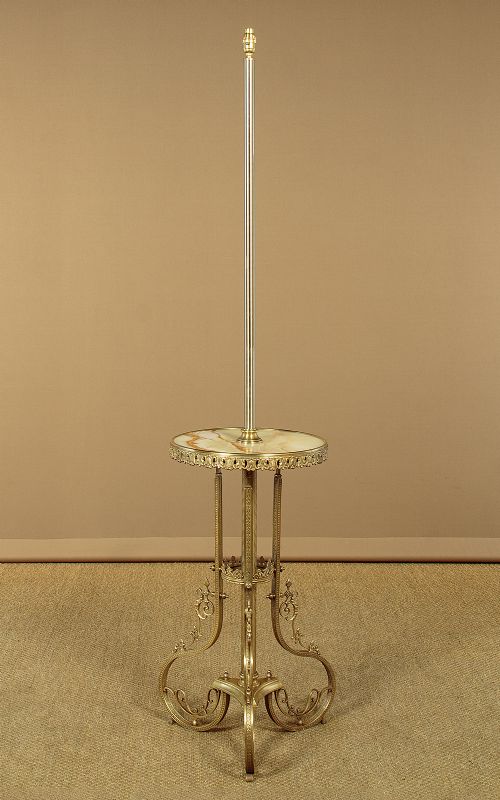
Makers integrated glass shades, marble tops, and porcelain details into the metal framework to create functional household objects. Techniques included hand-chasing the brass surface and mounting adjustable mechanisms for reading lamps and student lights.
The archive includes nineteenth-century column lamps, occasional stands, campaign trunks, and writing desks.
What varies in quality
The standard of a piece depends on the crispness of the brass casting and the weight of the materials used in its construction. Finer examples display deeply chased acanthus leaves on Corinthian capitals and solid gauge metal rather than thin pressed sheet.
Superior items integrate secondary materials like matched marble tops, cameo glass shades, or signed mechanisms by makers such as Hinks and Sons. Less distinguished pieces rely on simpler turnings and lighter gauge brass without decorative enrichment.
Trollope & sons·Lenzkirch·Brockbanks & Atkins·W.A.S. Benson·Henry Marc·Louis Vuitton·Collinson & Lock·Hinks & Sons
The Victorian Brass Table Glossary
- Corinthian column
- A classical architectural column form with an ornate capital decorated in rows of acanthus leaves. This motif frequently appears on the upright shafts of nineteenth-century lamps and stands.
- Fusee movement
- A clockwork mechanism incorporating a conical pulley and chain to ensure even tension as the mainspring unwinds. It is found in better quality timepieces from the period.
- Ormolu
- Gilded bronze or brass applied as decorative mounts to furniture and clocks. The technique involves creating a mercury amalgam to adhere gold to the base metal surface.
- Vaseline glass
- Pressed or blown glass containing uranium dioxide, which produces a characteristic yellow-green colour under natural light and glows brightly under ultraviolet illumination.
Victorian Brass Table: Frequently Asked Questions
How do I identify a period brass lamp?
Examine the construction of the column and the weight of the metal base, as nineteenth-century examples typically employ heavy cast brass rather than lightweight modern alloys.
Look for maker's stamps on the burner mechanisms, registry marks stamped into the metal, and hand-finished details on the capital.
Were these pieces used for reading or dining?
Smaller metal-mounted stands and adjustable column designs served primarily as reading lights, student lamps, or occasional surfaces for holding books and writing equipment.
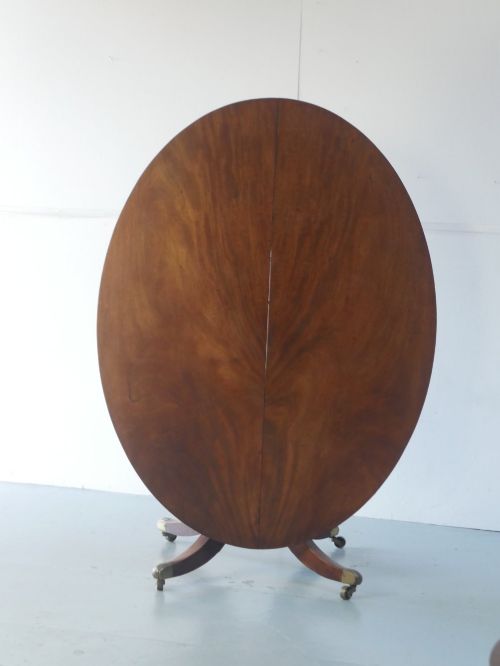
Larger timber tables with brass framing or casters functioned as library desks, side tables, or occasional furniture in reception rooms.
What woods were paired with brass?
Cabinetmakers most frequently combined brass mounts and columns with mahogany, oak, ebonised wood, and exotic veneers such as amboyna and kingwood.
These timbers provided a dark, contrasting background that highlighted the bright polished finish of the metalwork.
How should I care for antique brass?
Maintain the surface by dusting gently with a soft dry cloth and avoiding harsh chemical metal polishes that remove the historic patination.
Preserve the original mellow tone built up over generations rather than striving for a bright, mirror-like modern shine.