


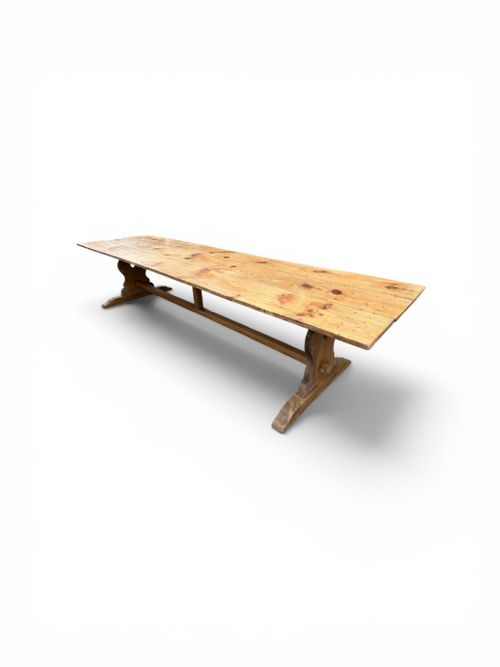

Long Pine Kitchen Table
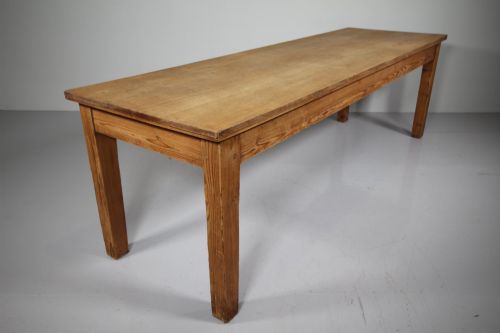
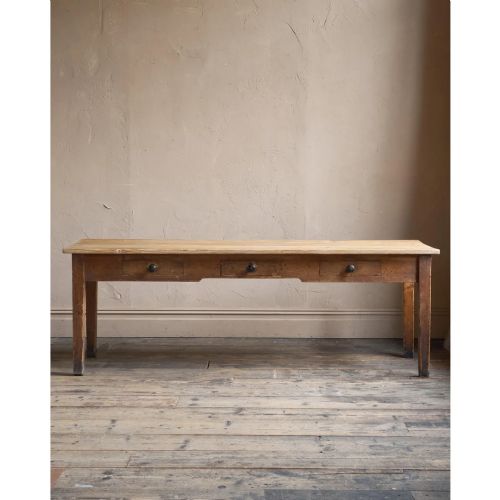
A long pine kitchen table brings enduring utility and robust character to the heart of the home.
Long Pine Kitchen Table
When you search for a long pine kitchen table, you encounter substantial utilitarian furniture designed for heavy daily use in domestic spaces. These pieces span the nineteenth century into the early twentieth century, incorporating styles from English, French, Welsh, and Scandinavian traditions.
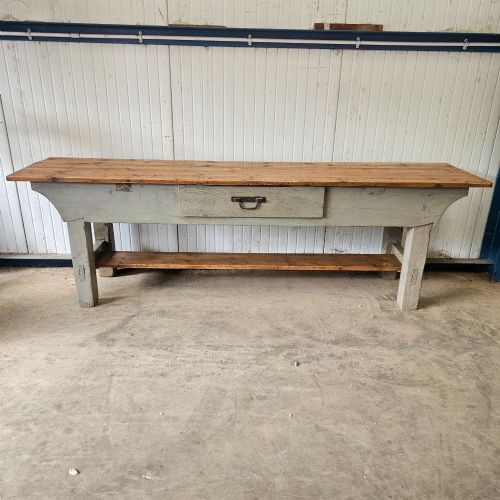
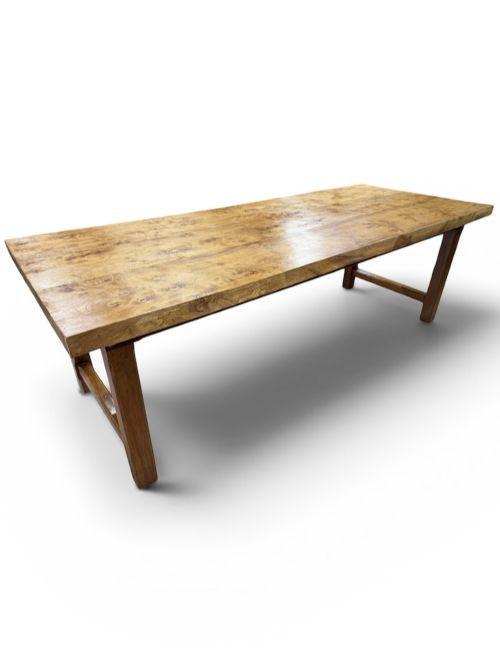
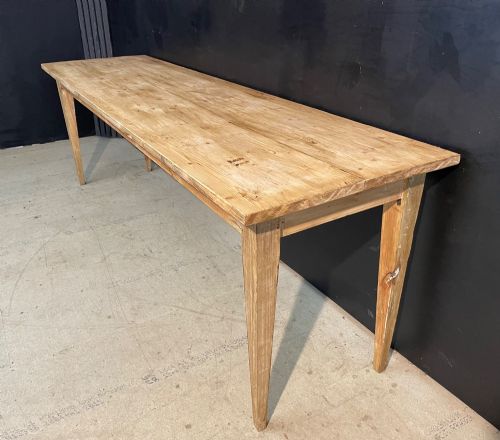
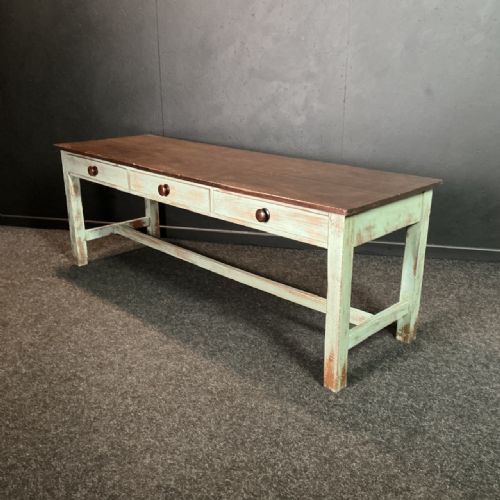
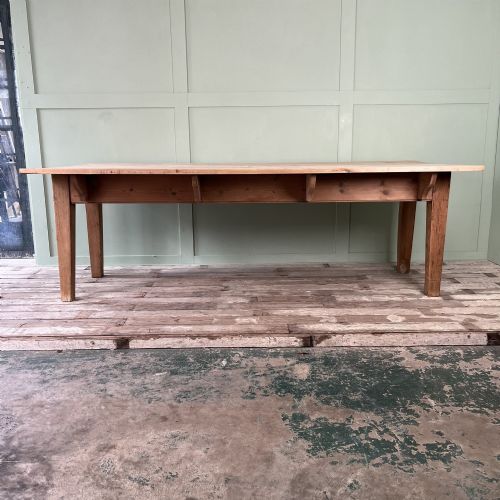
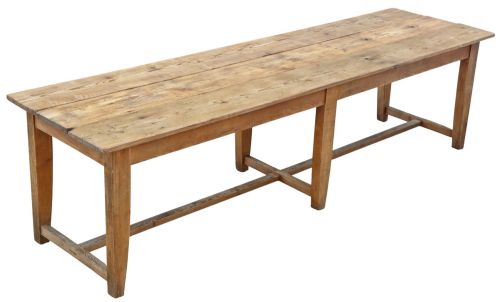
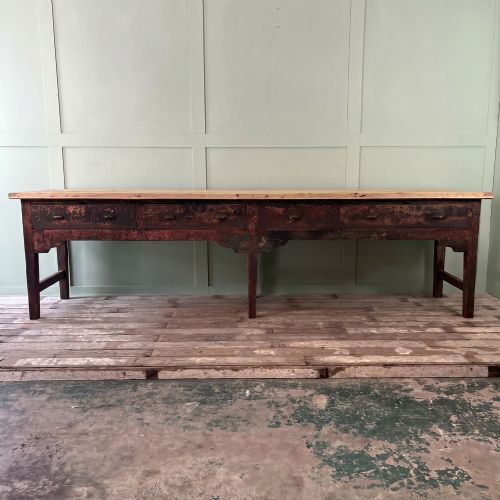
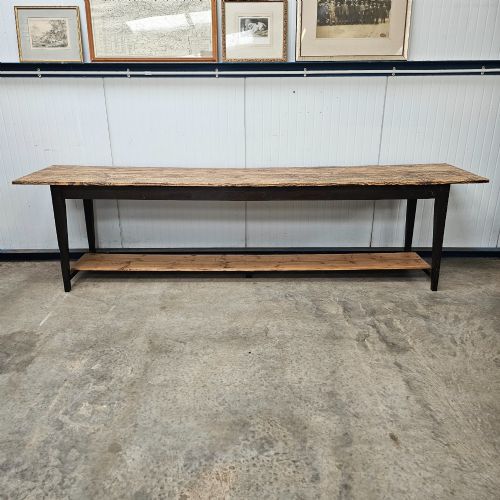
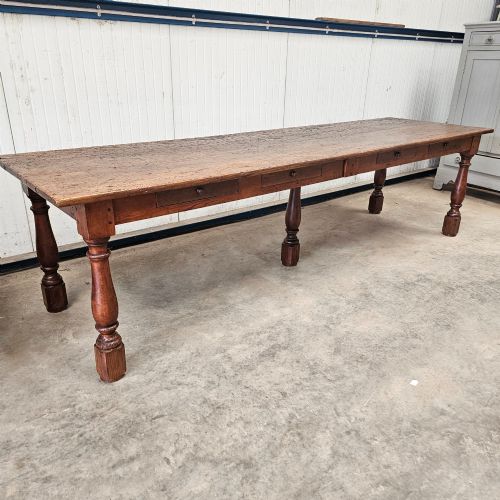
The version you are most likely to meet on this page is a nineteenth-century farmhouse or refectory dining table built for large gatherings and food preparation. Alongside traditional dining tables, the selection includes specialised forms such as drapers tables, scullery tables, and kitchen preparation tables.
Makers ranged from local rural joiners to institutional workshops like the Arnold School. Their output reflects the practical demands of scullery, dairy, tavern, and kitchen environments where durability mattered above all else.
How they were made
Construction relies heavily on pine timber, frequently paired with oak, fruitwood, chestnut, poplar, or elm for structural elements and scrub tops. Many examples combine solid wood construction with painted timber bases in original or later finishes.
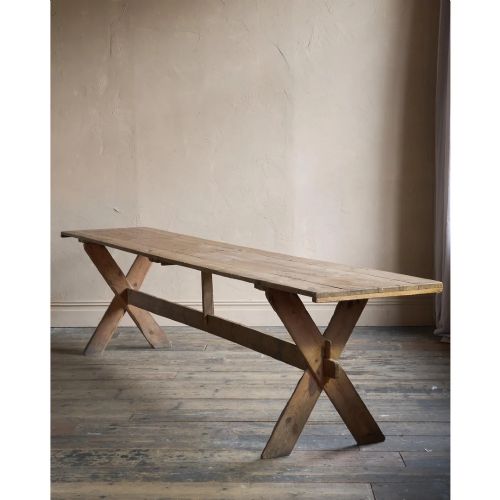
Joinery techniques focus on stability and strength, utilising plank tops supported by sturdy turned legs, trestles, or robust framework. Additional functional elements such as drawers appear on scullery and preparation tables to house kitchen implements.
Several tables retain traces of flour, ink, and earnest scrubbing from generations of kitchen prep.
What varies in quality
The distinction between ordinary utility tables and superior examples rests on timber selection and proportion. Long planks with tight grain and pleasing natural weathering elevate a piece above standard workshop output.
Construction integrity and original hardware, including integrated drawer sets and well-turned legs, separate utilitarian workhorses from finer decorative examples. The presence of untouched original paint finishes also influences the standing of regional country pieces.
The Long Pine Kitchen Table Glossary
- Refectory table
- A long, narrow dining table originally built for communal dining halls. These pieces provide generous seating capacity along their length.
- Scrub top
- A wooden table top designed to be vigorously scrubbed clean with water and sand. This process leaves the timber pale and deeply textured.
- Drapers table
- A long counter or table historically used for displaying folded textiles in shops. They often feature multiple drawers or lower tiers.
- Trestle table
- A table supported by two or more upright frames connected by a horizontal beam. This design maximises legroom beneath the top.
- Dresser base
- The lower section of a kitchen dresser featuring cupboards or drawers. These sturdy units served as primary preparation surfaces in country kitchens.
Long Pine Kitchen Table: Frequently Asked Questions
How do I clean a pine kitchen table?
Wash scrubbed pine surfaces gently with warm water and mild soap, following the grain of the wood. Avoid harsh chemical cleaners that strip the historic character from the timber.
Allow the wood to dry naturally after washing. Regular light dusting and occasional waxing help preserve painted bases and sealed pine surfaces.
Can I use a farmhouse table outdoors?
These antique tables are built for interior domestic use and do not tolerate prolonged exposure to damp weather. Moisture causes timber to warp, joints to loosen, and painted finishes to blister.
Keep tables away from direct heat sources and dramatic humidity shifts inside the home. Stable indoor conditions protect the historic wood and joinery.
How many people does an eight-foot table seat?
An eight-foot table typically seats eight people comfortably, with space for diners along both long sides. Narrow refectory designs allow diners to sit close without obstruction from bulky central pedestals.
Consider the placement of table legs and trestles when planning seating arrangements. Tables with inset legs or trestle bases provide extra flexibility for chair placement at the ends.
What is the difference between a prep table and a dining table?
Preparation tables often feature scrubbed softwood tops designed for food handling and practical tasks. They frequently include functional additions such as drawers for utensils or lower tiers for storage.
Dining tables focus primarily on comfortable legroom and surface area for eating. Both types share robust country construction methods developed during the nineteenth century.