




Welsh Tavern Table
These welsh tavern table pieces are sturdy vernacular workhorses built for daily use, offering rugged charm and enduring utility.
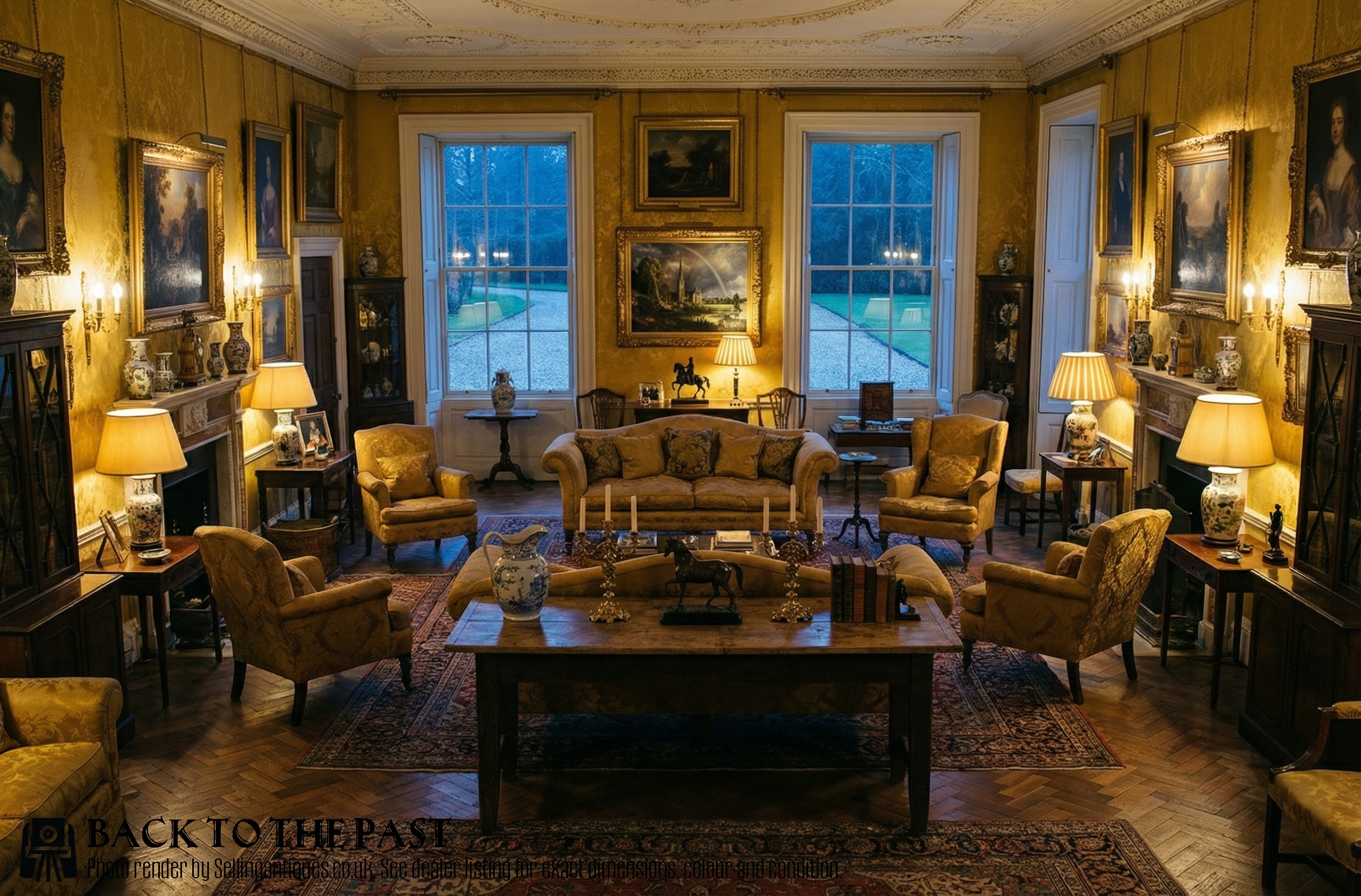
Welsh Tavern Table
When you search for a welsh tavern table, you encounter robust utility furniture rooted in British vernacular traditions. These pieces served hardworking communal spaces, including country taverns, dairies, and farmhouse kitchens.
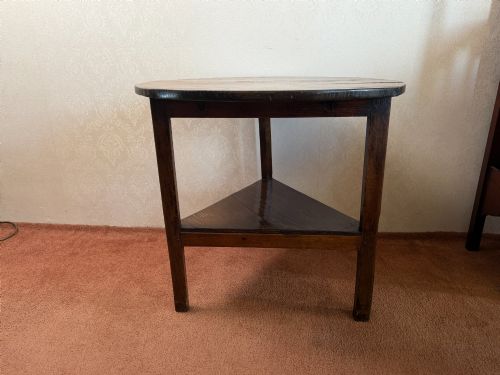
The pieces on this page span the seventeenth, eighteenth, and nineteenth centuries, featuring styles such as Welsh country, Georgian country, and rustic farmhouse. Forms range from compact cricket tables to long refectory benches and trestle tables.
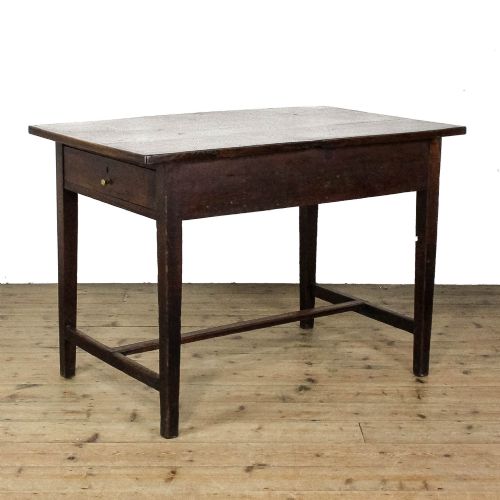
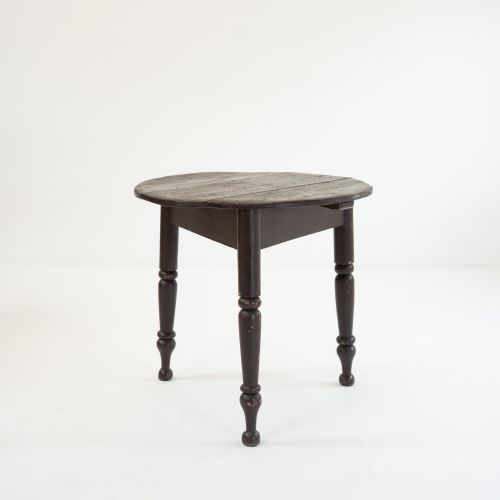
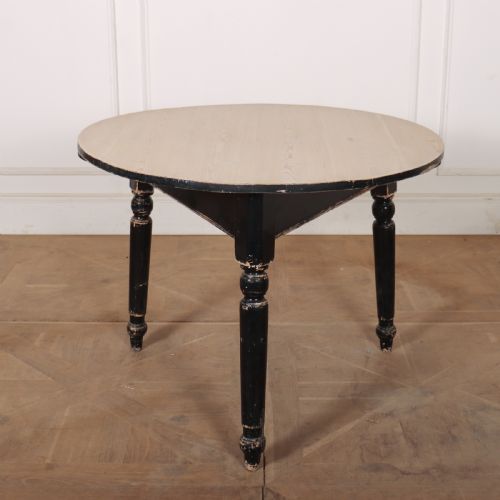
Oak and pine dominate the selection, occasionally displaying original paint surfaces alongside brass elements. You are most likely to meet rectangular formats or circular three-legged forms designed for uneven flagstone floors.
Materials and construction
Joiners built these tables from native timbers, relying primarily on sturdy oak and resilient pine for daily durability. Construction methods prioritise structural honesty, utilising thick planks, pegged joints, and robust trestle or X-frame supports.
Surfaces often show plain scrubbed timber, though surviving examples retain historical paint layers such as original red pigment on the base. Brass hardware appears occasionally, while three-legged cricket tables provide natural stability on irregular floors.
Available forms range from compact cricket tables to extended trestle refectory tables.
Distinctions in quality
The standard of a welsh tavern table rests on the integrity of its timber and the honesty of its wear. Pieces retaining original surface patination and untouched structural framing command greater respect among collectors than heavily restored examples.
Proportion and scale dictate the visual weight of each piece, from low centre tables to long nine-foot refectory formats. Simplicity of form combined with substantial framing marks the upper tier of vernacular production.
The Welsh Tavern Table Glossary
- Cricket table
- A small three-legged circular table traditionally utilised in domestic and tavern spaces. The three-legged design prevents rocking on uneven stone floors.
- Vernacular
- Everyday furniture made by local craftsmen using regional materials rather than following high-style metropolitan fashions. These pieces reflect local traditions and practical needs.
- Trestle table
- A form consisting of two or more supports carrying a horizontal top. This construction allows maximum legroom along the length of the table.
- Patina
- The surface sheen and colour developed through years of handling, cleaning, and ageing. It acts as a visual record of a piece's history.
- Refectory table
- A long dining table traditionally used in communal dining halls. Vernacular examples utilise sturdy timber frames for heavy daily service.
Welsh Tavern Table: Frequently Asked Questions
What is a welsh tavern table?
A welsh tavern table is a sturdy vernacular piece built for heavy use in public houses, farmhouses, and dairies. These tables utilise local timbers like oak and pine to withstand demanding daily environments.
They appear in various formats, including long dining tables, X-frame designs, and compact side tables. Their construction focuses on utility and stability rather than decorative refinement.
How do I date a tavern table?
Dating relies on examining construction techniques, tool marks, and timber shrinkage over centuries. Earlier seventeenth and eighteenth-century examples often display pegged joints and hand- cleft oak.
Nineteenth-century pieces frequently incorporate pine or painted surfaces, reflecting later vernacular manufacturing methods. Comparing joinery styles against dated comparative examples helps narrow the period of origin.
Were these tables used in homes?
Although designed for commercial and agricultural settings like taverns and dairies, these tables migrated easily into domestic kitchens. Their robust build made them ideal for food preparation and family dining.
Today, buyers utilise them as kitchen tables, centre tables, or side pieces in rustic interiors. Their functional origins lend practical character to modern living spaces.
How should I care for antique oak and pine?
Maintain antique timber by keeping it away from direct heat sources and sudden humidity changes. Regular dusting with a dry cloth preserves the dry-scoured or waxed surface without sealing the grain.
Avoid aggressive modern polishes that can alter the historical patina. Gentle handling allows the natural ageing of the wood to remain visible.