


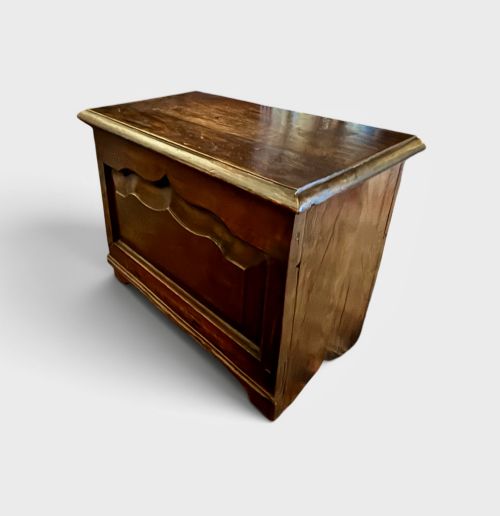
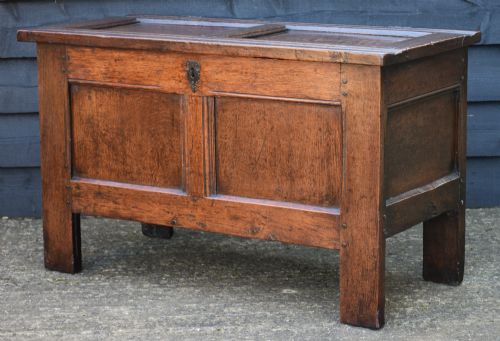
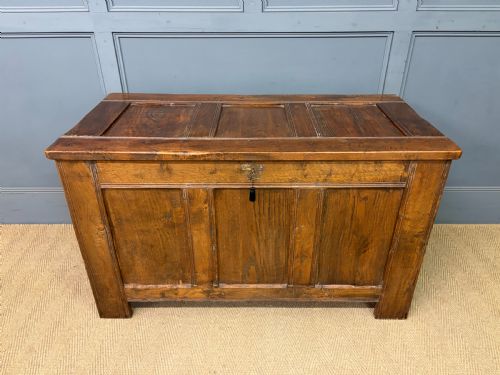
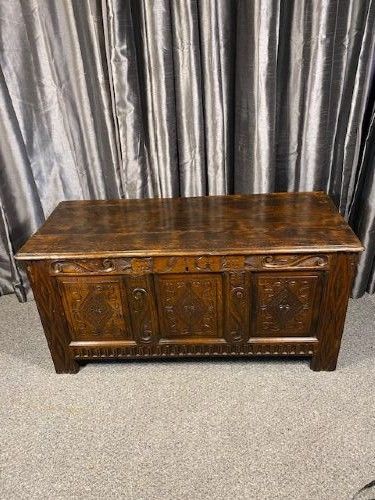
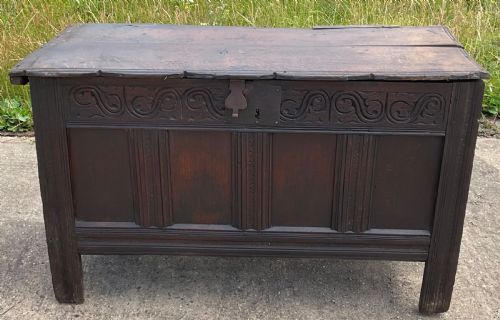
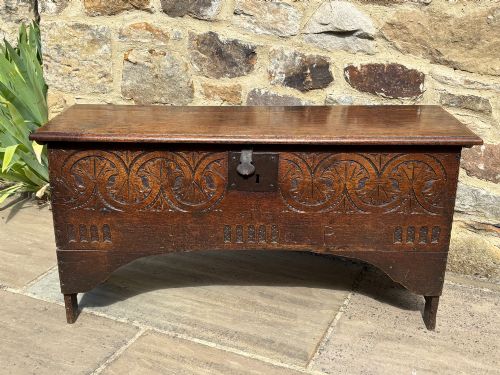
Rustic Oak Storage Trunk
A rustic oak storage trunk brings centuries of utility into a modern room, offering heavy timber construction and practical interior space.
Rustic Oak Storage Trunk
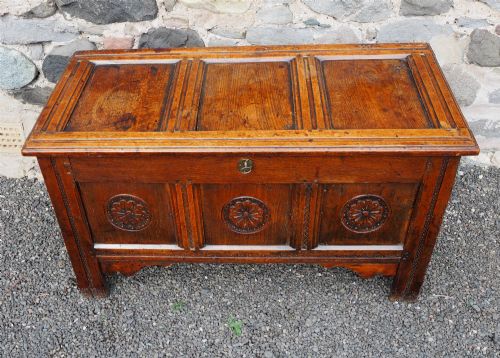
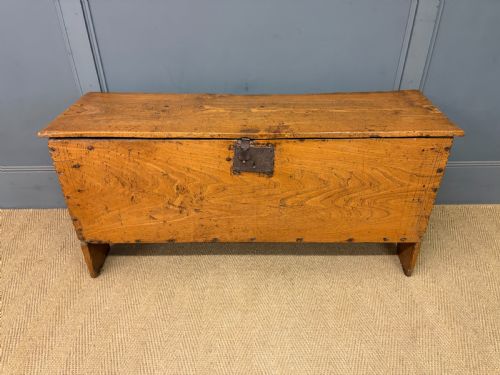
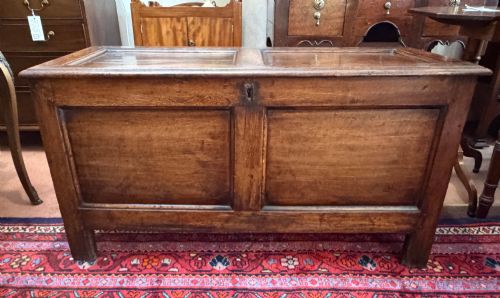
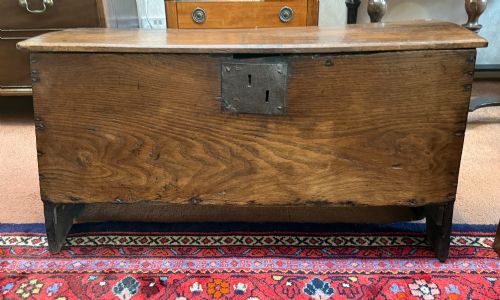
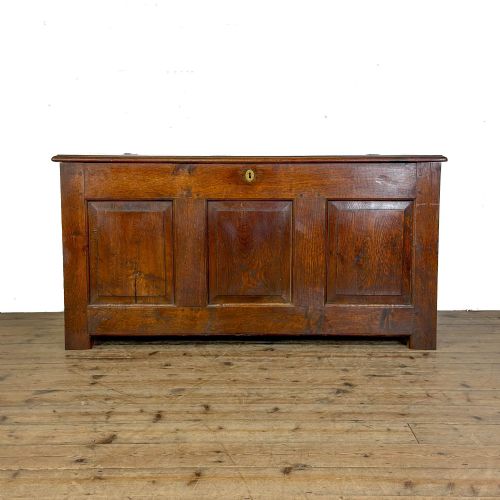
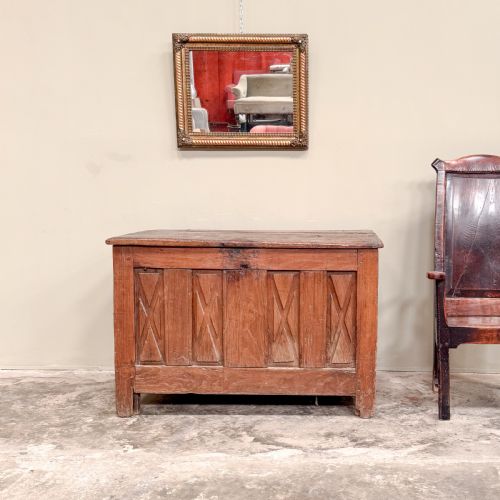
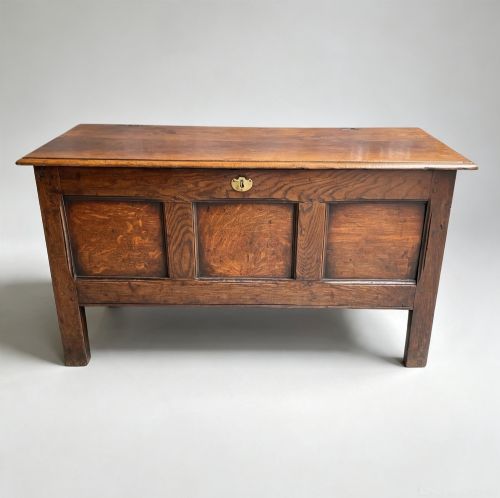
A rustic oak storage trunk encompasses heavy wooden coffers, blanket chests, and mule chests spanning the seventeenth, eighteenth, and nineteenth centuries. You will frequently encounter panelled oak coffers and traditional country blanket boxes originating from English, Welsh, and continental workshops.
These utility pieces served households for storing linens, garments, and valuables before fitted wardrobes and chests of drawers became common. The forms range from small proportions designed for tight spaces to large dowry chests intended for family heirlooms.
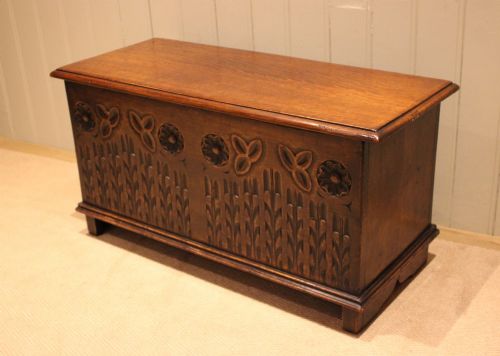
Regional variations appear across the selection, including Welsh vernacular pieces from Snowdonia and the Gower Peninsula, alongside French provincial examples and later Arts and Crafts interpretations. Plain planked constructions and carved fronts both represent the standard domestic storage of their respective eras.
How they were made
Construction relies heavily on solid oak timbers joined through traditional frame-and-panel techniques that allowed the wood to expand and contract with humidity. Secondary timbers such as elm and pine occasionally appear in panels or internal floorboards.
Metalwork played a functional and structural role, with hand-forged iron hinges, straps, and brackets securing lids and corners. Brass fixtures appear on later campaign styles, while occasional painted finishes or hand-carved surface details decorate the primary facades.
Several trunks bear the scars of long military campaigns and domestic dowry preparations.
What varies in quality
The degree of hand-carving and the sophistication of the joinery set finer examples apart from plain utility boxes. Crisp detailing on the panels and stiles indicates a maker working with greater skill and time.
Proportion and timber selection dictate visual balance, with quarter-sawn oak figuring and burr elm accent panels marking out superior pieces. Original ironwork and intact hinges contribute significantly to the integrity of a trunk.
Jack Grimble
The Rustic Oak Storage Trunk Glossary
- Coffer
- A heavy wooden box with a hinged lid used originally for storing valuables. These form the bulk of early storage furniture.
- Mule chest
- A storage chest featuring one or more drawers at the base beneath the main compartment. This form bridges the gap between the simple coffer and the chest of drawers.
- Panelled
- A method of construction where a frame holds a thinner central board floating in a groove. This prevents the wood from splitting as it ages.
- Vernacular
- Architecture and furniture built by local craftsmen using traditional regional methods and local materials. These pieces reflect specific geographic styles rather than court tastes.
- Sword chest
- A long, narrow trunk specifically proportioned for storing swords and sidearms. They often date to the seventeenth and eighteenth centuries.
Rustic Oak Storage Trunk: Frequently Asked Questions
What is a rustic oak storage trunk used for?
These pieces serve as practical storage containers for blankets, heavy linens, and household items while functioning as coffee tables or benches in living spaces.
Their sturdy solid wood construction allows them to endure daily domestic use while concealing clutter inside.
How do I date an oak coffer?
Dating relies on examining the joinery techniques, timber preparation marks, and the style of any surface carving. Seventeenth-century examples typically display pegged frame-and-panel construction with hand-riven boards.
Later eighteenth and nineteenth-century pieces show more standardised sizing, machine-sawn timber indicators, and Georgian or Victorian stylistic influences.
What is the difference between a coffer and a mule chest?
A coffer consists of a single deep compartment accessed solely through a hinged lid on the top. A mule chest incorporates one or more external drawers beneath the main box section.
This addition of drawers allowed access to stored items without needing to clear objects off the top of the lid.
How should I care for antique oak furniture?
Keep wooden storage pieces away from direct heat sources and sudden temperature fluctuations to prevent the oak from splitting or warping. Natural beeswax applied sparingly helps maintain the lustre of the historic finish.
Avoid modern silicone polishes, which can build up on the surface and damage the timber over time.