


Rustic Oak Prep Table
A rustic oak prep table offers sturdy utility and aged timber character, making it a practical workspace for modern kitchens.
Rustic Oak Prep Table
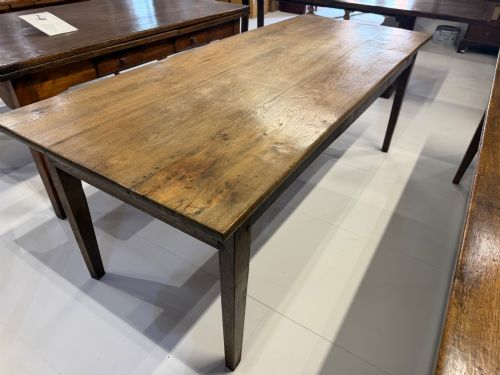
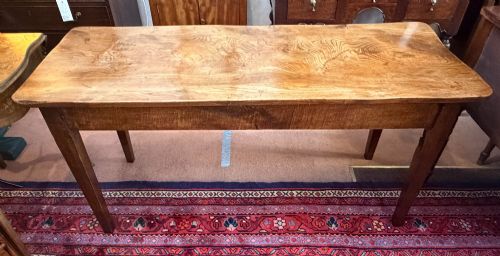
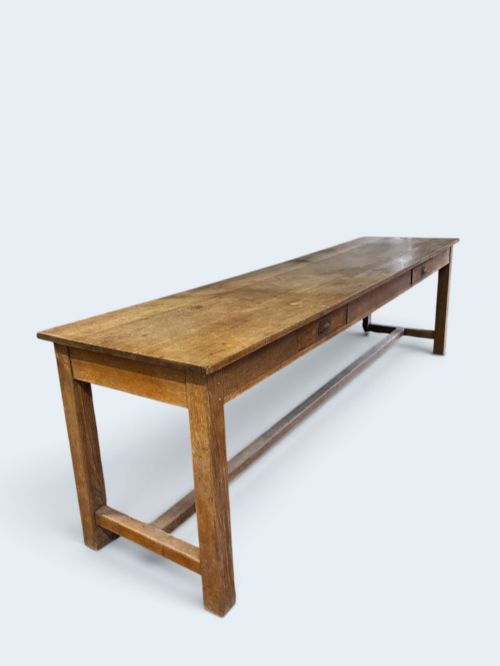
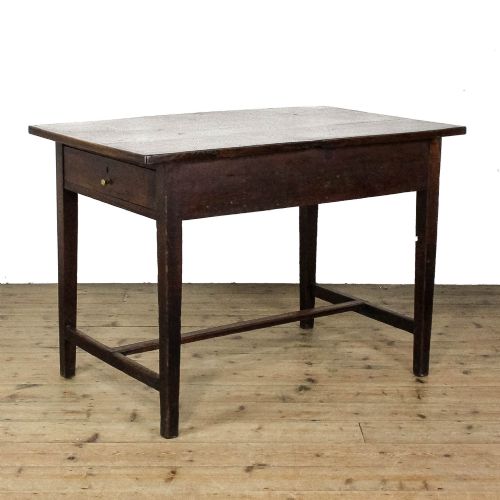
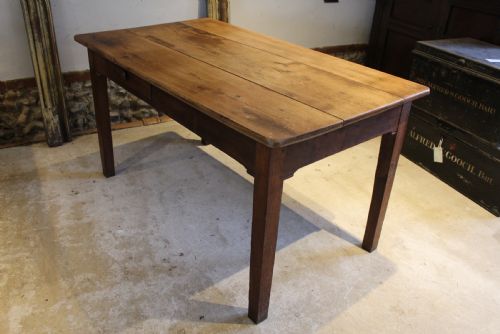
A rustic oak prep table serves as a functional workspace designed for food preparation or serving in domestic and commercial settings. These items appear primarily in nineteenth-century country forms, including French provincial designs, Welsh kitchen tables, and long harvest tables.
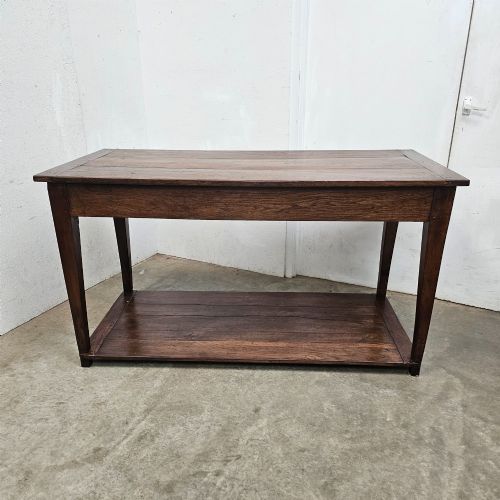
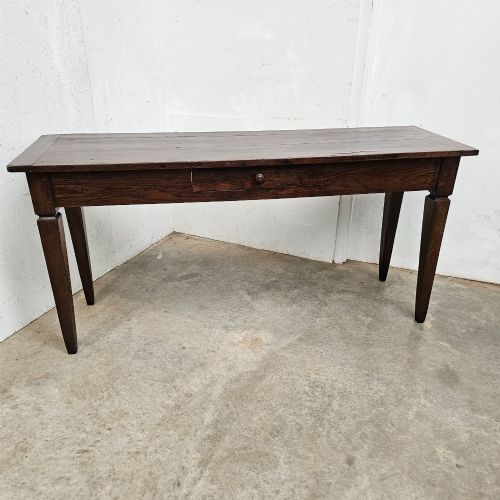
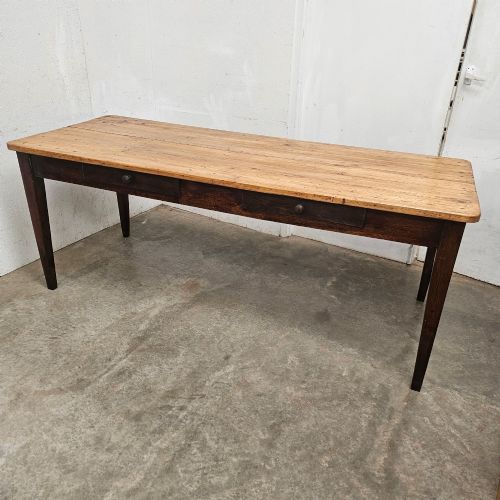
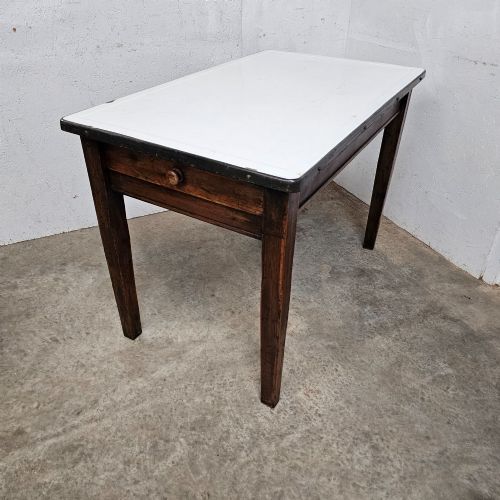
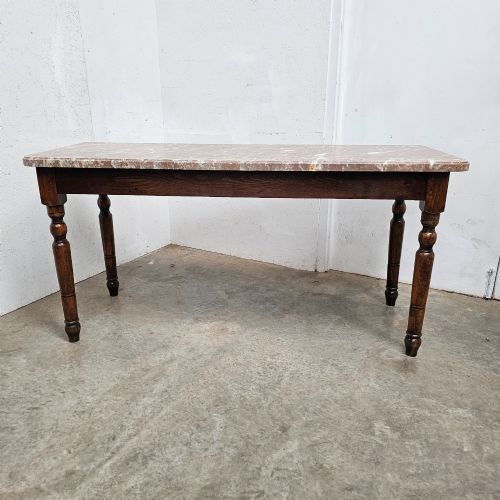
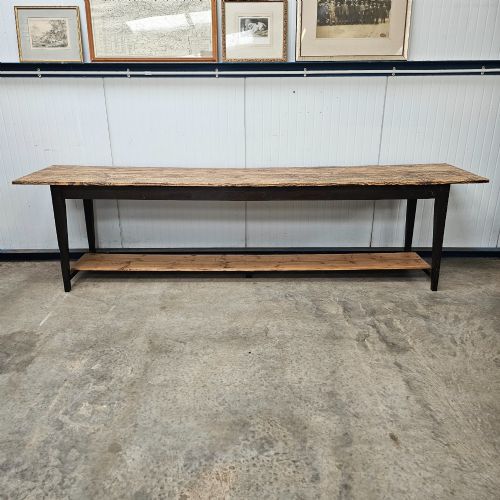
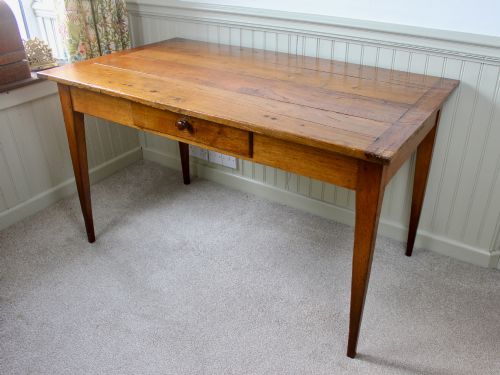
Buyers encounter numerous regional variations on this page, ranging from English pedestal and tapered leg formats to French two-tier work tables and marble-topped pastry counters. Many examples combine solid oak tops with supplementary materials like pine, beech, or iron.
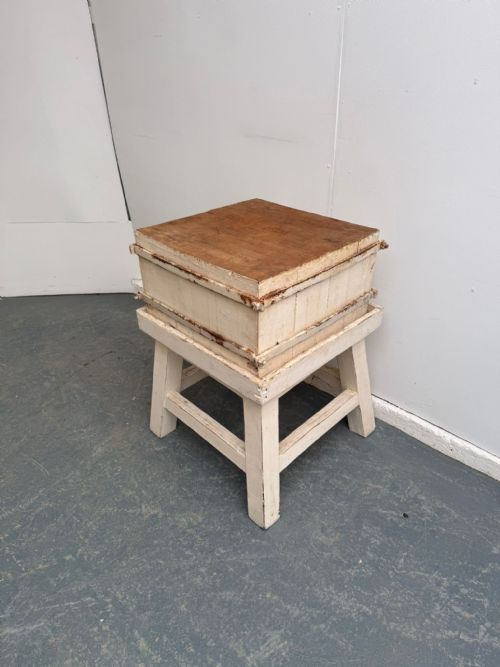
The selection encompasses specialist culinary forms such as butchers blocks, drapers tables, and bread prep counters alongside standard kitchen and serving tables. Pieces span from the late eighteenth century through the Edwardian period and early twentieth century.
Assessing quality
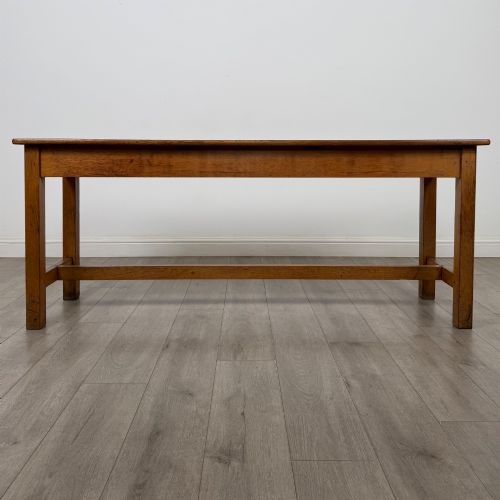
Quality rests upon the integrity of the timber and the honesty of the wear accumulated through decades of active service. Superior examples display thick, solid oak tops with minimal structural compromise, retaining original bases and supportive stretchers.
Construction details distinguish workshop-made pieces from standard utility items, particularly in the cut of the timber and the tightness of the joinery. The presence of original working elements, such as drawers, marble slabs, or maker stamps, elevates the standing of an individual table.
Listings feature nineteenth-century oak, pine, and marble combinations alongside Edwardian and Victorian forms.
Trussant & Cie
The Rustic Oak Prep Table Glossary
- Prep table
- A sturdy utility table designed for food preparation, featuring a durable surface capable of handling heavy culinary tasks. These pieces often include drawers for utensils or lower tiers for storage.
- Butchers block
- A heavy, thick-topped block historically used for meat carving and chopping. These items feature dense end-grain or plank construction mounted on a sturdy wooden stand.
- Drapers table
- A long, often narrow table originally utilised in fabric shops for measuring and cutting textiles. They frequently incorporate multiple tiers and generous lengths suited to expansive workspaces.
- Pastry table
- A specialised work table inset with a marble slab to keep pastry cool during kneading and rolling. These surfaces are commonly supported by wooden frames with open lower storage.
- Harvest table
- An elongated dining or work table traditionally used during seasonal gatherings and farm labour. They offer substantial seating capacity and unpretentious country construction.
Rustic Oak Prep Table: Frequently Asked Questions
How do I care for a wooden prep surface?
Maintenance involves regular cleaning with mild soap and water, avoiding excessive moisture accumulation on the bare wood. Periodic application of food-safe oils or waxes helps nourish the timber.
Treating the surface gently preserves the historical patina while protecting the oak from stains and drying. Avoid placing hot pans directly onto antique timber tops.
Are these tables suitable for modern kitchens?
These tables adapt readily to contemporary kitchen layouts as freestanding islands, breakfast bars, or auxiliary preparation counters. Their varied heights and configurations accommodate diverse interior spaces.
Many examples feature lower shelves or drawers that provide convenient storage for modern kitchenware. The sturdy construction handles daily domestic tasks with ease.
How do I identify a nineteenth-century example?
Nineteenth-century tables exhibit hand-cut joinery, pegged joints, and timber surfaces shaped by decades of historical use. Tool marks and natural board shrinkage offer clues to their age.
Consulting the listed period details and construction methods helps verify the era of manufacture. Regional styles also point toward specific nineteenth-century country traditions.