
Rustic Oak Dining Seating
Rustic oak dining seating brings tangible vernacular character to the table, offering sturdy wooden forms shaped by generations of domestic use.
Rustic Oak Dining Seating
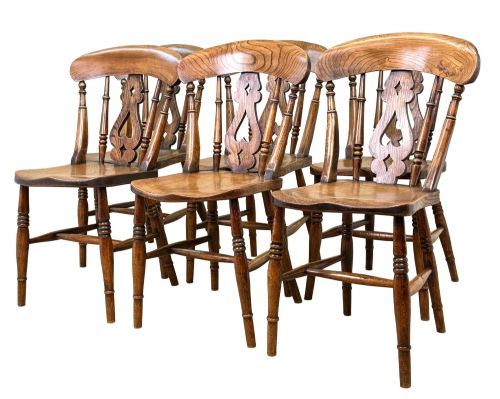
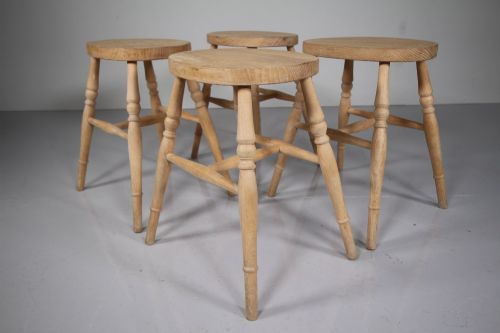
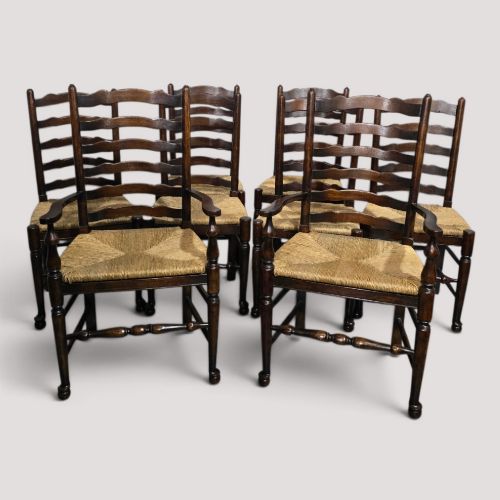
Rustic oak dining seating encompasses utilitarian wooden chairs, benches, and stools designed for practical domestic use around the hearth and table. When exploring rustic oak dining seating, buyers encounter substantial Windsor chairs, ladder backs, and refectory benches originating primarily from the eighteenth, nineteenth, and early twentieth centuries.
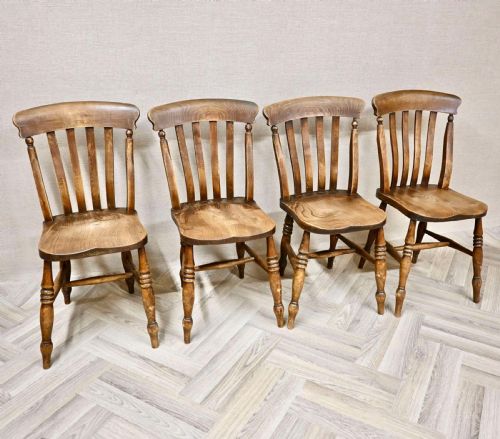
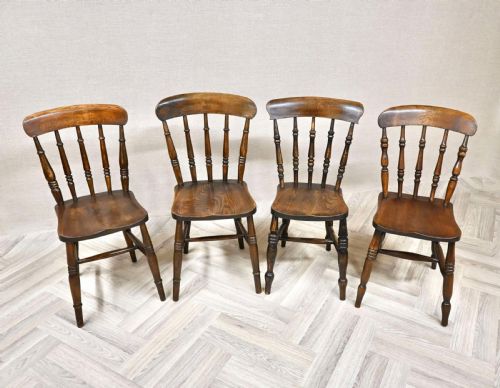
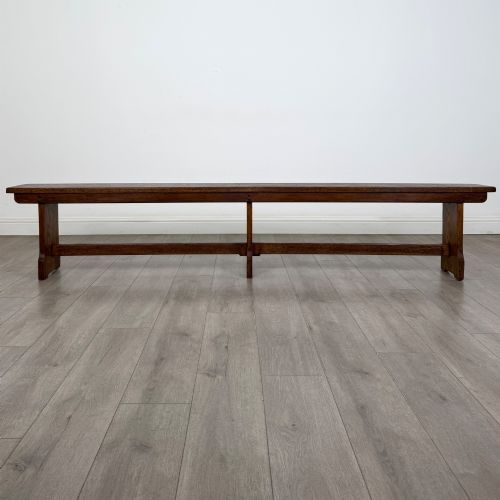
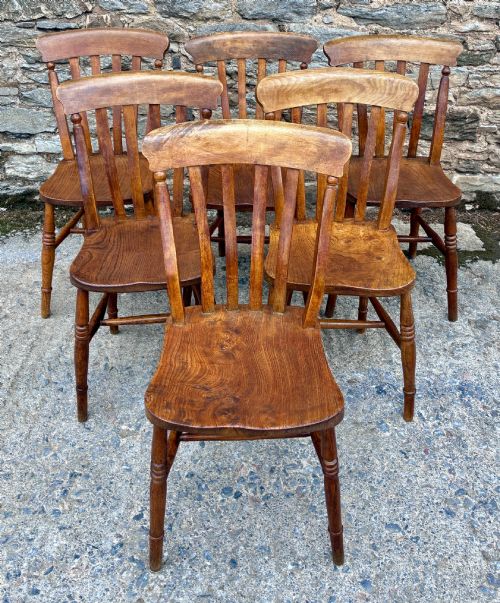
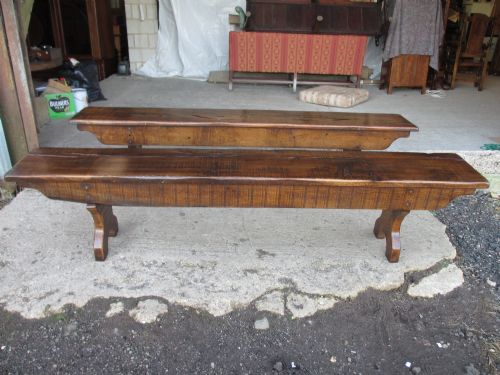
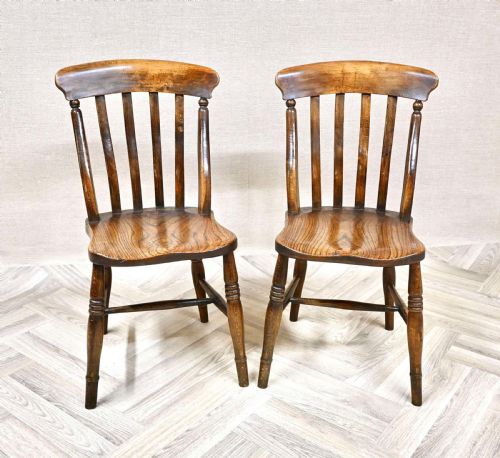
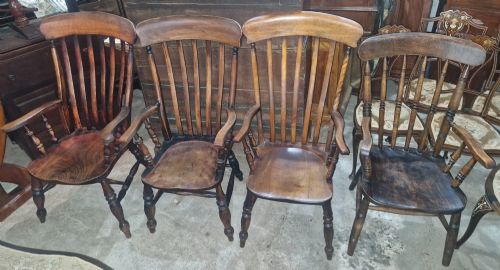
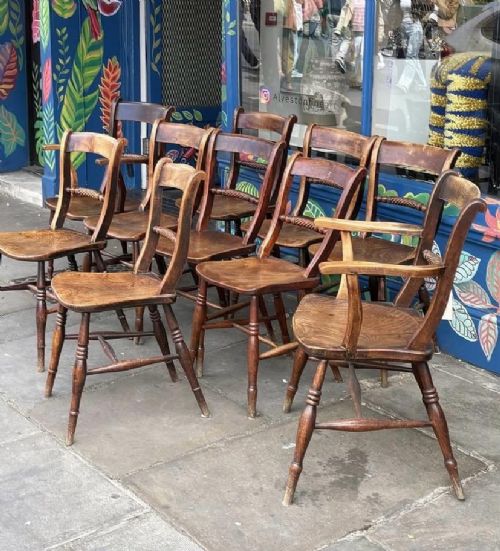
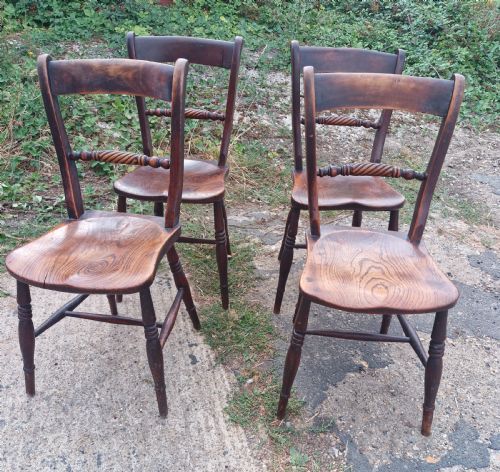
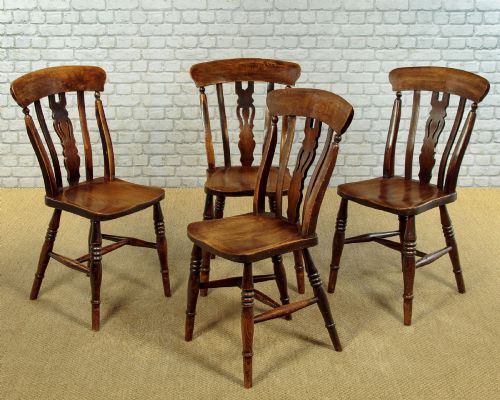
The inventory leans heavily towards nineteenth-century vernacular pieces, including sets of Windsor chairs featuring hoop, comb, and lathe backs alongside long tavern and hallway benches. These items embody English country house and farmhouse traditions where function dictated the unpretentious structural lines.
Makers working within these rural traditions utilised local timber resources to supply robust seating for everyday dining. Surviving examples demonstrate the enduring appeal of honest timber construction within contemporary and traditional dining spaces alike.
Assessing quality in country furniture
Quality rests upon the integrity of the original construction and the preservation of timber surfaces through centuries of use. Superior examples retain their original turning, unthinned spindles, and well-balanced proportions without excessive replacement timber.
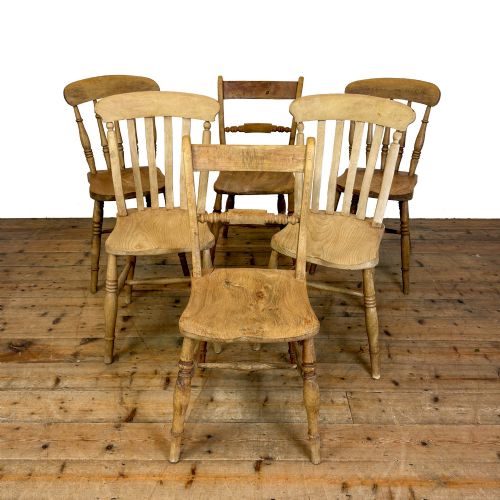
The depth of patination and the harmony of matched sets dictate the standing of individual pieces within the market. Harlequin sets demonstrate how collections assembled over time compare against uniform matched groups produced by a single rural workshop.
Materials span native hardwoods including ash and beech, paired frequently with woven rush for traditional seating pads.
The Rustic Oak Dining Seating Glossary
- Windsor chair
- A wooden chair constructed with a solid sculpted seat into which the legs and back canted spindles are separately socketed. This design offers robust support through a clever combination of steam-bent and turned components.
- Ladder back
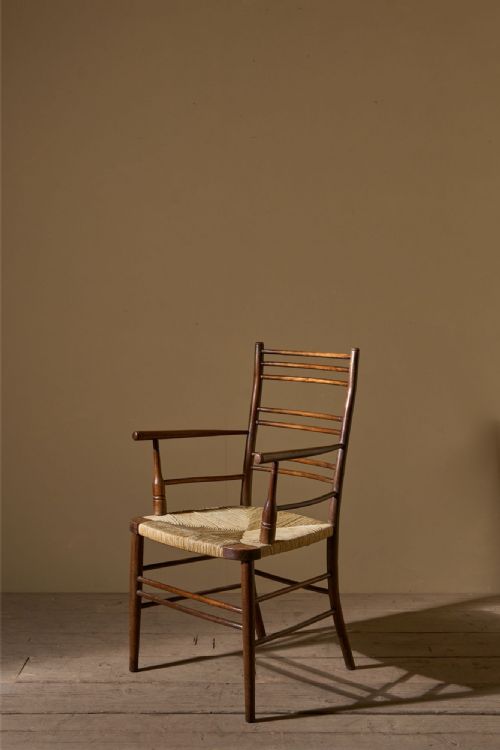
- A chair style featuring horizontal arched slats between the rear upright posts. These slats provided comfortable lumbar support in traditional vernacular dining rooms.
- Refectory table
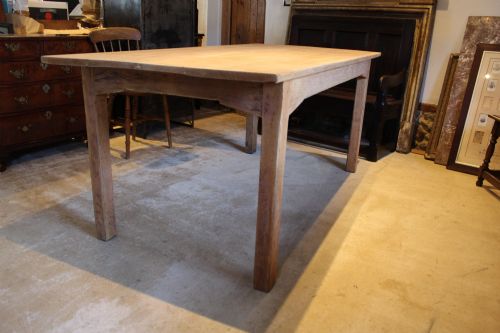
- A long, narrow dining table originally designed for communal dining halls and paired with matching benches. They utilise strong stretcher bases to maintain stability on uneven flagstone floors.
- Harlequin set
- A collection of dining chairs that share similar styles, materials, or periods while varying slightly in minor details. These groups formed organically as households replaced damaged seating over generations.
- Lathe back
- A chair back featuring vertical flat slats or laths secured between the crest rail and the seat. This robust configuration provides reliable support for heavy daily use.
Rustic Oak Dining Seating: Frequently Asked Questions
How do I care for antique oak dining benches?
Maintain antique oak by applying a modest amount of traditional beeswax to nourish the dry timber surface. Avoid placing wooden benches near direct heat sources to prevent the boards from splitting.
Clean surfaces regularly with a soft, dry cloth rather than modern chemical polishes that can degrade the historic patination over time.
Are Windsor chairs comfortable for daily dining?
Windsor chairs are surprisingly comfortable for everyday dining because their seats are traditionally saddled and carved to fit the body. The combination of flexible spindles and raked backs provides supportive posture.
Adding simple loose cushions can further enhance comfort during long meals without altering the historic character of the seating.
What is a harlequin dining set?
A harlequin set is a group of dining chairs that share matching stylistic traits, such as ladder backs or Windsor construction, but exhibit minor variations. These sets were historically assembled over time as individual chairs broke and were replaced.
Today, these matched groupings offer a charming and authentic aesthetic for rustic dining rooms without requiring a uniform factory suite.
How do I date a nineteenth-century oak chair?
Dating nineteenth-century oak seating involves examining tool marks, timber shrinkage, and assembly methods. Hand-turned spindles and subtle variations in the hand-carved seat indicate older vernacular production.
Comparing structural proportions and joinery details against documented period examples helps narrow down the decade of manufacture.