


Warm Oak Dining Chairs
Warm oak dining chairs bring substantial grain and honest country character to the table.
Warm Oak Dining Chairs
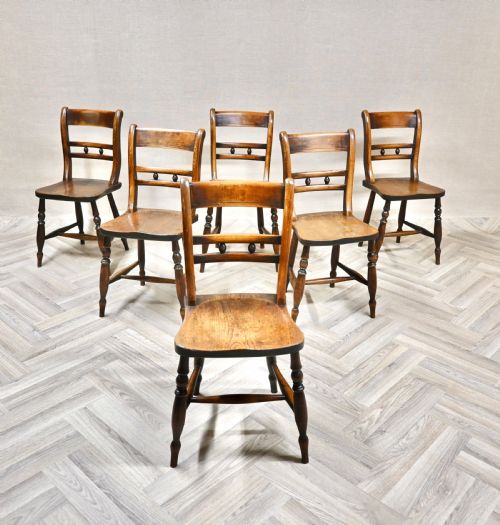
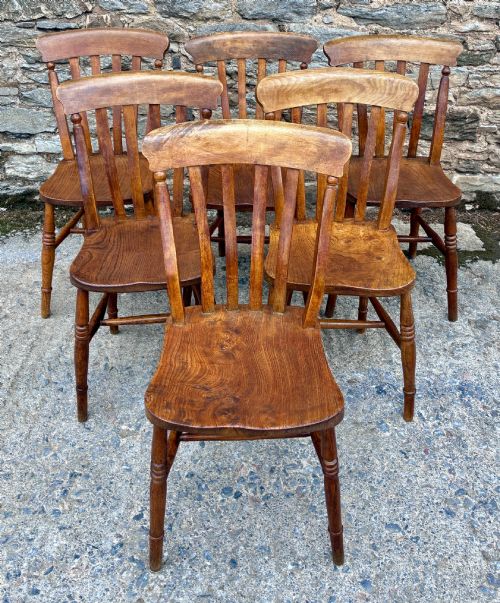
When you search for warm oak dining chairs, you encounter robust seating shaped by centuries of regional craftsmanship and vernacular traditions. These pieces range from substantial sets of eighteenth-century country chairs to early twentieth-century ladderbacks and kitchen Windsors.
You are most likely to meet elm, beech, and ash mixed with solid oak across Victorian, Edwardian, and earlier provincial forms. Many examples feature rush seats, turned legs, or lathe backs suited to daily domestic life.
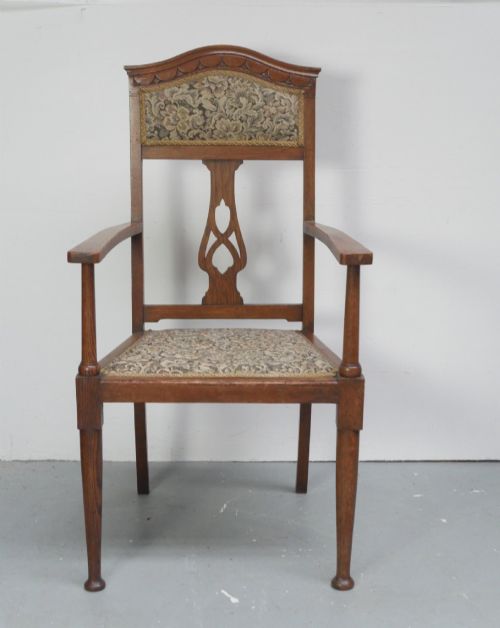
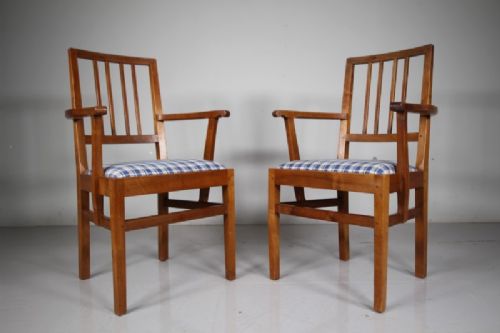
The selection encompasses single armchairs, pairs, and large dining sets, including ladderbacks and Windsor kitchen chairs. Makers such as Edward Barnsley and firms like Heal's appear among the Arts and Crafts and revival pieces.
How they were made
Joinery relies on solid timber construction where oak, elm, and beech form the structural frames, legs, and spindles. Carpenters shaped these woods using traditional turning and mortise-and-tenon joints to ensure lasting stability.
Seats are frequently woven from natural rush or shaped from solid elm blocks. Turned details such as twist legs and spindle backs require precise lathe work by regional hands.
Listings span the eighteenth, nineteenth, and early twentieth centuries, featuring oak, elm, beech, rush, and fabric.
What varies in quality
The distinction between ordinary and superior pieces rests on the integrity of the timber and the depth of the original patina. Chairs featuring deeply figured solid oak and tightly woven rush sit comfortably above those with dry or heavily replaced components.
Proportion and execution set individual workshops apart, particularly in vernacular Windsor forms and marked pieces. Finer chairs retain their original structural rigidity without excessive remedial dowelling or mismatched replacement turnings.
Edward Barnsley·Heals
The Warm Oak Dining Chairs Glossary
- Lathe back
- A chair back constructed with flat, vertically arranged wooden slats shaped on a lathe. This form provides sturdy lumbar support in traditional country seating.
- Rush seat
- A seating surface woven from dried marsh rushes twisted into cords. It offers a resilient, textured platform favoured in vernacular ladderback chairs.
- Ladderback
- A chair style featuring horizontal arched slats between the rear upright posts. This design has roots in seventeenth-century domestic seating.
- Windsor
- A chair built with a solid wooden seat into which the legs and back spindles are separately tenoned. Regional variations include hoop backs and comb backs.
- Twist leg
- A turned furniture leg carved in a spiral or barley-sugar twist. This decorative turning became popular during the seventeenth century and returned in later revivals.
Warm Oak Dining Chairs: Frequently Asked Questions
How do I care for rush seats?
Keep rush seated chairs in rooms with stable humidity to prevent the natural fibres from becoming brittle. Clean them gently with a dry brush and avoid excessive moisture.
Applying a light, occasional mist of water can help maintain the flexibility of older rush material. Protect the woven surface from direct sunlight to preserve its natural colour.
Are these chairs comfortable for daily use?
Most country dining chairs offer sturdy upright support designed for long meals and kitchen tasks. Solid wooden seats and woven rush adapt well to everyday sitting.
Adding loose squab cushions can soften the seating for extended dining sessions. The generous proportions of nineteenth-century armchairs provide an especially comfortable sit.
How do I date an oak chair?
Examine the tool marks, construction methods, and timber patination to gauge the period. Hand-cut joinery and signs of wear around the footings point towards earlier provincial origins.
Revival styles often copy seventeenth-century forms but reveal machine-cut elements and modern adhesives upon close inspection. Comparing the turning details with documented pieces helps narrow down the decade.
Can I mix different styles around one table?
Mixing country chairs of similar heights and materials creates a collected, authentic dining room atmosphere. Pairing a set of lathe backs with matching carvers at the table ends works well.
Ensure the seat heights align comfortably with your dining table's apron. Shared wood tones and patinas help unify disparate vernacular seating.